

Bright-Fantasy Style — the Key to Players' Attention
Players see dozens of similar projects every month — identical characters, standard worlds, predictable visual choices. In such a stream, even quality mechanics go unnoticed if the game doesn't grab attention from the very first frame.
The project that wins audience attention is the one that looks different, evokes emotion, and makes people want to share what they've seen.
Bright-Fantasy style is a way to stand out with a bright, almost fairy-tale palette, expressive shapes, and an atmosphere people want to return to. This visual direction solves the main problem of today's market: sameness.
When a game has its own unique art, it gets remembered, talked about, and explored with interest even before the first launch. For the product owner, this means higher organic interest and lower user acquisition costs.
3D models for games in Bright-Fantasy style are not just a picture — they're a retention tool. Well-crafted characters and environments help players immerse themselves in the story faster and form an emotional attachment to the project.
It's the visual identity that makes users stay in the game, recommend it to friends, and come back again.
Game development with this approach pays off through engagement: unique art improves install conversion and positively affects retention. By building Bright-Fantasy style into the concept stage, you get a cohesive product rather than a set of mismatched models.
We help you implement this direction turnkey — from the first idea to final polish — so your game doesn't get lost among competitors.
What Quality 3D Models Bring to Your Project
Engagement is the main resource of any game. Quality 3D models in Bright-Fantasy style create a world people want to return to: characters, locations, and objects look cohesive, lively, and aesthetically pleasing.
According to our data, projects with polished graphics show 30–40% more repeat sessions — players don't just finish a level; they explore details, share screenshots, and stay in the project longer.
Brand recognition is born from a unique visual style. When all elements — from the main character to background decorations — are kept in a consistent Bright-Fantasy aesthetic, your project is easy to distinguish among dozens of similar games.
The fairy-tale atmosphere, vivid silhouettes, and distinctive details form an image that is remembered at first glance. As a result, players themselves mention the game on social media and streams — and that's free reach that keeps working after release.
Competitiveness in a crowded market is decided in the first seconds of contact. A user scrolls through the store and makes a decision based on a single screenshot or a short trailer.
Professional 3D models, polished to visual perfection, evoke the emotion "this was made with care" even before installation. We fine-tune graphics on the Unity platform so the image remains stable on any device — from low-end smartphones to powerful PCs.
This lowers the barrier to entry: people aren't afraid to download the game, because expectations match reality.
The bottom line is simple: investment in quality 3D models pays off through growth in engagement, recognition, and chart positions. You get a product that stands out from competitors, is easy to remember, and makes people want to come back.
This is a case where the visual component directly affects project metrics — from retention to organic audience growth.
Cooperation Formats: From Individual Models to Full Development
Ordering 3D models and ordering full game development are different levels of tasks, and they require different depths of execution.
That's why we've divided our services into formats: you pay only for the scope you need, without imposed options, and can scale up at any time without changing contractors.
All formats share a unified Bright-Fantasy style: bright colors, expressive silhouettes, fairy-tale atmosphere. We adapt models to your project's engine right away — for example, Unity — so they fit into the game smoothly and don't require extra work.
| Format | Who It's For | What the Client Gets |
|---|---|---|
| Single 3D Model | Those who need one character, item, or location | Quick task completion without expanding the team: a ready-made element for your project |
| 3D Model Pack | Games where a cohesive Bright-Fantasy look matters | A unified visual language for heroes, environments, and artifacts — no "mishmash" |
| Full Game Development | Teams and entrepreneurs who want to release a complete game | We lead the project from concept to release: you control milestones and deadlines, not details |
This approach works well for both small businesses and studios. You can start with a single model, verify the quality, and then trust us with full development — or order the entire cycle at once. You don't overpay for things you can do yourself, and you get expertise where it's critical.
Ordering 3D models and game development services become one clear process: with a dedicated producer, transparent stages, and a defined outcome.
How We Work: From Brief to Game Launch
We've structured the process so that at every stage you understand what's happening and when the result will appear. You don't need to understand technical details — just participate at key approval points. This turns the ordering process into a clear path from idea to game launch.
-
Development brief. We start with a short interview: who your audience is, what problem the game should solve, and where and how it will be used. You get a structured document with goals, deadlines, and success criteria.
-
Concept and scenario. We propose an idea in Bright-Fantasy style: story, characters, core mechanics. You see how the game will engage users and can make changes before production starts.
-
Approval and scope freeze. We agree on development stages, timeline, and budget. All agreements are recorded in a plan — no hidden work and no surprise extra costs.
-
Creating 3D models and worlds. Artists model characters, locations, and objects — everything in a unified Bright-Fantasy style. At intermediate showcases, you see progress and adjust details.
-
Game assembly and testing. We combine graphics with game mechanics, set up controls, and test on target devices. You get a stable version that won't let you down when it matters.
-
Game launch and support. We help publish the game, place it on your platform, or integrate it into an event. After launch, we stay in touch: refining features, fixing bugs, and supporting the project.
What's Included in 3D Model Delivery and Why It Pays Off
You're not just ordering a 3D model — you're getting a ready-made asset that can be immediately integrated into a game project.
We put together the delivery so that the team never has questions like "how do we open this" or "why is it lagging" — everything works out of the box and is easy to adapt to your tasks.
The package includes everything needed for launch and further work:
- Source files in editable form. You can make changes without going back to the contractor or spending budget on minor fixes.
- Optimized model versions for different platforms. Models will perform equally well on a powerful PC and on mobile devices — without losing detail.
- Ready-made materials and textures. We match them to the Bright-Fantasy style so characters and environments look cohesive and fit the game's atmosphere.
- Usage licenses. You get rights for commercial use, which protects you from legal claims and lets you release the product with confidence.
- Integration documentation. We describe how to connect the models to your project, what settings to apply, and how to avoid common mistakes.
- Usage examples. We show how the model behaves in a scene, how animations and special effects are configured — so your team can get up to speed faster.
Such a delivery package directly affects return on investment. Instead of weeks of back-and-forth and rework, you get a ready-made asset that speeds up production and shortens time to market.
The faster a game launches, the sooner it starts generating revenue and recovering development costs. That's why saving on model quality usually turns into much larger expenses on fixing errors and losing audience.
Case Study: How We Increased Game Sales with 3D
We received a project called Fairy Lands — a mobile RPG with an interesting story but weak purchase conversion. Players praised the gameplay, yet the game was forgotten after the first level: sales dropped and churn grew.
We analyzed it and understood: the 3D models looked flat and didn't convey the fairy-tale Bright-Fantasy atmosphere. This was a typical development case where visuals become a bottleneck even though the mechanics are excellent.
We reworked key characters, enemies, and locations: adding depth, rich colors, and details that bring the world to life.
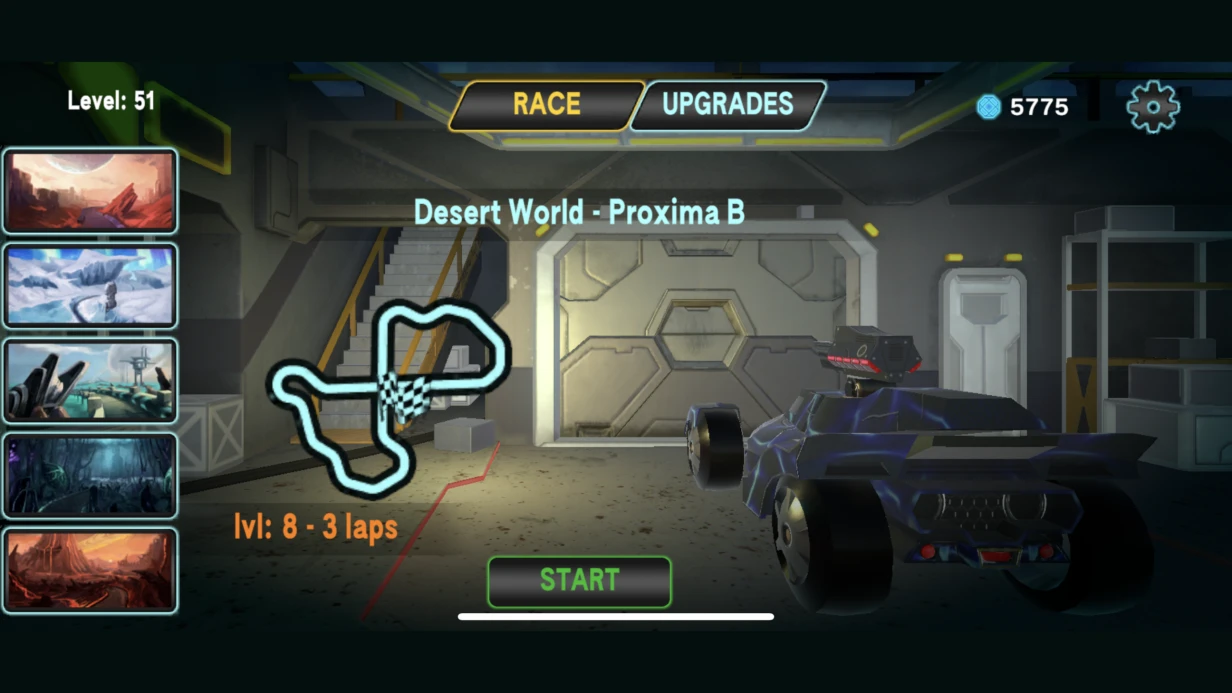
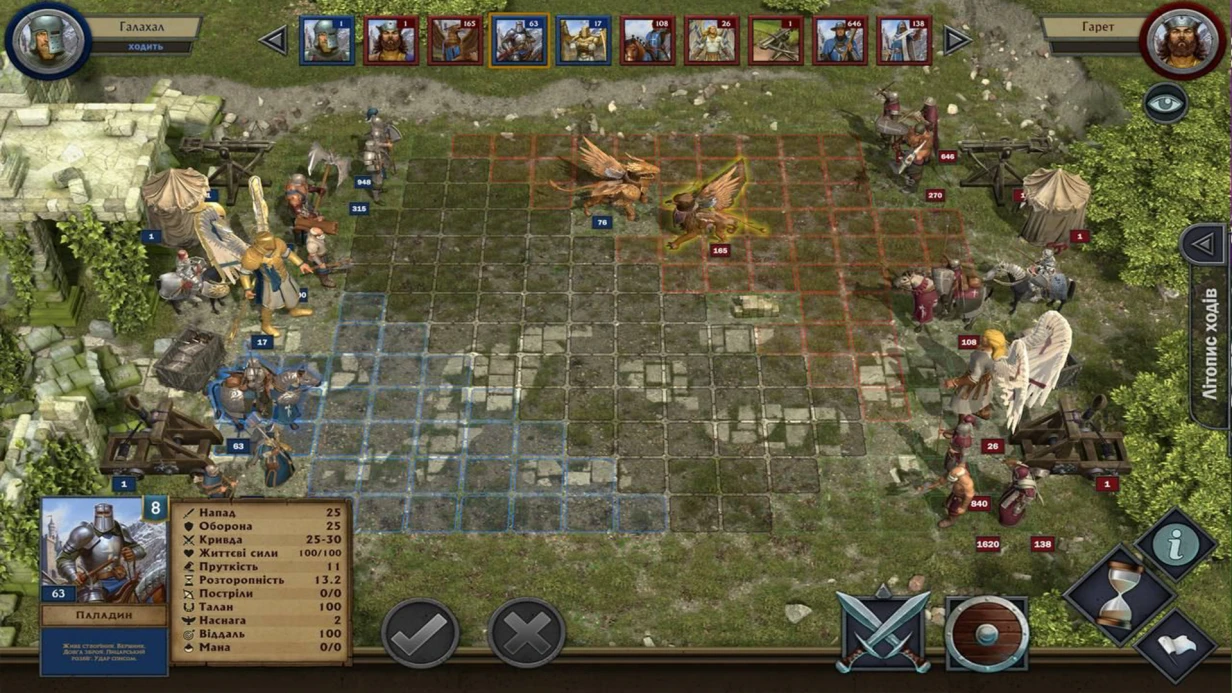
Examples of 3D models from the new build immediately changed how the game was perceived: screenshots started appearing on social media with no advertising at all, and testers noted the immersion effect. A month after the update, players began returning more often and spending more time in the game.
What Changed in the Numbers
Conversion from install to purchase increased by 40%, day-2 retention by 25%, and average session length grew from 4 to 7 minutes. These metrics directly impacted revenue: players make purchases more often and leave to competitors less.
Why It Worked
The secret is that 3D models in Bright-Fantasy style create an emotional connection with the world. Players want to explore locations, examine characters, and share their impressions.
That's why the investment in graphics paid off within two months, and the client came back to us with a new order for expansions.
How to Choose Bright-Fantasy for Your Project's Goals?
To choose Bright-Fantasy for your project's goals, start not with pictures but with questions: who your audience is, what devices people will play on, and what emotions the product should evoke.
A bright fairy-tale style works great when you need to attract a broad audience — from children to adults — is instantly readable, and creates a positive first impression. If your project is about coziness, adventure, and lightness, Bright-Fantasy will amplify recognition.
The next step is to define the style's intensity: from cartoonish with large shapes to more detailed fantasy with abundant decoration. The more detailed the world, the higher the cost of 3D models and the longer the development timeline.
That's why it's worth fixing a "ceiling" for detail with the team at the brief stage — this protects the budget and keeps the project on deadline.
Requirements for 3D models depend on genre and platform: casual mobile games need light, optimized models, while PC and consoles allow more polygons and effects.
At this stage, it's important to check how the chosen style fits the gameplay — for example, puzzles need readable objects, while platformers need fast animation.
A professional studio will advise where Bright-Fantasy strengthens game mechanics and where it's better to simplify the style for player comfort.
One more practical tip: before ordering a full set of models, request a test sample of a character or location in Bright-Fantasy. This way you'll see how the style fits your project, evaluate the level of detail, and only then approve the scope of work.
We use Unity to build prototypes, so we can show how finished 3D models behave in a real scene — with lighting and camera. This helps you make a decision without risk or unnecessary expense.
Frequently Asked Questions About Ordering 3D Models and Game Development
Clients often ask the same questions — about timelines, revisions, guarantees, and post-delivery support. We've collected answers to the main concerns so you understand in advance how the work is structured. Below — honestly and without complex jargon.
How long does it take to create a 3D model?
The timeline depends on task complexity: a single character takes 3–5 working days, a location or group of objects takes 8–12 days. For a full project, we set a calendar plan and deliver in stages. You always know where the work stands.
What if I don't like the result?
We send intermediate versions at every stage — from rough form to final detailing. Revisions within the original technical specification are made free of charge until you're satisfied. If the task changes drastically, we discuss a new timeline and scope separately.
What guarantees do you provide for game development?
The contract specifies timelines, stages, scope of revisions, and rights to the finished models. We use professional software and refined processes, so the project goes smoothly, and you get exactly what you approved.
Will you support the project after delivery?
Yes. After delivery, we stay in touch and help integrate the models into the game, fix bugs, and adapt to engine updates. You can also order further work — new characters, levels, mechanics — without looking for a new team.
Get a Free Consultation and Cost Estimate
Leave a request for a free consultation and cost estimate — and we'll get back to you with specifics for your project. We'll break down your 3D model development tasks in Bright-Fantasy style: from concept to final Unity integration. We'll show how the style affects game perception and which elements deserve detailed attention.
No empty phrases: every estimate is tailored to the task, with a cost breakdown and a step-by-step plan. This takes no more than 15 minutes but will save weeks of negotiations with contractors.
After your request, you receive:
- A free consultation on 3D model development in Bright-Fantasy — we'll explain which decisions will strengthen your game's visual recognition.
- A preliminary cost estimate by stage — no hidden extras, and clear even if it's your first time ordering development services.
- Examples of similar work from our portfolio in this exact style — you'll immediately see the execution quality and how models will fit into your project.
- Personal recommendations on team composition and tools: what to do in parallel, what to do sequentially, and what's better to skip.
- A clear action plan from brief to delivery of finished models, with deadlines and control points.
- Direct contact with the project manager and a no-obligation development request — you don't overpay for intermediaries.
You can contact us via the form on the website or in a messenger — we'll respond within one business day. Fill out the request, and by tomorrow you'll have a clear picture of the cost, timeline, and next steps.