

Game Prototyping: Validate Hypotheses in 1–7 Days
You've designed a mechanic with inertia-based movement and a combo system. On paper it looks brilliant, but the first playtest shows players just stand still. In a week, we turn your idea into a playable prototype that will reveal whether it's worth investing millions in full production. With 10+ years of experience and over 50 game projects (from indie to AAA), we've learned that 80% of ideas don't work as intended—so a prototype can save up to 70% of the full production budget (e.g., $35,000 on a $50k indie project).
What a Real Prototype Is
A prototype is a hypothesis validation tool, not a quick version of the game. Every prototype must answer a specific question: "Is controlling a character with inertia fun?" "Does a tactical pause in real-time work?" "Does the combo system feel satisfying?" Without a clear question, prototyping turns into early production—with proper architecture, beautiful assets, and a pile of untested features. As Wikipedia notes, prototyping reduces risk and allows rapid validation of an idea's viability.
Speed Over Code Purity
In a prototype, MonoBehaviour singletons are fine. Hardcoding numbers directly in a method is acceptable. if/else instead of a State Machine is okay. The goal is a playable vertical slice in 2–5 days, not architecting for years. This doesn't mean "write garbage." It means making conscious technical debt decisions: this hack is acceptable now because we'll discard the code after validation. Paper prototypes are better than digital ones by 10 times in speed and 100 times in cost.
Speed tools:
- Unity Prototype Kit (built-in primitives, ProBuilder for quick geometry)
- Kenney Assets and other placeholder libraries — free, neutral, don't distract with art
- DOTween — fast tweens without setting up Animator
- Odin Inspector — custom inspectors in minutes, speeds up designer iteration
Prototyping Tool Comparison
| Tool | Use Case | Cost |
|---|---|---|
| ProBuilder | Quick geometry, level art placeholder | Free (included in Unity) |
| DOTween | Fast animations for UI and movement | Free (Asset Store) |
| Kenney Assets | Placeholder art, icons, UI | Free (Creative Commons) |
| Odin Inspector | Custom inspectors, designer panels | Paid, $55 |
Types of Prototypes
| Prototype Type | Timeline | Goal |
|---|---|---|
| Paper prototype | 1–2 days | Validate logic and rules |
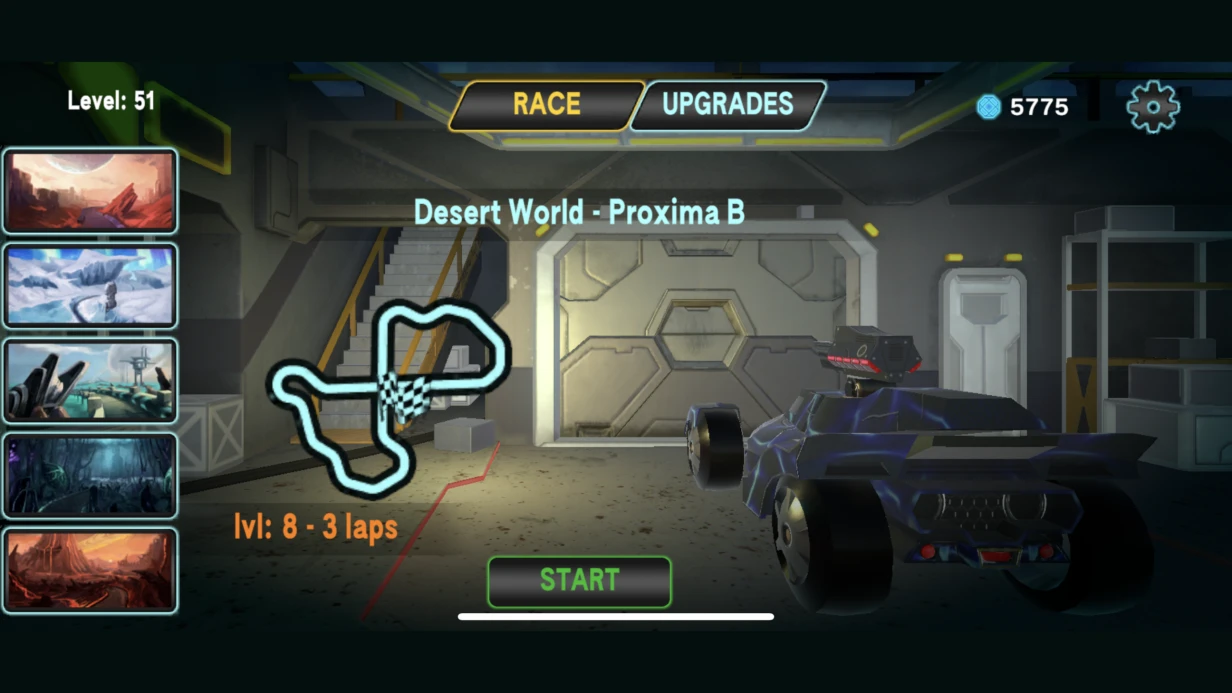
| Gameplay prototype | 3–7 days | Validate game feel |
| Technical prototype | 3–10 days | Validate feasibility |
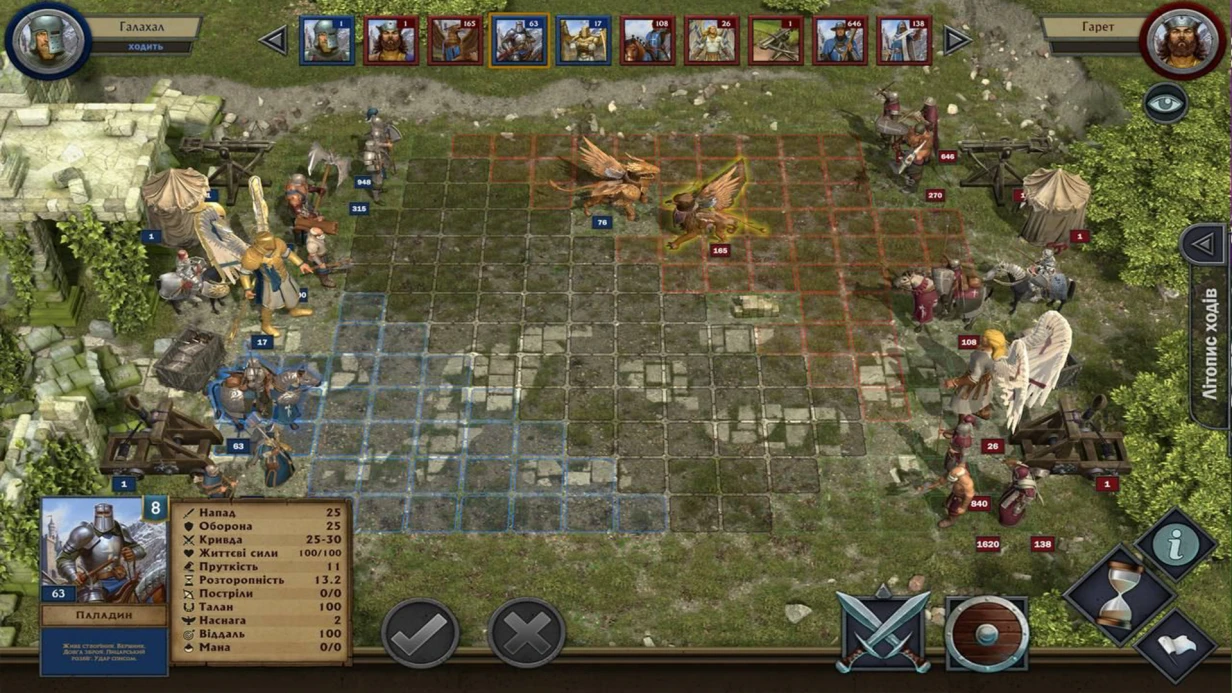
| Vertical slice | 2–4 weeks | Pitch to investors/ stakeholders |
How to Tell a Prototype from Early Production
A prototype lacks long-term architecture, is not optimized, and has no final art. Criteria: development time (up to 7 days), a complete gameplay loop, and no superfluous systems. If you find yourself spending more than a week designing class hierarchies, you're no longer prototyping.
Why Prototyping Saves Budget
Early detection of failing mechanics prevents spending on full production. We test a hypothesis in 1–7 days; if the idea doesn't work, you lose only a fraction of the budget. Savings can reach 70% of the project budget. For a typical indie game ($50k budget), that's up to $35,000 saved. For AAA, savings can exceed $100,000. Compared to full production without prototyping, a prototype is better by 70% in budget efficiency.
How We Build a Prototype: Step-by-Step
- Formulate the hypothesis. Define exactly what we're testing and the success criteria.
- Build the minimum. Only what's needed to answer the question. No "let's do it properly while we're at it."
- Playtest. 5–10 people from the target audience. Watch what they do—not what they say. Record gameplay sessions via OBS or Loom.
- Make a decision. Go → iterate → kill. The third option is a good result too. Better to know an idea fails in a week than in three months.
For example, on a recent project with a complex physics-based puzzle, our prototype exposed that the first level was too confusing for newcomers. The client saved ~60% of the animation budget (approximately $12,000) by redesigning the level before full production.
What a Prototype Doesn't Teach
A prototype doesn't show retention. "Fun for 10 minutes" doesn't mean "want to come back every day." Long-term engagement requires extended playtests with real users—a different stage. A prototype doesn't test scalability. A mechanic that works with 10 objects may fail with 1000. Technical feasibility is a separate question requiring its own technical prototype.
What's Included in Our Work
- Documentation: mechanic description, success criteria, playtest results.
- Reproducible builds: builds for iOS, Android, or PC (on request).
- Consultation: review of results and recommendations for next steps.
- We guarantee hypothesis validation within the agreed timeframe.
- Our team includes certified Unity and Unreal developers.
- Support: we answer questions about the prototype for one month after delivery.
Prototype Readiness Checklist
- Test question defined
- Minimal gameplay loop
- Playtest with 5+ participants
- Session recordings
- Decision (go/no-go)
Costs start from $500 (paper prototype) to $10,000 (vertical slice). We determine exact pricing after clarifying the prototype type and the specific mechanic to test. Get a consultation for your project: we'll discuss your hypothesis and propose the optimal prototyping format. Contact us to discuss the details.