

Clients leave the site if there are no HTML5 games
Visitors don't like to wait and scroll through boring pages. If there's nothing on the site that you can "touch," within 10-15 seconds they leave for competitors.
The problem isn't the design, but the lack of an engaging scenario — something that grabs attention and holds it.
When a person sees interactive content, their brain switches from "watching" to "participating," and that's a completely different level of interaction with your product.
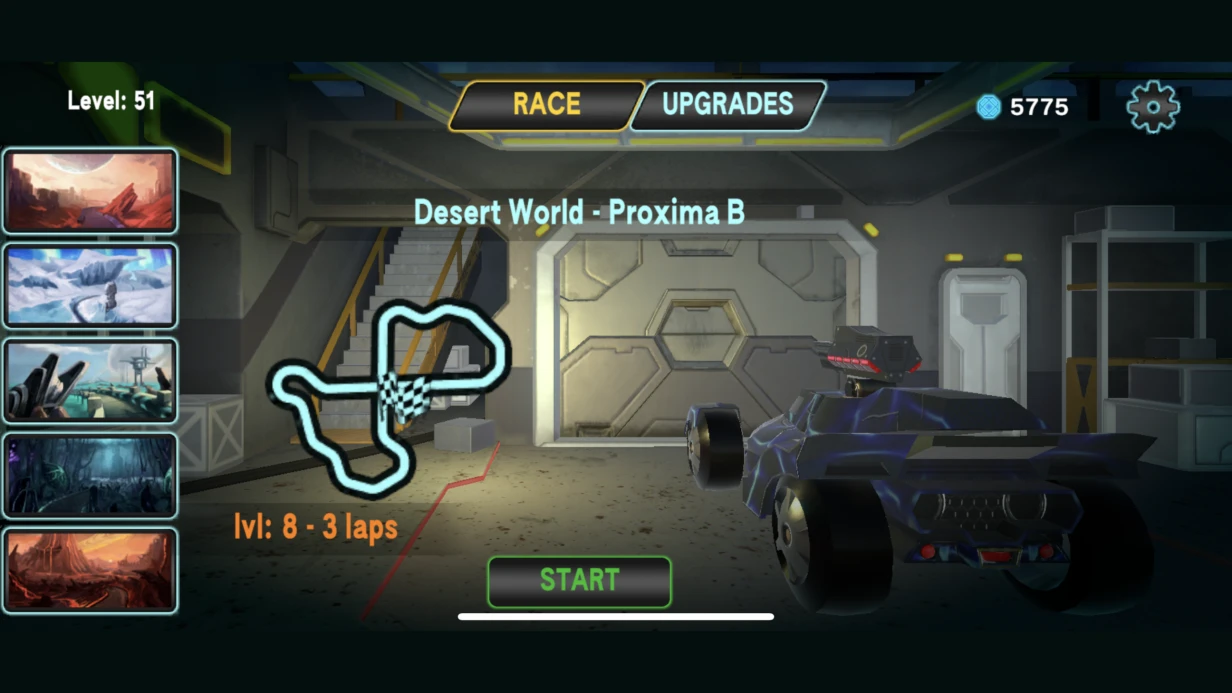
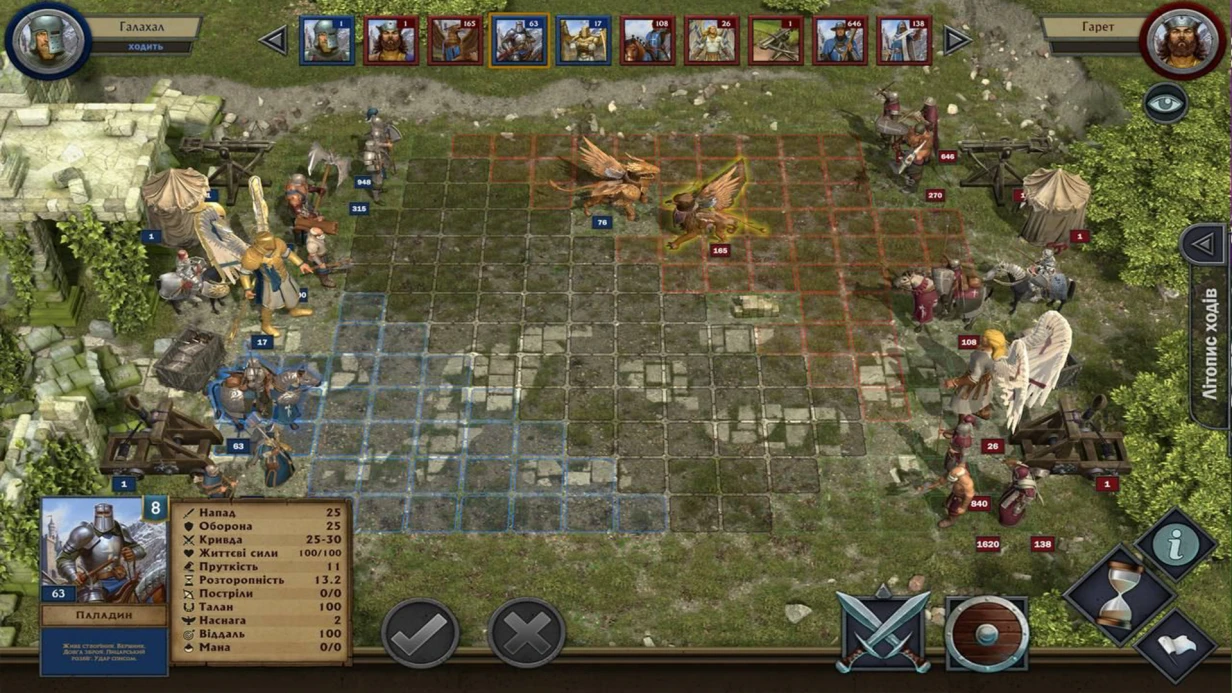
HTML5 games solve this problem. Lightweight browser games launch right in the browser window, without installation or registration. This is ready-made interactive content for your site that turns a passive viewer into an active participant.
The client doesn't just read the description — they play, get an emotional response, and remember your brand. This approach works even for complex products: instead of boring text about benefits — a short game that explains the value itself.
The practical result is client retention. While a user completes a level, collects bonuses, or answers questions, they stay on the site, learn more about the product, and reach the desired action.
These mechanics multiply time-on-page and increase the likelihood of lead submission. And if the player gets a result — points, a discount, or a prize — they share it on social media, attracting new visitors for free.
This interactive content requires no installation and works on any device — the visitor gets engaged instantly. We create HTML5 games for your business task and embed them into your site to make client retention a manageable metric.
Benefits of developing a game for business
A game for business is not just entertainment, but a tool that solves specific marketing tasks. Gamification turns ordinary brand interaction into an engaging scenario where every user step works toward your result.
Audience engagement is the first and main advantage. Game elements hold attention far longer than a static page or a regular video. The visitor doesn't watch from the sidelines — they participate, complete levels, earn points, and come back for more.
This increases time on site and reduces bounce rates, which directly impacts conversion and loyalty.
Lead generation is built directly into the game. Registration to continue a level, subscribing for bonuses, a promo code for completing a task — users leave their contacts voluntarily because they get value in return.
This approach gives you a base of warm leads without cold outreach or intrusive forms, which saves your advertising budget.
Brand awareness also grows thanks to the game. The storyline, characters, and visual style work as carriers of your brand identity.
Players share results on social media, invite friends, and discuss completed levels — this is organic reach that's hard to achieve with other online activities.
It's also worth mentioning return on investment. Unlike a one-off ad, a game keeps generating leads and mentions for months.
It can be updated, given seasonal challenges, and used across different channels: on the site, in email campaigns, at exhibitions, and in advertising campaigns.
Moreover, HTML5 games work in any browser without installing apps. This means both smartphone owners and desktop users can complete the mechanics — with no technical barriers.
You get a ready-made client acquisition tool that launches quickly and integrates easily into your company's current processes.
The bottom line is simple: a game for business is an investment in engagement, brand awareness, and a steady flow of leads. You get not a game for the sake of a game, but a measurable marketing asset that delivers results and pays off in the long run.
Development formats: from a simple game to a full-scale project
Different business tasks require different solutions: sometimes a short mechanic is enough to engage a visitor at a booth, and sometimes you need a full-fledged game with progression and monetization that keeps users engaged for weeks.
We work in three main formats — from a lightweight HTML5 game to a comprehensive turnkey project — and each one addresses a specific client objective.
The table below shows three standard formats. It will help you get oriented on which option fits your task, even before calling a developer.
| Game format | Who it's for | What it gives the client |
|---|---|---|
| Lightweight HTML5 game (2–3 minute mechanic) | Event managers, brands for promotions and giveaways | Fast launch in 1–2 weeks, viral reach on social media, collection of participant contacts |
| Medium format (7–15 minutes of gameplay) | Marketing directors, promo campaigns and contests | Deep engagement, repeat visits, branding and personalized offers for the player |
| Comprehensive turnkey game (levels, rewards, progression) | Business owners, long-term projects and proprietary products | Full-fledged product with achievement system, player behavior analytics, and monetization capability |
In all formats, we handle the full cycle: from concept and scenario to development, testing, and launch.
For lightweight games, this means tight deadlines and a minimal budget; for comprehensive ones — phased work with intermediate results and the ability to adjust mechanics along the way.
The key is not to "buy a game," but to solve a business problem: attract attention, retain an audience, or increase revenue. That's why at the start we match the format to your goal and audience, not the other way around.
If you're unsure where to begin — we'll conduct a short audit and propose the best option with clear timelines and budget. An HTML5 game launches in the browser without installation, so reach begins with the first click on the link.
Stages of game creation: from brief to launch
To order a game, you don't need to understand development — you need a clear process where you control timelines and budget. We've structured the work so that every stage is transparent: you always know what's happening and when you'll get the result.
As a result, you don't wait for a "secret" release — you walk the path from brief to launch together with us.
- Brief and immersion. We gather the task: goals, audience, platform, expectations for the game. We immerse ourselves in your business so the mechanic solves marketing tasks rather than just being "interesting."
- Prototype. We prepare a minimal version of the mechanic. You see how the game looks and feels before making serious investments in development. This lets you fix the key things before the main production starts.
- Concept approval. We approve the gameplay, visual style, and monetization structure. We lock in timelines and scope of work — you get a clear plan with no hidden stages or surprises.
- Development. We create the full version of the game: interfaces, levels, graphics, sound, and logic. We work in HTML5 — which means the game launches in the browser without installation, on any of your users' devices.
- Testing. We check all the mechanics in real scenarios: looking for bugs, awkward moments, and "weak" spots in player retention. You get a stable product with no teething issues at launch.
- Launch and integration. We place the game on your platform or website, connect the required analytics and payment tools. Users get a working product on the day of release.
- Support and growth. We collect data on player behavior and propose updates — new levels, events, balance changes. You're not left with an abandoned product; you grow it together with us.
At every stage you receive an intermediate result for approval — we don't disappear into the work for months; we keep you informed. This approach lets you manage the project without special technical experience and adjust course in time.
In the end, you get a game that actually works toward your business goals, not just one "built to a technical specification."
What's included in the game delivery package
After development is complete, you receive not just a game, but a complete development package: source code, rights, documentation, and instructions. Everything is delivered properly documented, so you remain the sole owner of the product and are not dependent on the contractor.
- Game source code — complete and structured. Hand it to another team, refine it yourself, or grow it without any dependency on us.
- Exclusive rights to the game — legally assigned to you. You are free to monetize, publish, and modify the product.
- Technical documentation — clear architecture and settings. A new employee will quickly get up to speed on the project.
- Operation manual — how to update content, run seasonal events, and change balance. No need to call a developer for every small detail.
- Publication materials — descriptions, keywords, and graphics for app stores and advertising. Everything is ready for launch.
- HTML5 build — works in the browser on desktops, tablets, and smartphones. No installation, no device restrictions.
This package removes the main risk: you're not hostage to a single contractor. After handover you have everything — from rights to instructions — to grow the product and control quality. Want us to support it? We'll do that. Don't want to? You work independently.
Case study: how a game increased conversion by 30%
One of our clients — a fitness club chain — faced a typical problem: the site received a lot of traffic, but visitors didn't stay. People looked at the pricing page and left without submitting a request. We needed to hold their attention and gently guide them toward contact.
We proposed developing a hybrid-casual HTML5 game — a short workout simulator that runs right in the browser, without installing any apps. In 2–3 minutes, the user puts together their program, sees the result, and gets an offer to book a free first session.
The results showed that the game is not entertainment, but a sales tool. Average time on site tripled, and conversion to lead submissions increased by 30%. Meanwhile, every tenth session ended in registration — for the fitness services market, that's noticeably above average.
our team has been working with this approach for more than one project: gameplay mechanics solve a business problem rather than just entertaining the visitor. After this, the client ordered two more mini-games from us for promo campaigns.
This example shows how an HTML5 game can turn an ordinary website into a tool that retains users and generates leads. If you have a similar task — we'll send you a demo version of a solution for your industry.
How to choose an HTML5 game for your task?
There's no universal HTML5 game — there's a game that solves your specific task. That's why the first thing we do is not draw a prototype, but find out what result you need: attract traffic, hold attention, collect contacts, increase loyalty, or simply surprise guests. The mechanic, complexity, and duration of the game all depend on that.
The second criterion is the audience. A game for a broad advertising campaign must be understandable within the first seconds and run on any device: smartphone, tablet, or laptop.
A game for regular customers or closed-event participants can be deeper, with levels, story, and rewards. We look at who your users are, where they play, and how much time they're willing to spend.
The third factor is budget and timeline. A simple one-screen mechanic launches in a few weeks; a large-scale quest takes several months. We'll honestly tell you what's realistic within your constraints and propose a format that delivers maximum return without overpaying.
In our practice, a promo game with a short cycle can bring greater reach than an expensive simulator with long development.
For over 10 years, we've selected and created HTML5 games for a wide variety of tasks — from mass promotions to corporate events.
You don't need to understand development: we'll propose 2–3 options ourselves, describe the pros of each, and help you choose the one that delivers measurable results — higher engagement, more repeat plays, or more lead submissions.
Come for a consultation — we'll discuss your goals, review your audience, and show which game format will work specifically in your case. Choose wisely, and we'll handle the implementation.
Frequently asked questions about game development
Before ordering game development, every client has the same questions: how long will it take, how much will it cost, and what happens after launch. Here are answers to the main ones — short and to the point, so you can make a decision without unnecessary doubt.
How long does game development take?
It all depends on complexity and scope. We're ready to release a simple casual game turnkey in 2–4 weeks, and a richer mechanic in 1.5–2 months. At the start, we lock in timelines in the contract and agree on stages so you can see progress and influence the process.
How much does game development cost?
The cost is based on the tasks that need to be solved: the number of levels, graphics, animation, integration with your bonus system, or data collection.
After the brief, we provide the exact cost, and it doesn't change during the process — no "unforeseen surcharges." You pay for the result, not for hours.
What guarantees do you provide?
The main guarantee is legal. We sign a contract that specifies all stages, timelines, and obligations of both parties. You receive the source code and rights to the game, and the final payment is made only after you accept the project and confirm everything works. Until that point, we make revisions free of charge.
What happens after the game launches?
We don't abandon the project at launch. After release, we set up monitoring, track stability and performance, and you get clear numbers: how many people are playing, how long they stay in the game, and how active they are. Optionally, we grow the game — adding levels, events, and mechanics that increase player retention.
Leave a request for game development
Ordering a game isn't a gamble when the process is transparent. We understand: for a business owner, deadlines, budget, and a clear result matter.
That's why we've turned custom development into a checklist: you get a game that retains users, generates revenue, and works for your brand.
Here's what you get after submitting a request:
- Fixed timelines and price — before work starts, with no hidden stages or "add-ons along the way."
- A project producer — one person who answers all questions and sends weekly reports.
- Checkpoints — you see progress through demo versions, not just at the end.
- Technical support after launch — we stay nearby if something goes wrong.
- Full rights to the game, source code, and branding — you own the product.
- Room to grow: new levels, monetization, integration with your site — anytime.
How to start the project: leave a request for a game, and we'll schedule a short call. We'll ask 5–6 questions about your audience and goal, and within 2 days we'll send you the concept and a cost estimate with a fixed price. If everything looks good — approve the plan and we'll begin development.
We don't take prepayment for an "idea," and we don't push unnecessary work. The estimate includes only what moves you toward your business goal. Write to us — we'll start with a free discussion of your task.