


Clients Are Switching to Competitors Because of the Lack of a Game on macOS
Many game studio owners treat macOS as a secondary platform and focus only on mobile devices or Windows. But this seemingly minor detail is quietly eating into your profits: Mac users are a solvent audience that is willing to pay for a quality product.
When your game is not available on macOS, they simply move to competitors, and you lose not one or two players but an entire market segment.
Not having your game on macOS means not only missed sales but also lower brand awareness. Players discuss new releases on social media, recommend them to friends, and build communities. If you are not on their platform, you are not part of their conversations.
Over time, this turns into a lasting reputation of a studio that “doesn’t work well” with Mac, and winning such players back later is difficult and expensive.
Adapting a game for macOS is not just a technical port. It is an opportunity to expand your reach, add cross-platform sessions, and retain users who use multiple devices.
Players appreciate when progress and purchases are synchronized between iPhone and Mac, and they are willing to come back for that. Every adapted game opens a new sales channel without serious marketing spend—the audience already exists, you just need to give them the product.
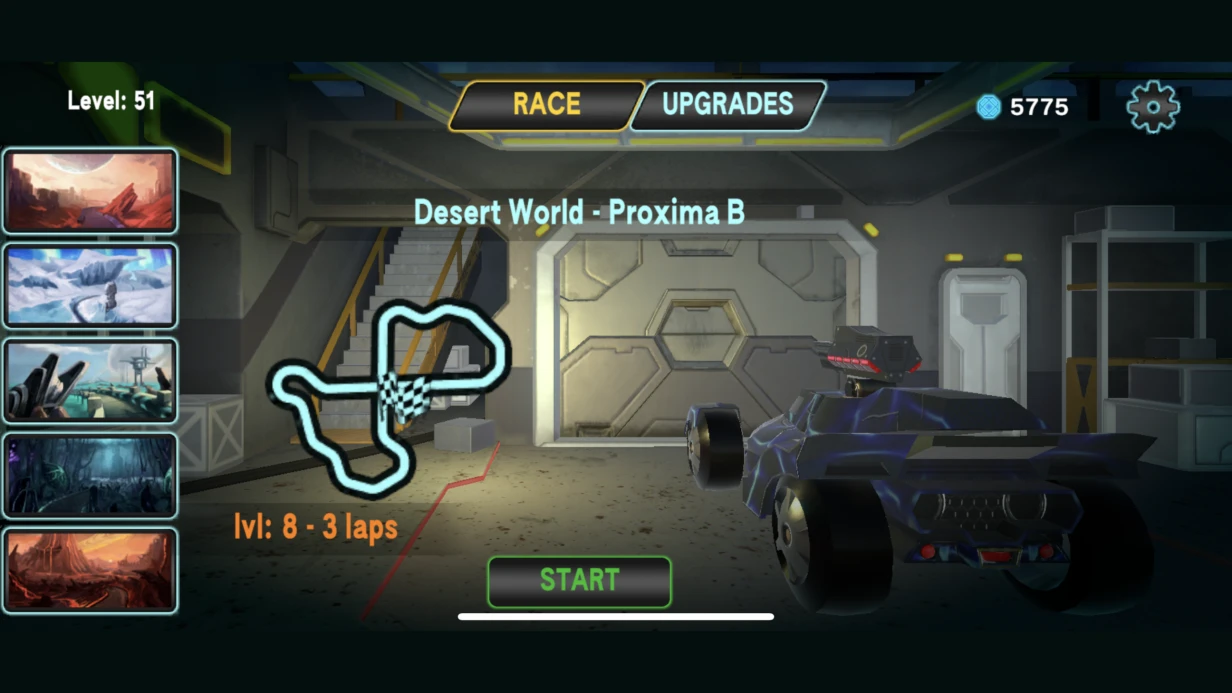
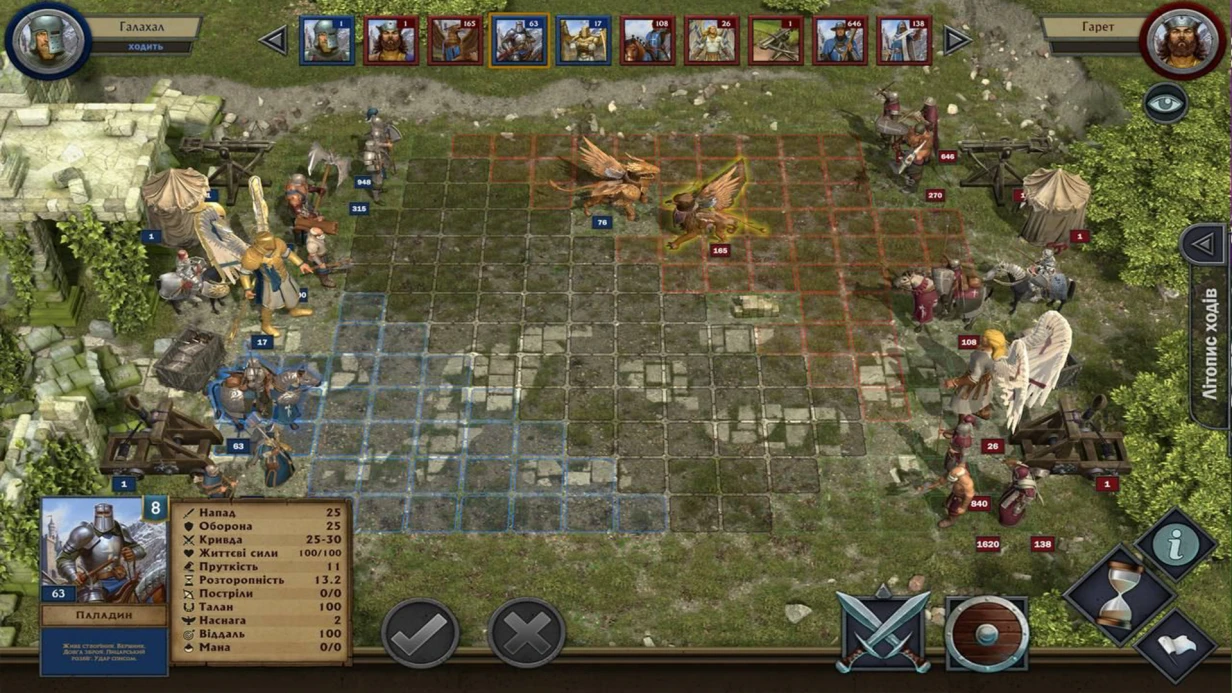
We specialize in adapting hybrid-casual games for macOS and do it so that you get to profit faster instead of dealing with technical details. We handle the entire process: from compatibility assessment to the final release in the required stores.
You get a game that runs stably, preserves all mechanics and monetization, and you don’t waste time on internal development.
The bottom line is simple: while your game is unavailable on macOS, competitors are taking your audience and your revenue. Close that gap, and you will not only win back lost players but also attract new ones who are looking for quality games for Mac.
Start with a free consultation—we will assess your game’s potential and show you exactly what income you are missing right now.
What Benefits You Get from Game Development
A macOS game is not entertainment; it is a working marketing tool that delivers measurable benefits: from increased reach to a new monetization point. Our team builds hybrid-casual games so they solve business tasks, not just get downloaded.
Here is a list of the key benefits you receive:
- Audience reach growth. macOS users are a solvent audience that is hard to attract with ordinary advertising. A game brings you into their field of attention and works as a 24/7 brand carrier.
- Engagement and retention. The hybrid-casual format holds attention for 3–5 minutes per session, and well-designed mechanics bring players back. Every interaction strengthens the connection with the brand.
- Monetization. The game promotes the product and generates revenue at the same time: ads, in-game purchases, subscriptions. You get a new profit channel without additional spending on user acquisition.
- Brand recognition. Viral mechanics and the desire to share results turn every player into a brand ambassador. People remember your brand emotionally—this works better than a banner.
The benefits of games for macOS are obvious: audience reach, monetization, and a strong brand connection. Such an asset keeps working for you even after launch. Want to check if a game fits your niche? Come to a free consultation—we will review your scenario.
Hybrid-Casual Game Formats for macOS
Which game format should you choose so it works for your business rather than just “exists”? Hybrid-casual games for macOS combine an easy entry point with deep mechanics that keep players engaged for weeks.
The format determines how quickly you see results, how stable the monetization will be, and how many users return tomorrow.
Below is a comparison table of the key formats, focused on your benefit.
| Format | Goal | Features | Suitable for which business |
|---|---|---|---|
| Arcade | Fast entry and high reach | Short sessions, intuitive controls, instant response to actions | Brands that need mass recognition and viral potential |
| Puzzle | Audience retention | Levels, increasing difficulty, daily rewards | Services and apps where regular user activity matters |
| Merge and craft | Deep engagement | Item combining, game world progression, long meta | Products with long customer lifetime value and repeat purchases |
| Clicker and tapper | Simple monetization | Minimal actions, quick rewards, ad integrations | Media and promo campaigns that need high contact frequency |
macOS is a separate audience: Mac users are used to paying for quality and are less likely to leave because of technical issues. A game built specifically for this platform sets you apart from competitors who limit themselves to mobile versions.
We will choose the format that fits your business goal and design the right balance between engagement and monetization.
You don’t need to understand game mechanics—we will package them into a solution that delivers measurable results: higher retention, more time in the product, and more repeat visits.
End-to-End Game Development Stages
End-to-end game development is a process that requires a clear plan and predictable agreements. We have structured our work so that you see results at every stage and understand what happens next. No surprises: just consistent steps from brief to release and support.
-
Brief and task analysis. We dive into your business context: who your clients are, what role the game should play in the funnel, and what goals you set. We define success criteria so we can objectively evaluate the result later.
-
Concept and prototype development. We create the game mechanics, visual style, and project economy. We show you a prototype—a minimal version of the game that you can “feel.” This allows you to test the idea before full development and avoid expensive mistakes.
-
Technical specification and plan approval. After the concept is approved, we document the full scope of work, timelines, stages, and cost in a clear document. You get a transparent plan, and we get clear agreements that protect both sides.
-
Production and regular intermediate builds. Development is iterative: every 2–4 weeks you see a working build and can make changes. This lets you manage the process without waiting for the final version. Changes at this stage are cheap to make—before the game is fully assembled.
-
Testing and release preparation. We thoroughly check stability, balance, and usability. We prepare everything for publication: title, description, screenshots, trailer. You enter the market with a quality product, not a raw build.
-
Release and launch. We publish the game in the selected app stores, provide technical support during the launch, and make sure everything goes smoothly. You get a working product ready for your users.
-
Post-release support and development. After the launch, we analyze player behavior, fix bugs, and add content that improves retention and revenue. The game keeps evolving, and you can see its contribution to your business.
What’s Included in a Game Project Handover
You don’t get “source files” only—you get a finished product that can be released, developed, and monetized. We put together a complete package of deliverables so that you can control quality, make changes, and attract new users without depending on specific contractors.
Here is exactly what is included:
- Working macOS application—a built version of the game that runs on Mac and is ready for publication. You get a product, not a pile of abstract files.
- Art and graphics—all visual elements: from the icon to the interface. You don’t need to find a designer to change a button or add a new screen—everything is delivered in source, editable formats.
- Clear technical documentation—a description of the architecture, logic, and how the project is organized. This removes the risk of “losing knowledge” when the team changes and makes it easy to hand the project over to your specialists.
- Configured analytics system—reports on key player actions, retention, and revenue. You see which mechanics work and can improve the game based on data, not guesses.
- Campaign launch tools—links for user acquisition, settings for ad networks, and performance data. This speeds up the product’s market entry and accelerates return on investment.
- Final recommendations—what to improve, which monetization formats to implement first, and how to scale the project. You get an action plan for the coming months, not just a “box with a product.”
The entire package is handed over with acceptance documents and remains your property. You understand how every part of the game works and can make informed decisions about its development.
If needed, our team stays available to help with improvements and launch—but we don’t create dependency.
Case Study: How We Launched a Game and Got 100,000 Downloads
We worked with a publisher that was launching a hybrid-casual game for macOS. Before us, the project had already missed deadlines twice: the team didn’t see transparent analytics, didn’t understand where users came from, or what made them stay. A typical situation—when money is already invested, but the result can’t be measured.
The task was simple: a stable release and downloads that pay back development. We handled the full cycle—from macOS optimization to setting up event analytics.
We assembled a team that had already launched similar games, so we didn’t waste time getting up to speed: we immediately focused on the first levels and the moments where a player decides whether to keep playing.
What Changed for the Business
In the first two months, the game reached 100,000 downloads—the plan was exceeded by a third. The average session length grew by 1.5 times, and the share of players returning in the second week was 40% higher than in the publisher’s previous project.
Analytics showed which channels brought the most loyal users. The client reallocated their promotion budget and tripled the return on advertising investment. Six months later, the publisher ordered the next game—without a tender, based on the confirmed results.
This effect comes not from luck but from systematic work with data: we didn’t just release a game; we made sure every unit of advertising budget worked for player retention. That is ultimately what pays back development—and makes our product predictable for investors.
How to Choose a Game Format for Your Audience?
The right game format is not a matter of taste but of matching your business goal and the profile of your future players. The same app can bring a million installs or go unnoticed—depending on how accurately the genre, mechanics, and retention model fit your audience.
Casual games solve the task of mass reach: they are easy to learn, start with one screen, and require almost no training.
Hybrid-casual games add depth to that simplicity—character progression, economy, meta-progression—so they retain players longer and bring them back more willingly. Hardcore projects, on the other hand, target a narrow but highly engaged audience. Choosing between them is a choice between funnel width and monetization depth.
For a macOS audience, it’s important to consider platform habits: users often play during breaks between tasks, value quick entry, and appreciate the ability to play without commitment.
Hybrid-casual mechanics work especially well here—they give a sense of achievement in a short session while keeping interest alive for weeks and months.
Our process starts with analyzing your target audience and project goals: what install volume you need, how long you want to retain players, and which metrics matter.
Based on that, we propose a specific format instead of just “making a game.” This approach ensures you don’t overpay for unnecessary mechanics or lose audience because the entry barrier is too high.
If you don’t yet know which format is right, that’s normal. We’ll do a short review of your idea and audience, suggest 2–3 options with forecasts for reach and retention, and you can make a decision based on facts, not guesses.
Answers to Common Development Questions
Before a project starts, clients have the same doubts: timelines, guarantees, compatibility, and App Store publishing. We answer them directly and to the point—based on our experience and real projects, not theory.
What are the game development timelines?
It depends on the scope: a prototype takes 2–4 weeks, a full game takes 2–5 months. Timelines and stages are fixed in the contract; you see a clear schedule and understand when the game will be ready for launch.
What guarantees do you provide?
You accept the work in stages—you see the result and pay after each step. After the release, there is a warranty period: we fix bugs for free and bring the game to a stable state.
Will the game work on all Macs?
We test on current macOS versions and different configurations—from basic laptops to powerful workstations. That’s why the game runs without failures and looks correct on any screen.
Will you help with publishing?
Yes. We prepare all materials for the App Store, design the app page, pass moderation, and support updates after the release.
If you still have questions—leave a request, and we’ll discuss the details and calculate timelines for your project.Start Game Development Today
Leave a request, and we will contact you soon to discuss your idea. You don’t need to understand the technical details: we will translate your goal into development terms and propose a clear plan with estimated timelines and cost. The consultation is free and comes with no obligations.
Starting with us is a short list of steps, and each one brings you closer to the result:
- Request. You leave your contacts on the website or in the online chat—that’s enough for the first step. We reply within one business day.
- Free consultation. We clarify who the game is for, what tasks it should solve, and which mechanics to choose. You get an honest expert assessment of your idea.
- Plan and estimate. We prepare a preliminary project map: stages, timelines, team, and a budget reference point. You see the full scope before the start, not after.
- Contract and scope agreement. We agree on the details and fix the tasks and cost in the contract. No “surprise” extra payments or vague commitments.
- Project kickoff. We assemble a team for your task, start the process, and regularly show intermediate results at every stage.
That way, you get a clear beginning to your macOS game development without risking wasted time and money. Leave a request today—and we’ll handle the organization of the process and help you take the project all the way to release.