

Why Your Game Doesn't Take Off: The Pain of iOS Development
Your game launches on the App Store, but downloads are few, and those who do install it quickly delete it. Sound familiar?
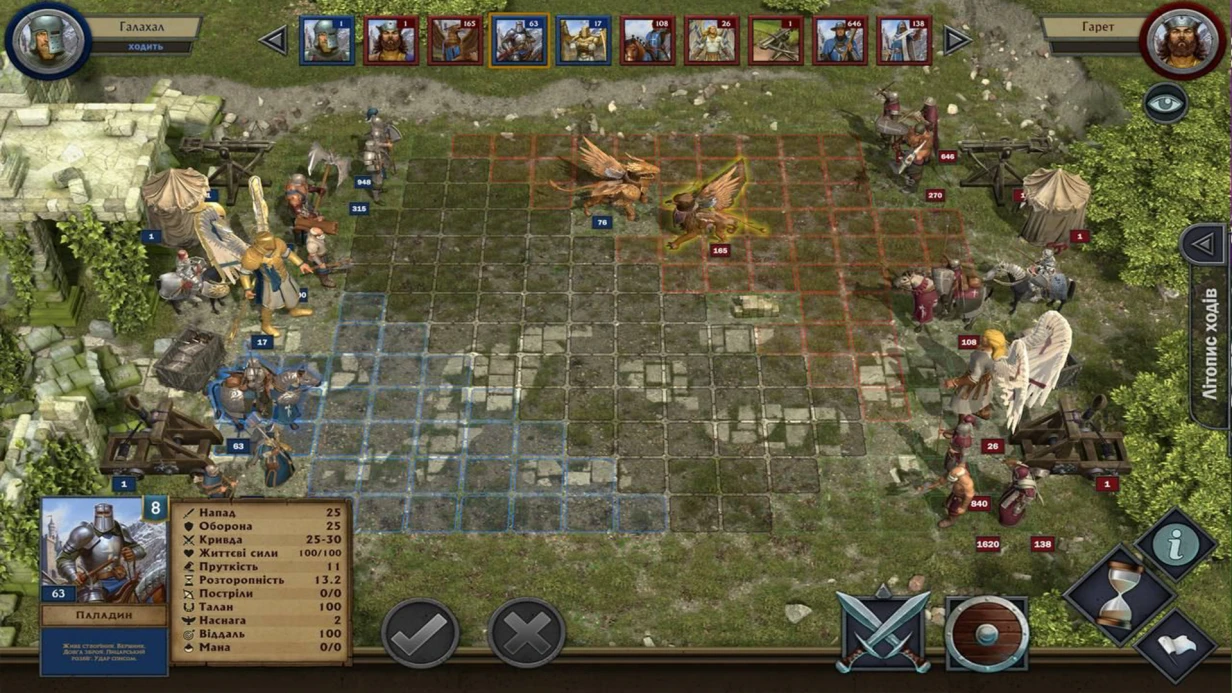
Most failures happen not because of “bad graphics” but because of weak game mechanics: the puzzle doesn't hook players from the first minutes, there is no clear goal, and the user doesn't understand why they should come back tomorrow.
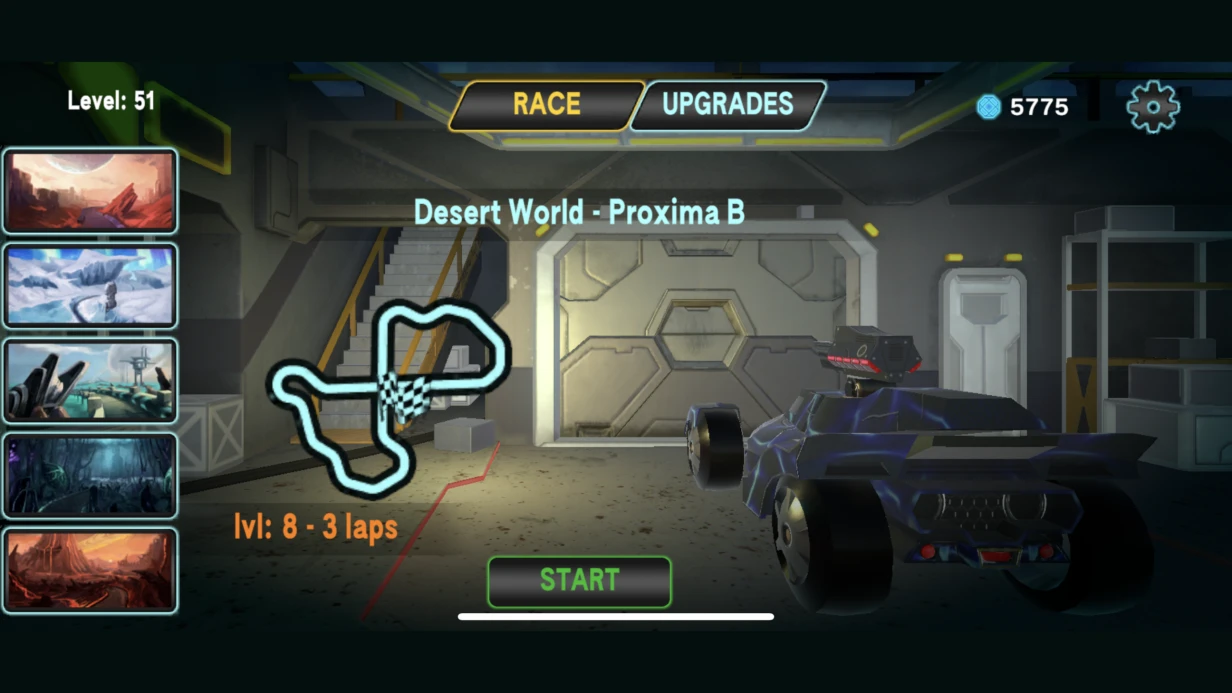
iOS game development is not just programming—it's designing an experience that holds attention. Mobile puzzles show the best results here: short sessions, a natural desire to play a level again, and built-in progression mechanics.
This format engages an audience without aggressive advertising and increases conversion to installs—people return on their own and bring their friends.
The problem is that the client often gets “just what was agreed on”: no target audience analysis, no difficulty balancing, no motivation system. As a result, players complete the first level, give up on the fifth, and no one makes in-app purchases. The entire marketing campaign loses value because the product itself doesn't meet the user's need.
We solve this: we develop mobile puzzles for iOS, starting with understanding your audience and ending with post-release support. We design the game so that it retains players, creates the desire to keep playing, and consistently delivers conversion to installs and revenue. The result is not just an app in the store, but a tool that solves your business objectives.
What You Get from Professional Game Development
Professional game development is not just a technical product, but a full-fledged business tool. You get not a set of code, but a system that solves specific tasks: retains players, attracts new audiences, and generates profit.
First — player retention. Puzzles and match-3 games are designed for long-term engagement: thoughtful progression, daily activities, and login rewards. People come back to the game again and again, and with that, the value of each install grows. A steadily returning audience is the foundation on which the entire product economy is built.
Second — virality. Friendly competition mechanics, shared records, and gifts motivate players to share results on social networks and messengers. Every active user brings two or three new ones, and reach grows without additional advertising spend. For business, this is an organic acquisition channel that works continuously.
Third — monetization. A well-structured system of in-app purchases and advertising turns user interest into steady revenue. We balance the experience so that offers are relevant and unobtrusive, and players actually want to pay. As a result, the game pays for itself and brings regular profit.
Fourth — brand recognition. A game with a unique style, characters, and story creates an emotional connection with the audience. Every level, every victory works toward making your name memorable. Users become brand advocates and come back for your future products.
These four benefits are built in at the design stage. That's why you get not just a game, but a working tool for growing reach, loyalty, and revenue.
Puzzle and Match-3 Formats for iOS: Find Yours
iOS users are used to apps that engage from the first second: easy onboarding, clear rules, and quick results. Casual puzzles and Match-3 games meet this need better than anything else—people start playing without instructions and come back again.
For business, this means predictable audience growth, high retention, and multiple revenue streams: ads, purchases, subscriptions.
But “just a puzzle” doesn't work—the format determines what task the game solves: retention, reach, or long-term monetization. The table below will help you find your bearings and choose a format for your business goal.
Comparison of Puzzle Formats for iOS
| Format | For Whom | What It Gives the Client |
|---|---|---|
| Classic Match-3 | Brands and services with a mass audience | Clear rules, high retention, stable monetization through ads and in-app purchases |
| Physics-based puzzles | Those who want to surprise and stand out | Virality, memorable product image, free reach through player photos and videos |
| Logic puzzles (words, numbers) | Projects for audiences 35+ and B2B services | Long sessions, loyal users, low competition in the niche |
| Hybrids: Match-3 + story | Products with a long-term strategy | Increased time in game, repeat orders, strong community around the product |
Choosing a format is not a technical decision, but a strategic one. If you need maximum reach and virality—look toward physics. If a daily active audience matters—go classic Match-3. If you plan to retain users for years—take a hybrid.
We'll help you connect the format to your task: as early as the concept stage, we'll calculate sessions, retention, and revenue model. We'll select a solution that delivers results, not just nice graphics.
Stages of Turnkey iOS Game Development
The entire turnkey iOS game development process is designed to keep you informed at every step: from the first idea to release and further updates.
We work on a transparent scheme with fixed stages, so you always know what's happening, how much it costs, and when the result will be ready.
-
Game development brief. We collect your goals, tasks, and expectations: who the target audience is, how the game should generate profit, and which mechanics are important. The output is a clear document that becomes the foundation of the entire project.
-
Concept and project approval. We propose game mechanics, visual style, level structure, and a monetization model. You see the description and mockups, make changes, and we approve the final concept before development begins.
-
Prototype creation. We build a working version with the core mechanics so you can “try out” the game. This removes risks: you immediately see whether the game is fun and whether it meets expectations.
-
Development and content production. We implement all the planned mechanics, create graphics, configure sound, and build levels. You receive intermediate builds and can evaluate progress at any time.
-
Testing and polishing. We test the game on different devices, fix bugs, and fine-tune difficulty and player “retention”. It's important that the first sessions are clear and engaging.
-
App Store launch. We prepare all the necessary materials: texts, screenshots, and a trailer. We pass moderation and publish the game—you get the download link and the first player reviews.
-
Post-release support and growth. We monitor metrics, analyze player behavior, and update content: new levels, events, improvements. The game keeps working for your business after launch instead of becoming a forgotten project.
At each stage, you receive clear artifacts—documents, builds, reports—that confirm the result. This approach helps avoid surprises and makes the process predictable for your team.
What's Included in the Game Project Deliverables
When you order a puzzle or Match-3 game for iOS, it's important to understand exactly what you get at the end.
This isn't just about a “finished game in the App Store”—it's about a complete set of deliverables you can work with going forward: update them, hand them to your team, attract investors, or use them for marketing.
Below is the project handover checklist that we include in the contract. It answers the question “what's included in development” and protects your interests at every stage.
- Concept and game design — a description of mechanics, currencies, levels, and economy that is clear to producers, artists, and you as the product owner.
- Technical specification and level scenarios — a detailed plan of interfaces, animations, and sound, approved before production begins. This is the basis for estimating timelines and budget.
- Playable prototype — the first working build of the puzzle on iOS. Already at this stage, you can see whether this is the game players will keep returning to.
- Complete game content — a set of levels, characters, visual effects, and audio. Everything that shapes user experience and retention.
- Source materials and project code — all documentation, resources, and source code so you are not tied to a single contractor.
- iOS build and publication setup — a ready build, developer account, and step-by-step instructions for releasing in the App Store.
- Analytics dashboard — tools for tracking retention, in-app purchases, and level completion. You see the numbers and make decisions based on data, not guesses.
- Final report and training for your team — knowledge transfer on how to update content, run game events, and support the game after release.
This package is not just files. It's your asset: you can scale the project, change contractors, or raise investment at any time, with a complete and up-to-date foundation in hand.
Case Study: How Our iOS Puzzle Attracted 500,000 Players
To show how we work, nothing speaks better than a real game development case study. Our team created an iOS puzzle that gained 500,000 installs in six months and made it to the top of the App Store in its genre. This isn't just “we made an app”—it's the full cycle: from idea to metrics that deliver profit.
The puzzle market is oversaturated: the task was to stand out among thousands of similar puzzle games. We built mechanics that hook from the first minute, refined level progression, and embedded analytics from the start. Every decision—ads, updates, promotions—was based on player behavior data, not guesses.
Project Numbers
The results speak for themselves. In the first six months, the game received 500,000 installs, and the day-one return rate was 42%. After 30 days, 13% of players came back—a high metric for puzzles.
The average session lasted about six minutes, so ads reliably generated revenue, and organic traffic grew to 55% of all installs.
For us, the main thing is a successful game that solves the owner's business problem. After the release, the client came back and ordered a second game in the same genre. We continue to support the project: updates, seasonal events, analytics. These metrics can be repeated—if you take care of them at every stage of development.
How to Choose a Puzzle Genre for Your Business?
Choosing a puzzle genre for iOS starts not with trendy fads, but with your business goals. If the task is to quickly build an audience and get regular in-game sales, simple Match-3 mechanics with short sessions are a good fit.
If you need to retain users for months and build long-term relationships with a brand, it's better to look toward story-driven puzzles and hybrid formats with collection elements.
Choosing a format is a compromise between development cost, expected payback period, and your audience's behavior.
What should you look at first? The player journey: how much time they spend in the app, how often they return, and what motivates them to pay. For a casual audience, easy onboarding and quick progress satisfaction are key—classic “match-three” games win here.
For more engaged users, puzzles with a meta-game work better: they have higher retention and average revenue per active player, but they're also more complex to develop.
We help you choose a game genre for specific business metrics: awareness, reach, retention, revenue. At the start, we analyze your audience and competitors, then offer 2–3 formats with estimated timelines and costs.
After that, we design the mechanics so the first results appear as early as the prototype stage. This way, you get not an abstract idea, but a game that solves your problem.
The main principle: don't copy someone else's success—choose mechanics that match your resources and goals. If you want a fast launch with clear monetization, we'll choose a simple Match-3.
If you're ready to invest in a long-term product, we'll focus on unique mechanics and deep progression. In both cases, you get a game that works for your business, not just decorates the app catalog.
Frequently Asked Questions About Ordering a Turnkey Game
Ordering a turnkey game raises three main questions for businesses: how quickly it can be done, how secure it is, and what happens if something goes wrong. We've gathered answers to these concerns so you understand the process before the work even starts.
How long does development take?
We don't just throw out numbers at random: at the start, we collect a brief, lock in tasks, and show a calendar plan broken down by stages. A typical project from idea to release in the App Store takes 2–5 months, depending on mechanics, art style, and the number of levels.
At every stage, you receive intermediate versions: you see how the game looks and can make changes while the project is still in progress. This eliminates the situation where the result is delivered at the end and doesn't match expectations.
How is the security of the order ensured?
We work officially: we sign a contract that fixes the scope of work, timelines, and cost. Payment is made in stages—you pay for the accepted result, not in advance for an “idea”.
All rights to the game, source materials, and texts are transferred to you after full payment. If needed, we sign a non-disclosure agreement and keep the details of your project confidential.
What about guarantees after launch?
After release, you're not left alone with problems. During the warranty period, we fix bugs and defects that appear during the game's operation for free.
We also offer ongoing support: we keep track of operating system updates, adapt the game for new devices, and help with project growth. The support policy is specified in the contract so you understand your options.
Didn't find your question? Write to us—we'll respond within one business day.Discuss Your Game Project
To make sure your game truly meets player expectations, it's important to start with a short conversation about your task. Leave a request—we'll listen to your idea, clarify your goals, and advise you on how to implement the project with maximum benefit for your business.
From there, it's simple:
- Submit a game request — fill out the form or write to us in any convenient messenger. It will take a couple of minutes.
- Talk to our developers — we'll get in touch within one business day, clarify the details, and answer your first questions.
- Discuss the project — during a call, we'll go over your idea, target audience, mechanics, monetization, and timelines. No complex technical jargon—only what affects the result.
- Get a plan and cost estimate — we'll propose a clear project structure, scope of work, and transparent timeline assessment. You'll immediately see what you're getting for your money.
- Approve the first stage — after the discussion, we start development. At every step, you see intermediate results and can make adjustments.
- Test and launch — we'll test the game on real devices, ensure it runs reliably, and help you publish it in the App Store.
- Provide post-release support — we stay in touch, make updates when needed, and improve the game based on player feedback.
You don't waste time learning technical details—we handle the entire creation cycle and help you take the project to results. Leave your request today, and we'll discuss how to make your game successful in the App Store.