

Why You're Losing Players and Revenue Without a Windows Version
Windows remains the largest gaming platform in the world — it's where the journey of most players begins.
If your RPG isn't available for Windows, you're simply invisible to hundreds of millions of potential users who look for a game in "their" store or on "their" system. They'll find a competitor, not you.
Not having a Windows version isn't just a missed audience — it's a direct loss of revenue. Players on this platform are used to paying for quality content: they buy the game, expansions, and in-game items, generating steady long-term income.
Without this version, you're handing this entire market to competitors and letting them win the loyalty of your future audience.
Competition in the RPG genre is fierce, but Windows is exactly what gives you a chance to claim your place. A Windows player is a mature, paying audience that chooses games for the long haul and is ready to return to favorite projects for years.
If your game doesn't run on the most widespread hardware, you're losing the battle for attention before the first launch.
A Windows version is also a matter of trust. Players see the platform as a sign of a developer's seriousness: a game released on Windows looks more reliable and professional.
It's your storefront and a way to make a name for yourself in the most competitive market, where hundreds of projects fight for attention.
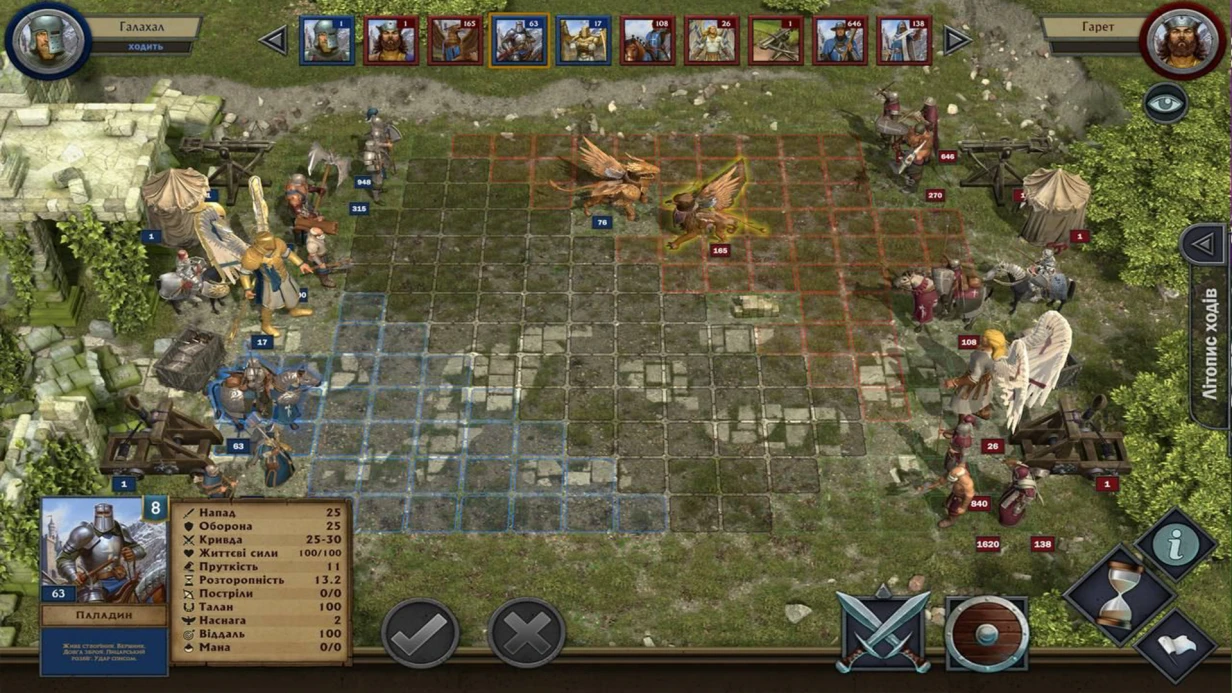
We make the Windows version of your RPG on Unity a full-fledged part of the product, not a "checkbox" on the platform list. You get not just a port, but a game that opens the door to the largest audience and stable income.
Contact us — we'll calculate how many players and how much profit you're losing without Windows and show you how quickly this can be fixed.
Key Benefits of Ordering Game Development
Ordering game development isn't just entertainment — it's a strategic business tool. A game built around your brand boosts recognition: players remember the company through vivid experiences and associate it with positive emotions.
This format sets you apart from competitors who stick to conventional advertising. What's more, users share the game with friends on their own, expanding the brand's audience without any extra advertising budget.
Games build loyalty more effectively than standard communications. A person spends not just a few seconds but minutes and hours with the product, immersing themselves in the story and mechanics.
This creates a deep emotional connection that grows into trust and repeat engagement — both with the game project and your core product.
A game opens up additional sales channels. Inside it, you can subtly introduce players to your services, offer special deals, or showcase new products. This gives you another touchpoint with customers that works around the clock and doesn't depend on advertising platforms.
Another plus is project monetization. Modern mechanics let you earn through in-game purchases, subscriptions, or ads, turning the game into a full-fledged revenue stream. At the same time, you decide how aggressive the monetization will be and how it will affect brand perception.
Finally, you get full technical support and maintenance after launch. We handle updates, bug fixes, and compatibility with different versions of Windows. This means the game will run stably and won't require additional development resources from your team.
Combined with the other advantages, the benefits of game development turn into long-term capital that works for your business.
Collaboration Formats: From Prototype to Full Version
Every project starts with a question: what's the goal — to test an idea, get your first players, or release a commercial product? The scope of work, timeline, and budget depend on the answer. We offer four formats — you pay only for what you need at your stage.
The formats combine easily: start with a demo version to present the concept, then an MVP for testing with real players, and then full development. All versions are built on a unified foundation, so nothing gets thrown away — it just gets refined.
| Format | Who It's For | What the Client Gets |
|---|---|---|
| Demo version | You have an idea and need to present it to investors or partners | A tangible sample: atmosphere, key mechanics, and a piece of the story — enough to assess the potential |
| MVP (minimum viable product) | You need to test demand and collect player feedback | A working version with core mechanics that shows audience interest |
| Full development | You need a finished product for a commercial launch | A game from idea to release: mechanics, content, balance, story, and monetization fully fleshed out |
| Porting | You have a game for another platform and need to adapt it for Windows | Audience expansion: the game reaches a new platform with familiar performance and controls |
If you're making an RPG for Windows, full development is likely the right fit. But you can start with a smaller budget: show a demo to a wide audience, gather feedback, and then decide how to move forward based on real data. We'll help you figure out which format will save money and get you to your goal faster.
How We Work on Your Game: Step by Step
Game development is a journey where it's important to preserve your vision and meet deadlines. So you feel in control at every step, we've broken the work into transparent stages — from the first brief to release and support. Below is the typical process every RPG we build for Windows goes through.
-
Brief and project immersion — you tell us who the game is for, what emotions it should evoke, and what problems it should solve. We ask clarifying questions and research your audience and competitors to propose a solution that will actually work.
-
Concept and idea approval — based on the brief, we shape the concept: genre, style, platform, core mechanics. You receive a description document, and we only move forward after your approval.
-
Script and game design — we write the story, characters, quests, and progression system. This is where the game gains its character, and you see exactly how a player will spend time in your world.
-
Prototype and mechanics testing — we put together a small version of the game to check if it's fun to play. This lets us make adjustments before all the visual and audio assets are created.
-
Full development — we create all the content: levels, art, animations, sound, and music. During regular check-ins you see intermediate results and can influence the details.
-
Testing and polishing — we test the game on different Windows computers, find bugs, and fix them. We fine-tune everything until it runs stably, so players won't run into crashes or glitches.
-
Release and support — we publish the game in the stores you choose, help with store page setup, and launch technical support. After release, we keep monitoring reviews and ship updates when needed.
This sequence eliminates surprises: you always know what's happening, and the game arrives on time without unnecessary rework.
What's Included in the Delivery: Launch Kit
When you order game development, you get more than just a "compiled file" — you get a working asset that stays yours and can keep evolving. We hand over a complete package so you can launch the project, manage it, and scale it without being tied to the developer.
The package includes:
- Game source code — the entire Unity project with comments and a clear structure. You are the full owner of the product and can develop it with us, another studio, or an in-house team.
- All game art — characters, locations, items, UI. All files in their source formats, so you can quickly make changes or expand the game world.
- Music and sound effects — a licensed audio package with the right to use it in your project. No hidden fees or copyright issues.
- Technical documentation — a description of the project structure and key game systems. A new developer can get up to speed in a couple of days, not a couple of months.
- Windows build and launch guide — a step-by-step guide on how to build the game, create an installer, ship an update, and prepare a PC release.
- Rights to use the materials — official confirmation that the code, art, and music belong to you. You can publish the game, sell it, and use it for commercial purposes without restrictions.
This package eliminates the client's biggest risk — dependency on the developer. You get not a "black box" but a clear product with documentation and rights.
Even if a year from now you decide to drastically change the mechanics or port the game to another platform, you have everything you need to do it. In practice, this means your investment works for your business, not for keeping you locked into a single contractor.
Case Study: How a Windows Game Reached a Million Installs
A studio came to us with a nearly finished RPG for Windows: an interesting world, solid mechanics, but six months in the store's "gray zone." Installs had stalled, and monetization was limited to a one-time purchase — revenue was barely enough to keep the project alive.
We approached the project as a full game development case. We rebuilt the product page, rewrote the description around how players search for RPGs on Windows, added demo access, and set up event analytics.
Most importantly, we changed the monetization approach: removed barriers in the first hour of gameplay and introduced valuable items without the feeling of "donating just for the sake of donating."
The results speak for themselves: in a year, the game reached a million installs on Windows. Day-1 retention grew to 35%, and about 7% of the audience stayed by day 30 — a strong metric for the genre.
ARPDAU grew 2.5x: players were more willing to pay for cosmetics and bonus chapters, while the average spend remained comfortable.
For us, this isn't just numbers. The client gained stable revenue and stopped depending on random spikes, and we earned trust for future projects. After the release, the studio came back: we expanded the game's universe, ran seasonal events, and doubled repeat purchases again.
The million installs became a springboard for growth, not the finish line. If you want the same result for your game — start with a consultation where we'll look at where your audience is being lost.
How to Choose a Contractor for Windows Game Development?
Choosing a contractor for Windows game development is a decision that directly affects your budget, timeline, and how the product is received by the audience.
What matters here isn't flashy presentations but verifiable facts: how the company has handled similar projects, whether it truly understands the platform, who you'll be communicating with during the process, and what happens after release.
Start with the portfolio — ask to see Windows projects specifically, not just mobile games. Look for genres close to yours in their case studies and how the contractor handled compatibility issues across different hardware configurations and OS versions.
This shows whether the company understands the platform's specifics or just knows how to make "games in general."
Next, evaluate communication. A good contractor asks about your target audience, monetization expectations, and growth plans — rather than just taking a technical specification.
They propose stages that make sense to you as the client, regularly show intermediate results, and explain decisions in business terms without unnecessary technical jargon.
Post-release support is just as important. A Windows game keeps living after launch: updates, bug fixes, adaptation to new OS versions. Ask what guarantees the contractor offers, how quickly they respond to requests, and whether maintenance work is included in the contract.
If the company disappears after handing over the project, that's a risk that will hurt your reputation.
Shortlist two or three candidates, compare them against these criteria, and ask for contacts of clients from their portfolio. The right contractor isn't just a vendor — it's a partner that becomes part of your product at every stage: from idea to player support.
Answering Frequently Asked Questions and Concerns
Before a project starts, clients usually have three questions: "How long will it take?", "What will it cost?", and "What if the game doesn't take off?" We answer honestly and to the point — no fine print, no hidden terms.
Timeline. We give you an exact delivery date at the brief stage and put it in the contract. We show intermediate results every 2-3 weeks — you see the game evolve rather than getting a "finished product" dumped on you at the end.
If the timeline shifts (it happens rarely, but we're honest about it), we warn you well in advance — you always have time to adjust your plans.
Budget. The estimate is transparent: revisions that don't change the concept are included in the fixed price. Expanding mechanics or adding new content is billed separately, but always by agreement — not as a "surprise" at the end.
All rights to the code, art, and the built game transfer to you upon payment — you can sell, publish, and develop the project however you see fit.
"What if it doesn't take off?" We build not just a game but a product with a clearly defined audience.
Before development starts, we lock in the genre, mechanics, player profile, and 3-5 marketing talking points — this reduces the risk of the project missing the market's expectations.
We build the Windows game specifically for the target platform, accounting for its quirks, not just "as long as it runs."
What if I don't like the intermediate result?
You see the game every 2-3 weeks and provide feedback. If something's off, we make revisions within the agreed scope. Radical concept changes are discussed and documented separately, but with a solid brief, 9 out of 10 iterations hit expectations on the first try.
Who owns the game after completion?
You do. After the final payment, you receive full rights to the code, graphics, audio, and the built Windows version. You can sell the game in stores, publish it through partners, or use it as a foundation for your next project.
Do you provide a warranty for the game?
Yes. For 30 days after delivery, we fix bugs that affect launching or completing the game free of charge. The warranty is written into the contract — it's our responsibility, not a matter of "luck."
If you still have doubts — ask us directly, and we'll walk through your specific situation. A single short conversation usually puts more fears to rest than any text.Order Windows Game Development — Let's Discuss Your Project
To order Windows game development, all you need to do is submit a request — even if you only have an idea. We'll help you turn it into a clear concept, choose the right mechanics, and propose an execution plan that fits your budget and timeline.
Submit a consultation request — we'll discuss your project, answer your questions, and provide a cost estimate. You'll get concrete solution options with no unnecessary expenses and minimal risk.
Here's what you get right after your first inquiry:
- Consultation with a project producer — we'll break down your task and show you how to solve it faster and more cost-effectively than you'd expect.
- Cost estimate tailored to your budget — an accurate quote before work begins, with no hidden fees or "surprises" along the way.
- Stage-by-stage timeline estimate — you'll know when you'll get the first playable version and when the final release ships.
- RPG format and mechanics selection — we'll build a game that resonates with your specific users and stands out from competitors.
- Examples of similar projects and portfolio — you'll see our level before signing the contract.
- Fixed proposal — we'll lock all agreements in a document: scope of work, timeline, and cost that won't change mid-project.
To get started, you don't need a finished script or a detailed technical specification. Just describe your project in the form — we'll get back to you within one business day, ask a few clarifying questions, and prepare a preliminary estimate.