

Why your business needs an Xbox One game
Every day your audience sees hundreds of advertising messages — on social media, websites, and storefronts. Competitors use similar channels and the same techniques, so attention slips away, and promotions and banners stop delivering the results they once did.
To stand out, a business needs a format that doesn’t push a direct sell but engages and stays memorable.
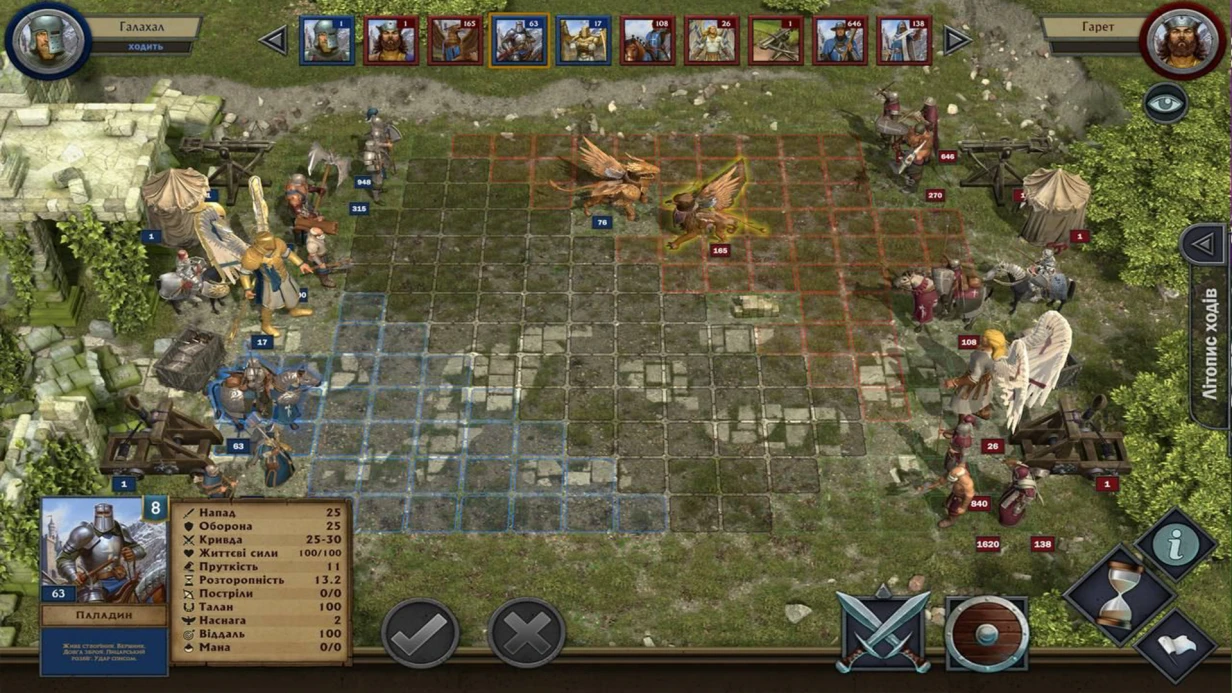
Game development for Xbox One turns marketing into an engaging experience. A strategy game isn’t a video you can scroll past or a banner that gets closed right away: the user goes through the scenario on their own, makes decisions, and sees the consequences.
An Xbox One game project gives the audience dozens of minutes of active interaction with the brand — and the desire to come back and play through it again.
For a business, this produces several effects at once. Audience engagement: people participate, compete, and discuss the experience instead of just watching. Recognition: every game reflects your brand and is remembered better than ordinary advertising. And results: players return, bring friends, and continue interacting after the first encounter.
Such a game becomes a tool for different tasks: a tournament for loyal customers, an interactive zone at an event, or a training scenario for partners. You choose the format for your goal, and the strategy mechanics make participation voluntary and genuinely captivating.
We handle the whole journey: from idea and script to release on Xbox One. Drawing on years of experience making games, we turn your task into a project that holds attention and strengthens your brand — rather than blending into the noise.
What you get from a game project
An Xbox One game project is not just entertainment but a full-fledged marketing tool that works for brand recognition and attracting leads into your ecosystem.
Unlike conventional advertising, a game engages the user for dozens of hours: each level, each mechanic is a touchpoint with your product that builds loyalty and memorability.
From a business perspective, this means you get not one-time reach but a sustainable communication channel. Players return to the project, try new features, share results with friends — and each such cycle brings new users without additional advertising spending. It functions as a long-term asset that continues to deliver value after launch.
A well-structured game project solves more than image-related objectives. It can collect inquiries, introduce the audience to a product, train customers, and gently guide them toward target actions — depending on your business goal.
All of this is measurable: you see how many people traveled from the first launch to contacting you, and which scenarios performed best.
At the same time, a game provides what a traditional website or presentation cannot — an emotional connection with the brand. The user voluntarily chooses to take part in this experience, so you don’t have to win their attention by force.
Deep engagement naturally converts into repeat inquiries, positive recommendations, and growing trust in your product.
Such a project combines marketing, product, and entertainment, so the results are visible across several directions at once — from image reach to concrete inquiries. We make sure the game works for your outcome from the very first screen to every relaunch.
Built on Unity, this lets us adapt the project to the specifics of the Xbox One platform and deliver a stable product that strengthens your overall promotion strategy.
Game development formats for Xbox One
Choosing a game development format for Xbox One is the first decision that affects your budget and timeline.
Different clients need different scopes: some just need to validate a mechanic, others are preparing for a full release, and still others want a completely turnkey product. Below are the formats we work in.
| Format | For whom | What you get |
|---|---|---|
| Game prototype | For teams validating a core mechanic | A working demo that easily communicates the idea to management, investors, or publishers |
| Full cycle | For companies planning their own release | A complete game with documentation, testing, and publication preparation |
| Turnkey development | For businesses that want “everything included” | Full cycle, store release, and post-release support with updates |
To choose a format, run through this checklist:
- Define the goal: validate the mechanic or release a game on Xbox One.
- Estimate the timeline: a prototype takes less time, a full cycle takes longer, and turnkey is the longest format.
- Decide whether you need post-release support: if so, choose turnkey development.
The answers to these questions determine the scope of work and cost. We’ll help you choose the optimal option in a free consultation and provide a transparent plan at every stage.
How turnkey game development works
We structured the process so that you participate at key milestones instead of waiting for a result from a black box. Each development stage has a clear deliverable and deadline, so you always know which stage the project is at and when the game will appear on Xbox One. Below are the six steps a project goes through from idea to release.
- Brief and task analysis. We collect your goals: genre, audience, core mechanics, monetization. We lock down priorities and constraints — what exactly should appear on Xbox One.
- Prototype and concept approval. We create a playable prototype; you try the mechanics and make changes. We approve a gameplay description document, and then work from it.
- Development plan. We break the project into short cycles and assign a delivery date to each. You get a timeline with checkpoints and see which stages run sequentially.
- Game production. We create visuals, levels, scenario, and balance. We regularly show intermediate builds so you can see the live project and correct the direction.
- Xbox One build and testing. We adapt controls, interface, and performance to the console. We run a full testing cycle, including platform requirements, so the release goes out without delays.
- Release and support. We help you publish the game and set up the store page. We stay in touch after launch: fix bugs, ship updates, and respond to player feedback.
What is included in the delivery of a game project
You order an Xbox One game to get a finished product, not a “raw” set of files. That’s why we include everything necessary in the delivery: game assets, build, documentation, game rights, and support after handover. The contents are specified in the contract and delivered as a single package.
Here is exactly what you receive at the end of the project:
- Game assets — all graphics, sounds, character models, interfaces, and content in current versions and an organized structure.
- Xbox One build — the project is built on Unity, has passed internal testing, and is ready for platform certification.
- Source files — the code and resources are transferred to you in full, so updates don’t depend on us.
- Documentation — project description, content update instructions, and a guide for your team.
- Game rights — the full package of rights to the project and content is transferred to you: you can sell, develop, and license the game.
- Marketing kit — key images, texts, and materials for the store page so you can launch faster.
- Warranty period — after delivery, we stay in touch: we help with certification feedback and updates until the game is running stably.
As a result, you get a product you can take to market: rights are secured for you, source files and documentation remove dependence on the contractor, and marketing materials save time at launch.
This is the complete delivery of an Xbox One game project — with no hidden conditions or “surprises.”
Case study: a strategy game that paid off
For the family park chain Adrenalin, we developed an Xbox One strategy game that became more than just a game — it became a living tool for attracting visitors.
Management wanted to increase the flow of family audiences, but standard promotions and discounts were no longer driving growth. They needed a reason for guests to stay longer and want to come back.
We created a game where anyone could build their own amusement park in 10–15 minutes: set up rides, hire staff, manage the budget. Gaming zones with consoles were installed in the lobby.
Unlike passive video, the strategy game fully engaged guests — they became participants in the brand story rather than observers.
The results exceeded expectations. In the first two months, more than 5,000 visitors played the game, the average session lasted 7 minutes, and a queue constantly formed around each console.
Most importantly, 40% of players left their contact details to continue playing at home, and 15% subsequently became regular customers. For the park, this meant thousands of new family visits per year without additional advertising spend.
The project paid for itself within four months, and the client believed in the format so much that they ordered a content update and added a second console.
The game still works as an automatic showcase: new scenarios are released twice a year, and each one attracts visitors again. This isn’t a one-time promotion but a long-term asset that delivers measurable results.
Want a similar case for your business? We’ll tell you how an Xbox One game can help attract customers and recoup your investment — send us a message.
How to choose the right development format for your task?
Choosing a development format often seems complicated because budget and timelines depend on it directly. Some tasks are solved with a quick prototype to test an idea; others require a full-fledged game with a story, levels, and the ability to play on Xbox One.
Without experience, it’s easy to allocate too many resources or, conversely, get a result that doesn’t answer the original question.
But in reality, format isn’t a technical decision — it’s the answer to the question: what exactly do you want in the end?
A game mechanic for an advertising campaign, a training simulator for employees, an interactive catalog for clients, or a large-scale console project — each scenario has its own scope, timeline, and budget.
Once we understand your goal, we immediately see which format fits: from a simple demonstration to a finished game released on the platform.
We start with a brief and define the task together: who will use the game, what result the business needs, and which timelines are acceptable.
Then we propose the optimal option — not the cheapest and not the most feature-packed, but one that achieves the goal in a reasonable time and fits the budget.
Development proceeds through transparent stages, you see intermediate versions, and you can adjust requirements before the final build.
Importantly, we don’t just program for Xbox One — we help you decide in advance. If a simple animation solves the task, we say so honestly and save your money. If you need a multi-level project, we estimate the resources and show a realistic plan.
That’s how you get a predictable outcome: a game that solves your business problem, not “just code.”
Bring us your idea — we’ll recommend a development format that fits your goals, budget, and timeline, and together we’ll turn the task into a finished Xbox One game.
Frequently asked questions about ordering game development
Doubts before ordering a game are normal. You’re investing a budget and want a result that pays off, not a “pig in a poke.” Our clients’ most common questions are about quality, timelines, and what happens if something goes wrong.
Below, we address the main concerns directly. If your question isn’t here, just write to us — we’ll discuss the details with no obligations.
What if I or my audience don’t like the game?
Before launch, we run several milestone checkpoints: we show a prototype, intermediate builds, and the final build. You see the result at every stage and make changes before the game goes live. If something isn’t right, we adjust mechanics and balance until we get a playtest from real users.
How do you guarantee development quality?
We have a well-established process: the technical specification locks in all expectations, each stage is accepted against a checklist, and the final version undergoes multi-stage testing on different configurations.
We work with professional tools and on a turnkey basis — you get a game that runs stably on the target platform.
What are the risks of ordering a game, and who covers them?
The main risks are missed deadlines, mismatched expectations, and hidden extra work. That’s why we fix deadlines and scope in the contract, approve each stage, and show in advance how the game looks and works.
If new ideas come up during the process, we discuss them separately rather than adding them “on top of the estimate.”
What is included in the final result?
You receive a finished product: source files, a built version of the game, a description of mechanics, and instructions for launch and maintenance. If needed, we’ll help with platform publication and technical support after release. You don’t need to dig into the details — you simply accept the result.
In short, you’re not buying a game “sight unseen” — you go with us from idea to finished product with transparent stages and clear agreements. This removes the main risks and gives you confidence in the result.Submit your game development request
When you start thinking about developing an Xbox One game, a lot of questions immediately arise: which idea to choose, which features are truly needed, how long the process will take, and what budget to set. The answers depend on the specific task, so the first step is a request.
Tell us about your idea — even if it’s only a general direction at this point. We’ll hold a consultation, clarify your goals, and propose a solution that fits your timeline and budget.
From there, everything moves through clear stages:
- Request — you send a description of your idea in any convenient format, no technical details required.
- Consultation — we discuss the target audience, game objectives, and expected outcome.
- Solution — we propose a concept and project structure adapted for Xbox One.
- Timeline and budget — we set a transparent estimate and a staged work schedule.
- Development start — we sign the contract, you get access to intermediate builds, and you can make changes.
- Launch and support — we hand over the finished game, help with publication, and stay in touch after release.
At each stage, you see what’s happening and understand what you’re paying for. No hidden conditions or unexpected surcharges: all figures are known in advance. The budget is fixed, deadlines are controlled, and the result remains predictable.
Submit your game development request — within two days after the consultation, we’ll send you a cost estimate with timeline and budget. You’ll receive a ready plan that lets you make informed decisions and move toward launching your game.