



Defold Games: Why Players Leave Without Level Design
Players don't leave because the game is "bad" — they leave when the level doesn't answer the question "why should I play this?" Weak level design is invisible in screenshots, but it determines whether a user reaches the second session or closes the game after ten minutes.
For the project owner, this is lost money: every player who leaves means marketing that hasn't paid off, low retention, and weak viral effect.
Level design isn't about placing obstacles; it's an emotional script.
A good level teaches the player mechanics without boring tutorials, creates a sense of progress, and leaves the desire for "one more run." It's these micro-decisions that build the habit of returning, and habit turns into retention metrics and customer lifetime value. If a level doesn't hold attention, no graphics can save the project.
This is where the Defold platform comes in: it lets you quickly assemble and test level ideas without long rebuilds. But technology alone doesn't solve the problem — you need a person who sees the level through the player's eyes.
We combine the speed of development on Defold with level design expertise: we identify where the player loses interest, shift the focus, add rhythm, and create "hooks" that hold attention. The result is a game people want to return to, not a project they close after the first launch.
Three Key Business Benefits of Game Development
Engagement: Players Return Again and Again
Good level design holds attention: each level presents an interesting challenge, and difficulty grows smoothly without frustration. The player doesn't just complete the game — they want to explore the world, find secrets, and return to replay favorite moments.
For business, this means time spent in the game — and therefore greater loyalty and more chances for repeat purchases or in-game ad views.
Virality and Recognition: Players Bring New Users Themselves
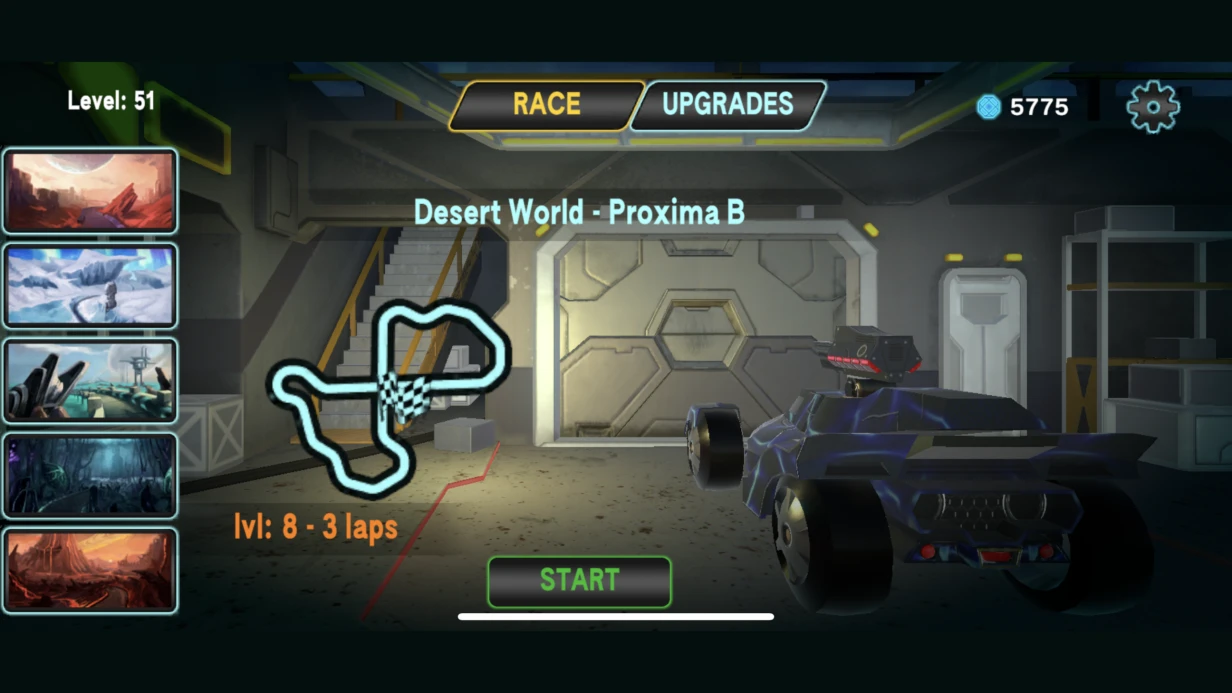
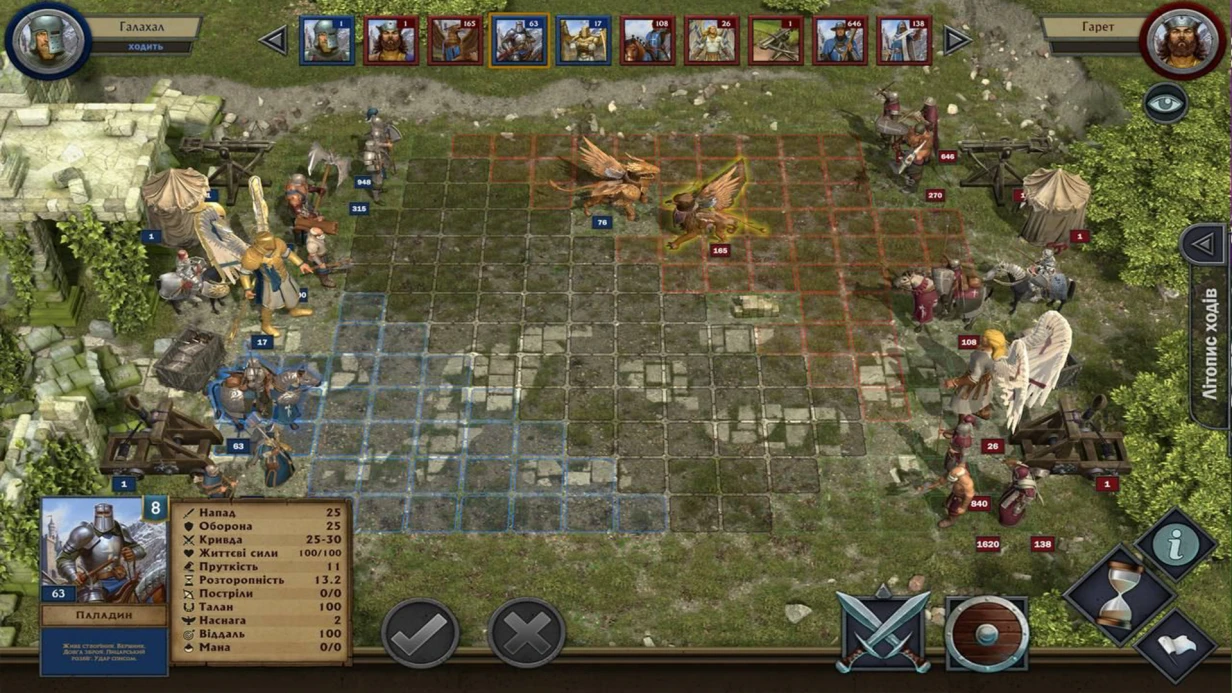
Memorable levels make players want to show them to friends: take a screenshot of an unusual location, record a gameplay video, discuss a tricky puzzle moment.
This kind of word-of-mouth doesn't require an advertising budget, but it creates a steady stream of new installs and brand mentions. Recognition grows naturally — through the emotions players associate with your game.
Revenue from the Game: Smart Level Design Improves Monetization
Well-structured levels subtly guide players toward target actions: showing an ad, offering a bonus, or presenting additional content at exactly the right moment of interest. Without disrupting the gameplay experience, you increase revenue per user. A game that's enjoyable to play pays off faster and generates stable income over time.
We create level design on the professional Defold platform, ensuring fast development and stable performance even on weak devices. The result is a product that engages, spreads itself, and makes money — without unnecessary marketing spend.
Defold Game Development Formats for Any Audience
Three Formats for Different Business Goals
Every game starts with a question: which audience do you want to reach and how quickly do you need results? The format depends on this — the scope of mechanics, depth of polish, and launch timeline.
We help you choose it at the start so you don't overpay for unnecessary features or lose players on the very first level. A correctly chosen format saves your budget and increases conversion to install.
We work with Defold — a tool equally well suited for lightweight hyper-casual projects and rich mid-core universes. That's why you define the format based on business goals, not technology constraints. Below is a table of typical scenarios to help you decide.
| Format | Who it's for | What it gives the client |
|---|---|---|
| Hyper-casual | Companies with limited budgets and a need to quickly gain reach | Fast launch and niche testing without large investments, high organic traffic, clear ad campaigns |
| Casual | Businesses that want stable income and a long game life | Long update cycle, growing revenue from regular players, repeat audience returns |
| Mid-core projects | Studios building a recognizable brand and loyal community | Deep progression system, high average revenue per active player, foundation for sequels and merchandise |
With any format, you get a launch-ready product: it passes moderation on the App Store and Google Play, performs well on low-end devices, and is easy to extend. We analyze your niche and competitors at the outset to recommend the format that will deliver results fastest.
How We Work: From Brief to Release in 5 Steps
A clear process is half the success of a project. You always know where the game stands, what's ready, and what's next. No "black boxes": after each step you receive a result you can review and approve. Below are the five stages we use to build level design in Defold.
-
Brief and project immersion. We pin down the game's goals, target audience, core mechanics, and your timing expectations. We study your game design document or draft one together if it doesn't exist yet.
-
Level plan and prototype. We design the structure of locations: level order, difficulty, points of interest. We build a quick rough level in Defold so you can visually assess gameplay and pacing, rather than abstract descriptions.
-
Review and revisions. We present the prototype and plan, and gather your feedback. We make changes to mechanics, difficulty, and pacing — before detailed work begins. This saves time and budget at later stages.
-
Implementation and polish. We bring levels to their final form: placing obstacles, enemies, interactive objects, and fine-tuning the difficulty curve. Every level goes through internal test play so players don't get stuck or lose interest.
-
Release and support. We hand over the final level files, ready for integration into your project. After release, we stay in touch: fixing bugs, balancing difficulty based on metrics, and adding new levels or modes if needed.
This workflow has been proven across dozens of projects — it delivers predictable results with minimal surprises. You don't just get a set of locations; you get a game where every level is interesting to complete. Shall we start with a brief?
What's Included in the Delivery: A Complete Kit for Launching a Game
When people order game development, they often receive "raw" code and the contractor disappears. We work differently: we deliver a complete working kit that lets the game launch, and your team is ready to grow it. Below is exactly what's included in the delivery and how it benefits your business.
- Working game build — installation files for all target platforms (mobile devices, desktop PCs, browsers). You see the result immediately and can show it to investors or first users without diving into technical details.
- Source code and project assets — a complete archive of the Defold project: scripts, scenes, graphics, sounds, settings. You own the project 100% and can hand it to any team — we don't make you dependent on us.
- Technical documentation — a clear description of the project structure, key systems, and build procedures. It's written for your developers who join after us, so there's no fluff — only what's needed to work confidently.
- Administrative tools — a panel for managing game parameters: balance, levels, promotions, configurations. Your manager can change settings without a developer — quickly and without extra costs per update.
- Team training — two or three practical sessions with your specialists: we review the project, answer questions, and pass on skills for working with the tools. Your employees apply the knowledge right away.
- Development plan and roadmap — we identify growth points and possible updates, and assess their impact on the product. You understand where to go next and what it will cost.
- Post-launch support — a warranty period and an option to extend maintenance. We want the game to live and generate profit for you, so we stay in touch after project delivery.
This package turns a one-time development into a manageable asset. You don't just get a game; you get a system ready for launch and growth — and complete confidence in the result.
Case Study: Farm Simulator Reaches 500,000 Installs in the First Month
One of our clients — the studio GreenFarm Games — came to us with an idea for a mobile farm simulator. The team already had a prototype, but the levels didn't hold attention: players left after the second or third screen.
We took on the level design in Defold to turn raw mechanics into a clear and addictive gameplay path.
What We Did
We designed the difficulty progression so the player would master new mechanics gradually: first simple plantings, then the harvest-and-sell cycle, then unlocking new crops. Each level hints at the next step but leaves room for experimentation.
We also adjusted the pacing: short sessions — up to 10 minutes — suitable for playing on the go or in a queue.
The Result
After release, the game reached 500,000 installs in the first month, and the share of players reaching level five doubled compared to the early version. A repeat order followed quickly: we're now developing new locations and seasonal events.
The project lead at GreenFarm Games shared their assessment: "They managed to make our game understandable without a single tutorial window — players literally know what to do from the first level. That saved us months of work and immediately reflected in organic traffic."
This case shows that good level design directly affects business metrics: installs, retention, and revenue. We don't just draw maps; we design the player's path toward the outcome your product needs.
How to Choose a Development Format for Your Niche and Budget?
Choosing a development format doesn't come down to technical details, but to answers to three questions: who your audience is, what result you need at the start, and what budget you've set for reaching your goal.
The same project can be made as a quick prototype to test demand or developed into a full release with monetization — these are different formats with different costs and timelines.
For example, a prototype helps validate an idea without large investments, while a full release helps occupy a niche and retain players.
If your niche is casual games for a broad audience, it makes sense to start with a short, bright project that quickly delivers initial data about interest.
If you work with a narrow audience, depth and mechanics matter more, so a longer format with testing stages is more suitable.
Budget determines the scope of work: with a limited budget, you'll get a launch in a couple of months; with an expanded budget, a full game with support and growth after release.
We work on Defold — a tool equally well suited for both lightweight and content-rich projects. It allows you to change format during development without rewriting rules from scratch, so you can start by testing a hypothesis and scale up when the niche confirms demand.
The key rule is to choose a format for the business task, not for a trendy technology. That's why we analyze your niche, audience, and budget together at the first brief, and then propose the optimal path. This way you get exactly the result that pays off, not just a pretty prototype.
FAQ: Addressing Concerns Before You Order
Doubts before starting are normal. The most common questions are about timelines, process control, ownership of the game, and result guarantees. Below we cover typical questions — honestly and to the point, without technical details.
How do you manage deadlines, and can I influence the process?
Deadlines are set in the contract and work plan before we start. Each stage has clear dates and checkpoints — you see progress and can make revisions along the way, not just at the end.
We work transparently: you always know what's done, what's in progress, and what's next. If there's a risk of delay, we let you know in advance, with solution options — not on the last day.
Who owns the rights to the created game?
The rights to the game, characters, levels, and all developed content transfer to you after full payment. You receive all source files and can use the project however you like — publish it, continue development with other teams, or sell it.
We use a clear contract where this clause is explicitly stated. No hidden conditions or "surprises" after project delivery.
What if I don't like the result? Are there any guarantees?
Before final delivery, you go through several review iterations — so the situation of "it's all wrong" simply doesn't arise. At every stage, you see working versions and provide feedback.
We bring the project to a state that satisfies you, and we define acceptance criteria in advance. After launch, we remain in touch: we fix any issues that may surface in real-world conditions and provide free consultation on operational questions.
If you still have doubts, ask us directly — we'll answer honestly and suggest the cooperation format that fits your task.Start Development Today: Get a Free Consultation
A free consultation is the first step toward launching your game faster and without unnecessary iterations. We've already shipped more than one Defold project, so from the very first call we talk about timelines, budget, and risk — in business language, not technical details.
In 30–40 minutes of conversation, you'll understand how to estimate the scope of work, which mechanics will resonate most with players, and how to avoid expensive rework. No obligations — only concrete details for your project.
Even if you're not ready to order development yet, the consultation remains useful: you'll get an action plan you can discuss with any team.
What happens after you submit a request:
- We contact you within a business day and clarify your goals.
- We schedule a free call with the project's lead level designer.
- We review your concept or idea and show you how to strengthen it.
- We give realistic timelines and a stage-by-stage scope of work.
- We record the plan, budget, and responsibilities in a short document.
- We start development as early as the following week after your approval.
The first step takes two minutes — submit a request on the website or write to us in a convenient messenger. The consultation is free and carries no obligation: you'll receive an expert assessment even if you decide to build the project with your own team. Start today so that in a month you're already testing the first level.