



Development on GameMaker Studio: Why Players Quit Your Game
Players do not forgive boredom. If within the first minutes a level does not explain where to go and why, the player closes the game and never comes back.
Development on GameMaker Studio is often technically solid, but without well-thought-out game levels, the project gets neither reach nor retention.
The problem is usually not graphics or mechanics. The player gets stuck, does not understand the objectives, loses interest on the second or third level, and leaves.
This is a typical situation: a strong idea, working code, but levels are designed so that the player has to guess actions instead of exploring the world. Every such bottleneck means lost players, negative reviews, and a drop in revenue.
Good game levels hold attention: a clear goal, progressive difficulty, a reward for exploration. Level design is what turns raw mechanics into a cohesive adventure worth returning to and recommending to friends.
Our GameMaker Studio development is not just code but a structure in which each level works for the project’s success. We design levels that guide the player by the hand yet leave freedom and boost retention from the first session to the finale.
What Thought-Out Level Design Brings to Your Game
Thought-out level design directly solves the main task of any game — keeping the player until the end credits. If levels are balanced in difficulty, interesting to explore, and gradually reveal the hero’s abilities, the player does not abandon the project midway.
For you, this means a high completion rate, and therefore a satisfied audience and good ratings in app stores.
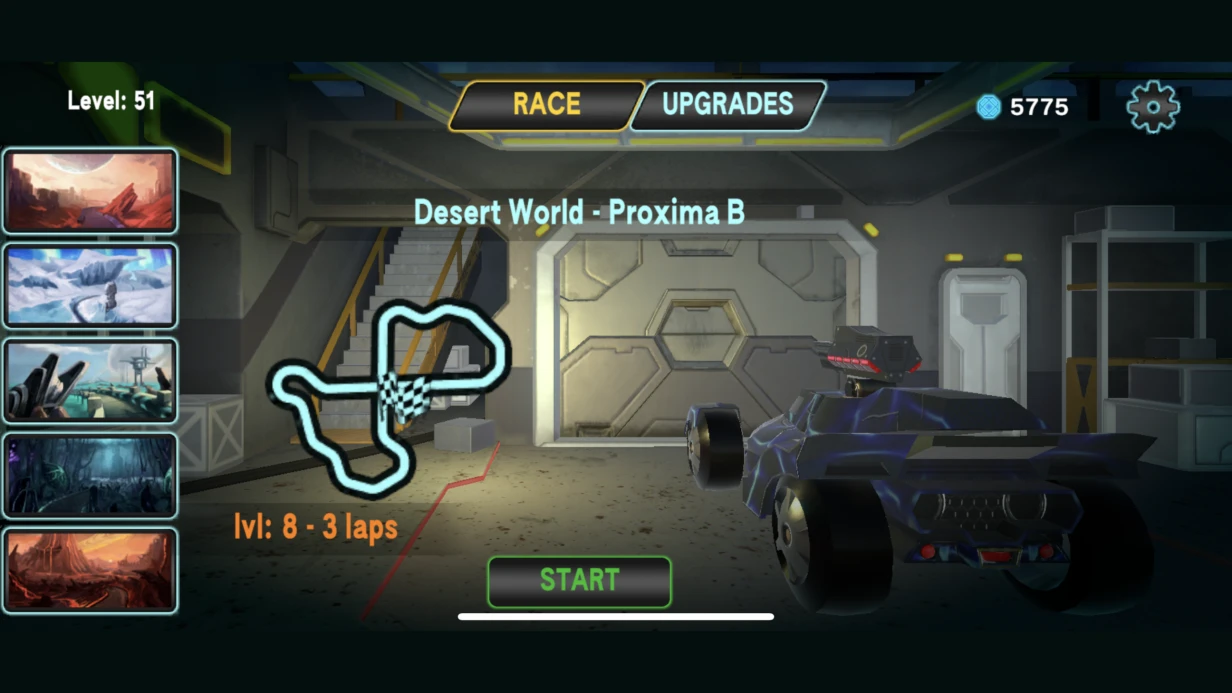
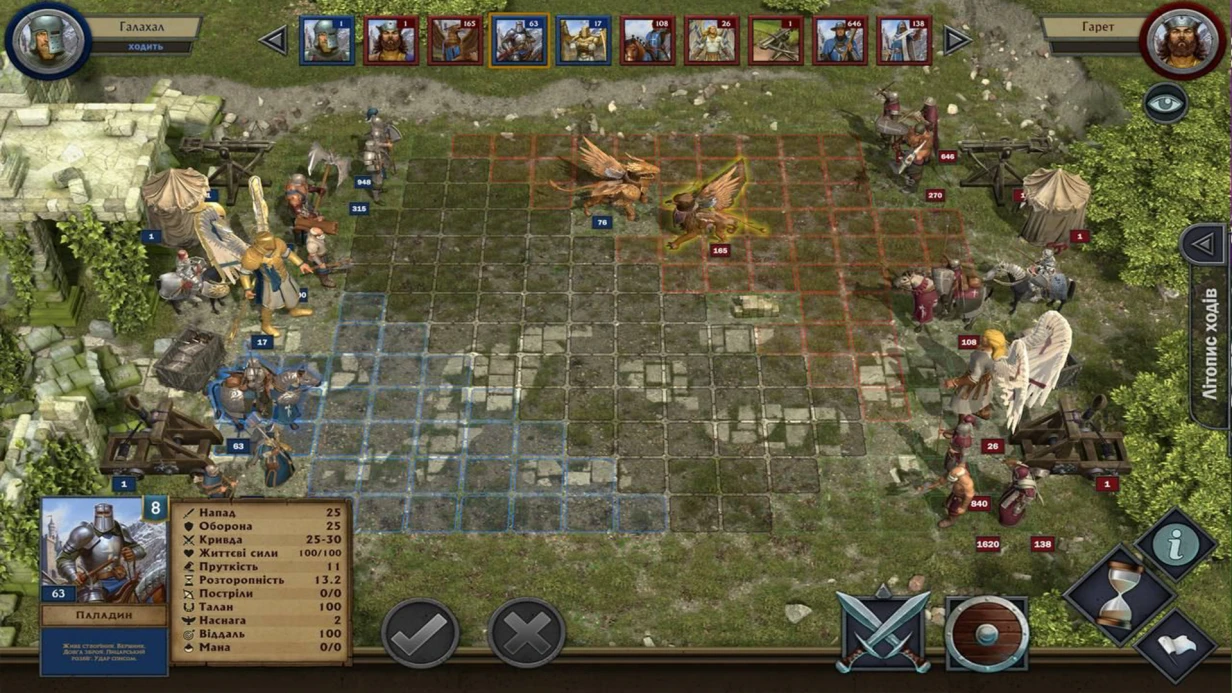
Properly structured levels turn mechanics into a living experience. Instead of boring instructions, the player learns through action: each new location invites them to apply already familiar techniques in unexpected situations.
This approach creates a feeling of growing mastery — that “one more level and that’s it” feeling that makes a game hard to put down.
Interesting levels are also free marketing. When a gamer wants to replay a level for a perfect result or show friends an unusual solution, they take screenshots, record videos, and recommend the game on social media. That is how virality is born, and brand awareness grows without an additional advertising budget.
We design levels specifically for GameMaker Studio so that each location runs stably and looks coherent. We rely on playthrough analysis, collect data on where players get stuck, and rework problem areas before release.
In the end, you get a game that players finish, discuss, and recommend. That is exactly the result for which level design is commissioned.
Formats of Collaboration for Game Level Development
Every game lives or dies on its levels: boring maps repel players within the first minutes. Keeping a dedicated level designer on staff for just a couple of locations is expensive, and handling it with an inexperienced team is almost impossible.
We cover this need with flexible collaboration formats: a level order can start with a single map and end with the full development of all game locations on GameMaker Studio.
Whichever format you choose, we treat the result as our own. The easiest way to get oriented is through the table:
| Format | Who It’s For | What It Gives the Client |
|---|---|---|
| Single Level | A strong first level is needed for a trailer, pitch, or mechanics test | A ready-made map with configured spawn points, difficulty balance, and clear navigation — can be shown to players and publishers right away |
| Level Pack | The project is growing, but there is no time for maps | A stream of new locations according to an approved plan: you receive several levels on time and keep working on gameplay and monetization |
| Turnkey Level Design | A full set of maps is needed for release | A complete set of the game’s levels, harmonized with each other: from tutorial to final boss, with a unified style and rising difficulty |
Formats can be combined. Start with one level to evaluate our work, then scale up to full map development. In any case, you get a launch-ready result, not a draft file: we test each level and refine it until you say “accepted”.
How Level Work Proceeds in a GameMaker Studio Project
We structure level work as a transparent process with clear checkpoints. You can see what stage the project is at at any moment and make edits without wasting time or budget — all key decisions are approved before serious resources are committed.
- Brief and project immersion. We gather input data: game goals, player profile, what emotions and challenges the levels should deliver. The output is a short document with objectives so the whole team works in the same direction.
- Level structure plan. We develop the sequence of locations, difficulty spikes, and progression logic. You receive a clear visual scheme that is easy to discuss and adjust before detailed work begins.
- Concept approval. We show the first prototypes — interactive or schematic. You see how the player will move through the level and can approve the fundamental decisions without unnecessary costs.
- Content implementation. We build the levels themselves: routes, obstacles, tasks, rewards, and built-in hints. We regularly show intermediate versions so you can evaluate the game’s dynamics and pace.
- Testing and balancing. We test levels on different devices and with different players. We fix everything that slows progress, causes frustration, or reduces interest.
- Delivery and post-launch support. We hand over source files and documentation — you can develop levels in-house or order further improvements from us. Either way, we stay in touch.
This approach has already proven itself in dozens of projects: clients receive levels that hold attention and increase player engagement. You control the process, and we take care of the creative and technical routine.
What the Level Deliverable Includes: A Launch-Ready Package
When you order level design, you do not get scattered maps but a complete working package. We put it together so your team can immediately run levels, test them, and integrate them into a GameMaker Studio project — without long investigations or guesswork.
Here is what the deliverable includes:
- Ready-to-use game levels — built and configured locations integrated into your project’s structure. Each map matches the gameplay goals: from the tutorial zone to the final stage.
- Logic and events — rules for triggering doors, spawning enemies, transitions between zones, and other interactions. Everything is already implemented and verified in action.
- Level design documentation — for each level: goal, player routes, object placement, possible paths, and difficulty balance. This helps your team make changes without losing meaning.
- Test materials and checklists — level verification scenarios, checkpoints for the QA department, a list of typical issues, and recommendations for tuning difficulty before release.
- Instructions for your team — a step-by-step description of how to add levels to the build, launch individual scenes in the editor, and use the ready-made logic. Suitable even for those who did not participate in development.
- Level delivery with support — we hand over the project, help connect it to your main branch, and walk through key scenes together to make sure everything works as intended.
We also consolidate the documentation into a single file and place it in the project. This ensures a lossless handover: your team quickly finds the needed solutions and can continue developing levels even after the official completion of the work.
Case Study: How a Studio Raised Completion Rate to 70%
We often see promising games lose players as early as the first levels. The reason is rarely graphics or mechanics — more often the player does not understand what is expected of them and leaves.
In a GameMaker Studio project, we encountered the same situation: the studio had an excellent puzzle game, but fewer than a third of users reached the middle.
What We Changed
We rebuilt the level design around the player’s journey: we split the difficulty into micro-steps, added in-level hints, and rearranged the first 6 levels so the player could quickly get a sense of victory.
This was not cosmetics — we changed the progression logic so that every next step felt like an achievement.
Numbers After Release
Within three weeks after the update, the completion rate grew from 38% to 70%. The average session lengthened, and the number of repeat launches per week doubled.
For the studio, this means more players finish the story, more players recommend the game to friends, and more players pay for in-game purchases.
The studio head described the result this way: “We thought the problem was difficulty, but it turned out to be presentation.
After the level work, players discover the mechanics on their own, and that affected sales.” After the update, the studio ordered level design for the second episode — this time based on a finished technical specification.
How to Choose the Level Development Format for Your Project?
Choosing a level development format is not about the number of specialists, but about what problem your project is actually solving. If levels are just part of a larger product, it is enough to order specific locations with ready-made file delivery. If the gameplay relies on unique scenes, then you need a full cycle: from concept to polishing.
A common mistake is trying to save on level design when the game is built around exploration and player choices. In that case, saving money leads to rework: levels lose pace, the player loses interest, and you overpay for fixes.
We help you choose a format that fits your budget and deadlines: a one-off development order, step-by-step support, or a full pipeline with a level designer on the team.
The deciding factor is who owns the gameplay vision. If it is only you, then at the start it is enough to have a company that designs and builds levels according to your brief.
If the game design is not yet defined, it is better to choose a format with analysis and iterations: you get not just a map but validated scenarios that are enjoyable to play through.
In both cases, we start with a short brief so you understand the scope of work and the team composition before the project begins.
Another criterion is how often content changes. For games with regular updates, ongoing collaboration is more beneficial: we reserve resources in advance, and you receive a steady stream of new locations without having to find a contractor each time.
For a prototype or a casual project, a one-time delivery is enough: you get ready-made levels that are already tested and require no further refinement.
What matters most is not the volume of work itself but a predictable result. That is why we always define the format boundaries: the number of levels, deadlines, and areas of responsibility.
Custom level development becomes transparent: you know what you will get, by when, and how to verify it. Describe your task — we will offer a format that will not make you overpay for extras or leave you without the result you need.
Common Doubts Before Ordering Level Design
Before ordering level design, you are not thinking about pretty pictures but about risks: whether we will make it before release, whether it will be playable, whether it will need rework, and who owns the levels afterward. These are normal questions — they need clear answers before work begins.
We structure the process so that every one of these risks is addressed from the very start. We fix deadlines and scope of work in the contract, show intermediate versions at each stage, and hand over all source files — you remain the full owner of the content. Below, we address the most common doubts that clients bring to us.
What if you miss the deadlines?
In the contract, we specify the dates for each stage: from the first draft to the final version. If we fail to meet the deadline due to our own fault, we return a portion of the payment proportional to the delay.
In practice, 9 out of 10 projects are delivered exactly on time: we set realistic deadlines and reserve time for revisions.
What if your levels do not fit my game?
Before we start, we gather a brief: mechanics, style, difficulty, and control specifics. Then we create a test fragment of a level — you try it in your build and only move forward after confirming it works. If something is wrong, we adjust the approach at the test fragment stage at no extra cost.
Who owns the rights to the levels after delivery?
You do, and that is stipulated in the contract. We hand over all source files of the level project — you can make edits with your own team or pass the work to another contractor. No hidden licenses and no “but we worked so hard for you” clauses.
What if the levels turn out boring and unplayable?
Playtesting at every major stage is at the core of our approach. We do not create “pretty but awkward” designs: first we check routes, pacing, and difficulty balance, then we polish the visuals.
If a level is not enjoyable, you will not accept it — we rework it until the result is right within the agreed number of iterations.
Let’s Discuss Your Project: We’ll Calculate Timelines and Scope of Work
Leave a request for level design, and we will prepare a preliminary estimate for your project. You will get not general words but specifics: scope of work, timelines for each level, and cost. A short brief is enough — genre, platform, mechanics, and example games you are aiming for.
Then we analyze the project and come back with a plan. In it, you can see what tasks each stage solves, how long it will take, and how it will affect the final game. This helps avoid delays and unexpected additional payments in the middle of development.
Here is what the discussion of your project includes:
- Level design request: you describe the task, and we determine what levels and mechanics your game specifically needs.
- Project and reference analysis: we look at your game, study the target audience, and examine examples of successful levels from similar genres.
- Scope of work: we define the full list — from concept and drafts to final polishing and testing.
- Level timeline estimate: we provide realistic dates for each stage, with a buffer for revisions and internal checks.
- Preliminary cost estimate: we fix the budget for the entire scope or for individual levels, so you can plan the launch.
- Iteration plan: you receive a schedule with checkpoints and can track progress without unnecessary calls.
No hidden conditions or engineering details — just a clear plan, timelines, and cost. Write a couple of lines about your project, and we will respond within one business day with an estimate.