

A/B Testing of Gameplay Variants: How to Validate a Game Idea
Game development is always a bet on an idea that seems strong on paper. But without validation, even an interesting concept can fail to resonate with players: they don't stick around, don't reach the key mechanics, don't come back.
Investing in a full development cycle without such data is a risk of losing budget and time on a format the market hasn't accepted.
A prototype for A/B testing solves this problem before major investments. We create two or more playable gameplay variants — different mechanics, pacing, controls, visual rhythm — and let real users test them.
You get not an opinion of "how it should be," but numbers: which variant holds attention, where players drop off, which format they want to keep playing.
We help validate a game idea in just a few weeks, showing audience behavior before full production. Instead of expensive blind iterations, you get an informed choice of game format based on data.
This way you reduce game development risks and invest in a version that has already proven its viability.
What Game Prototype Development Will Bring Your Business
Developing a full game requires months of work and serious investment. At the same time, not all ideas pay off: some mechanics don't resonate with the audience, and polishing after launch costs many times more.
A prototype solves this problem — it lets you test key hypotheses before allocating a budget for the full cycle.
With a prototype, you test different gameplay variants on real users. A/B tests show which variant holds attention, at what point players lose interest, and which mechanics lead to repeat launches. These aren't guesses but measurable data that reduces risk and makes the decision obvious.
This approach saves your budget: instead of funding several full versions, you invest in one prototype and get answers to all key questions.
It also shortens time-to-market — you quickly understand whether the project is worth developing and see the real picture within weeks instead of abstract forecasts.
We build prototypes that give businesses transparent data: engagement metrics, player behavior patterns, growth points, and weak spots.
You get not just a demo, but a business case for investing in the full version — with clear numbers and arguments for your team, partners, or investors.
A game prototype is a cheap way to test expensive ideas. It shows which hypotheses work and which should be discarded, and gives you confidence in your decision about further development.
Testing Formats for Gameplay Variants for Your Task
First, it's important to understand what you want to test: a single hypothesis or several different mechanic variants. If you need to compare 2–3 gameplay styles with a live audience, a digital prototype built in a matter of days will work.
If the task is to show the idea to partners, an interactive mockup that doesn't require full development is enough. We match the format to your request, not the other way around.
What Prototype Formats Exist
Over years of practice, we've identified five typical scenarios — from paper sketches to a playable version for testing. The table below shows what request clients usually come with and what they get as a result.
| Format | Client's request | What the client receives |
|---|---|---|
| Paper prototype | Need to quickly test game logic with the team | Sees weak points of the mechanic before development begins |
| Interactive mockup | Wants to show the concept to partners or investors | Clear demonstration of the idea without extra costs |
| Digital prototype | Compare 2–3 gameplay variants with a real audience | Clear data: conversion, time in game, engagement |
| Event prototype | Need to impress guests at an exhibition or conference | Live contact with the audience, photos and videos, contacts |
| Playable version | Launch the product to market and check metrics | Working product for A/B tests and feedback |
Each format fits into a timeline from a few days to a few weeks — the key is that the result answers your business question. We help you formulate it, choose the right format, and get data you can calmly base your project development decision on.
How Prototype Development Works: Stages and Timelines
We've structured the process so you always know where the project stands and what prototype development timelines we've agreed on. No unexpected tasks and no hidden work — only clear agreements and measurable results at every step.
- Brief and task. We define the goals of A/B testing for gameplay variants, the audience profile, and the metrics we'll use to compare hypotheses. The result is a short document that clearly states what counts as success and what we change in the game.
- Plan and timeline. We prepare a detailed roadmap: prototype development stages, scope of work, dates, and responsible people. You see all key milestones in advance and control the budget without surprises.
- Mockup approval. Before writing code, we show screen layouts, key mechanics, and gameplay logic. You make edits on paper, not after the finished build — this saves weeks of development and extra costs.
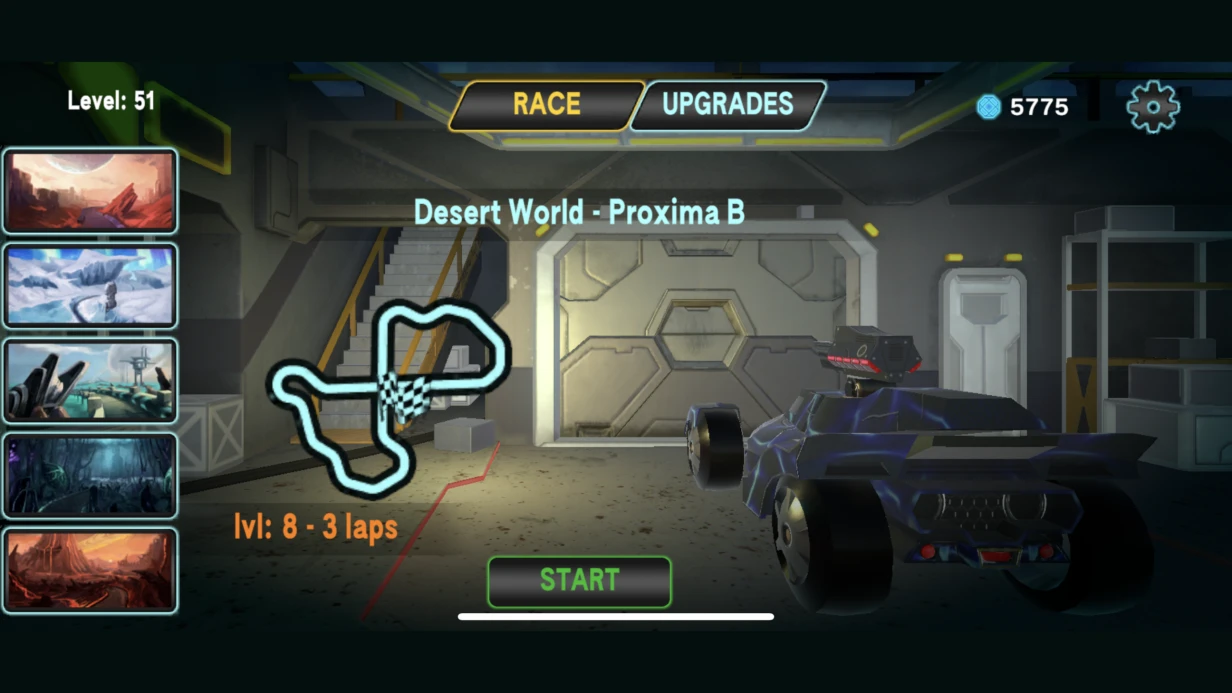
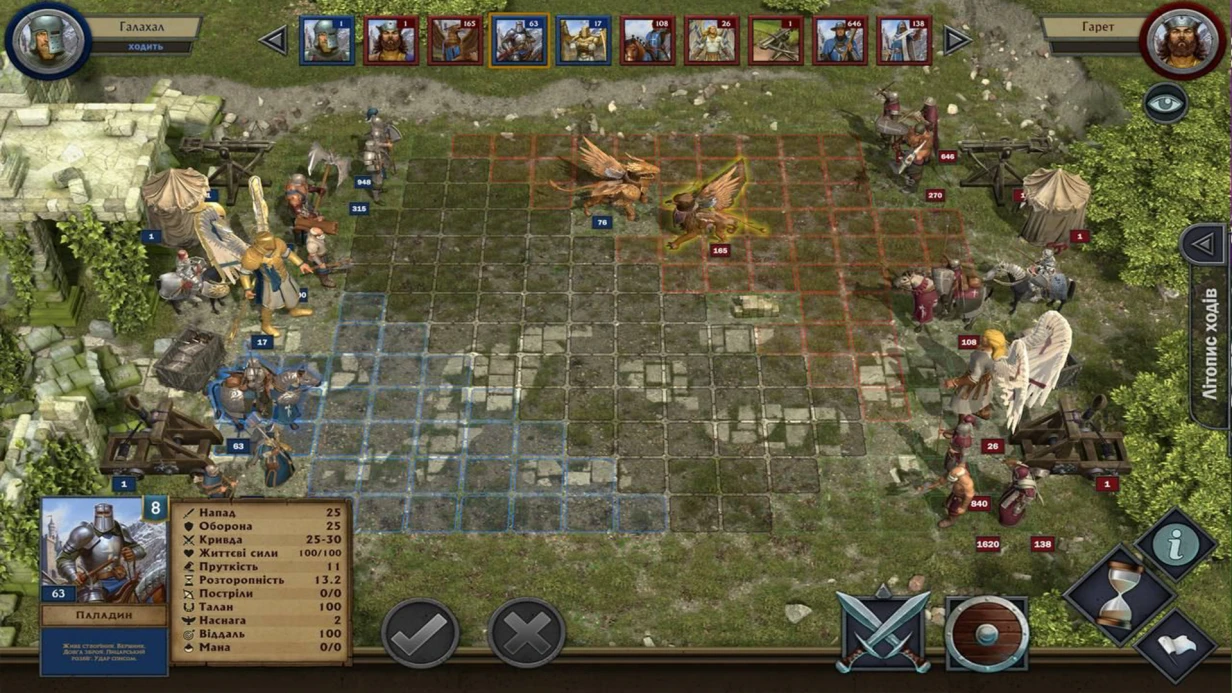
- Prototype development. We assemble a playable version on a professional engine. Already at this stage, you can run a small test and understand how players react to different mechanics.
- Launching the A/B test. We integrate analytics collection and run gameplay variant testing on your audience. You get clear reports: conversion, retention, average session — no manual data processing.
- Iterations and support. Based on test results, we make edits, rerun the launch, and help interpret the data. Together we choose the best variant and bring it to a full game.
To order a game prototype, just leave a request — the initial brief will take no more than an hour, and you'll receive the first timeline within a couple of days.
What's Included in Game Prototype Delivery
The main thing in a prototype for A/B testing is not code, but the speed of getting an answer. We put together a kit that lets you launch a test in a couple of days and compare gameplay variants by clear metrics: retention, conversion to action, session time.
The game prototype includes everything you need to get clean results, not follow-up questions:
- Scenario and gameplay logic. A text description of what the player does, which mechanics are being tested, and how different variants affect behavior. This is the basis for discussion within your team.
- Game artifacts. Graphics, sounds, simple objects, and interface — everything that creates the feel of a "real" game. Even in minimal form, it lets the player immerse themselves and give an honest reaction.
- Working prototype version. A ready-to-run product that launches on your hardware without complex setup. It already includes switchable parameters — change one setting and get the second variant for comparison.
- Metrics collection dashboard. A simple dashboard that records player actions: how many reached the key step, where difficulties arise, how long they stay in the game. You see numbers, not guesses.
- Launch instructions. A step-by-step document in Russian: how to launch the prototype, how to run the testing, how to export results. The instructions are designed for your employee without a technical background.
Each item in the kit solves a specific task: artifacts make the test realistic, metrics provide material for decisions, and the instructions eliminate back-and-forth with the developer.
Together, they turn the prototype from an "interesting thing" into a working tool for launching A/B testing of gameplay variants.
You receive a single delivery kit and understand what to do next. All that remains is to choose the best variant — and move it into a full game.
Case Study: How a Prototype Helped Choose a Gameplay Variant
When you need to choose one of two gameplay variants at the start of development, the deciding argument is not the team's opinions but player behavior.
The client came with the task of comparing two visually different gameplay loops, having already spent several weeks on static descriptions.
We proposed, instead of long discussions, to build two playable prototypes and run an A/B test on a real audience — and at the same time check which variant holds attention better.
The work was done by our team — this helped close the question in 3 weeks instead of two to three months of classic development.
In the prototypes, players went through the same scenario but with different mechanics: variant A — classic controls with gradual complexity, variant B — a simplified scheme with a fast reward loop. The result was non-obvious for the client, but unambiguous in numbers.
| Gameplay variant | Key metric | Test result |
|---|---|---|
| Variant A: classic | Average player session | 6 minutes |
| Variant B: fast loop | Average player session | 9 minutes, 40% more repeat sessions |
| Client's choice | Engagement and returns | Variant B moved into full development |
This approach spared the client the risk of investing budget in a mechanic that was "needed by estimates." The prototype with the A/B test showed: the simplified loop retained 40% more repeat game sessions and increased average on-screen time by a third. After the test, the team moved to full development with confirmed data, not hypotheses.
For the business, this means months of saved work and clear confidence in the choice. You invest in a test once, and then develop the variant that has already proven itself on the target audience.
How to Choose a Game Prototype Testing Format?
There's no universal answer: the choice of format depends on four parameters — task, audience, platform, and budget. So first we jointly determine what exactly you want to test: whether the mechanic retains players, whether the story works, how users react to monetization. This determines which prototype to build — light and fast or more polished.
Audience and platform also affect the decision. For a test inside your app or at a corporate event, a simple web or demo prototype built in 2-3 weeks is enough.
If you plan to test on a mass audience via advertising channels, you'll need a more robust build to collect statistics without crashes and player loss.
The cost of a prototype is directly tied to the scope of testing. A minimal test of one mechanic on your own audience will cost significantly less than an A/B comparison of two gameplay variants on external traffic. We always offer an option to fit your budget: you can start small and gradually expand hypotheses.
Prototype development timelines typically range from two to five weeks, depending on the complexity of the mechanics and the need for integration with your platform.
For an event or marketing campaign, this is a comfortable window to gather initial data and make a decision about the project's development.
We recommend a format after a short brief, not "blind": you get a plan that is clear in terms of timeline and budget, with no hidden work or technical complications.
If you're unsure which option fits you — come for a consultation, we'll analyze your task and offer the best path.
Frequently Asked Questions About Game Prototype Development and Testing
You're making a decision about prototype development, and it's normal to have doubts: what happens if the result doesn't show the required conversion, can edits be made, how quickly will that happen, and won't the idea leak. We've compiled answers to these questions so you can assess the risks before starting.
What happens if the prototype fails the A/B test?
We don't leave you with the result. Even a failed scenario is valuable information: you understand which direction not to take and can quickly shift resources.
If needed, we'll offer to refine the prototype or prepare an alternative variant under a separate budget — but the decision is always yours.
Can I make edits during the process?
Yes, that's exactly what a prototype is for. We include up to two or three iterations of edits based on initial test results. You see the result, give feedback, and we adjust the mechanics, balance, or interface. Importantly, all edits are approved in stages to avoid stretching the timeline.
What are the development timelines?
Usually a prototype for an A/B test takes two to four weeks, depending on the complexity of the mechanics and the amount of content. We provide the exact timeline after the brief and confirm it in the contract. You always see where the work stands and receive intermediate results.
Who owns the result and how is the idea protected?
The idea, scenario, and all source materials you provide remain yours. We sign a non-disclosure agreement from the start, so you can comfortably discuss the concept.
The work result is transferred to you, and you can use it for tests, investor presentations, or product development.
Do you have a question we haven't answered? Leave a request and we'll tell you more about the process, timelines, and guarantees for your task.Discuss Your Project and Get a Game Testing Plan
Launching a prototype is a way to test an idea before big investments. So you don't have to guess whether the mechanic will work, we offer a free call: we'll analyze your task, help formulate hypotheses, and create a testing plan. You'll receive an estimate with no hidden charges — only concrete stages and numbers.
On the call, we'll go through a checklist that covers all the questions of starting out:
- Free consultation — we'll discuss your goal and audience: which gameplay variants need to be compared and what counts as success.
- Prototype format — we'll determine the scope that gives reliable results and the metrics for measuring player behavior.
- A/B test plan — we'll outline the scenario, checkpoints, and criteria for choosing the winner.
- Cost and timeline estimate — we'll lock in the budget and completion date, with no additional conditions.
- Risk review — we'll highlight weak points in the hypothesis and suggest how to avoid them before development.
- Next steps — we'll explain how test results will feed into the full version of the game.
The call will take 30–40 minutes. Afterwards, you'll receive a written summary with an action plan and can make your decision calmly. If you're ready to order a prototype, we'll start right away; if not, you'll still get useful input for your team.