


Demonstrations of System Integration — the Stage That Determines the Project's Fate
When a game project that must work with your systems is on the table, the outcome is decided not by documentation but by tangible proof.
Without a system integration demonstration, the trust from management and partners remains shaky — a lot of "what ifs" arise, and the project can easily get stuck in the approval stage.
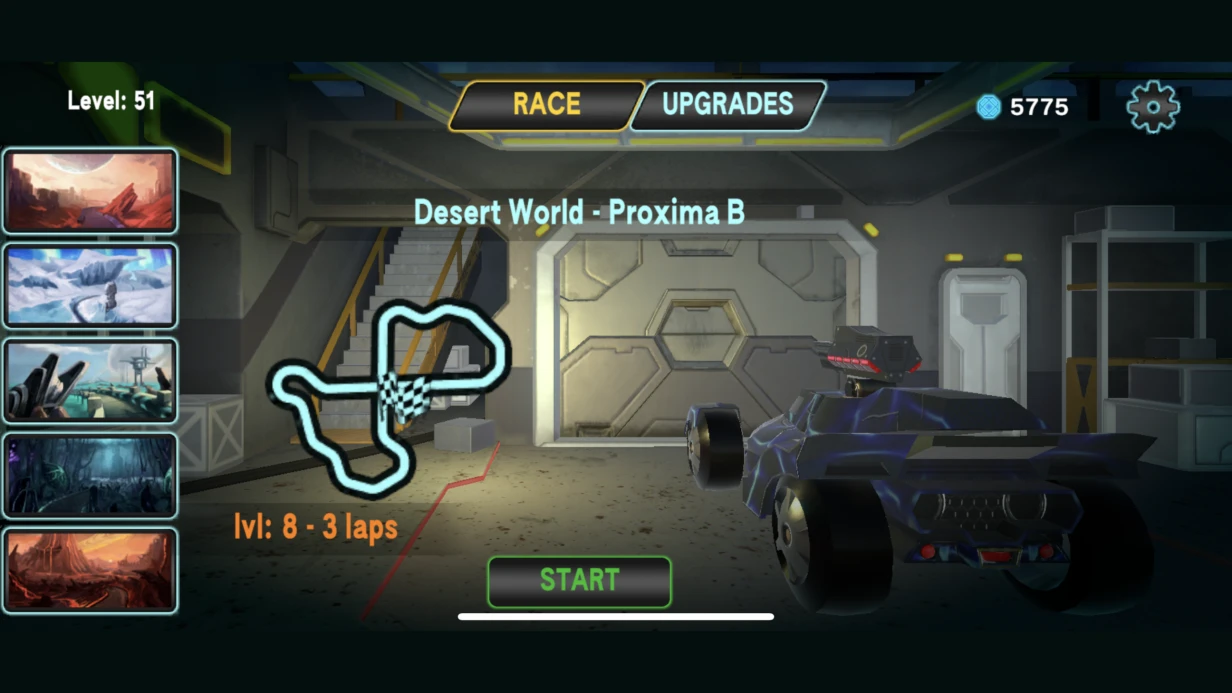
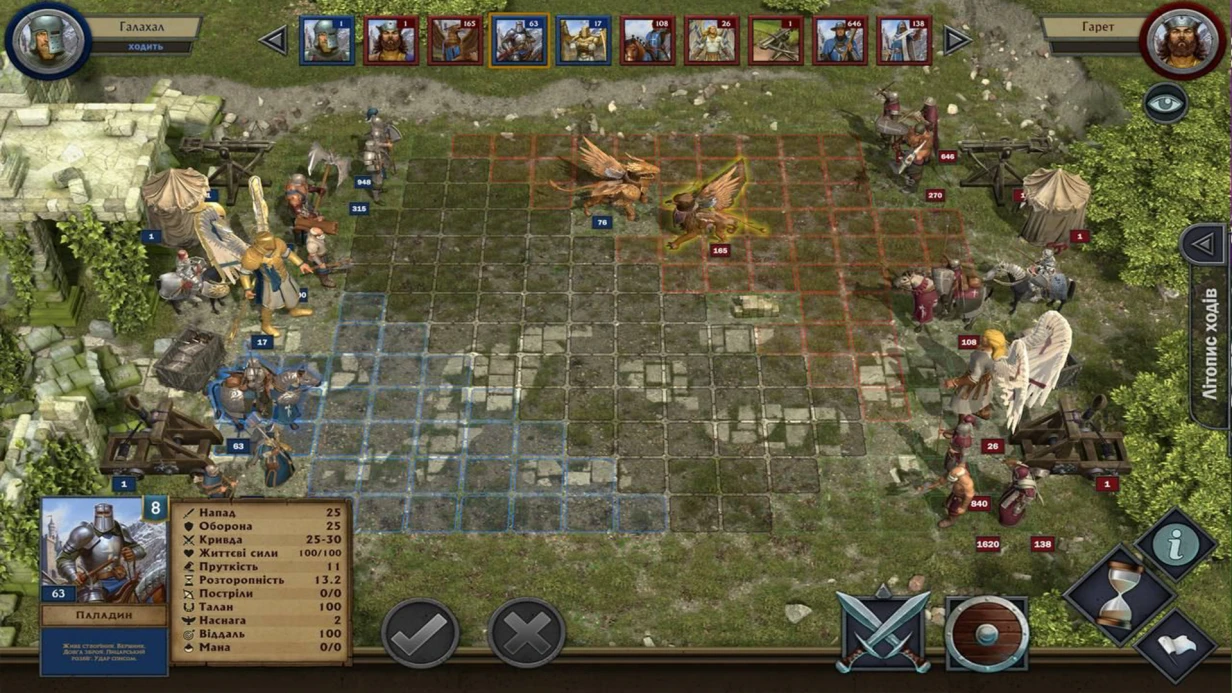
A game prototype with real integration to your data or services turns abstract promises into a visible result.
We've learned from 10+ years of experience: a demo that shows how game mechanics exchange data with your system eliminates the project's key risks — unmet expectations, hidden technical limitations, and budget loss. The client receives an artifact that can be presented to the board of directors and gain approval.
Such a demonstration is not just a pretty picture. It is a working prototype that tests system integration before you invest in full development. You see response speed, data correctness, and behavior during failures — and can make an informed decision about scaling.
As a result, you are not buying "a pig in a poke" but putting a clear outcome on the table. Questions are resolved at every level, launch timelines become predictable, and resources are not wasted. If your project depends on system integration — start with a prototype that will show everything.
What You Get After Implementing a Game Prototype
A working prototype is not a "semi-finished product" but a tool that immediately shows the value of the future product.
Instead of dozens of slides and descriptions, you get a live scenario: users see how the system interacts with other services, and you see the audience's reaction. This is especially important when the budget is not yet approved and decisions need to be made quickly.
The main benefit is user engagement. When you have a visual demonstration, clients and partners understand the product without lengthy explanations, ask specific questions, and share their expectations.
Such a prototype can easily be shown at a meeting, exhibition, or internal presentation — it speaks for itself. Moreover, the first real usage scenarios help adjust functionality before significant resources are invested in development.
For investors and management, a prototype means clarity. Working integration is more convincing than any promise: you see how data is transmitted, how the system reacts, and where bottlenecks occur.
This removes the fear of an "unclear project" and turns an abstract idea into a tangible result. You get an objective basis for discussing budget and timelines — not assumptions.
Finally, a prototype reduces risks from the start. You see complex areas in advance, estimate the real effort, and decide — whether to go deeper into development, change the approach, or expand functionality.
Small investments at this stage save money and time in the future, and the team gets a clear technical specification based on facts, not guesses.
We help you go through this path quickly and with a clear result — from the first brief to a working demonstration that can be shown to all stakeholders.
Demonstration Formats: How to Choose the Right One for Your Task
The right demonstration format directly affects how quickly the client sees the value of the integration and decides to collaborate. Many projects get stuck at the presentation stage because they show technical implementation rather than the business result.
An interactive scenario shows the working logic from the user's perspective, while an integration showcase demonstrates the technical maturity of the solution to your managers and partners. We select the format based on the specific task and audience — this saves weeks of negotiations.
| Format | Intended purpose | What it gives the client |
|---|---|---|
| Interactive prototype | Show user scenarios and interface logic | Visual result, quick engagement, ability to test the experience before launch |
| Scenario demonstration | Present multiple scenarios at a meeting or review | Controlled delivery, clear narrative, emphasis on business value |
| Integration showcase | Demonstrate integration with your systems | Confidence in implementation, reduced risks, readiness for a trial launch |
If you are not sure which format you need, start with an interactive prototype — it provides maximum visibility and suits most scenarios.
For a narrow task where you need to show integration with existing systems, choose an integration showcase: it addresses questions about security and readiness for a trial launch.
Book a free consultation — in 30 minutes we will select a format that will speed up your decision to launch.
How Prototype Development Works: Stages and Control
So that you understand how the work progresses and where you can influence the result, we have structured the prototype development process as a series of short stages with checkpoints.
Brief, scenario approval, intermediate demos — you always know what is happening and exactly what you are reviewing.
-
Brief and expectations. We record the demonstration goals, the list of systems, and the scenario that needs to "come alive." Here we also define success criteria — what counts as a ready result for your team.
-
Scenario and mockup design. We describe how the user interacts with the prototype and how system data appears in the game. We approve the mockup before development starts — edits at this stage are inexpensive.
-
Creation of a playable version. We build the prototype on a professional engine so that it works on your equipment. Within a few days you see the core mechanics and style, not just a presentation.
-
Integration with your systems. We connect the prototype to test environments or simulate data exchange. We verify that the required events and data appear in the game on time and in the proper form.
-
Scenario and stability testing. We run the demonstration from start to finish, fixing crashes and freezes. You receive a version that will not let you down in front of managers or clients.
-
Acceptance and handover. We show the final prototype, hand over the build and a brief instruction. You accept the work according to pre-agreed criteria — without surprises.
At every stage you get a concrete result to review, not just promises. This allows you to make changes while they still do not require reworking the entire project.
Delivery Contents: What Is Included in the Integration Verification Kit
You do not receive a "black box" with game text, but a complete integration verification kit — clear to the team that will implement the solution.
All artifacts are put together so that the client can hand them over to developers, testers, or a contractor without long retellings or loss of detail.
Here is what the delivery includes:
- Source code and project resources. The version we discussed at the brief stage, without any unnecessary intermediate builds. You can hand it over to any team for further work.
- Integration demonstration scenario. The sequence of actions for showing how the game prototype connects to your system: where to click, what data to check, and which windows and messages count as a successful result.
- Test report. Records which scenarios have already been verified, which edge cases have been considered, and what is left to your discretion. This saves weeks of trial and error.
- Launch and setup instructions. Step-by-step guidance for installation and connection to your servers or test environment. Written in plain language — your administrator will be able to handle it.
- Improvement plan. A prioritized list of enhancements with time estimates and dependencies. You see the full picture: what can be postponed and what is critical for launch.
- Data flow diagram. A visual description of which parameters go from the game to your system and what comes back. Especially important if there are multiple integrations.
- Video recording of the working prototype demonstration. A session recording showing the entire scenario from start to finish. Convenient for presenting to management or partners without setting up an environment.
Such a kit turns the prototype from "look and forget" into a working tool for decision-making. You immediately understand how many resources are needed for full integration, what risks remain, and where you can accelerate the launch.
If you are unsure whether this composition is right for you — look at the improvement plan and the data flow diagram: these two artifacts most often resolve the main questions before a decision on the full budget. You get a transparent basis for negotiations, not an abstract promise.
Case Study: How Prototype Integration Accelerated a Product Launch
Integration with corporate systems is the most common bottleneck when launching a new product. While departments align data formats and test integrations, competitors manage to carve out their niche.
We close this risk at an early stage: we build a working prototype and demonstrate integration on real scenarios before the main development even starts.
A hypermarket chain called Vector approached us — it was preparing to launch a loyalty program in a mobile app. The main risk was data exchange with an internal accounting system: without it, the app would not be able to accrue points or process purchases.
Instead of building the full product right away, the client asked us to demonstrate that the integration actually works.
We assembled the prototype in three weeks: a user screen, a minimal purchase scenario, and the integration with the corporate database. We tested the prototype on real situations — point synchronization, product returns, and customer status checks.
Right away, seven mismatches in business processes were found that would otherwise have surfaced at the launch stage and delayed the release for months.
Result: the system integration demonstration reduced the time to market for the client's product by 25%. Vector received an accurate estimate of the improvements and approved the plan with no hidden surprises.
The prototype was not discarded after the presentation — it became the foundation of the production version, and the development team did not rework the architecture but extended an already proven base.
This is how integration turns from a source of risk into a clear stage with a measurable result. If you need to accelerate your launch and confirm compatibility with your systems — let's start with a prototype and show the result on real data.
What If I Have Specific Integration Requirements?
Non-standard integration is our usual working situation, not an exception. Every business has its own infrastructure: its own information systems, accounting rules, and data handling procedures.
A ready-made template will not work here, so we start not with a technical specification but with an analysis of your process — how employees work, what data is needed, and where it is currently stored.
Adaptation to your environment is built in at the planning stage. We clarify which systems the prototype should interact with, in what format you prefer to receive data, and who will use it.
This allows us to design a solution that fits into the team's daily work instead of requiring it to be restructured.
The demonstration is built on your real scenarios: we connect to test data or create a safe copy of the systems to show how everything will work in a live environment.
You will see not an abstract picture but a concrete result — how an employee enters data, how it is reflected in accounting, and how clients and partners interact with it.
After the prototype is launched, we stay in touch: you show it to colleagues or partners, collect questions, and we make changes promptly. If the demonstration reveals that the scenario works differently than expected, we will correct it.
So you receive not a "pretty mockup" but a working tool for negotiations and internal approvals.
Specific requirements are not a limitation but an opportunity to tailor the solution more precisely to your tasks. Tell us how your process works — and we will show what it can look like in just a couple of weeks.
Frequently Asked Questions About Timelines and Accountability
We understand your concerns: before launching a project, it is important to know how long development will take, who is responsible for the result, and what happens if deadlines are missed.
We work on a transparent basis — we record agreements in the contract and keep you informed at every stage. We answer common questions directly.
How long does it take to create a prototype?
The timeline depends on the complexity of the integration and the number of systems involved. Developing a demo version usually takes two to four weeks — enough to show the key working scenario and receive feedback.
We set the exact schedule after the brief and confirm it in the project plan. You always see which stage is currently in progress and what comes next — no surprises.
What happens if deadlines are missed?
Missing deadlines is our responsibility, so we build a time buffer into each stage in advance. If unexpected difficulties arise, you will be the first to know — along with a new forecast and action plan.
The contract sets out our obligations on timelines and compensation conditions if they are violated. We are motivated to deliver on time — our reputation and repeat projects depend on it.
Who is responsible for the final result?
The project has a single responsible manager who coordinates the team and answers to you for the result. They collect requirements, monitor quality, and deliver the finished prototype to you within the agreed timeframe.
If you find any discrepancies during acceptance, we fix them free of charge until full compliance with the technical specification. No additional invoices for something that was not completed properly from the start.
What guarantees do you provide?
We work under a contract that specifies the scope of work, timelines, acceptance procedure, and liability terms. You receive the source materials and access to the project — this is not a "black box" but a working tool that stays with you.
After the prototype is delivered, we remain in touch: we help with launch, answer questions, and refine functionality if necessary. Warranty support for the agreed period is included in the cost.
If you still have questions — ask us directly, and we will prepare an answer tailored to your scenario. Transparent timelines and accountability are the foundation on which a successful project begins.Order a Game Prototype Development with a Guaranteed Result
For a prototype to truly demonstrate integration with your systems, it must work without failures and precisely match the logic of your event.
We take responsibility for that: we select professional equipment, tailor the game scenario to your task, and test everything before launch. So you get not a "raw" mockup but a working tool for demonstration.
We provide a result guarantee. After your request, we will send a demonstration plan within 24 hours: which scenarios we will show, how the game will connect to your systems, and what launch options are possible at your venue.
This is not a general statement but a specific plan with stages, deadlines, and responsible parties.
Immediately after your request you receive:
- a consultation on demonstration formats and scenarios;
- a work plan with clear deadlines and stages;
- an assessment of the prototype's compatibility with your equipment and systems;
- usage options: from an open zone to a managed session;
- a guarantee of the prototype being ready by the event date;
- support at all stages — from the first discussion to launch.
Leave a request via the form or by phone — we will get back to you with a demonstration plan within 24 hours. We will discuss the task, answer questions, and propose a solution tailored to your format.
Ordering prototype development means getting a working tool for presenting integration that will strengthen your event and impress the guests.