

Without a prototype, a game project won't attract investors
Over the course of a week, an investor reviews dozens of game presentations. Each one has beautiful concept art, promises of mechanics, and slides with revenue forecasts.
But behind the words there is almost never a result: it is unclear how the project will feel in players' hands, whether the team can carry it to release, and why players would stay beyond the first hour. Without a working game prototype, these are just declarations of intent.
A prototype removes the investor's main risks — "does this actually work, and can the team see it through?".
When you can spend five minutes playing a short demo, feel the core loop, and catch the thrill of the mechanic, negotiations move from the realm of fantasy to the realm of product. It is tangible proof that the project deserves funding.
To the game creator, a prototype is a way to get game investment without giving away the idea at an early stage. Instead of long slide-based negotiations, you show a live product, collect feedback, and adjust the production plan before committing a large budget. This approach accelerates a funding decision and reduces the risk of project failure.
We develop game prototypes specifically for fundraising. We work quickly — usually two to four weeks — and focus on what matters most: one key mechanic, a clear demonstration of value, and a tight game loop.
We also prepare materials so you can present your prototype at a meeting or in a video review for investors in other cities.
Benefits of a Prototype: Testing the Idea and Increasing the Chances of Success
A prototype is not just a smaller version of the game; it is a tool for validating your idea before significant resources are invested in it. At this stage you can see how engaging the mechanic is, whether it holds attention, and whether players want to come back.
For an investor, this argument is more convincing than any presentation: they see a working game idea, not abstract promises.
The main benefit of a prototype is reducing development risks. Instead of spending months and budget on the full version, you test the key hypothesis in a few weeks. If the concept doesn't click, you learn that quickly and cheaply and change course.
If tests show high engagement, you have facts that convince an investor the game project will succeed.
A prototype saves time and money at every subsequent stage. By catching errors early, you avoid costly fixes after release.
For the client, this means a predictable budget and clear deadlines; for the investor, it signals that the team operates professionally and does not waste resources.
Another benefit is the ability to show the investor not just the game but its potential. A prototype is easy to demonstrate at meetings, hand over for testing by partners, and collect real reactions and metrics — session length, player returns, interest in the mechanic.
This data forms the basis of negotiations and raises the project's value in the eyes of the investor.
Finally, a prototype gives you confidence in moving forward. You are not developing blindly; you act on feedback. That is how successful game projects are born: first validate the idea with real users, then scale.
With a prototype, you come to the investor not with a dream but with a well-founded proposal, and that decides the outcome of negotiations.
Prototype Formats for Different Goals
For an investor, the main thing is to see that the project is viable and that the team can deliver on the idea. But different goals call for different prototype formats: what convinces at a pitch session is useless for validating a hypothesis at the start.
That is why it is important to choose in advance a level of fidelity that matches your goal and project stage.
We help you choose the right format and create exactly what will work with your investor. The table below offers guidance for your choice:
| Prototype format | For whom and when | What it gives the investor |
|---|---|---|
| Concept | For initial meetings and idea validation | A packaged idea, economics, and potential without development costs |
| Vertical slice | To confirm that the mechanic is engaging and feasible | A playable piece of the core mechanic, an assessment of gameplay and style |
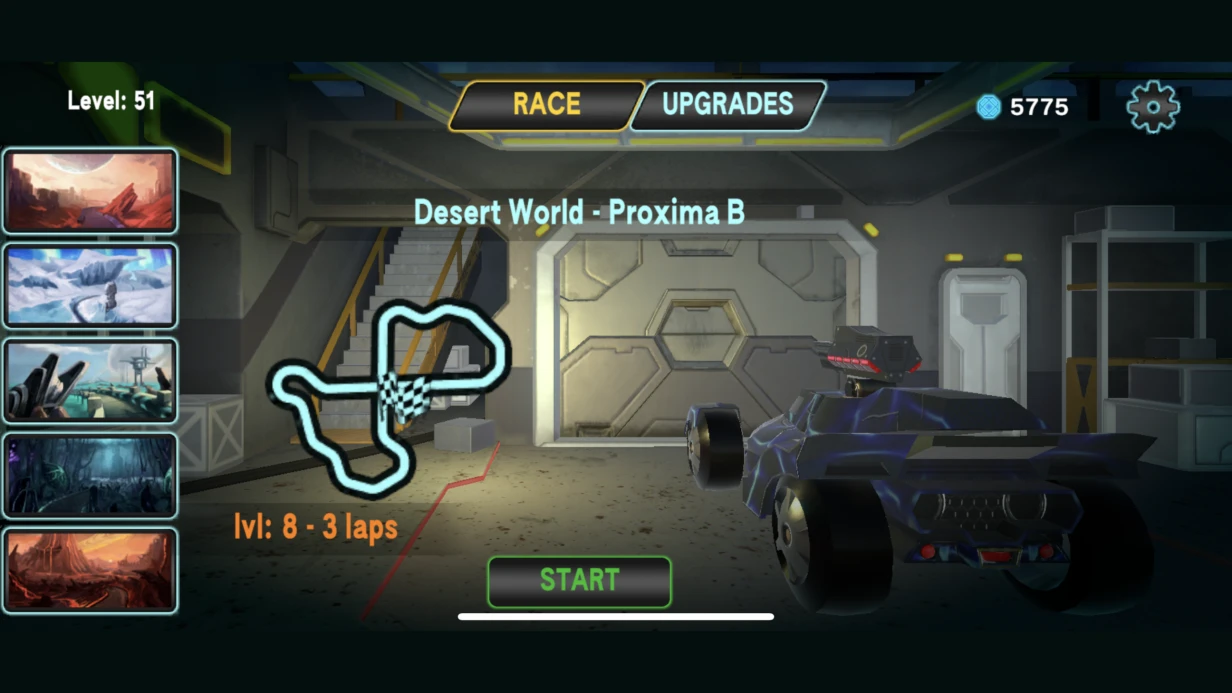
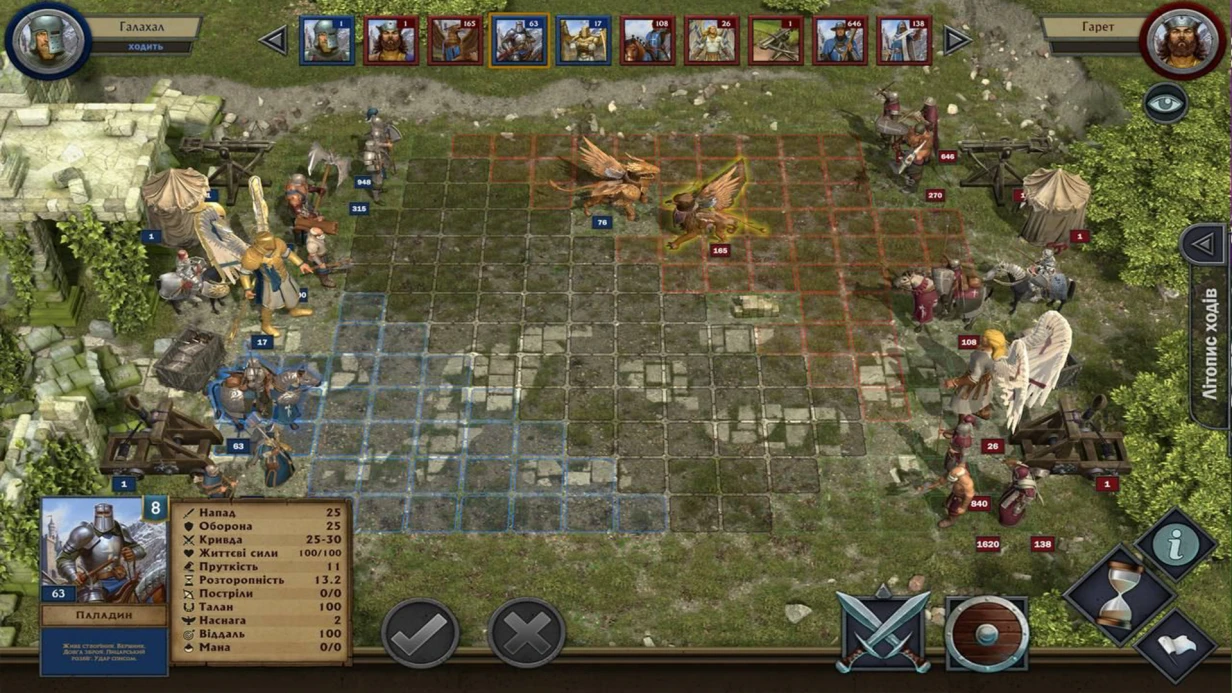
| Demo version | For pitch sessions, exhibitions, and live demonstrations to investors | A full level with graphics, sound, and controls that can be tried out |
If you are still validating an idea, start with a concept: it is fast and shows the investor that you think in terms of economics and risks, not just that you want to "make a game." When you need to prove you can deliver on the idea, a vertical slice is more convincing than any slide deck — the investor sees how the game looks and feels.
And for the final push before a deal, use a demo version: it gives the investor hands-on experience with the product and removes any last doubts.
Over 10+ years, we have built dozens of prototypes for different niches — from mobile games to simulators. In every case, we choose a format for your specific goal and build a prototype that produces results: it helps you get feedback, negotiate the next stage, or close a deal.
Tell us about your situation — we'll advise where to start and which format will deliver the most value.
How Prototype Development Works: Stages and Timelines
An investor makes a decision in the first minutes of a demonstration. That is why prototype development is built as a clear process: you always know what stage you are at and what you will get in the end.
The typical development time is three to six weeks, depending on the scope of game mechanics and graphics. Here is the process step by step.
-
Prototype brief. We discuss which investors the demo is for, which mechanics should impress them, and what business metrics you want to show. We lock down the tasks and readiness criteria so we move toward a clear result from the very beginning.
-
Concept and work plan. We define the scope: which features go into the prototype and what can be deferred. We agree on development timelines and milestones so you can see progress and influence the process.
-
Game experience design. We describe the scenario, rules, and balance, and flesh out the core mechanic. You get a clear description of the game before programming begins and can confirm the direction in advance.
-
Building the playable demo. We implement the prototype with the core scenario, interface, and graphics. At this point you can already play and assess how the product looks through an investor's eyes.
-
Testing and polishing. We check scenarios, fix bugs, and polish details. The priority is a stable, glitch-free demonstration during the investor meeting.
-
Project support. After delivering the demo, we stay in touch: we help prepare the presentation, answer technical questions, and refine the prototype based on initial screenings.
This sequence eliminates surprises: every stage ends with a clear result, and the final prototype becomes your argument in negotiations with those who decide on funding.
What the Prototype Delivery Includes: The Complete Package
An investor decides within a single meeting, so the prototype must impress without long explanations. We hand over a complete package, not a "semi-finished product": from a presentation-ready game to documents that answer most questions before an agreement is signed.
- A working prototype — the game or core game loop runs on any laptop in a couple of minutes, with no installation or setup required. The investor sees the product in action, not promises.
- Prototype presentation — ready-made slides for the meeting: the game's essence, project economics, and development roadmap. You won't need to prepare a presentation from scratch.
- Documentation package — concept, target audience description, and monetization model. This is a ready foundation for assessing the market and the project's potential.
- Source files — the project's code, graphics, and settings are fully transferred to you. You are not tied to the developer and can continue work with any team.
- Video demo — a short gameplay video for sending to investors who could not attend the meeting.
- Technical description — a list of implemented features and a development plan, so investors can assess the realism of timelines and budget.
All materials are organized into a single structure that can be conveniently shared with one link. At the meeting, you don't waste time explaining — the investor watches, plays, and asks substantive questions. That is how a prototype drives investment rather than remaining just a demo.
Case Study: How a Prototype Secured Investment for a Game Studio
The Nimbus Games Studio Case
Investors in game development make decisions differently than it may seem: they don't want presentations; they want proof. An idea without a prototype is a high risk, and risk usually means rejection. That is why we build prototypes that work at business meetings and make investors want to commit.
Nimbus Games came to us with a concept for a mobile RPG and a unique progression system. After their first unsuccessful pitch sessions, it became clear: without a playable demo, investors simply would not talk about money.
In five weeks, we built a prototype with a core gameplay loop, one location, and an economy. That was enough to show the game in action at the meeting rather than explain it in words.
Prototyping results: out of 12 investor meetings, 9 moved on to discussing terms, and 5 made funding offers. The key trump card was retention data — 74% of testers returned to the game the next day, and the average session was twice as long as those of competitors in the niche. These numbers became the decisive argument, and the studio closed an investment round.
Why a Prototype Convinces Investors
An investor buys not an idea but the confidence that the game will attract an audience and generate profit. A prototype provides that confidence: it shows emotion, economy, and potential reach.
For us, this is not abstract theory — every case like this confirms that a successful prototype shortens the path from idea to investment many times over.
You hold in your hands a ready-made pitch tool — and the investor does not have to imagine what the game looks like or how it works. We apply the same approach to your project.
Common Doubts: Answers to Questions About Prototypes
Before ordering a prototype, a business owner usually has three fears: their idea will be stolen, money will be wasted, and investors will not like the result. That is normal — a good contractor removes these risks as early as the briefing stage. Below are answers to the questions we hear most often.
Will my idea be stolen during prototype development?
Your idea is protected before the work even starts. We sign an NDA — a non-disclosure agreement — that covers the entire development period and remains in effect afterward. All materials, scenarios, and developments remain your property.
In 10+ years of work, there has not been a single leak — reputation is more valuable to us than any project.
What if investors don't like the prototype?
A prototype is a tool for testing a hypothesis, not a guarantee of investment. But we structure the process to reduce risk: first we lock down the core mechanic that hooks the player in the first minutes, then we show it to a focus group.
If the mechanic doesn't work, we change it before big budgets are committed. You get not just a pretty picture but a proven story for your presentation.
How long does prototype development take, and how do I control the process?
A typical cycle is 2 to 4 weeks, depending on the complexity of the mechanic. Each week you receive a demo version and see progress. We don't disappear for a month; we work in short iterations: show a result — get feedback — move forward. This lets us make changes along the way instead of at the end.
What is included in the result, and will I keep the code?
You receive the complete package: a playable version, source files, a description of the mechanics, and recommendations for completing the product. Everything is handed over to you — you are not tied to us and can develop the project with any team.
If you still have doubts, start with a short brief — it is free and non-binding. We will answer questions about your project and show how a prototype strengthens your position with investors.Next Steps: Order Prototype Development
Every day without a prototype delays investors' decisions. Partners don't invest in slides and descriptions; they need to see how the game looks and feels.
We close this gap with a clear process: you tell us about the idea, we turn it into a working prototype, and help you present it in the right light.
After you submit a request, you receive:
- advice on your idea — what to strengthen, what to cut, and what to show the investor first;
- a project brief without technical jargon: it is clear what will be ready at the first stage;
- a development plan with stages and the result of each one, rather than abstract timelines;
- a team with experience specifically in game prototyping, not generic software development;
- a transparent payment and delivery process — no hidden items or surprise surcharges;
- if needed — a separate package of materials for demonstrating to investors.
The project then moves along a simple path:
- You submit a request on the website or in a messenger.
- On a short call, we clarify the target audience and what investors are asking for.
- We prepare a proposal: scope of work, timeline, and cost.
- We sign an agreement and formalize the arrangements.
- We launch development and show results stage by stage.
The first step is simply a request. From there, we guide you from idea to a prototype that will say more to an investor than any pitch. Submit a request, and you will get an action plan the very next day.
How to Choose the Right Prototype Format for Your Task?
Choosing a prototype starts not with technology but with answering the question: what exactly do you want to show the investor?
If your goal is to confirm that the game is interesting, that it has a unique mechanic, and that the team can take the project to release, then you need a format that clearly demonstrates these three points. An investor should feel the thrill of the game in 5-10 minutes, not study text descriptions.
To attract investment, you don't need to build a huge part of the game. A vertical slice is enough — a short but fully playable version with the core mechanic and a clear visual style.
Such a prototype shows what the game looks like, how it feels, and why players will want to come back to it. It is more convincing than a presentation with concept art and economic calculations.
The prototype budget directly affects the format choice. If resources are limited, you can make a minimal prototype around one central mechanic — its task is to test the hypothesis and capture the first reactions from the team.
When a large investment round is planned, it makes sense to invest in a more polished sample: with several levels, a basic interface, and tuned animation. Such a prototype gives the investor a sense of a finished product and reduces the risk of buying a pig in a poke.
We help you choose a prototype format for your specific task online: we analyze your goals, target audience, and budget, then recommend the optimal prototype type and timeline for creating it.
You get not a cookie-cutter recommendation but a well-founded decision that will save time and money during the preparation for negotiations.
The key is not to chase "bigger and more expensive." A properly chosen prototype format answers the investor's main question: "Is this team and this game worth investing in?" That is why we first define the goal, then determine the budget, and only then choose the implementation tool.