

Why a Game Fails at Launch Without Cross-Platform Testing
Imagine this: a player downloads the game, eagerly waits for it to start, and then everything lags on their smartphone, the interface breaks apart, or the game crashes. They won’t dig into the reasons — they’ll simply uninstall and leave a negative review. That’s how you lose the audience you attracted through advertising.
Today’s gaming audience is extremely diverse: from flagship owners to users of budget models. And they all expect equally fast and smooth performance.
If the game doesn’t run on some popular model, you lose not just one user, but an entire market segment along with revenue and reviews.
Cross-platform compatibility is not just a technical option, but a condition for survival in the mass market. The same game runs on thousands of device models with different screens and performance levels.
If you don’t account for this at the start, compatibility issues will surface at the release stage and cost many times more to fix.
A game prototype allows you to test compatibility before serious money is invested in development. At this stage, you can see which devices can’t handle the graphics, where failures occur, and how the game behaves on low-end smartphones. This gives you confidence that the product will reach your entire target audience.
We build a cross-platform prototype that checks key parameters: response speed, stability across different operating system versions, and interface adaptation. After such a test, you get a precise picture of compatibility and make a decision about scaling without surprises. The money saved on fixes can be directed toward growing the project.
What You Get from a Game Prototype for Your Business
A game prototype is not a “semi-finished product” for developers, but a working tool for validating your business idea.
Instead of long discussions about hypotheses, you get a product you can show to an audience, collect real feedback, and make a scaling decision based on numbers, not assumptions.
Key Business Benefits
Validate interest before big investments. A demo version replaces an expensive research study: you see how many users reach the end, how many come back, and what they say in comments. This is a direct answer to whether the project is worth developing further.
Reach and brand awareness. People enjoy playing, not watching presentations. A game prototype spreads easily across social media and messengers: each participant brings their own friends, and your brand gets additional publicity without a targeting budget.
Lead generation and a sales base. Inside the game, you can offer a subscription, a special offer, or collect contacts in exchange for a bonus.
You get an engaged audience that has already tried the product in action — such leads convert into purchases noticeably better than cold ones.
Payback over time. Even if the prototype doesn’t become a mass-market game, it pays for itself as a marketing tool: it lowers customer acquisition costs, increases loyalty among existing users, and provides material for PR campaigns.
To reach the widest possible audience, we make the prototype cross-platform — it works equally well on computers and mobile devices. This removes the limitation of “only a select few can play” and multiplies the potential reach.
“The game prototype helped us gather feedback from 10,000 users in a month and understand that the audience needed a different mechanic. We saved the budget on full-scale development that would have failed with that scenario. An added bonus — awareness: people shared the game on their own, and our Instagram grew by 30% without any advertising.”
This approach lets you launch an idea validation within a few weeks, not six months. You don’t get a report — you get a living product that immediately starts working toward your business goals.
Game Prototype Development Formats for Your Task
Investing in full development right away is risky: to test cross-platform compatibility, a prototype tailored to your task is enough — from a quick idea check to an interactive demo. The right format saves budget and time, and first results are visible within a few weeks.
We work with different prototype formats — choose the one that fits your goals and scale. The table shows cost estimates and what you get as an output.
Prototype Formats
| Prototype Format | Budget | What You Get |
|---|---|---|
| Concept check | Minimal | Idea validation, description of mechanics and risks before development begins |
| Single-platform prototype | Moderate | Gameplay and controls testing without adaptation costs |
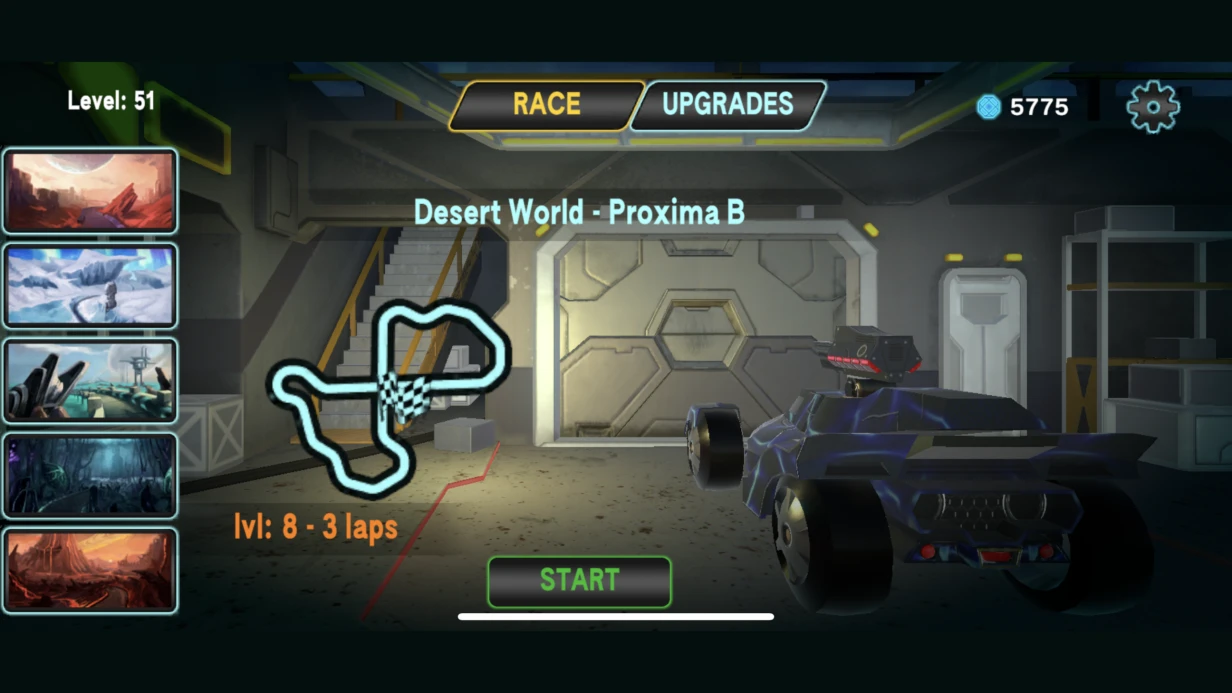
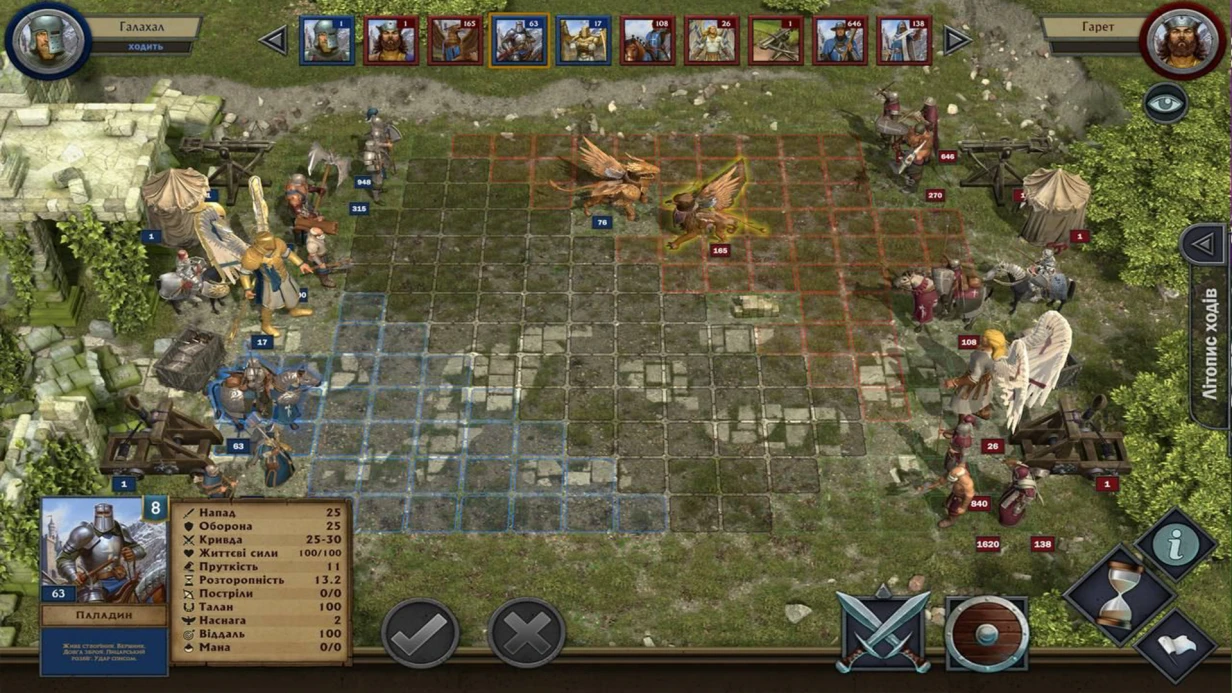
| Cross-platform demo | Extended | A demo running on computers, smartphones, and tablets — for investor presentations |
| Working version (MVP) | Full | A product with key functionality for user testing and fast launch |
We’ll help you choose a format for your task and calculate the development budget without overpaying. After a short brief, we’ll propose the optimal option and a work plan.
Each format already includes a cross-platform compatibility check: we design the game so it runs stably on different devices, and you get no surprises at launch.
How a Game Prototype Project Works
The process is structured so you see results at early stages and can influence the project before large resources are invested.
No “work in a vacuum”: every step ends with a clear deliverable — a document, a plan, or a testable version of the game that you can show to your team or partners.
-
Brief and task immersion. We ask questions about your audience, usage scenario, and business goal. We document expectations for functionality and platforms, so the prototype solves your specific task rather than being a “game for the sake of a game.”
-
Plan and phased estimate. We agree on timelines and scope before starting. You know in advance what you receive at each step, what results will be checked, and how quickly the project moves toward the pilot version launch.
-
Concept and mechanics approval. We present scenario descriptions, key mechanics, and the logic of user interaction with the game. At this stage, changes are cheap — we adjust direction before the main code is written.
-
Working prototype development. We build it on professional tools used by industry studios. You get not a presentation, but a playable version: it can be launched, tested, and shown to investors or an internal team.
-
Game testing on target platforms. We check prototype behavior on different devices and screen resolutions. The goal is to confirm cross-platform compatibility and find bottlenecks before they become problems for real users.
-
Pilot version launch. We hand the prototype to a limited group — employees, partners, or first customers. We collect their feedback, measure time “to the first result,” and identify where users struggle.
-
Support and iterations. Based on feedback, we make adjustments, remove what’s unnecessary, and strengthen what works. You get not a static document, but a living version that can be developed further — into a full product or a demo for presentations.
What’s Included in the Game Prototype Delivery Package
When you order a game prototype, it’s important to understand in advance exactly what you’ll receive. We put together a delivery package that covers all the team’s questions — from project launch to decisions about further investment.
We hand over the source code and full documentation. The code is stored in a repository you get access to immediately. The documentation describes how to run the project, where the key modules are located, and which settings affect game behavior. This lets your developers quickly get up to speed without a long onboarding process.
The main result is the cross-platform compatibility testing outcome. We prepare test scenarios, run checks on target devices, and produce a compatibility report. It shows which platforms the prototype runs stably on and where refinements are needed.
The delivery package includes:
- Prototype source code — in a repository convenient for you, with a clear structure and comments.
- Technical documentation — architecture description, launch instructions, environment settings.
- Test scenarios — ready-made checklists for verifying key mechanics and functions.
- Testing report — results of checks on different platforms, including found bugs and their status.
- Compatibility report — a matrix of devices and operating systems with support level indicators.
- Refinement recommendations — a work plan, priorities, and risk assessment for moving to full-scale development.
After the package is delivered, you get not just code, but a foundation for decision-making: whether the idea can be scaled, which platform is primary, and how many resources the release of the finished game will take.
If needed, we stay in touch and help with prototype development — from fixes to building the final version.
Case Study: How a Game Prototype Helped a Client Attract Investors
One of our clients — a studio planning a multiplayer game for PC and mobile devices — ran into a problem: investors didn’t believe in cross-platform compatibility without a working sample.
A long presentation and concept document had no effect: negotiations ended with a promise to “come back to the question.”
We proposed building a playable prototype in two weeks that demonstrated key mechanics and simultaneous operation across different devices. The client didn’t have to invest in full development — it was enough to validate the main hypothesis and show the product’s potential.
The prototype became the centerpiece of the investor demo. At the meeting, the client ran a single session simultaneously on a computer and a tablet — this impressed more than any slides.
After two demonstrations, the studio received a funding offer for the first stage, and the case spread through industry channels as an example of a successful prototype.
Why did it work? The investor sees not a presentation, but a living product: they can evaluate the mechanics, the interface, and verify that the game works.
This removes the main objections and shifts the conversation from an abstract idea to a discussion of concrete development steps.
This prototype development case shows: to secure investment in games, you don’t need a full release. An accurate demo that covers risks and shows potential is enough.
That’s what we do — we build a prototype in 1–2 weeks, and you go into negotiations with a confident result.
How to Choose a Prototype Format for Cross-Platform Testing?
Choosing a prototype format is not a technology question, but a question of your business task and budget.
Cross-platform compatibility can be verified in different ways: quickly and cheaply at the hypothesis level, or as close to the real product as possible, when you need to show results to an investor or run a test with real users.
We always match the format to your specific goal rather than offering a one-size-fits-all solution.
If you need to confirm in a few days that the idea actually works on different devices, a lightweight prototype-slider will do — a sequence of key screens and scenarios.
When the task is to show the gameplay to partners or an internal team, we choose an interactive prototype: core actions are available, dynamics are visible, but there’s no final polish.
The maximum validation comes from a playable demo version — a real piece of the game with basic analytics and user behavior metrics.
| Format | Suitable for | What the Client Gets |
|---|---|---|
| Prototype-slider | Validating a hypothesis, showing the idea to a team or partner | A quick answer in a couple of days: is the concept viable on different devices |
| Interactive prototype | Selecting mechanics, showing scenarios within the team | Understanding of control convenience and game logic before full development |
| Playable demo version | Testing with real users, investor presentations | Real data on retention, conversion, and stability on target platforms |
Simple advice: don’t start with the most expensive option. First, a slider — confirm the idea and remove risks. If the test shows potential, move to an interactive prototype and refine the game loop.
It’s worth investing in a full playable version when you need to prove cross-platform compatibility in practice and get numbers for a business decision.
We help you choose the optimal format during a free consultation: we’ll show examples of similar projects, assess your task and budget, and give you realistic timelines. Leave a request — we’ll pick a prototype that solves your task without unnecessary costs.
Frequently Asked Questions About Game Prototype Development
Clients often hesitate before developing a prototype: how fast will we get results, what about guarantees, and how big are the risks. We answer the most common questions — no technical jargon, only about your benefit.
How long does prototype development take?
The standard cycle is two to four weeks, depending on the tasks. During the brief, we lock in the key functions, the timeline, and — most importantly — the person responsible for the result. You get a working prototype for testing on the platforms you need.
What guarantees are there that the prototype will work on different devices?
We build the prototype on target platforms and run checks on real devices with different screens. As a result, we provide a report showing where the prototype performed stably and where refinements are needed — this removes risks before full development.
What happens if we’re not satisfied with the result?
We work in iterations: after each stage, we show intermediate results and make adjustments. If you’re still unhappy at the finish line, we’ll document the issues and bring the work to the required state within the contract. The warranty on completed work is valid for 30 days after delivery.
What does the prototype cost depend on?
The cost is determined by the scope of functions, the number of platforms, and interface complexity. Before starting, we agree on the estimate and lock in the price — with no hidden surcharges during the project.
Order Game Prototype Development and Validate Your Idea
You’ve already invested in the idea, but want to test it in real scenarios before investing in full development. A game prototype is a way to understand in weeks, not months, how the idea will behave across different devices and get numbers for a scaling decision.
We handle the entire process: from brief to a finished, assembled proto-version you can show to partners and testers.
When you order prototype development from us, you get not just “something to play around with,” but a full-fledged tool for validating cross-platform compatibility and removing risks. Here’s what’s included in the result:
- A clear development plan — stage-by-stage timelines with checkpoint dates, no surprises.
- A transparent estimate — the prototype cost is fixed before work begins and doesn’t change during the process.
- A turnkey working prototype — a built version of the game that can be launched on target platforms and shown to investors.
- A cross-platform report — which devices the mechanics run stably on, where refinement is needed, and what’s critical for the future release.
- Final recommendations — what to develop and what to simplify to reduce the budget of the full version.
- A clear demonstration — video and instructions for the team on how to test the prototype.
- Post-test feedback — a short session where we answer questions and help you decide on starting the main stage.
We work on a proven professional tech stack, so the prototype is immediately built for different screens and control schemes. This removes the biggest pain point: you get data on how the game behaves on real devices before making large investments. The typical prototype timeline is 3–5 weeks depending on mechanics complexity.
Let’s start with a free 20-minute call: we’ll look at the task, estimate the scope, and calculate the prototype cost. Leave a request — we’ll send a work plan and answer your questions within one business day.