

Why you're losing customers without games on Poki
While your competitors are appearing on Poki, you remain invisible to millions of players. Poki is one of the largest browser game platforms, where users look for entertainment every day.
They spend minutes and hours here, which means this is your audience—already ready to engage if you give them a reason.
A browser game is not just entertainment, but a tool of game marketing. The player immerses themselves in your brand: remembers the logo, colors, style, and gets positive emotions. Unlike an ad banner, a game is not blocked—people play it voluntarily. Every session strengthens the connection with the brand and increases loyalty.
Most importantly, a game on Poki starts attracting customers right after launch. The player wants to find out what else the brand offers: they go to the website, follow social media, try the product. Reach keeps growing without constant ad spend: users share the game themselves and come back again.
We develop browser games turnkey—from concept and mechanics to publication on Poki. We handle all stages so that you get not just a "checkbox game," but a working customer acquisition channel.
Add game marketing to your strategy—and those already playing on Poki will recognize exactly your brand.
What a developed game will bring to your business
A browser game on Poki solves several marketing tasks at once—from holding attention to direct conversion into leads. The user does not just look at the brand, but interacts with it: completes levels, competes, returns again.
This is a fundamentally different level of engagement than a standard banner or video—the player voluntarily spends minutes and hours with your brand.
Game mechanics built around your product are naturally memorable. The "brand—game" association is established faster, and the emotions of victory are linked to your company. Users share results on social media—every playthrough brings additional reach without an ad budget.
A game can easily become a source of leads: after a few levels, offer a bonus for subscribing, participating in a promotion, or providing contact details. The player is already engaged, so conversion to the target action is significantly higher than with cold traffic.
And Poki itself opens access to a huge audience—hundreds of thousands of people search for new games every day.
Finally, a game can lead to direct sales: promo codes, special levels with products, a mini-catalog within the process. Everything looks organic and unobtrusive, but every element works toward revenue.
In the end, one product combines brand advertising, lead collection, and encouraging repeat purchases.
Game development formats for Poki
The choice of game format for the platform determines how quickly the audience will engage with your story and whether they will want to come back.
Browser games on Poki capitalize on short attention sessions: some formats deliver instant emotion and reach, others—retention and deep familiarity with the brand.
Understanding the marketing objective, we select the genre and mechanics so that you get a measurable result—virality, time spent with the product, or repeat launches.
Formats and what to expect from them
The main development formats for Poki that cover promotion scenarios—from broad reach to user education.
| Format | Who it's for | What it gives the client |
|---|---|---|
| Arcade | Broad audience, reach on mass traffic | Maximum number of launches and ease of distribution—visitors come back to "beat the record" |
| Quest | Promoting a specific product or service | Immersion in the story and memorization of the brand message through sustained attention |
| Simulator | Demonstrating a process (production, service, repair) | Clear visualization of your business or product without words |
| Puzzle | Expert audience and thematic campaigns | Long-term engagement and a reason to return to complete a new level |
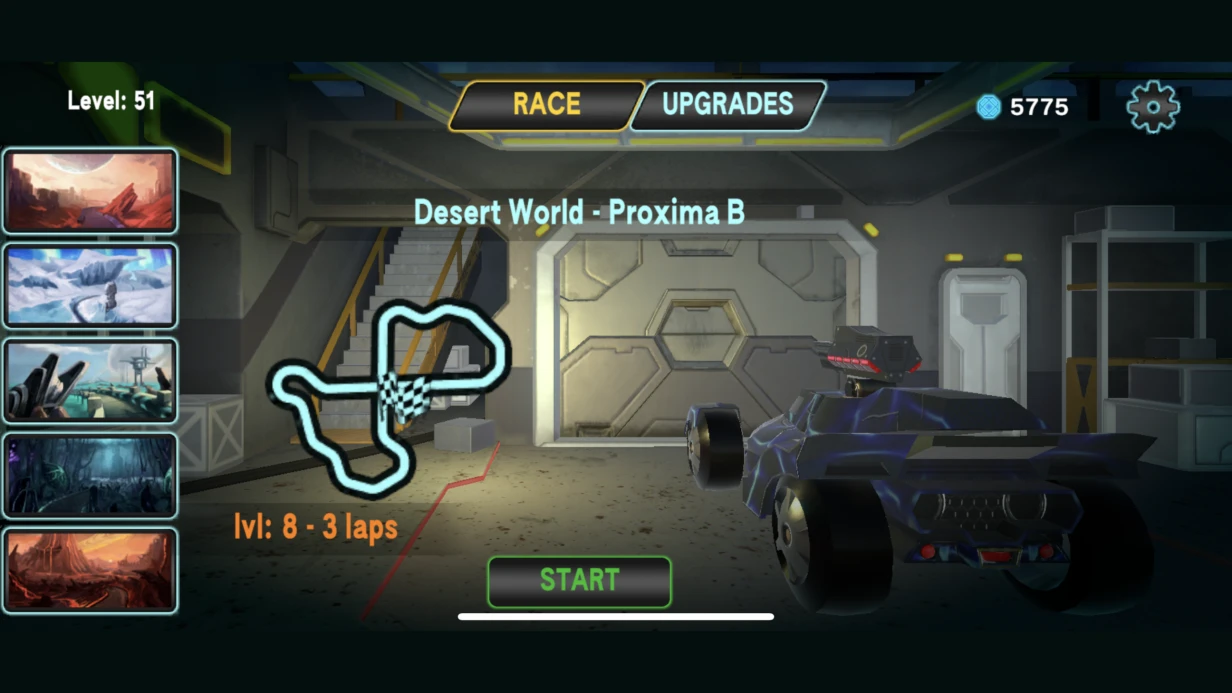
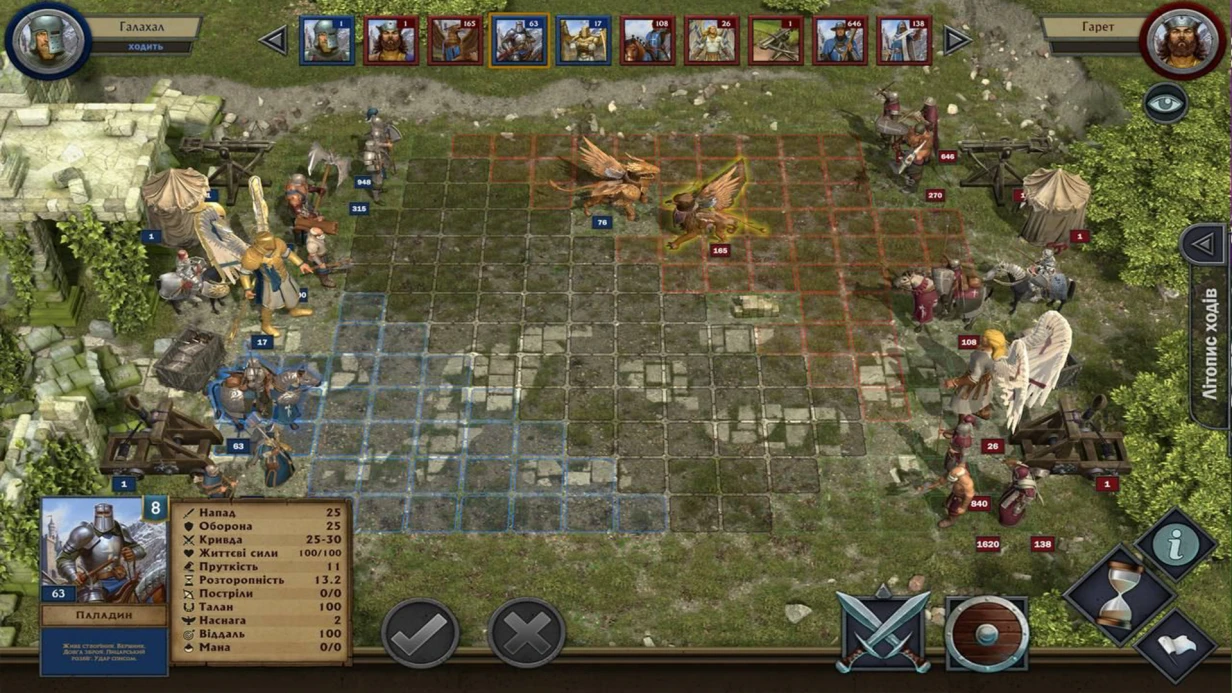
For each goal, we choose game mechanics that give the client maximum return. Need to quickly warm up an audience—we build an arcade. Need to generate interest in a complex product—we build a quest with a living scenario.
Development is carried out on a professional tool and optimized for built-in integration with Poki: fast loading, smooth gameplay right in the browser, instant start.
The user doesn't need to install anything—one click is enough, and you just need to show the game for it to start working for your brand.
If you're not sure which format best hits your objective, we'll suggest options at the brief and advise where to expect quick results and where to expect long-term loyalty.
How work on your game proceeds
What matters to you is not the process but the result—a game that gathers an audience. So the stages are arranged so that you always understand what is happening and make decisions at key moments. No "black box": you see the game from the first days until launch.
- Brief and analysis — we discuss the goals, audience, and specifics of your game. We document how it should retain players and benefit your project.
- Concept and prototype — you see how the game looks and feels. We agree on mechanics before major investments, so rework does not cost the budget.
- Development and intermediate builds — every two to three weeks, we show a working version. You make changes along the way, not at the end when changing things is already difficult.
- Testing and polishing — we check the game in real browser conditions, fix bugs, and adjust difficulty so people don't leave in the first seconds.
- Final version approval — you receive the finished game, test it, and make final edits. We prepare the description, screenshots, and preview for launch on Poki.
- Launch and integration — we help place the game on the platform, connect save files and leaderboards—everything that increases player returns.
- Support and updates — after release, we monitor reviews, fix bugs, and release updates. The game keeps working for you instead of lying dead weight.
What is included in the delivery of a finished game
When you order game development, what matters is not only the ready-made, well-thought-out mechanics by itself, but also what remains with you after release. We hand over a delivery package containing everything needed for a confident launch, project growth, and control.
Here is what is included in the delivery:
- Game source files — the complete project code, resources, and settings. You are not dependent on the contractor: you can develop the game with your own team or hand it to another developer without losing quality.
- Game rights — exclusive rights to use, modify, and distribute the product. You fully own the game and can dispose of it as you see fit.
- Documentation — clear guides for your employees: how to update content, moderate reviews, run promotions, and change texts without contacting programmers.
- Advertising materials — covers, icons, a catalog description, and a press kit. Promotion can start immediately after receiving the game.
- Configured analytics — connected statistics with reports in an easy-to-understand form. You see how many players complete levels, where they stop, and which mechanics bring more revenue.
- Monetization materials — ready-made blocks for displaying ads and in-app purchases, configured according to platform rules. This lets you earn from the game from day one.
- Testing help and support — our team's participation during the first launch and a month of free support after release: we answer questions and make sure everything runs smoothly.
All items are transferred via an acceptance certificate, so you get exactly what is specified in the contract. Every part of the game is checked for licensing cleanliness—no hidden dependencies or third-party elements that you would have to answer for later.
Case study: launching a game that paid off within a month
When a client came to us with the task of developing a browser game for Poki, the main request was not just mechanics, but fast audience reach and return on investment.
We proposed a format that works on the platform immediately: simple rules, a short session, and a high level of engagement.
Already in the first month after release, the game collected over 300,000 game sessions. The average session length was four minutes—an indicator that players are not just clicking but genuinely getting involved.
The next-day return rate reached 15%, and this allowed the project to enter the top of its category on the platform. For a browser format, such metrics indicate the right balance of mechanics and interest.
The key metric is payback. The money invested in development returned within the first month thanks to the built-in advertising model and organic traffic.
At the same time, we did not abandon the project after launch: we continued analyzing player behavior, making adjustments, and adding updates to keep retention high. As a result, the game became a stable source of income, and the client became our regular partner.
This case shows: with the right approach, a browser game can pay off in the first month and then keep working without additional promotion spending. After such a result, the client trusted us with the development of a second game—and that is the best confirmation of quality.
We are ready to repeat this scenario for your product, taking on the full cycle: from idea to release and support.
How to choose the right game format?
Choosing a game format is not a technical question—it is a marketing one. Before thinking about mechanics and animation, ask yourself: what should the game do for the business—attract new audiences, retain existing ones, communicate product advantages, or collect contacts? The genre, complexity, and the time a player is willing to spend in the game all depend on this.
For browser platforms like Poki, the short-session rule applies: people come here for 2–3 minutes between tasks. If your goal is reach and virality, simple mechanics that are immediately understandable and worth sharing with friends will work.
If the task is to engage the audience more deeply in the brand world, you can create a multi-level story with progress and daily bonuses. The main thing is that the format matches player expectations and does not require long tutorials.
The specifics of the task also lie in how the game fits into your funnel. For example, launching a new product works well with a story-driven mini-game where the main character uses the product in action.
To increase loyalty among regular customers, a game with accumulating points and prizes for repeat visits works well. Tell us about your goal, audience, and funnel stage—we will advise which format will deliver maximum effect without unnecessary investments.
Over ten years, we have implemented projects ranging from simple arcades to multi-session quests for various platforms. We have ready-made developments and metrics to rely on.
Therefore, we choose the format together with you: first, we analyze the task, then we offer 2–3 options with clear expectations for the result. You get a game that solves your specific problem, not "just a fun entertainment."
Common doubts before ordering a game
Doubts before starting a project are normal. Especially when it comes to a game that must work on a major platform like Poki and deliver real results, not just "exist".
We hear similar questions from every client, so let's address the main ones—honestly and to the point.
Below are answers to the four most common fears: whether deadlines will be missed, whether a "rough" product will be delivered, what happens if you want to change something, and who actually owns the game after launch.
What happens if we don't make the deadline we need?
Missed deadlines in game development most often happen for two reasons: a vague technical specification and a lack of buffer time for final polishing.
We mitigate these risks at the start: we set clear milestones in the schedule and immediately build in a buffer for polishing and fixes.
Throughout the process, you see intermediate builds, not a "black box" that opens at the end. If we see that a stage might take longer, we warn you in advance and propose a solution instead of presenting you with a fait accompli. It's important for us that the game comes out on time and you make your marketing window.
How do you guarantee game quality? This affects ratings on Poki.
Quality for us is not "pretty pictures," but stable performance of the game for hundreds of thousands of users in the browser. That is why we use proven development tools that allow us to build projects to platform requirements without losing performance.
Before handing over the project, the game undergoes mandatory testing on different devices and browsers. We check that the game loads fast, doesn't lag, and works correctly on weak computers—this is what affects player retention and your ad revenue on the platform.
What if during the process we want to change requirements or add new features?
This is a completely normal situation: the market changes, and you see new opportunities. We provide for flexible adjustment of tasks already at the architecture planning stage. The game can be modified and expanded after release without breaking its core functionality.
Of course, any new ideas affect the timeline or cost—we'll be honest about that. But we don't make you pay for "air": the price changes only when the scope of work actually expands. You always know what you are paying for and what you get in the end.
Who owns the game, the code, and all rights after the project is handed over?
We work on a full rights transfer model. After final payment, you receive the project source files, all necessary access, and the rights to use the game on any platform, including Poki. We do not keep any "encumbrances" and have no right to resell your game to third parties.
You are the sole owner of the product and can do whatever you think is necessary with it: make changes, use it in advertising, or even entrust support to another team. Warranty support after launch is, of course, discussed separately, and we stay in touch.
If you have a question that isn't on this list, just ask us directly. Below, we've also gathered answers to the most common questions about the work process and terms of cooperation.Let's discuss your game—let's start today
You have an idea, but you don't yet know how much developing a browser game for Poki will cost or how long the path to launch will take. That's normal: without a detailed analysis of mechanics and audience, any numbers are guesswork.
So we suggest starting with a short call: we'll discuss your game order, define the key parameters, and calculate a cost based on real requirements.
On the call, we'll go through a checklist that helps quickly estimate the project:
- Game mechanics: what makes the game engaging and why players will return.
- Target audience and its behavior on the Poki platform.
- Monetization model: ads, donations, or hybrid.
- Platform requirements for content and interface.
- Development, testing, and publication timelines.
- Turnkey scope: from concept to release.
As a result, you'll receive a transparent estimate broken down by stages, plus launch recommendations. This is not a commercial proposal with generic words, but a plan you can start development with as early as tomorrow.
You'll understand which tasks are needed first, what to postpone, and how much to allocate for each stage.
No obligations on your side: send us a request, we get in touch shortly, and discuss the details. If the project fits, we launch it; if not, we honestly say so and suggest how to refine it. Shall we start today?