


Browser games turn visitors into customers
A visitor stays on a website for just a few seconds on average — and leaves if they don't see immediate value. Regular pages and presentations don't hold attention: the person scrolls, gets distracted, and forgets about you.
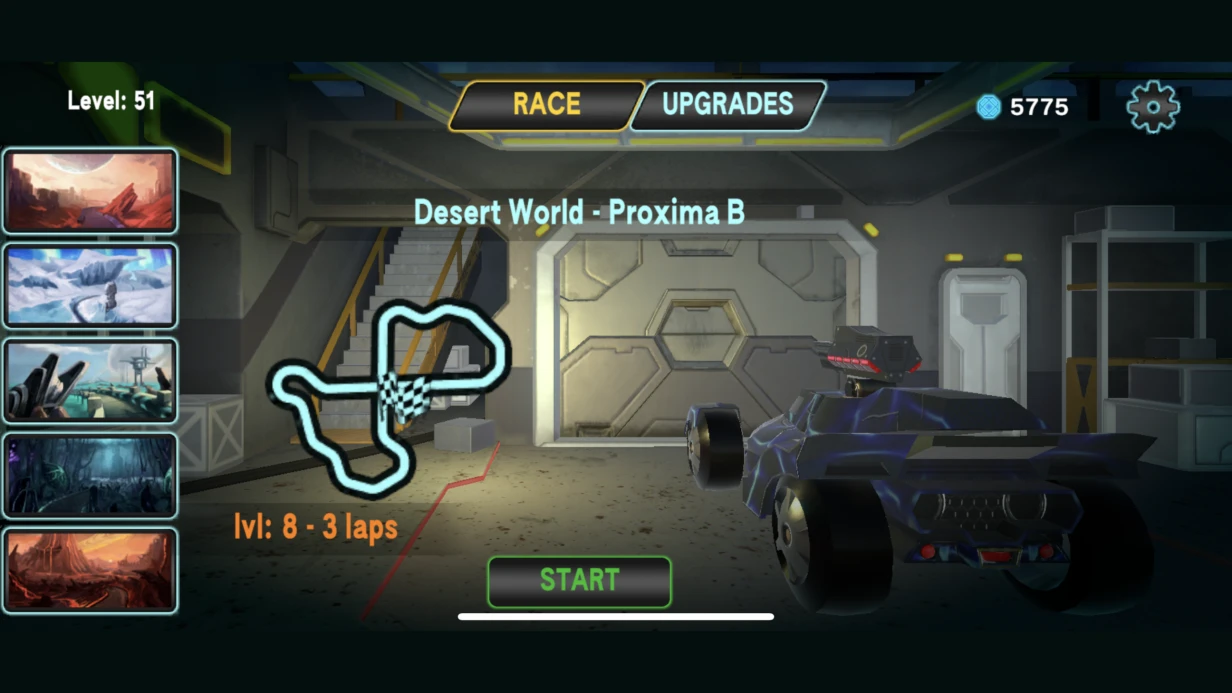
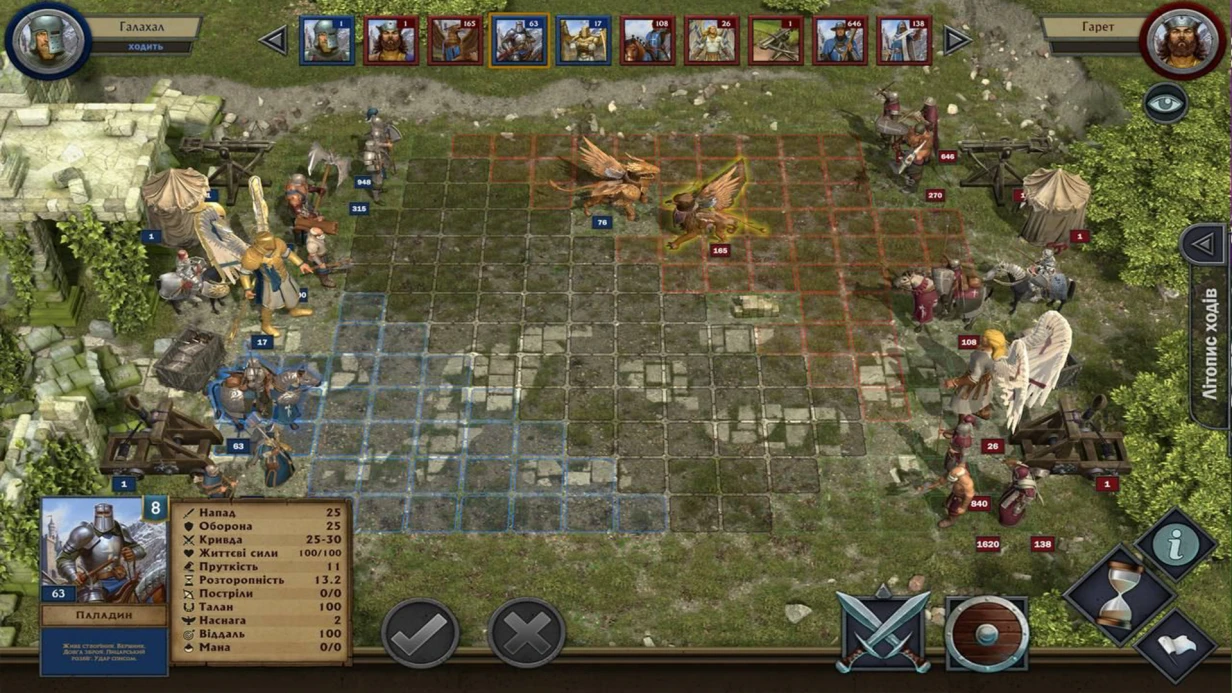
Browser games solve this problem: they turn passive viewing into active participation, and a few seconds of attention into full-fledged interaction with the brand.
A game for business is not entertainment for its own sake, but a working tool for increasing conversion. The built-in mechanics guide the visitor toward the target action: leave a contact, choose a service, get a promo code, share the result.
At the same time, the player is personally motivated to reach the end — so they perceive the offer not as intrusive advertising, but as a reward for engagement.
Browser games are especially valuable for customer retention. A person who has played once and felt an emotion is more likely to come back — especially if the game contains elements of progress, collecting, or competition.
Returning for a new result, the customer interacts with your product again and gradually reinforces the association "this brand is interesting and modern." This way the game works for long-term loyalty, not just a one-off promotion.
In addition, a browser game requires no installation and works on any device — the visitor jumps in right from the page, without extra steps. The fewer barriers between a person and your offer, the higher the conversion.
We create games that fit into your sales scenario: from a simple quiz to a multi-level quest — and each option strengthens the part of the funnel where customers are lost.
The browser as the entry point to your game funnel
A browser game is the shortest distance from an advertising contact to user engagement. No one needs to download or install anything — just open a link to find yourself inside your scenario.
That's why the browser becomes a natural entry point to the funnel: you bring in a visitor, and the game guides them further — toward registration, a request, or a purchase.
Here's what this format provides:
- Zero barrier to entry. The user simply clicks a link in social media or an ad — and is already playing 10 seconds later. No need to install an app, go through registration, or enter a card: the first contact with the brand happens without obstacles.
- A natural reason to share. A browser game is easy to share: a person sends the link to a friend — you get new reach at no advertising cost. Every active participant brings another 2-3 people into the funnel.
- Data collection without feeling like a survey. Inside the game scenario, you can casually ask about preferences, city, or contacts. The user answers in the context of the game rather than filling out a form — so you get warm leads and a segmented database.
- A transparent path to the target action. After the game, the person already understands the product's value, so moving to the website or order page feels like a logical next step. Conversion is higher than with classic banners and landing pages.
| Format | How it benefits the client |
|---|---|
| Product quest game | Holds attention for 3-5 minutes, communicating all key advantages during that time |
| Quiz with a gift | Encourages leaving contacts to get the result, builds a base for repeat touchpoints |
| Simulator with branching path | Visually shows service usage options, nudges toward ordering |
Practical example: how a browser game paid for itself
For an educational courses provider, we built a browser simulator game on the professional Unity engine. The task was simple: turn cold traffic into training requests, bypassing the long "landing page — form — manager" path.
In the game, the user "lived through" a typical working day of a specialist and made choices in key situations — and at the end received a personal recommendation on which program suited them.
The link was placed in targeted advertising, and the effect exceeded expectations: out of every 1,000 launches, 62% of users completed the game, and 18% left contacts to get a consultation.
The client shared the result: "People didn't just click on the ad — they really got drawn into the story. We didn't have to explain what we sell in the requests, because the game had already shown the value. This is the best return on investment in the company's history."
How it works for you
You get a ready-made mechanic: we design the game around your funnel, build it on Unity, and configure it to run in the browser — so it works equally fast on phones and computers.
You don't need to worry about technical details: we handle development, testing, and integration with your CRM or website.
- We design the game scenario for your specific audience and goal
- We package the game for the browser with no downloads or installs for the user
- We connect the game to your request system so lead data arrives automatically
- We help with placement and ad setup if you need to organize traffic
The result: you get a working acquisition tool that itself guides the user from the first click to the target action. Tell us about your task — we'll pick the right game mechanics for your funnel.
Which browser game formats suit your business
The choice of browser game format determines how quickly visitors get involved and which business goal your marketing closes.
Simple quizzes work for reach and contact collection, simulators work for clearly demonstrating the product, and arcades create emotion and a reason to return. The key is not to chase complexity, but to match the game to the specific goal of your event or ad campaign.
Below is a format-matching table for typical client tasks. Three rows show where you'll get quick results and where you'll get deep engagement.
| Format | For whom | What it gives the client |
|---|---|---|
| Quiz | Broad audiences, social media, promo sites | Fast engagement, viral reach, contact base |
| Simulator | Complex product, education, long decision-making | Clear demonstration of value, attention retention, higher conversion to requests |
| Arcade / mini-game | Promotions, events, lotteries | Emotions, repeat plays, natural reach through sharing |
A quiz works when you need to collect requests in 2-3 minutes or warm up an audience with a simple, clear scenario.
A simulator is more effective when the client needs to try the product and feel the result — for example, choose a configuration, calculate an estimate, or assemble their own service variant.
An arcade helps create a festive mood and keeps the visitor on the platform longer than a typical banner.
We don't push a single format; we match the browser game to your business needs: budget, timeline, audience profile, and expected ROI. Just briefly describe the goal, and we'll propose a format, mechanics, and scenario chain that leads the visitor to the desired action.
How ordering a game works: our process stages
We've structured the process so you always understand what's happening with the project and what result you'll get at each step. Every stage ends with a review: you see the intermediate materials and make edits before the work moves forward. This eliminates surprises at the finish and unnecessary rework costs.
-
Brief and goal setting. We discuss who your audience is, what emotions the game should evoke, and how it fits into your marketing campaign. We lock in goals, deadlines, and success criteria so we can move forward against clear benchmarks.
-
Prototype and scenario. We put together a working image of the game: core mechanics, an approximate scenario, and level logic. You try it, evaluate the pacing, and make initial edits — this is cheaper than changing something in the finished version.
-
Game development with intermediate builds. We create a full browser version and show working builds every 1-2 weeks. You watch the progress live and understand how well the game matches expectations.
-
Testing and final polish. We check how the game behaves on different devices and in different browsers and fix bugs. The result is a stable product that won't let you down on launch day.
-
Launch and first results. We deploy the game, set up statistics collection, and hand it over to your audience. After launch, we stay in touch to respond quickly to early reactions and refine details.
-
Support and growth. We monitor stability, update content, and help scale the game if it becomes part of your long-term strategy. Bonus: you always know who to call with any question.
What's included in the delivery package — the full list
You get not just a ready build, but a complete package you can use to evolve the game without ongoing contractor involvement. It's your product — from code to art.
Here's the full delivery scope so you know what you're paying for and what remains with you after the project closes.
- Game rights. You are the sole owner of the product. You can sell it, launch it on any platform, and make changes without approvals.
- Source code. The entire project in a clean, commented structure. Your team can understand and extend the mechanics even if we no longer work together.
- Art content. All graphic files, animations, sounds, and interfaces in original formats. Not "baked into an exe," but separate files that can be changed for new design or branding.
- Technical documentation. Architecture description, settings, and launch and update instructions. For your specialists — no guessing "how does this work."
- Training materials. Video recordings and short guides for the team: how to build the project, adjust levels, add items. A quick start without a long onboarding.
- Warranty and support. After delivery, we stay in touch: we answer questions, help with the release, and support updates for the first months.
Important: the entire package is delivered through a cloud repository with change history. You can see what changed at any moment and restore any version. No "closed" technology — only what works and is clear to your team.
This is the minimum we build into every project. You won't have to hire a new developer to understand someone else's code, and you won't overpay for access to your own product. You get the game, documentation, and knowledge — everything you need to manage the product yourself.
Case study: how a game brought a client 900 new requests
Booking an appointment is one of the key growth points for any clinic, but most marketing tools deliver expensive and "cold" leads. The MedLight clinic ran into exactly this: advertising drove traffic, but only a small share became patients.
We proposed an unconventional move — a browser game that engages a potential client and guides them toward action.
We built a health quiz on Unity: it runs right in the browser, from any device, with no app installation. The user answers 5 questions, gets a personal recommendation, and immediately sees an appointment booking button.
The game element holds attention for 3-5 minutes — enough time for the person to build trust in the brand and leave a request.
First-month result — 900 new requests and a 3x increase in appointment bookings. Nearly half of participants shared the game with friends, so reach kept growing even after the ad campaign stopped. That made the game not entertainment, but a tool with measurable returns.
The case became the starting point for a long partnership: the clinic ordered a second game for a separate department, and the launch took only 3 weeks.
For us, this confirms that a browser game in medicine works not as a one-off trick, but as a full-fledged lead generation channel.
How to choose a browser game format for your goal?
Choosing a browser game format starts not with technology, but with answering the question: what task should it solve for your business?
Entertaining visitors at an exhibition, training employees, drawing attention to a new product, or collecting contacts — each goal suits a different type of game. Game mechanics that work great in one scenario can be useless in another.
First, look at the target audience. If these are busy executives or booth visitors with a couple of minutes to spare, choose light formats: quizzes, quest-style surveys, reaction-speed games. Such games are easy to start and deliver an immediate result.
If the audience is young people or gamers, you can build deeper simulators with levels and a story — they capture and hold attention but require more time to complete.
The technical capabilities of the device also influence the choice, but specifically from the user's comfort side. A browser game should work equally well on a phone, tablet, and computer, without installation or long load times.
Consider where the person will interact with the game: on the go, at a desk, in a queue. The simpler the launch, the higher the chance the player finishes the scenario and you get the feedback or request you need.
Another reference point is business metrics. If the goal is reach and virality, you need a game with a result people want to share on social media. If the goal is learning, use a format with questions and explanations after each step.
If the goal is sales, build in a scenario that leads to a contact or an order. The format should always work toward a specific metric; otherwise the game remains a pretty but useless entertainment.
In the end, the right choice is a compromise between audience expectations, your goals, and the available time for loading and play.
We'll help you run this analysis, offer 2-3 suitable formats for the task, and implement the game based on your decision — one that brings measurable results.
The main thing is to clearly define what should happen after the user plays: booking, purchase, awareness, or simply a pleasant impression of the brand. That's where you start.
Frequently asked questions before development starts
Before browser game development starts, clients ask similar questions — about timelines, guarantees, and technical risks. Here are the main answers so you know how the work will be structured and what to expect from the result.
How long does game development take?
The timeline depends on the complexity of the mechanics, the number of levels, and integrations with your website or CRM. At the meeting we lock in the tasks, estimate the scope, and give realistic timelines — from a couple of weeks to several months. The contract includes clear stages and dates, so you always know what will be ready and when.
Do you guarantee the result?
Yes. After launch, we support the project: we fix bugs and verify the game works on different devices and in popular browsers. The warranty period and terms are set out in the contract. If something doesn't work as agreed, we make corrections free of charge within the warranty.
How reliable is a browser game?
We use Unity — a professional platform that ensures stable performance in modern browsers. We adapt the game to different screen sizes and devices and run testing before release.
As a result, visitors get fast startup and smooth gameplay without installing any additional software.
Have other questions? Write to us — we'll tell you about the process, the team structure, and payment terms. The key thing is that you get a game that works and brings value to your business.Order development — and get your game in a month
A month is a realistic timeframe to turn an idea into a working browser game. You get a product that launches immediately in the browser on any device: no apps to install, no persuading users to download files, no dealing with technical complexities.
Here's a checklist of what's included in a turnkey browser game order:
- A finished game that works in the browser on computers, tablets, and smartphones.
- A clear interface and simple mechanics — the player understands them in the first seconds and stays.
- An admin panel for managing the game, changing levels, and viewing statistics.
- Instructions and training materials for your team — how to launch, update, and maintain the game.
- Technical support after launch: we stay in touch and quickly fix any issues.
- A foundation for growth: from an ad campaign to a full-fledged game project you can scale.
To order a game, you don't need to prepare a detailed technical specification or study specifications. Just leave a request — we'll propose a solution for your task, calculate the timeline, and explain how the game will help you reach your business goals.
Leave a request today — in a month you'll have a working product and all the materials to grow it. We'll start with a short call to discuss your expectations and show how we work.