

Rendering Marketing Screenshots and Videos for Games

Our video game development company runs independent projects, jointly creates games with the client and provides additional operational services. Expertise of our team allows us to cover all gaming platforms and develop an amazing product that matches the customer’s vision and players preferences.

From immersive apps to game worlds and 3D scenes

Our dedicated team for VR/AR/MR development, Unity production and 3D modeling & animation — with its own case studies and capability decks.

Visit the dedicated studio
Showing 1 of 1All 242 services
Rendering Marketing Screenshots and Videos for Games
Medium
~3 days
Frequently Asked Questions

Our competencies

What are the stages of Game Development?

Latest works

  • image_games_mortal_motors_495_0.webp
    Game development for Mortal Motors
    1457
  • image_games_a_turnbased_strategy_game_set_in_a_fantasy_setting_with_fire_and_sword_603_0.webp
    A turn-based strategy game set in a fantasy setting, With Fire and Sword
    979
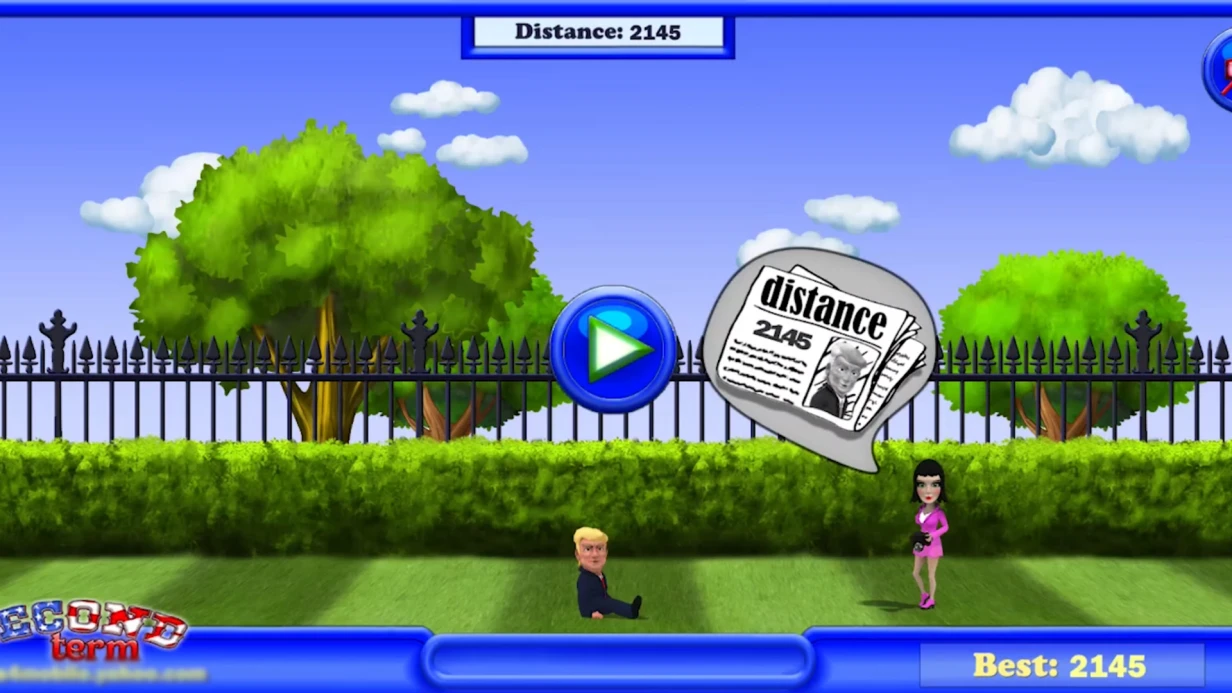
  • image_games_second_team_604_0.webp
    Game development for the company Second term
    605
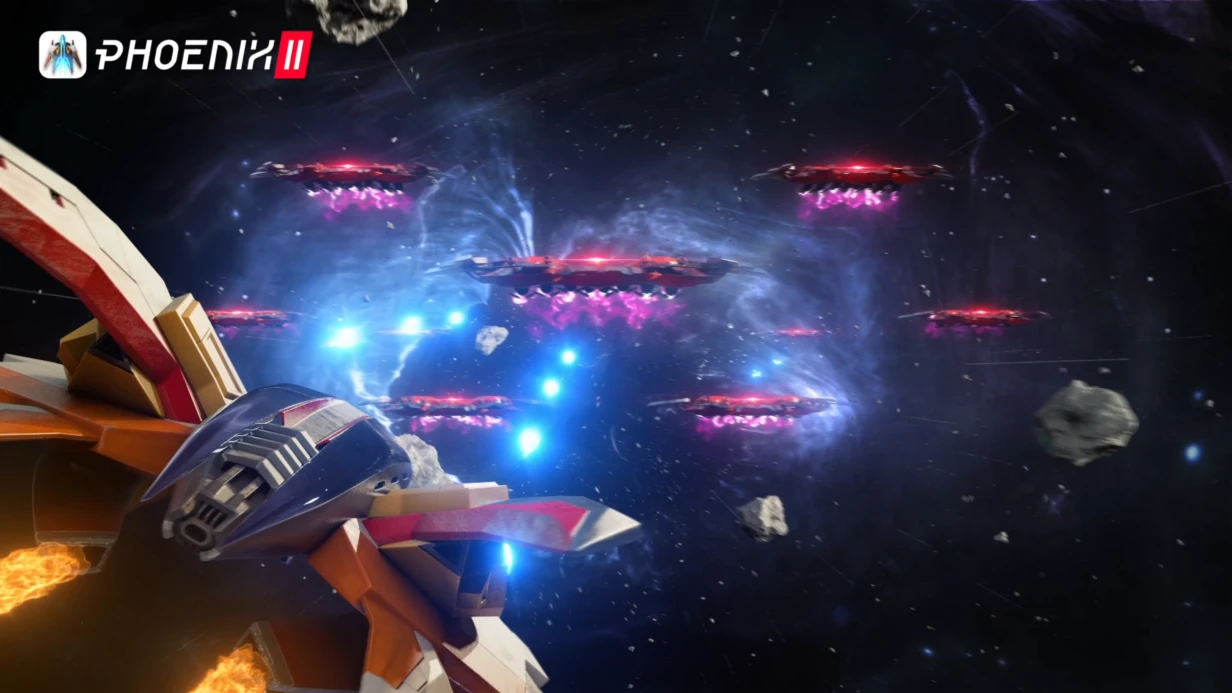
  • image_games_phoenix_ii_606_0.webp
    3D animation - teaser for the game Phoenix 2.
    674
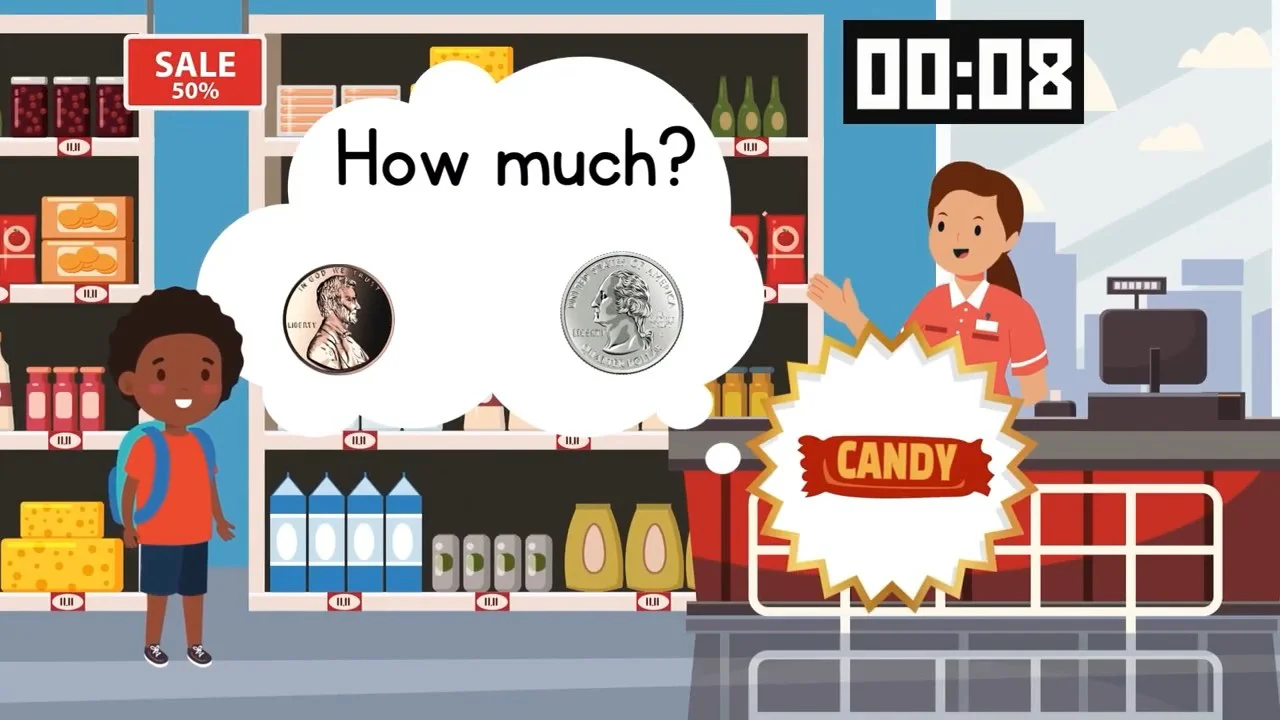
  • image_training-quizzes_kids_shopping_quiz_614_0.webp
    Educational quiz for kids "Shopping in a store"
    29

Rendering Marketing Screenshots and Videos for Games

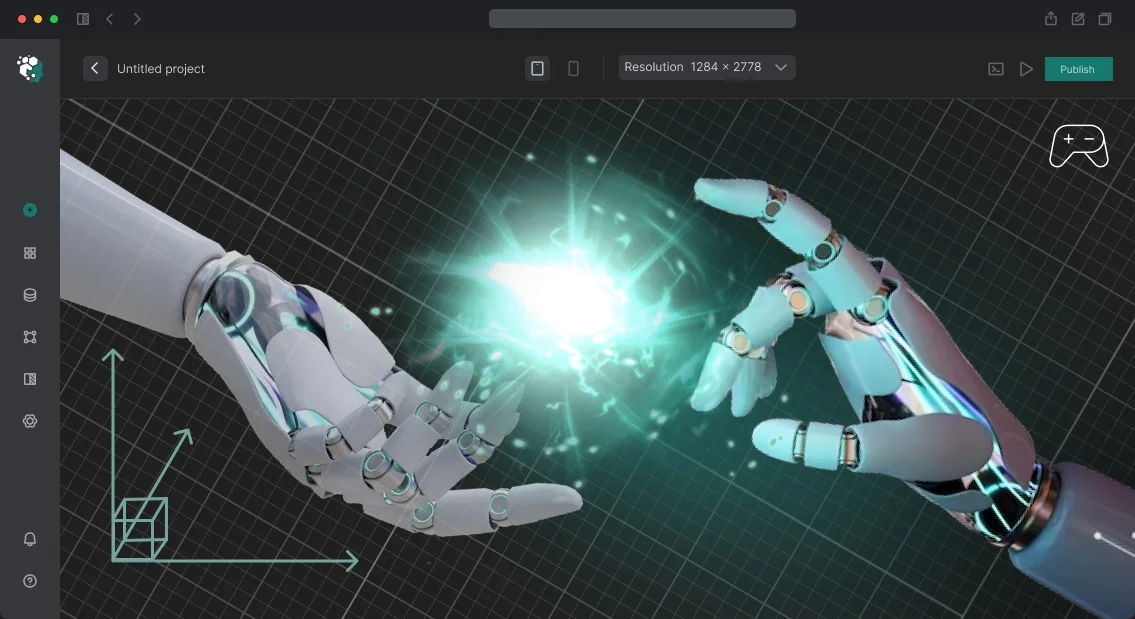
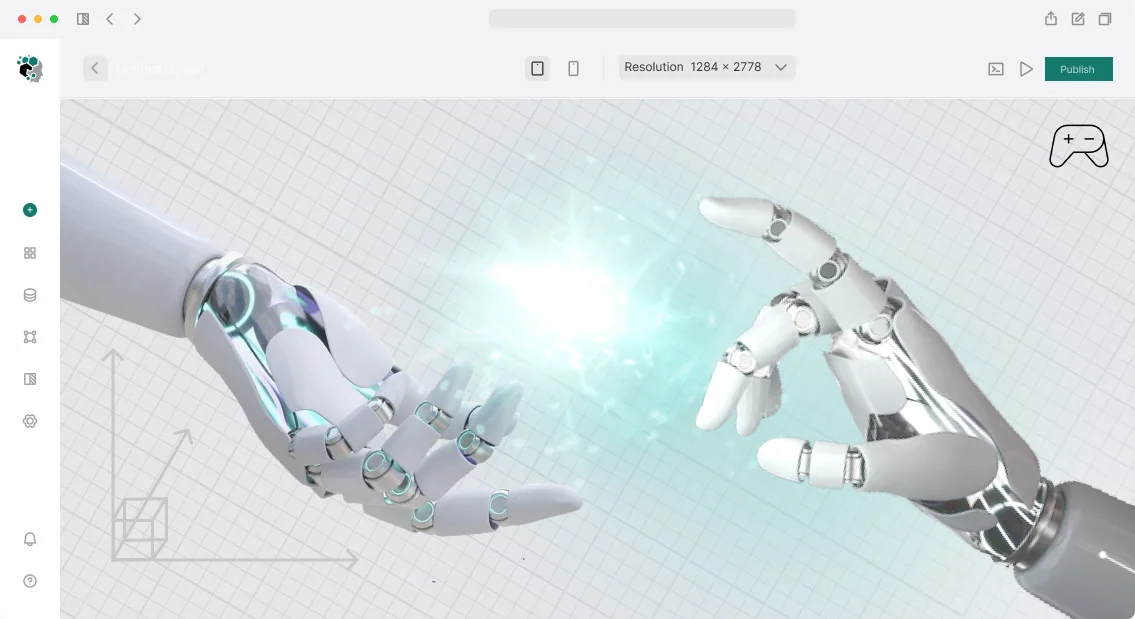
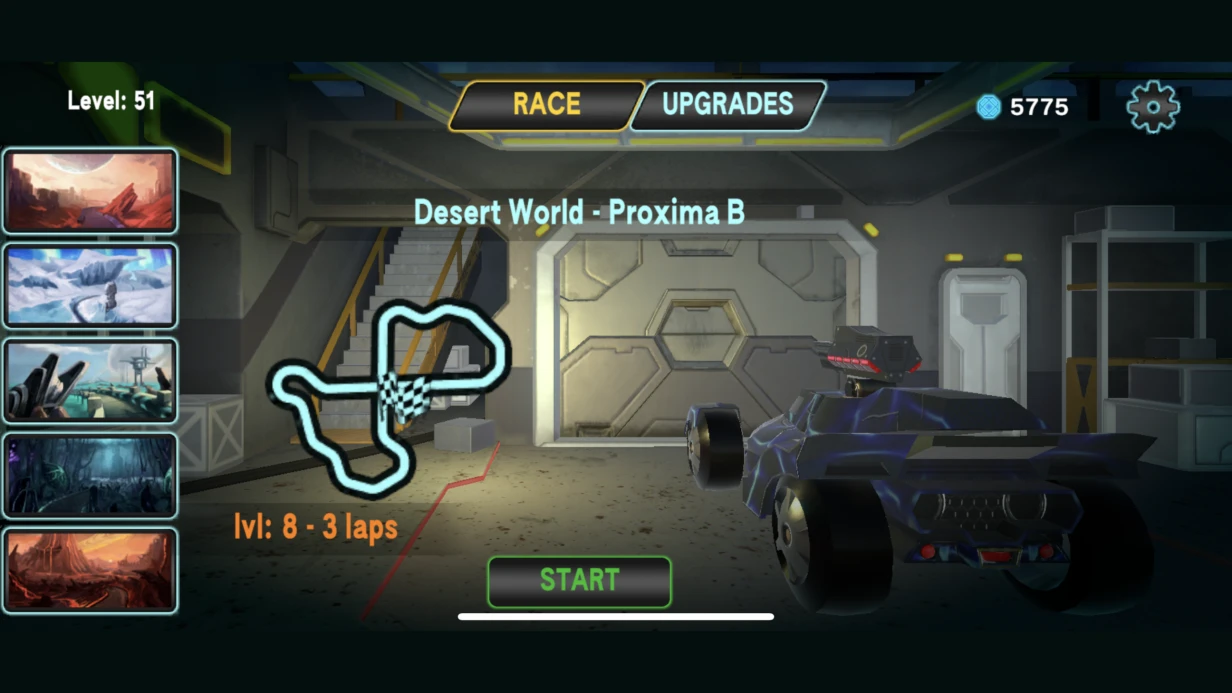
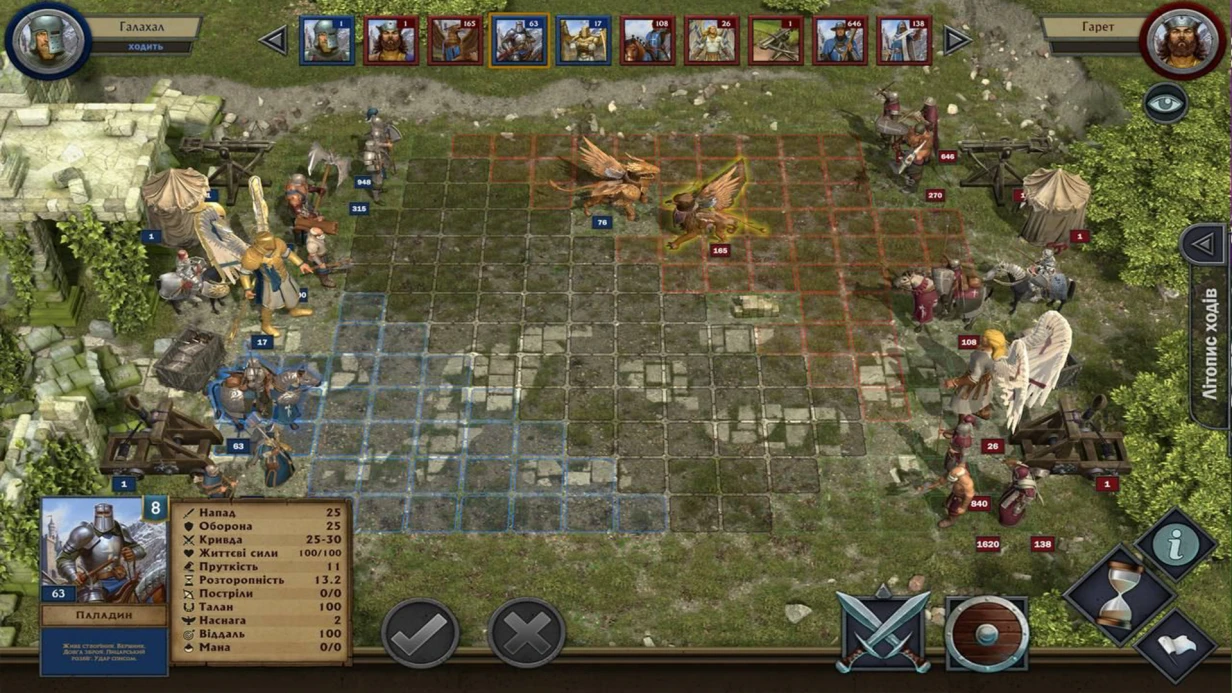
We often encounter this situation: a gameplay screenshot from the Editor Preview and a marketing render are two different images, even if they show the same frame. The difference is that the former is constrained by real-time settings targeting the platform hardware, while the latter is not. Our approach is to build the promo scene separately, using the full potential of rendering: ray tracing, carefully tuned lighting, and cinematic post-processing. This allows showcasing the game at its best while remaining an honest reflection of the visual style. We guarantee that every frame meets the technical requirements of app stores and does not mislead users.

Technical Rendering Stack in Unity

For a marketing render, we switch the project to HDRP, even if the release build uses URP or Built-in. HDRP provides Path Tracing (component HDRenderPipeline in FrameSettings), Area Lights, Screen Space Global Illumination, and a proper camera model with physical parameters (f-stop, ISO, shutter speed).

The promo scene is built separately: we load the required characters and environment, set up an HDRI Skybox via Volume with PhysicallyBasedSky or an 8K+ skybox texture, and place HDAdditionalLightData with LightUnit.Lux instead of arbitrary intensity values.

Path Tracing in HDRP is not for real-time. For a single frame at Maximum Samples = 4096 and 4K resolution on an RTX 4080, rendering takes 3-8 minutes. This is acceptable for a series of screenshots, but not for video.

For video, we use rendering with Temporal Antialiasing and maximum Accumulation Motion Blur via the Recorder package in Movie Recorder mode. Export to ProRes 4444 for subsequent color grading — not directly to H.264.

Setting Up a Cinematic Camera

Cinemachine Virtual Camera with CinemachineFreeLook or a fixed CinemachineVirtualCamera on a Dolly Track. Physical parameters: Focal Length 85mm for character portrait shots (minimizes perspective distortion), 35mm for wide shots.

Depth of Field in HDRP: Physically Based mode, Aperture 1.4-2.8 for bokeh effect on the foreground — standard for RPG and action promo materials. For UI-heavy games (strategy, simulators) — deep DoF or disabled.

Animation for promo videos: custom animation clips via Timeline. Standard gameplay animations are often too snappy or short for promos — we create separate, slower versions using Animator Override Controller.

Post-Processing in Promos

Color Grading via LUT (Look-Up Table) — we capture a LUT from a reference of the desired mood. In HDRP Volume: Tonemapping set to ACES (cinema standard), then Color Curves for tuning specific tones.

Bloom with Lens Dirt Texture — subtle, not like 2010s shooters. Motion Blur with Sample Count 32 — for dynamic frames in video. Chromatic Aberration with intensity 0.1-0.2 — adds camera authenticity without being kitschy.

What’s Included in the Work: Full Cycle of Promo Materials

We handle the entire process: from analyzing gameplay assets to final distribution across formats. It includes:

  • Audit of the game's visual structure: identify key scenes and UI elements.
  • Building the promo scene: setting up lighting, cameras, and animations.
  • Color grading and post-processing with cinematic references.
  • Rendering in 4K+ and downscaling to all required resolutions.
  • Export to ProRes, PNG, JPEG with metadata.
  • Quality control on multiple devices.

How We Achieve an Honest Yet Impressive Result?

Path Tracing in HDRP delivers photorealistic quality, surpassing real-time rendering by 3-5 times in terms of lighting and shadow detail. We do not apply post-processing in Photoshop — the entire image comes directly from the render. This ensures that players see exactly what is advertised in the trailer.

Rendering for Stores with Correct Technical Requirements

The App Store accepts JPEG and PNG; the maximum resolution for iPhone 15 Pro Max is 1320×2868 px. We render at 4x the required resolution → downscale in Photoshop with Bicubic Sharper — obtaining the sharpest image without aliasing.

Google Play Feature Graphic 1024×500 — a wide frame that gets cropped in some displays to a central square. We render a 2048×1000 version, keeping key elements in the central third.

Rendering Timelines

Task Timeline
Series of screenshots (5-10 frames, one scene) 2–4 days
Promo scene from scratch + screenshots 5–10 days
Video render 30 seconds (animation + post) 1–2 weeks
Full marketing package (screenshots + video + formats) 2–4 weeks
Additional stage Timeline
Reference approval and revisions +1–2 days
Adaptation for additional platforms (Steam, Epic) +2–3 days

The cost is calculated after assessing scene complexity and asset readiness. Our team has 10+ years of experience in game development and over 70 completed promo campaigns. We'll evaluate your project for free — contact us.

Manual pre-release preparation as a source of delays

We automate the entire pre-release pipeline for mobile and XR games. A studio is about to release a game — a week before the date, the manager remembers they need to build an AAB, sign it, and upload to Google Play. The build engineer manually starts the build, waits an hour, forgets to enable IL2CPP, the build crashes on Android 12. Rebuilding takes another hour. Simultaneously, the icon needs to be redesigned to meet new Google requirements. As a result, the release is delayed by three days. Experience shows: manual pre-release preparation is the primary source of delays and bugs that do not manifest on the developer's machine.

How to set up CI/CD for mobile game builds?

Pipeline tools

GameCI — open-source Docker images for Unity builds, running on GitHub Actions, GitLab CI, or any other CI provider. Key components: unity-builder (builds for the target platform), unity-test-runner (runs Unity Test Framework before build), unity-return-license (returns the license — critical for Pro). Unity Cloud Build is simpler but less flexible and expensive for frequent builds. Fastlane is the standard for final steps: signing, uploading to stores, metadata.

Typical pipeline

jobs:
  test:
    name: Run Unity Tests
    uses: game-ci/unity-test-runner@v4
    with:
      unityVersion: 2022.3.20f1
      testMode: playmode

  build-android:
    name: Build Android
    needs: test
    uses: game-ci/unity-builder@v4
    with:
      targetPlatform: Android
      androidKeystoreBase64: ${{ secrets.ANDROID_KEYSTORE_BASE64 }}
      androidKeystorePass: ${{ secrets.KEYSTORE_PASSWORD }}
      androidKeyaliasPass: ${{ secrets.KEY_PASSWORD }}

  upload-to-play:
    name: Upload to Google Play (Internal Track)
    needs: build-android
    uses: r0adkll/upload-google-play@v1
    with:
      serviceAccountJsonPlainText: ${{ secrets.SERVICE_ACCOUNT_JSON }}
      packageName: com.yourcompany.yourgame
      releaseFiles: build/Android/*.aab
      track: internal

Secrets, not variables — all keys in CI secrets. AAB instead of APK has been mandatory for several years. Tracks: internal → closed → open → production. Promotion — manual or Fastlane supply promote.

iOS specifics

Unity builds an Xcode project, then xcodebuild. Need Distribution Certificate and Provisioning Profile (App Store). Fastlane Match solves the problem of certificate synchronization within the team:

lane :build_ios do
  match(type: “appstore”, readonly: true)
  build_app(workspace: “Unity-iPhone.xcworkspace”,
            scheme: “Unity-iPhone”,
            export_method: “app-store”)
  upload_to_testflight
end

App Store Connect API Key replaces login/password, does not break with 2FA.

Step-by-step pipeline setup

  1. Audit Unity PlayerSettings (Graphics APIs, Scripting Backend, stripping).
  2. Create CI configuration with GameCI — define test, build, and deploy jobs.
  3. Integrate Fastlane for code signing and store uploads.
  4. Store all secrets (keystore, certificates, API keys) in encrypted CI variables.
  5. Run a test release on internal track, verify end‑to‑end.

Each step includes validation: build must pass on a clean runner, not just a local machine.

Why does App Store reject about a third of first submissions?

Apple rejects 30–40% of first submissions from new studios. Common reasons:

Category Typical problem
Metadata Screenshots with third‑party brands, description mentioning other platforms
Technical Crash on iPad, lack of IPv6 (Apple requirement still valid)
Policies Sign in with Apple not implemented when using third‑party providers; no link to Privacy Policy

Practice: before submission, go through the App Store Review Guidelines from start to finish — 2–3 hours, saving 2–3 weeks of resubmission loops.

Google Play is more lenient: typical reasons — outdated targetSdkVersion, excessive permissions, incorrect Data Safety Form.

Detailed breakdown of common rejections we solve
  • iPad crash: missing universal storyboard or 2x assets — we add device‑specific assets during build.
  • Missing IPv6: we verify network code works on IPv6‑only networks.
  • Third‑party screenshots: we generate store assets that only contain your IP.
  • Privacy Policy link not found: we ensure the link is active and matches the app bundle ID.

Deliverables of pre-release preparation

We deliver the following for your game release:

  • CI/CD pipeline configured (GameCI + Fastlane, Unity Cloud Build — turnkey)
  • Metadata and marketing assets (screenshots, icons, feature graphics)
  • Store submission guidance with documentation of all accesses and credentials
  • 72‑hour post‑release monitoring (Crashlytics, ANR rate, user reviews)
  • Pipeline documentation and team training session (hands‑on)
  • Age rating configuration (IARC, ESRB, PEGI, CERO) and localization of store metadata

Pipeline automation replaces the manual work of an entire department. For example, setting up Continuous Integration via GameCI and Fastlane reduces pre‑release preparation time threefold — from 8 working hours to 2.5.

Our pre-release workflow: from audit to store submission

Phase What we do
Audit Analyze current build process, check PlayerSettings, identify bottlenecks
Pipeline setup Implement CI with GameCI + Fastlane, integrate secrets, configure tracks
Metadata creation Generate store screenshots, icons, video previews according to platform specs
Store submission Submit to Apple / Google / Steam, accompany until approval
Monitoring Track crash rate and ANR for first 72 hours, hotfix if needed

Impact of pipeline automation on timelines and budget

Manual game release incurs significant engineering and testing costs. CI/CD automation pays for itself within the first two months, reducing release costs by 40–60%.

Stage Manual Automated (our approach)
Building AAB 1 hr (risk of error) 20 min (reproducible)
Testing on 20 devices 2–3 hr (manual run) 20 min (parallel tests)
Upload to Google Play + metadata 1–1.5 hr 5 min (Fastlane)
Total per release 4–5.5 hr 45 min

Result: we reduce the commit‑to‑publish cycle by 6–8 times. For projects with frequent hotfixes, this is the difference between a week‑long user wait and a one‑day fix. We guarantee the pipeline works reliably after setup. Our engineers hold Unity Certified Professional credentials.

Typical savings: $2,500–$5,000 per month on engineering time eliminated by automation — $30,000–$60,000 annually on a mid‑size project.

Post‑release: monitoring and updates

Crash rate < 1% (Firebase Crashlytics), ANR rate < 0.47% (Play Console) — otherwise visibility restrictions. Phased rollout is mandatory: first 10%, then 50%, then 100% of users.

Our track record: 30+ mobile game releases, 5+ years on the market. CI/CD automation pays for itself within the first two months, reducing release costs by 40–60%.

Timeline

Setup takes from 2 days (simple mobile game with existing Unity project) to 2 weeks (complex multi‑platform project with custom CI runners). We calculate exact hours during a free pipeline audit.

Contact our engineers for a free pipeline audit and a timeline estimate. Submit a request — we will analyze your pipeline and offer a solution within 2 days. Get a consultation from an engineer who has shipped 30+ titles.