

Why FMCG Brand Promotion Requires Game Formats
A shopper standing at a supermarket shelf spends just seconds choosing a product: familiar packaging, a recognizable name, a promotional price.
In such an environment, the advantage goes to the brand that managed to cement itself in the consumer's memory beforehand — before the person even reached the shelf.
But classic advertising no longer handles this task: banners go unnoticed, video ads are skipped, and promo posts get lost in the feed. To stand out among dozens of similar offers, you need a different way to hold the audience's attention.
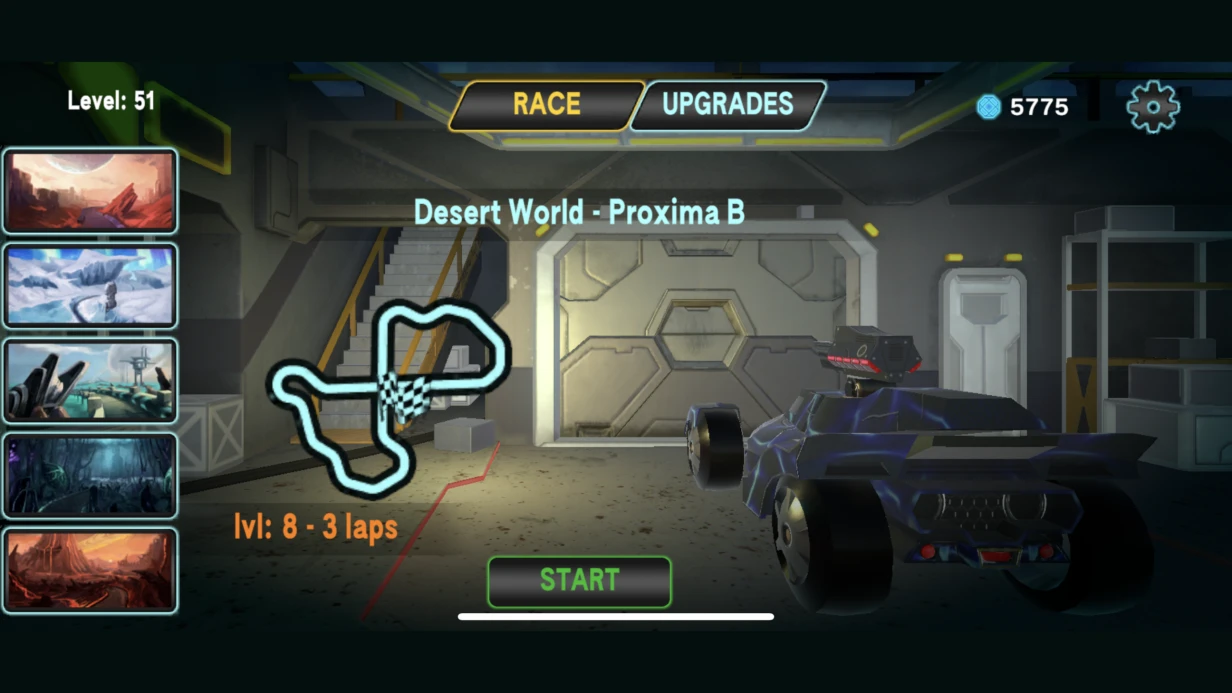
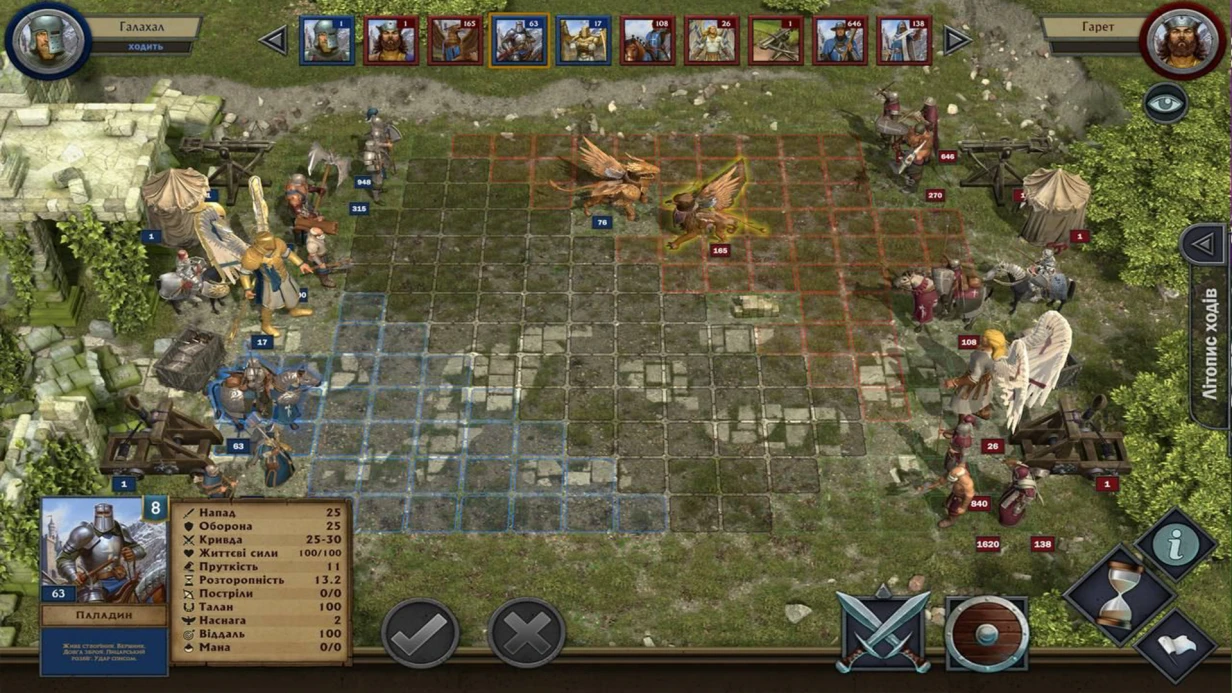
Game marketing is a format where a person does not passively watch an ad but participates directly: spins a wheel, collects a prize, completes a short level, competes with friends.
In these moments, the brand is not "selling" — it delivers emotion and entertainment, and attention holds for longer because of it.
Brand gamification turns a couple of seconds of ad contact into several minutes of interaction, and every successful mechanic cements the product name in memory through association with a positive experience.
This is especially important for the FMCG market. Shelves are overflowing with nearly identical products, prices are comparable, and unique advantages are increasingly rare — which means the choice is more often driven by subconscious affinity.
Games help create that affinity: not by appealing to rational arguments, but through excitement, curiosity, and the sense of victory. People remember how much fun they had and transfer that feeling onto the product.
Game formats solve one more FMCG challenge: they give customers a reason to come back. A single short level is just the first touchpoint, while a series of stages, accumulating bonuses, and an overall leaderboard keep the customer engaged with the brand over the course of weeks.
This turns one advertising campaign into a long-running dialogue rather than a one-off announcement that is forgotten five minutes later.
Audience attention is the most scarce resource in modern retail, and game mechanics help claim it from competitors without increasing the media budget.
We specialize in turning such ideas into working products: with refined mechanics, a clear interface, and results the client can measure in reach, completion rate, and repeat interactions.
Games for Brands: 5 Measurable Benefits for Your Business
Every game launch is a controlled promotion channel. The user chooses to engage with the brand: completes levels, remembers the product, and returns again.
We work on Unity — a platform that ensures stable performance across all devices, so the brand gets predictable results without hiccups.
Brand Awareness Growth
Game mechanics centered around the product are remembered better than any banner. Each player spends several minutes actively interacting with the brand — the imagery sticks in memory.
Audience Engagement
A game holds attention many times longer than a standard post or video. An engaging process motivates players to complete levels through to the end — the brand gets full-fledged engagement.
Customer Loyalty Growth
Rewards and personalized offers within the game create a positive experience. Users willingly return, and repeated interactions build attachment to the product.
Consumer Data Collection
Integration with the customer management system collects data on player preferences and behavior. We use these insights for precise marketing campaigns and personalized offers.
New Customer Acquisition
Viral mechanics — leaderboards and gifts for inviting friends — turn players into brand ambassadors. A user who completes a level shares it with friends, expanding reach without an advertising budget.
Game Solution Formats for FMCG Brands
For an FMCG brand, a game format is not entertainment for its own sake but a tool for a specific goal: gathering an audience for a promo, holding attention on a product, or turning a buyer into a lifelong fan.
The choice of format directly determines how quickly the game gains reach and what conversion it delivers to sales.
Choosing a Format for Your Goal
| Format | Who It's For | What It Gives the Client |
|---|---|---|
| Short web game | Promotions, new product launches, contact collection | Quick reach without app installation — a player gets into the mechanic within 10 seconds, receives a promo code, and shares the result in messengers. |
| Mobile app | Loyalty programs and ongoing communication | The brand is always in the customer's phone: instant notifications, individual tasks, and preference data for future scenarios. |
| Game mechanics in social media | Virality and subscriber engagement | A short quest, quiz, or contest that is easy to share — organic reach without advertising spend. |
Web games work well when you need to announce a new product quickly and cost-effectively. Mobile apps operate over the long haul and retain customers, while social media generates a wave of mentions in the moment.
Brands often combine formats: a short game collects contacts and warms up the audience, while a mobile app drives repeat purchases.
We will help you choose the right format for your goal and budget — from a simple mechanic to a full-fledged gaming experience. We'll build a game that solves your business objective and integrates easily into your current marketing campaign.
How We Structure Our Work on a Game: 6 Steps
We understand that ordering a game carries responsibility: you need to meet deadlines, anticipate user behavior, and stay in control of the process.
That's why we structured our work around a transparent six-step algorithm — at each step you know exactly what is happening and what comes next.
-
Brief and immersion into the task. You fill out a short brief or get on a call with us — we break down the game's goals, target audience, and how the game will fit into your marketing campaign.
This way we propose a solution that addresses your business objective, not just something that looks nice.
-
Concept and script. We present the game idea: genre, mechanics, visual style, and how the player interacts with the brand. You see the direction before development begins and can comfortably make changes while they are still cheap.
-
Approval and cost estimate. After the concept is approved, we lock in the scope of work, timeline, and cost. You receive a transparent plan that covers every detail — from screens to sounds, with no hidden fees or surprise charges.
-
Development. We build the game on the professional Unity engine — this lets us show intermediate versions quickly. You play the prototypes, share feedback, and we promptly make changes without derailing the overall schedule.
-
Testing and refinement. We run the finished game on different devices, hunt for bugs, and verify that everything works reliably. You also receive a test version, gather feedback from colleagues and clients — we polish everything before the game reaches a wide audience.
-
Launch and support. We publish the game in app stores or on your website and help set up analytics. After release, we continue to support the project: monitor key metrics, update content, and quickly roll out fixes when needed.
This sequence eliminates surprises: you always know what stage the project is at, what is already done, and what remains. And if you need to change mechanics or add new levels, you have a clear entry point into the next work cycle.
What Is Included in the Game Product Delivery
When you order a game for an FMCG brand, you get not an entertainment prototype but a ready-made marketing tool. We hand over a complete delivery package: from game mechanics to analytics and instructions for your team.
You don't need to hire designers, developers, and analysts separately — everything is already packaged for your objective.
What Is Included in the Delivery Package
- Game mechanics tailored to your goal. Collecting virtual prizes, quests, lotteries, quizzes — we choose the model that solves the task: increasing repeat purchases, building a contact database, or promoting a new product.
- Design in the brand's style. Characters, animation, sound, brand colors — everything works toward recognition. A player understands from the very first screen that this is your product.
- CRM and loyalty program integration. Session results, player contacts, and winnings automatically flow into your database. No manual data entry.
- Game analytics. A dashboard with key metrics: session count, engagement depth, conversion to promo code or purchase. You can see which mechanics worked and what needs fine-tuning.
- Instructions and guidelines. Clear guides for your team: how to launch a promotion, issue prizes, and finish the game. We provide a short training session.
- Technical support throughout the promotion. We monitor stability and quickly resolve outages so the game doesn't fail you on your busiest day.
Why This Is Convenient for the Client
You don't need to understand technical details — you get a working tool with full support. The delivery package is assembled so that launch takes days, not months.
At the same time, all analytics remain with you: you can see the campaign's effectiveness and use the data for future campaigns.
Real Project: The Metrics the Client Achieved
We developed a game for the grocery store chain "Fruktovaya Lavka". The task was simple: turn an ordinary shopping trip into a game that collects customer data and encourages repeat visits.
Instead of another boring "buy and get a discount" promotion, shoppers received a mobile game with a competitive element — collect virtual fruits, complete tasks, and earn real bonuses.
The launch rolled out across 40 store locations, and participation was possible right in the store via smartphone or from home.
In the first month, we saw exactly the metrics the client had started the project for: average time in the game grew threefold compared with regular promotions, and loyalty program registrations increased by 70%.
One in three players returned to the game the next day — the chain had never seen that number with any other promo.
Project Numbers
- Time in game — an average of 2 minutes 40 seconds per participant, which is 3 times longer than the average time spent viewing a banner.
- Loyalty program registrations: +70% in the month after launch.
- Completion rate: 85% of players completed all tasks.
- Repeat order: two months later, the chain ordered a new season of the game for a different audience.
The main result isn't in the numbers but in customer behavior. People came back to the stores on their own for short gaming sessions, and the company gained a contact database and proof that game mechanics work for mass-market products.
That's why ROI was measured not by direct sales but by the cost of acquiring a loyal customer — and it came out lower than with standard advertising tools.
Answers to Frequently Asked Questions About Game Development
We understand that before ordering a game, marketing teams have the same questions: how long will it take, how will it fit the budget, and what happens after launch. We answer them in advance so you can make your decision calmly, with no hidden surprises.
We state the timeline before we start and lock it into the contract. A standard game for an FMCG brand takes 2 to 6 months depending on the scope: a simple mechanic or a multi-level story, CRM integration, and the number of platforms.
Each stage has clear milestones: you see intermediate results and can adjust the product along the way.
What if we need a game for a specific event — for example, a new product line launch?
This is a common situation, and we are prepared for it. We put together a compressed plan, identify the critical functionality that must make it into the release, and determine what can be added in the next version.
That way you get a working product by the required date, and we get time to polish. No "we'll see how it goes" — only agreed timelines and clear commitments.
After launch, the game is never left unattended. We take on technical support, monitor stability, and make adjustments if the product range or promotion terms change.
When needed, we connect analytics — you can see how many users played, how long they interacted with the brand, and what share returned to the product.
The most common concerns are exactly around timeline, budget, and post-launch support. That's why we've put together a detailed section below — with direct answers to specific questions from our FMCG clients.
Discuss Your Project with Us Today
You'll quickly understand whether the project will be cost-effective and when it will reach release. Let's discuss the task on a consultation call — in 30–40 minutes we'll gather the input, clarify the goals of your FMCG campaign, and prepare an action plan.
Within a couple of days after the call, you receive a package that lets you make a decision without guesswork. You don't need to understand technical details — we translate them into the language of reach, engagement, and timelines.
The package includes:
- an audit of your game mechanic or idea — from the standpoint of audience attention and interest retention;
- a work roadmap: stages, checkpoints, and dates for first results;
- a cost calculation under your budget — with no hidden fees or "fine print";
- a forecast for the timeline to launch the game in time for your promo;
- examples of completed projects for your industry;
- a proposal for the collaboration format — one-time development or long-term outsourcing;
- contacts of the producer who manages the project from brief to release.
Every item is backed by the experience of dozens of games for FMCG brands, so you understand what you're paying for and what metrics you'll receive.
Leave a request through the form or write to us in a messenger — we'll respond within one business day and schedule a convenient time for the consultation. During the call, we'll discuss your campaign, target audience, and conduct a quick audit of your idea.
After that, it's all specifics: plan, cost estimate, timeline, and a working version of the game that promotes your brand.
How to Choose a Game Format for Your Brand's Objective?
The game format for a brand starts not with technology but with the objective: what do you want to achieve — awareness growth, a new product launch, promo engagement, or customer data collection.
For FMCG brands, it is especially important that consumer contact is short: people make decisions in seconds, so the game must grab attention quickly and clearly communicate the product's benefit.
There are plenty of suitable formats — from simple quizzes and "find the product on the shelf" to long narrative quests and interactive catalogs.
But there is no universal solution: something that works great on social media loses its effect on packaging or at the point of sale. The choice depends on where the consumer meets the brand — in the news feed, on the website, in an app, or at the supermarket shelf.
That's why we start not with the format but with your brief and key performance indicators. We clarify what a person should do: play, learn about the ingredients, share a result, get a discount, or return for a repeat purchase.
Based on that, we propose 2–3 game options that match the channel, audience, and budget. Over the years, we have built interactive mechanics for dairy products, beverages, confectionery, and household chemicals — so we know the typical expectations of the FMCG market well.
Specific requirements don't intimidate us — they are accounted for right away. Strict brand guidelines, loyalty system integration, multiple languages, closed-loop environments, or offline mode — all these constraints influence the format choice and game architecture.
We validate them at the concept stage so we don't have to rework the project or inflate the budget later.
In the end, you get not just a game but a working marketing tool that solves precisely your objective. Send us a description of your campaign — we'll come back with format options and explain why each one will work in your case.