

The Pain of Film Studios and Video Production Companies: Without Games, It's Hard to Retain an Audience
Viewers no longer watch videos to the end: there are dozens of distractions around, and attention is held only for the first few seconds.
Film studios and video production companies invest in flashy trailers, expensive visuals, and famous actors, but they compete with short social media clips where new content appears every second.
Without interactivity, the audience quickly cools off: watched, scrolled past, forgot—and the next premiere starts from zero. Expensive content does not bring the expected reach and loyalty, while the promotion budget grows with every project.
The reason is simple: classic video is passive viewing. Film studios and video production companies are used to telling the story themselves, whereas the modern viewer wants to influence what happens and be a participant. It is this gap that leads to loss of attention.
Gamification of content solves this problem: a character you can make choices for, a quest with rewards, a plot that changes based on the viewer's actions.
Interactive formats for film hold attention many times longer, increase audience engagement, and motivate people to return to the project again and again.
There is a solution: we have been developing games and interactive scenarios for film studios, brands, and video production companies for over ten years. We handle the entire technical side, fit into your schedule, and take the project through to launch. This way, viewer retention stops being a problem.
What a Client Gets from Their Own Game: Reach, Emotion, Leads
A viewer scrolls past a video in a couple of seconds, but returns to a game again and again. For film studios and video production companies, a game format is not entertainment but a measurable channel: attention, reach, leads.
We build games around the client's business goal, so every project delivers clear metrics.
Benefit 1: Engagement That Video Can't Provide
If a video is watched for an average of 10–15 seconds, a game session lasts several minutes. During that time, the user doesn't just see the brand—they interact with it: they remember the story, the characters, the key scenes of the upcoming film. This creates an emotional connection that works for the premiere.
Benefit 2: Organic Reach Through Emotion
Players share their results themselves: "beat the game," "set a record," "guessed the ending." Each such post is a personal recommendation to friends.
Reach grows without an additional advertising budget, and the studio's name stays in feeds long after the campaign ends.
Benefit 3: Leads and Contacts Directly from the Game
We build forms into the mechanics: leave an email for a promo code, book a ticket, get a link to a private trailer. The game becomes a point of collecting leads for film—from pre-sales to subscriptions for a sequel.
| Format | For Whom | What It Gives the Client |
|---|---|---|
| Quiz on the film's universe | Film studio marketing | Warm-up before the premiere, a contact database for mailings |
| Brand arcade | Video production company for their client | Social media reach, virality, repeat visits |
| Interactive teaser | Release promo campaign | Emotional connection with the viewer, press mentions |
In every game, we connect the mechanics with the client's goal—showing a trailer, registration, a click through to the website. That is why the result is measured not in "liked it" but in reach, time spent in the project, and the number of leads for the film.
Game Formats for Film Studios and Video Production Companies
Film and video production live on the viewer's emotions, but reaching viewers through a standard trailer is getting harder. Game formats turn watching into participation: the viewer doesn't just watch—they try themselves as the hero, director, or investigator. We break down suitable mechanics for the film business, from promo games to interactive quests.
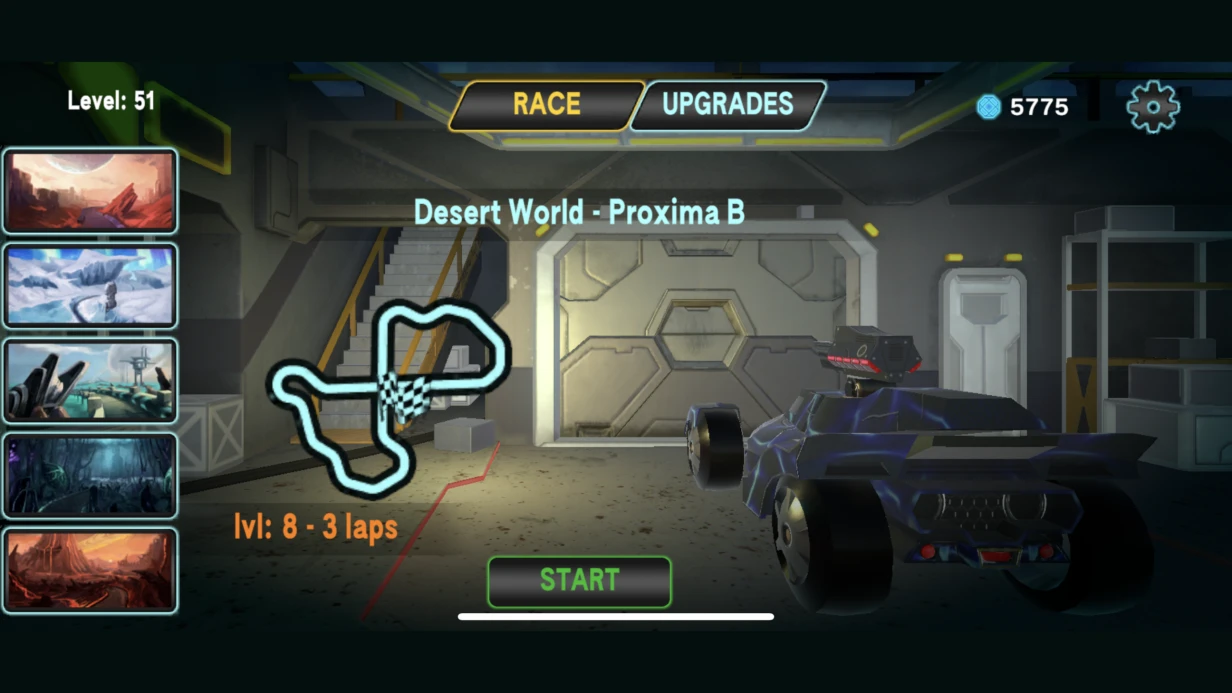
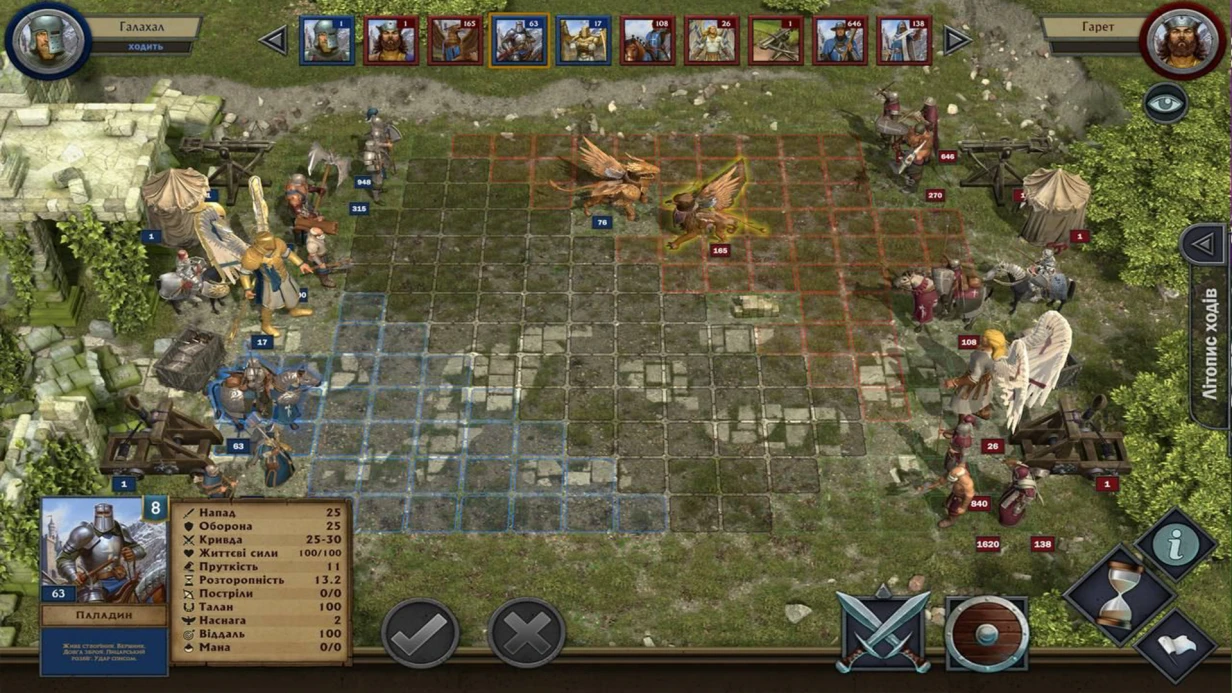
Below are three working formats that we adapt to a specific film studio or video production project. In each case, the client gets not just a game but a marketing and audience retention tool.
| Format | For Whom | What It Gives the Client |
|---|---|---|
| Promo game | Film distribution, streaming services | Engages the audience before the premiere, increases pre-orders and ticket purchases |
| Quest for viewers | Premiere screenings, festivals, corporate events | Holds attention, extends interest after viewing, collects viewer contacts |
| Filming simulator | Film studios, video production companies, advertising agencies | Shows the content creation process, attracts service leads and talented employees |
The table is just a guideline: for your task, we combine mechanics and add elements—from quizzes on film knowledge to role-play scenes from the script. This allows us to cover both a mass audience and narrow segments, such as content buyers or distribution partners.
How Game Development Works from the Client's Side
For a film studio or video production company, a game is the same kind of product as a film or a video: it has deadlines, a budget, and an audience.
We structure the work so that you understand what stage the project is at and what happens next—without surprises and without losing control.
-
Brief and immersion in the task. We collect the goals: whether the game is needed as part of a promo campaign, for display at an event, or for retaining an audience in an app. We clarify which devices people will play on and what reaction the game should evoke.
-
Technical specification and cost estimate. We fix the concept, timeline, cost, and acceptance criteria. You approve the document—this protects against misunderstandings and unnecessary expenses at later stages.
-
Creating a prototype. We build a playable version of the core so you can clearly see the mechanics and style. At this stage, it is easiest to adjust the direction—we make changes before full-scale development begins.
-
Design and game mechanics approval. We show how the game looks and feels: visuals, characters, interface, levels. We work in iterations: you receive fresh builds, leave comments, and we quickly incorporate them.
-
Final development and interim demos. We regularly deliver intermediate versions with new functionality. You always have an up-to-date build that can be shown internally or tested with a focus group.
-
Game launch. We prepare the project for publication: configuration for the required platforms, compatibility testing, upload to stores, or integration into your system. You receive a documented result and instructions for working with the game.
-
Post-launch support. We stay in touch: we fix bugs, add small improvements, and respond to user questions. If the mechanics need to be changed for new tasks, that is also part of our work.
What You Get After the Project Is Completed
Here is the body of the h2 in markdown (without the heading itself): After the project is completed, you receive not an "archive with files" but a ready-made digital asset that can be monetized and developed.
We put together a complete package so that your team can independently manage the product, make edits, and release updates—without depending on outside contractors.
The delivery includes:
- Ready-made game — built versions for the target platforms: PC, mobile devices, or web. The files are immediately ready for publication on your channels and in app stores.
- Project source code — structured, commented code that your developers can understand without our involvement. It is your property, not a "black box."
- Technical documentation — a detailed description of the architecture, settings, and internal algorithms. Your team gets an "operating manual" that saves weeks of onboarding.
- Content management tools — a convenient admin panel and level editor. Change scenarios, add tasks, update props—without rewriting code.
- Training materials — recorded project walkthroughs and video instructions for your team. Even employees who were not involved in development will quickly get up to speed.
- Intellectual property rights — all rights to the game, code, graphics, and audio transfer to you completely. No hidden licenses or restrictions on commercial use.
- Warranty support after handover — for an agreed period, we fix bugs for free, answer your team's questions, and help with updates. You are not left alone with unfamiliar code.
This package allows a film studio or video production company to quickly connect the game to promo campaigns, repurpose it for different events, and reuse the code in future projects.
You get not a one-off job but a foundation for repeat launches—with minimal additional development costs.
Case Study: How We Made a Game and Increased Ticket Sales
We love stories where a game solves a business problem. A film studio came to us with a request: to increase ticket sales for a family film. Six weeks were left before the premiere, the budget was limited, and competition for viewer attention was high. They needed a tool that would not just inform but engage and bring people to the cinema.
What We Did
In two weeks, we built a promo game inspired by the film—a short quest with characters, puzzles, and a quiz. Players were shown trailers, earned points, and could exchange them for a discount at cinemas.
The game launched on the studio's website and on social media, and the mechanics were designed so that participants would share their progress with friends on their own.
Results for the Client
In the month before the premiere, more than 80,000 people played the game. The average session time was 7 minutes, and most importantly: 12% of players went on to the ticket purchase page.
Sales for the first screenings grew 2.3 times compared with the studio's similar previous release. An additional effect was virality: one in four participants invited a friend through the built-in mechanism.
Six months later, the studio returned with a new project and ordered a sequel to the game. We scale the same approach for film studios and video production companies: we package a content idea into a game that boosts box office results and reaches a new audience.
How to Choose a Game Format for Your Task?
We get this question at almost every first meeting, and it really is key: a poorly chosen format will not bring the desired result, even if the project looks spectacular.
What works perfectly at a film festival gets lost on social media, and an educational game can turn out to be too complex for a mass audience.
To avoid guessing, look at three criteria. The first is the task: attract attention to a premiere, train a team, or entertain guests at a private screening.
The second is the audience: families, advanced viewers, or industry professionals react differently to complexity and style. The third is the display conditions: a few minutes on a big screen at a booth, or self-paced playthrough on a phone.
Film studios and video production companies are often surprised that a short interactive scene is enough for promotion—it creates the right mood and the desire to share the experience.
For festivals, we recommend simple mechanics with high replayability, so that guests come back on their own. For training, we recommend a narrative game with gradually increasing difficulty, where the material is learned along the way. This approach saves the budget and delivers exactly the result that solves your task.
This is only a starting point. During a free consultation, we will review your scenario, suggest two or three formats, and honestly explain the consequences of each choice: timelines, team workload, server requirements, and user response.
We have worked with Unity for many years, so we understand what each format will actually deliver, and we help you avoid the mistakes that usually surface only after the start.
There is no need to choose a format at random. Just describe the goal, audience, and constraints—we will handle the rest. Leave a request, get a consultation, and decide which game your task needs before development even begins.
Frequently Asked Questions from Clients Before the Start
Clients from film and video production rarely work with games, so before the start they have more questions than answers. We answer the most common ones—about timelines, rights, and guarantees—directly and without fine print.
How long does game development take?
It depends on the format. A promo game for a film or an interactive teaser takes 4–8 weeks. A full companion game takes 3 to 4 months. We fix the timeline in the contract and show progress every week.
Who owns the rights to the game?
You do—100%. We hand over the source files, instructions, and all materials for work. The game can be used in marketing, at a premiere, or sold separately—without our approval or royalties.
What happens with support after launch?
After release, we provide one month of free support: we fix bugs and help with publication on platforms. Then we add one-off improvements or ongoing support—as you wish. The game remains fully functional without paid subscriptions.
How do you guarantee quality?
We deliver in stages: every few days you see a playable version and can change details at early stages. Before release, we test the game on different devices and give you a final report with the test results—that report is the basis of our warranty obligations.
Order Game Development for Your Project
Film studios and video production companies use games not as entertainment but as an attention-retention tool: interactivity around a film or show extends the life of the content, generates reach, and brings viewers back to the project.
We work exactly on such tasks—from idea to a finished game that can be shown on screen, launched on a website, or run at an event.
Leave a request for game development through the form on this page—and we will get back to you within a day with a work plan and a timeline estimate. No need to fill out long briefs: just describe the task in your own words, and we will suggest a solution for your scenario.
What you get immediately after contacting us:
- a quick project estimate: timeline, stages, cost calculated after audit, and the format suited to your production cycle;
- recommendations on game mechanics that will strengthen the story and engage the audience;
- a clear work plan without technical details—you see only the result and control checkpoints;
- direct contact with the project producer, who manages the game from brief to release;
- examples of completed games for film and video production built on the professional Unity engine.
To calculate the project, simply write down who the game is for, where it will be used, and what result you want to achieve—reach, attention retention, or additional revenue.
We take care of the rest: we will choose the mechanics, design the scenario, and integrate the game into your marketing campaign.
You can discuss your task right now—fill in the form or message us for urgent projects. We work remotely, so the start does not depend on your city, and we transfer all materials and rights to the game to you in full.