


Why Plastic Surgery Clinics Lose Clients During the Selection Phase
Patients choose a plastic surgeon not by credentials, but by the feeling of "I'm in safe hands." They study before-and-after photos, read reviews, and compare several clinics.
But static images don't provide the main thing — an answer to the question "how will I actually look?" Without that answer, the decision gets postponed, and the lead goes cold.
Every pause in the decision-making process is a lost client. While the patient hesitates, they look at competitors' websites, consult with relatives, or abandon the surgery altogether.
The clinic loses a warm lead at the most valuable stage — when interest is already formed and only one step remains before booking an appointment.
Visual clarity of the result is one of the main factors in choosing a surgeon. A person is ready to trust someone whose result they can imagine on themselves: the shape of the nose, facial contours, the silhouette after surgery.
Portfolio photos don't solve this problem — they show someone else's result, while the patient needs their own.
We solve this issue with interactive visualization. A potential patient sees a simulated result of the future surgery even before the consultation at the clinic: the fear of the unknown fades, and doubt turns into readiness to book an appointment.
For the clinic, this means increased lead conversion and a shorter time between the first inquiry and the visit. The doctor doesn't have to spend the appointment on persuasion — they immediately discuss expectations and the surgical plan.
The administrator hears "I'll think about it" less often, because the patient has already seen their own result and made a decision.
What Game-Based Visualization Gives a Clinic
Patients come to the clinic hoping for a result, but they don't always trust even demonstrative "before/after" photos.
Game-based visualization removes this doubt: the person sees their own three-dimensional model with the predicted effect, can examine it from different angles, and understand in advance what the outcome of the surgery will be.
This format works with the key fear — uncertainty — and turns an abstract promise into a tangible image.
We create these solutions on the professional Unity engine, which guarantees smoothness and realistic rendering. The clinic gets a tool that immediately integrates into the sales funnel and starts generating appointment bookings.
Patient Trust
When a patient sees themselves in a volumetric "before and after" model, the fear of surgery decreases.
They understand that they will get exactly the result that was discussed with the doctor — and this builds trust both in the specific surgeon and in the clinic as a whole.
Increased Conversion to Bookings
The interactive format holds attention for 2–3 minutes — during this time, the patient manages to explore different angles and options.
After such an experience, they are more likely to leave a consultation request, so the clinic gets more bookings without additional advertising spend.
Brand Recognition
An unconventional solution itself becomes a reason for conversation. Patients share their impressions on social media and recommend the clinic to friends — in this way, game-based visualization strengthens brand presence and attracts a new audience.
Game-based visualization is not just a technology, but a way to increase patient flow and strengthen the clinic's position. We accompany the project from idea to launch: you get a ready-made tool that pays for itself through increased bookings and average check.
Formats of Game Solutions for Plastic Surgery Clinics
A patient comes to plastic surgery not for a procedure, but for a result and confidence. But explaining the result in words is difficult, especially when it comes to appearance.
Game and interactive solutions make it possible to show the potential effect, engage the person, and relieve natural fears even before the conversation with the doctor.
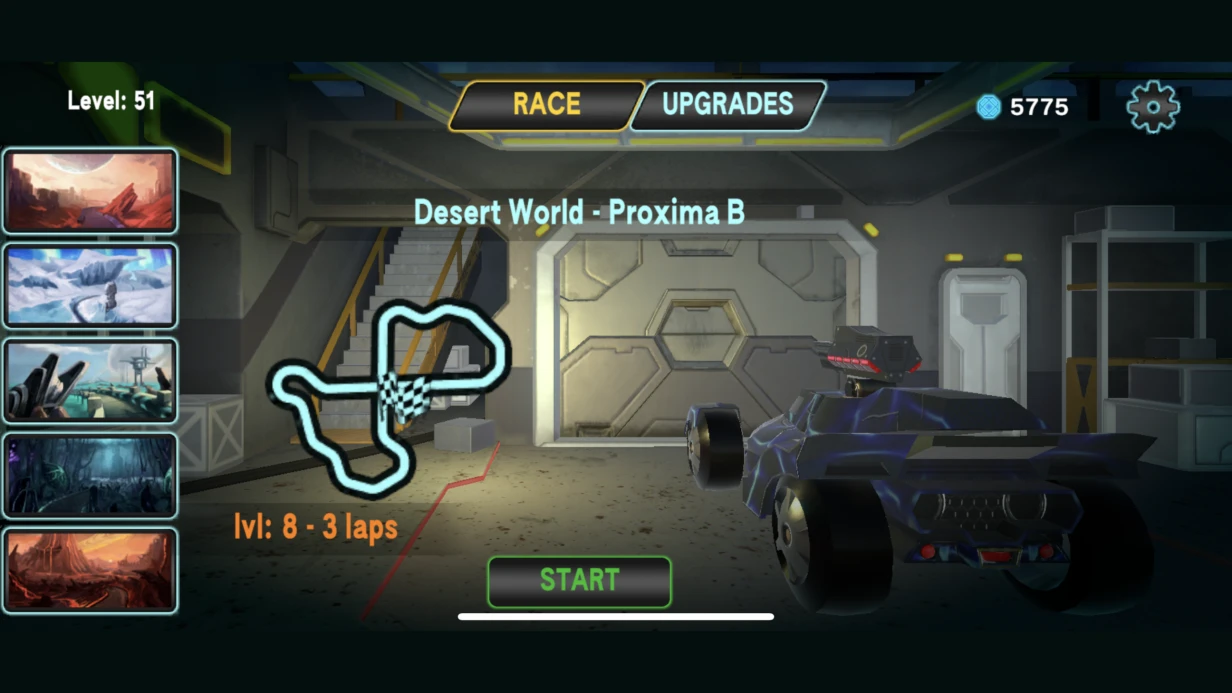
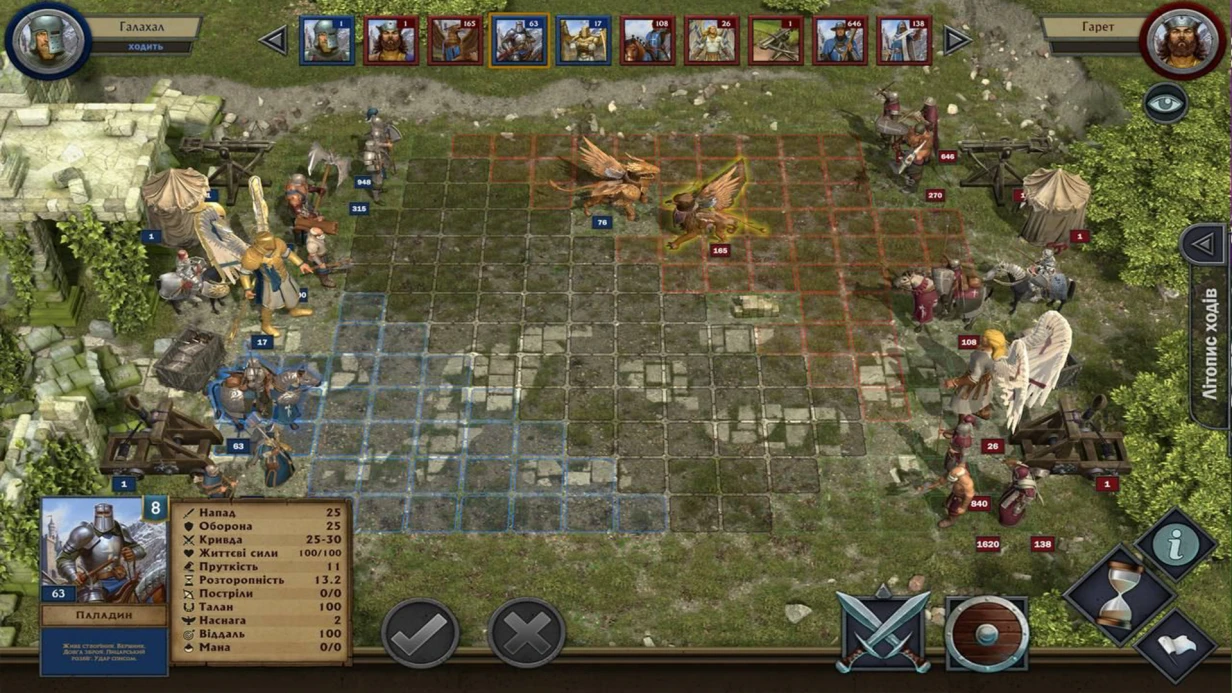
We develop formats for different clinic tasks — from initial contact to staff training. Each option complements the work of administrators and surgeons rather than replacing them. Below are the main formats most commonly used by plastic surgery clinics.
| Format | For Whom | What It Gives the Client |
|---|---|---|
| Consultation Simulator | Patients at the selection stage | "Try on" the result, increased appointment bookings |
| Training Game | Administrators and junior medical staff | Fast training in service standards |
| Demo Stand | Reception area, exhibitions | Visitor attention, modern image |
| Interactive 3D Model | Doctor-patient conversation | Clear explanations, fewer objections |
We combine these solutions: the model works on the surgeon's tablet, the stand in the lobby creates a first impression, the simulator helps with decision-making, and the game makes staff more confident when talking to visitors.
Tell us what task you want to solve — we'll select the right format and prepare a scenario for your clinic. We'll show examples in your field, without being tied to any specific technology.
How the Game Development Project for Your Clinic Works
We structure the development stages so that you understand what is happening and when to expect results. Instead of abstract promises — a clear plan with control points and timeline approvals at every milestone. Below is the path from brief to game launch and post-launch support.
-
Brief and immersion. We discuss your clinic's goals, target audience, and the game's role in attracting patients. We record expectations for timelines and scope of work.
-
Concept and scenario. We propose an idea that solves your task: informing, entertaining, or driving appointment bookings. We agree on the storyline, style, and game mechanics.
-
Prototype and design. We show an interactive sample of the future game. You see how it looks and works before full development — this removes the risks of misunderstanding.
-
Development and testing. We build the full version, test it on different devices, and fix errors. At each stage, we show intermediate results.
-
Approval and launch. We finalize and approve the game, then deploy it where it's convenient for patients: in the clinic, on the website, or on social media. We prepare a short instruction guide for your staff.
-
Post-launch support. After launch, we stay in touch: we update content, add features, and monitor stability. If needed, we quickly prepare the next version for new tasks.
This approach removes uncertainty and gives you control at every stage. You always know what's happening with the project and can influence the outcome — without surprises or prolonged delays.
What's Included in the Delivery of a Game Product for a Clinic
When a clinic orders a game, it's important to understand that you get not just a "file with pictures," but a ready-made tool that works toward your business goals.
We put together the delivery package so that your team has everything needed to launch and use the product daily without involving developers.
The delivery package includes:
- A finished game, adapted to the clinic's tasks — from visualizing procedure results to interactive entertainment for visitors in the waiting area.
- Source materials — the project, assets, and documentation are fully handed over to you. You are not tied to a single vendor and can develop the product with your own team at any time.
- Staff training — we conduct instruction sessions for administrators, marketers, and medical personnel. Your employees confidently launch the game and assist visitors without turning to technical specialists.
- Game warranty — during the warranty period, we fix defects and errors free of charge, and we also support the launch on your side.
- Simple operating instructions — a step-by-step guide in plain language: how to start the game, what to do in an unusual situation, and where to turn for help.
- Post-launch consultation support — we stay available, answer questions, and advise on how to integrate the game into patient intake, promotions, and marketing activities.
Such a package addresses the client's main fear: after project handover, the clinic is not left alone with an unfamiliar product. You get a working solution, employees know how to use it, and we are responsible for stability and results.
If further refinement is needed during operation — you already know our capabilities and terms, so expanding functionality goes quickly and without unnecessary approvals.
Case Study: How an Interactive Simulator Increased Consultation Bookings
A visitor to a plastic surgery clinic's website makes decisions driven by emotions and fears: they want to understand what the result will be, but aren't ready to discuss it before the consultation. Because of this, a large portion of traffic leaves without submitting a request. For one clinic network, we closed exactly this gap.
We developed an interactive simulator on Unity: the user uploads their photo and sees how facial features change when selecting procedure parameters.
This is not a toy game, but a profiling tool: the client tries on the result, and the system saves the parameters and passes them to the doctor for the consultation. In this way, the simulator became a bridge between "I want" and "I'm booking."
Project metrics for the clinic network:
| Metric | Before Launch | After Launch |
|---|---|---|
| Conversion to booking | 1.2% | 2.1% |
| Requests per month | 120 | 198 |
| Average time on page | 40 sec | 3.5 min |
A 1.8x increase in conversion is not a coincidence, but the result of the person understanding that the doctor will already be talking about their specific case, not a general one.
The client arrives at the consultation prepared, and the doctor doesn't need to waste time explaining basic things. The clinic noted that patients who went through the simulator hesitate less and agree to the procedure more often.
The clinic now uses the simulator as a permanent element of the funnel and has ordered a second module for another specialty. For us, this is the main indicator — the project works and delivers repeat growth for the business.
Frequently Asked Questions When Ordering Game Development for a Medical Clinic
When ordering game development for a plastic surgery clinic, most questions concern not gameplay, but reliability. What if the game doesn't work? Will you meet the deadlines? Who will support the product after launch? Below are answers to the client's main concerns.
What if the game doesn't work?
The work guarantee is written into the contract: the game must be accepted according to a checklist that we agree on before the start. Until all items are completed, we refine the product without additional payment. The client's risk is zero — you pay only for the accepted result.
What are the development timelines?
Timelines are fixed in a schedule with short stages — you see results every 1–2 weeks and have time to adjust tasks. A basic game for a clinic is typically ready in 3–6 weeks; we provide the exact number after the brief, once the mechanics and content scope are clear.
Who will support the game after launch?
We stay in touch after delivery: we update content, fix errors, and adapt the game to new devices. You can add a technical support package for any period — from one month to ongoing maintenance. No client is ever left alone with the game.
These are only some of the questions we hear from clinic owners and marketing directors. During an individual brief, we'll review your scenario and document the timelines and guarantees in the contract — so you can calmly focus on your work while the game attracts new patients.How to Choose a Game Format for Your Clinic's Goals?
The choice of format directly depends on which task you want to solve: attracting new patients, increasing the loyalty of existing ones, or training staff.
A consultation simulator works best if the doctor wants to visually show the patient a realistic procedure result — this relieves fears and objections and reduces time spent on explanations. Such a game acts as a sales tool in the meeting room or the surgeon's office.
If the main goal is to unobtrusively engage guests in the waiting area, choose interactive content for the lobby. A simple and intuitive touch on the screen entertains, engages, and simultaneously introduces the clinic's services.
The patient spends their time productively, and the administrator gets a reason to start a conversation: "How did you like the game? You can learn more about the procedures right here."
A training game solves the task of improving staff qualifications or onboarding new employees. Using a scenario format with decision choices, typical patient communication situations are practiced: objections, doubts, unrealistic expectations.
This format gently builds unified service standards — specialists retain information faster because they learn through action rather than by reading instructions.
We understand that every clinic has its own tasks and priorities. That's why at the first stage we conduct a short audit: we look at where growth points occur — a shortage of initial inquiries, low conversion from consultations to surgery, or weak staff training.
Based on this, we propose a specific game format that will work toward a measurable result — growth in bookings, conversions, or employee effectiveness.
Below are criteria that help you choose in a couple of minutes. If you have an unusual situation, we'll help you decide during a free consultation — you'll receive a recommendation rather than a general catalog of possibilities.
The choice of format directly depends on which task you want to solve: attracting new patients, increasing the loyalty of existing ones, or training staff.
A consultation simulator works best if the doctor wants to visually show the patient a realistic procedure result — this relieves fears and objections and reduces time spent on explanations. Such a game acts as a sales tool in the meeting room or the surgeon's office.
If the main goal is to unobtrusively engage guests in the waiting area, choose interactive content for the lobby. A simple and intuitive touch on the screen entertains, engages, and simultaneously introduces the clinic's services.
The patient spends their time productively, and the administrator gets a reason to start a conversation: "How did you like the game? You can learn more about the procedures right here."
A training game solves the task of improving staff qualifications or onboarding new employees. Using a scenario format with decision choices, typical patient communication situations are practiced: objections, doubts, unrealistic expectations.
This format gently builds unified service standards — specialists retain information faster because they learn through action rather than by reading instructions.
We understand that every clinic has its own tasks and priorities. That's why at the first stage we conduct a short audit: we look at where growth points occur — a shortage of initial inquiries, low conversion from consultations to surgery, or weak staff training.
Based on this, we propose a specific game format that will work toward a measurable result — growth in bookings, conversions, or employee effectiveness.
Below are criteria that help you choose in a couple of minutes. If you have an unusual situation, we'll help you decide during a free consultation — you'll receive a recommendation rather than a general catalog of possibilities.
Get a Game Demo for Your Clinic in 10 Days
Patients are increasingly searching for information about surgeries online. A game for plastic surgery is not just entertainment, but an effective sales tool.
It helps a person "try on" the result, get comfortable with the clinic, and make the decision to undergo the procedure. A ready demo in 10 days will become your competitive advantage.
We create the game based on your services and brand identity. You get a full-fledged tool that can be immediately used in your work. Here's what's included in the demo version:
- a virtual tour of the clinic — the patient gets familiar with the atmosphere before the visit;
- simulation of procedure results — clearly shows the potential effect;
- an interactive consultation with answers to frequently asked questions;
- an appointment booking form right inside the game;
- adaptation for the website, social media, and lobby screens;
- professional graphics and an intuitive interface for all ages.
The demo version is not just a toy, but a working marketing tool. It increases website conversion, holds attention, and creates a positive impression of the clinic. You'll be able to test the game's effectiveness on real patients in just a week and a half.
Find out how the game can fit your clinic: leave a request for a free consultation. We'll calculate the project in terms of timeline and cost, propose ideas, and show how the demo version will look in your style.
Don't put it off: fill out the form below to get a demo version for your clinic in 10 days. It's a simple step that will bring new patients and strengthen your brand.