



Why live-service games require a special team and approach
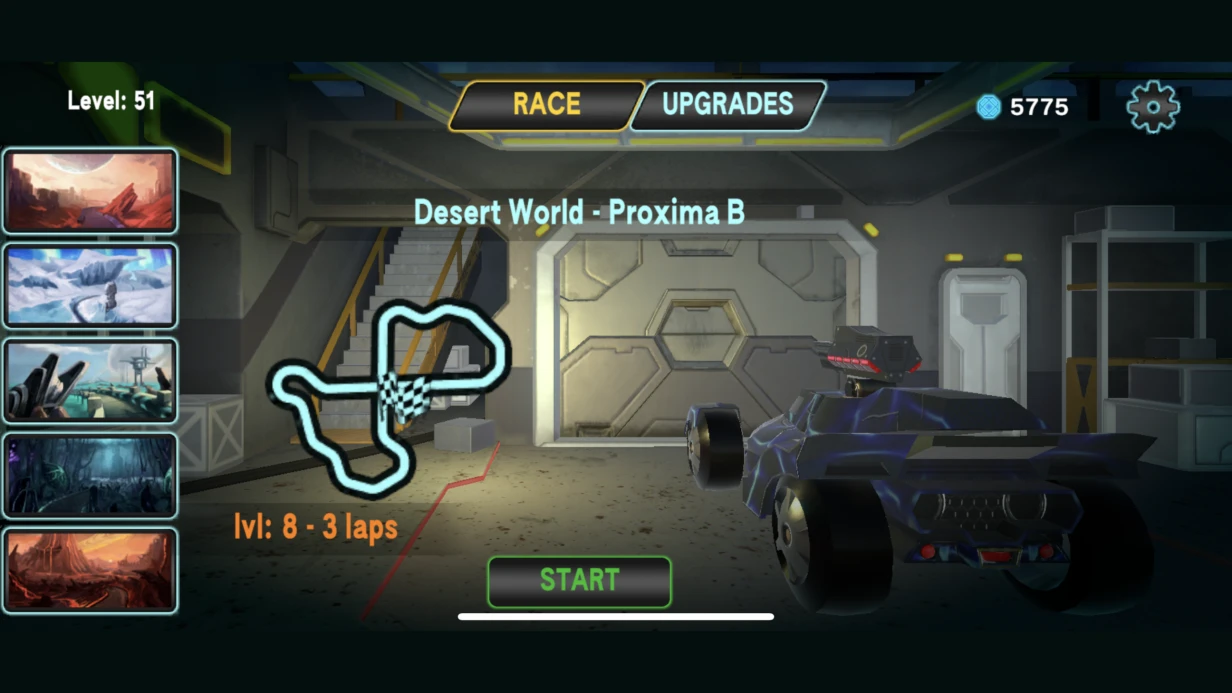
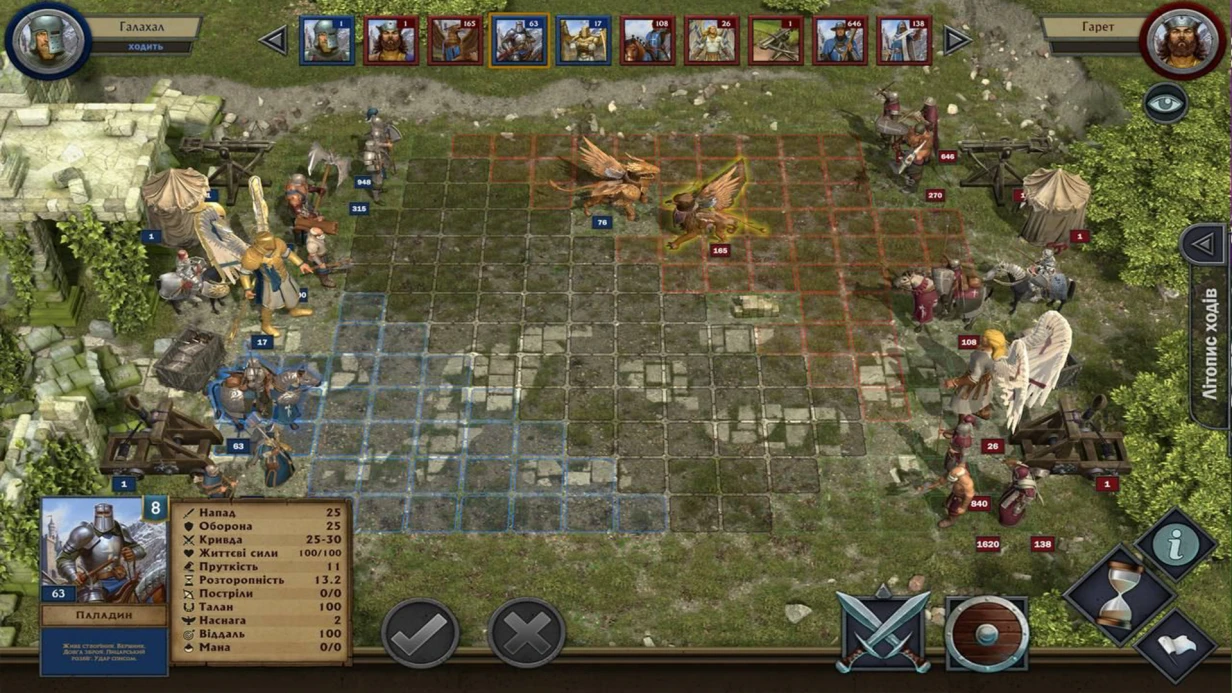
Live-service games are not a project with a final deadline, but a living service that must operate, evolve, and generate profit for years. Regular development doesn't work here: after release, the product is handed over to support and the team disbands. But for live-service games, release is just the start—the most important part begins after it.
Players expect regular updates, events, new content, and quick fixes. If these aren't delivered, they leave for competitors, taking revenue and brand reputation with them.
For business, this means the team must operate in a state of constant readiness, not on a "make it and forget it" basis. That is exactly why live-service games require a special approach and a team that understands the continuous development cycle.
We build teams accustomed to long-term projects. Specialists plan updates in advance, monitor metrics, and react quickly to problems—without panic or downtime.
The product owner gets not just doers, but a reliable partner who shares responsibility for the result and handles the technical side of this marathon.
In the end, you focus on game design and marketing, while we handle the stable operation of the service. That is the difference between a team that writes code and a team that helps the game grow and earn.
With us, you don't worry about the day-to-day challenges of live-service project support—you focus on product development.
What developer outsourcing gives to the game business
For live-service games, the main challenge is constant updates without losing quality. Players expect new content every few weeks, and any failure or delay hits retention and revenue.
Assembling and retaining a team that can handle this pace is a challenge in itself: finding specialists takes months, and HR processes distract producers from the product.
Developer outsourcing solves this problem. We give producers experienced Unity specialists who have already worked on live projects. They integrate quickly, understand the specifics, and bring not only code but also practices that accelerate iterations.
Stability and development speed
External developers strengthen your team exactly where the bottleneck is. Need an urgent balance fix, a new event, or seasonal content—a specialist handles the task without downtime.
We work with a professional stack, including Unity, and use proven quality control processes, so the result is predictable. This is especially important for live-service games, where an update cannot be postponed without losing audience loyalty.
Flexibility and removing HR burden
Instead of lengthy hiring—a quick start with the right number of specialists. You pay only for actually worked hours, and once the task is complete, the team can be easily scaled down. All administrative work—paperwork, taxes, management—stays on our side. The producer doesn't have to spend time on interviews and onboarding; they focus on the product.
In the end, outsourcing gives business the key things: stable game development without interruptions, flexibility to adapt to changing plans, and peace of mind about timelines. It is an opportunity to grow without inflating headcount or losing momentum.
Outsourcing formats: which fits which timeline and task
Unity specialist outsourcing is a flexible tool to cover tasks of any duration. You don't need to expand your own staff: we bring in the right developers for a specific task—from one-off game enhancements to multi-year live-service project support.
The format is chosen based on timeline and scope of work. Our team work remotely, so you get a team without office constraints; at the start, we help choose the best option, and if the situation changes, we restructure the team to meet new requirements.
Main formats
| Format | For whom | What it gives the client |
|---|---|---|
| Full game support | For projects with ongoing events, seasons, and content updates | Long-term game support: predictable releases, quality control, and regular updates without worrying about staffing |
| Strengthening an existing team | When you have your own developers but need extra hands and experience | Quick scaling for peak loads, knowledge transfer, and maintaining update pace |
| One-off game enhancements | For targeted tasks: new game mode, pre-release fix, analytics integration | Fixed scope of work, clear timelines, and results without long-term commitments |
This approach lets you start small and expand as the project grows. Many clients come for a one-off enhancement and then keep the team on an ongoing basis.
"We needed to quickly strengthen development for a seasonal event. We brought in two specialists and delivered the update on time.
A month later, we decided to switch to full support—now the game develops without interruptions." — producer of a live-service game, repeat order within a year.
How team integration into your project works
We have refined the stages of integrating developers into live-service games across dozens of projects and made the process predictable. You understand what happens at each step, control the result, and don't waste time on technical details. Below is the outsourcing launch plan from the first brief to full knowledge transfer.
- Brief and audit. You tell us about your tasks and timelines, we ask clarifying questions and propose the optimal team composition. The output—an understanding of scope and timelines.
- Outsourcing launch plan. We agree on stages, control points, and responsible persons on your side. You know in advance when you will receive the first results and how you will accept the work.
- Project onboarding. A week before the start, the developer gets access to the codebase, studies the architecture and code style. By the first working day, they already know your processes and don't waste time ramping up.
- First work cycle. The developer integrates into your team and completes tasks according to your priority list. You see the first results within one to two weeks and can adjust directions.
- Knowledge transfer. We document key agreements, settings, and details that previously lived only in team members' heads. This removes the risk of losing critical information when replacing an employee.
- Ongoing support. Once a week, you receive a report on what has been done, statuses, and plans. If tasks change, we quickly adjust the team composition without losing momentum.
What is included in delivery and work support
When a business orders Unity developer outsourcing, it often expects just code. But for live-service games, where players return every day, systematic work is critical: from regular updates to understandable analytics.
That is why our delivery includes a complete package that lets you avoid technical details and see results.
Here is what you get from day one:
- Working code at every stage—all changes are ready for deployment, pass internal review, and don't break current mechanics.
- Technical documentation in Russian—architecture description, instructions for launching updates, a guide to game events, so you can hand the project to any team.
- Transparent reporting for the client—once a week, you receive a list of completed tasks, timeline statuses, what is ready, what is under review, and what risks we see in the next two weeks.
- Post-delivery support—we don't abandon the project after code delivery: we maintain stability, troubleshoot errors on the live project, and help with updates.
- Resource planning for your tasks—for each stage, we allocate the right number of developers so you don't overpay for idle time and we meet your deadlines.
- Process setup within the team—everything is organized so that at any moment you know who is working on what and what part of the task is already done.
- Knowledge transfer and responsibility—you get not just code, but a specialist who understands your live-service and can solve tasks quickly.
Each item addresses a specific pain point: you always know what is happening, what has already been done, and where the project is heading.
For live-service games, such control is critical, because any seemingly minor change can affect the experience of hundreds of thousands of players.
By ordering outsourcing through us, you get not a resource but a manageable result—with clear reporting, documentation, and support.
Case study: strengthening the team and growing game metrics
We worked with Northplay, a publisher of a live-service game with an audience of about a million players. The team couldn't release updates on time: content was delayed for weeks, and retention began to drop.
In live-service games, retention directly depends on regular updates—every missed release costs part of the audience.
How strengthening the team changed the situation
We brought in three Unity developers into the shared process: they took over DLC content and fixes while the main team worked on the new season. Within a month, the release cycle dropped from two weeks to seven days, and then updates began shipping strictly on schedule.
Results for the game
A stable update rhythm brought back player interest. Within six months, D30 retention grew by 22% relative to the lowest point, and the share of repeat purchases rose by 18%.
The decline in average order value reversed into 15% growth—players saw the game evolving again and returned.
The case showed: strengthening the team through outsourcing is not just "extra hands," but an investment in key metrics of a live-service project. We closed the staffing gap without expanding the publisher's headcount.
What to do if your current team can't handle a live-service game?
When a live-service game starts demanding more resources than the current team can provide, the problem quickly becomes visible: update deadlines are missed, player activity drops, and internal processes turn into constant firefighting.
The cause is almost always the same—a shortage of people with the right experience, not a lack of effort. Continuing to work in this mode means losing audience and handing the market to competitors, so the issue needs to be resolved quickly and without experiments.
The first thing that comes to mind is changing the contractor or hiring new employees. But this is a high-risk path: a new team takes months to learn the code and context, and for live-service games, every week of downtime leads to falling metrics.
The second option—reducing update frequency—also doesn't work, because modern players expect events constantly and perceive a pause as a signal to leave for competitors.
A more pragmatic solution is to strengthen live-service development with outsourcing developers. You don't change the contractor or break the process; you add several specialists to the existing team who work by your rules, within your architecture, and under your management.
This isn't handing the project over—it is targeted capacity expansion: you take as many people as needed for a specific task and don't overpay for extras.
The key value of this approach is speed and maintained control. Developers know C# and the toolchain, but most importantly, they understand the specifics of live-service: frequent releases, high-load events, and working with player feedback.
So they don't rebuild the process—they integrate into it from day one and quickly start delivering results. For the client, this means updates ship on time, players stay active, and the question "who will cover sudden workload" stops being a headache.
So the answer to "what to do if the team can't cope" is not to panic or change everything at once, but to strengthen the team in a targeted way.
Outsourcing provides the needed expertise in a short timeframe, keeps project management with you, and reduces the risk of missed updates. If this scenario sounds familiar—the next step is to discuss which specialist profile your game needs.
Answers to common client concerns
When ordering outsourcing, you are buying not developer hours but a predictable result. That is why the client's main fears—stability, code security, and work quality—we address before the contract is even signed. Below is what exactly we guarantee and how we act if something goes wrong.
What guarantees do we give the client?
We formalize team stability in the contract: the agreed composition doesn't change without notice, and when a developer is replaced, the handover happens without stopping the sprint.
The code the team creates is your asset: rights transfer to you, source code and documentation remain in your repository, and access is closed upon project completion.
Code security is protected by a bilateral NDA and access control: outsiders see neither your game logic nor player data. Quality is ensured through reviews, automated tests, and fixed checkpoints on key live-service scenarios.
If an error occurs in our area of responsibility, we fix it at our expense and within agreed timelines—this is also written in the contract.
| Client concern | How it is addressed in the work |
|---|---|
| The developer will leave mid-project | Replacement at our expense without stopping the work |
| The code becomes hostage to the contractor | All code rights transfer to you, access is fully under your control |
| Quality won't withstand live-service load | Reviews, tests, and control of key scenarios at every stage |
| We will be left alone if something fails | Agreed response time and priority fixing of critical issues |
Doubts are normal. Come for a short call—we will show how these guarantees look in the contract and answer your questions. By choosing us, you get not just developers, but peace of mind about the result and confidence that the game will keep running and delighting players.
Next step: get a plan for strengthening your team
To strengthen a live-service team, you don't need to disband your own developers or delay update releases—a well-planned outsourcing strategy is enough.
We have been solving such tasks for game studios for 10 years and are ready to review your situation for free: we will show which roles are needed, where the bottlenecks are, and how to reach a stable update cycle faster.
How we prepare a strengthening plan:
- You submit a request for team selection—with a brief description of the project and tasks.
- On a call, we clarify the goals: which mechanics are in development, what needs to be accelerated, when major updates are planned.
- We analyze your team's workload and stack—no template job descriptions, tailored to the specific project.
- We prepare an outsourcing plan: roles, number of developers, integration order, and expected timelines.
- After approval, we bring specialists into your process within 1-2 weeks—you keep control over the product.
Immediately after your inquiry, you receive:
- an analysis of the current situation with your team and project—you see risks and bottlenecks before hiring;
- a concrete strengthening plan for the live-service cycle: who is needed, how many people, and for which stage;
- a timeline estimate—you understand when the team will reach the required speed;
- a transparent management scheme: who is responsible for the result, how quality control works;
- a contingency plan for changes—to maintain update pace without downtime;
- a single point of contact: our manager handles operational matters, you focus on the product.
All of this without obligations or lengthy approvals. Leave a request—within a couple of days we will come back with a ready plan and a proposal for team composition.