

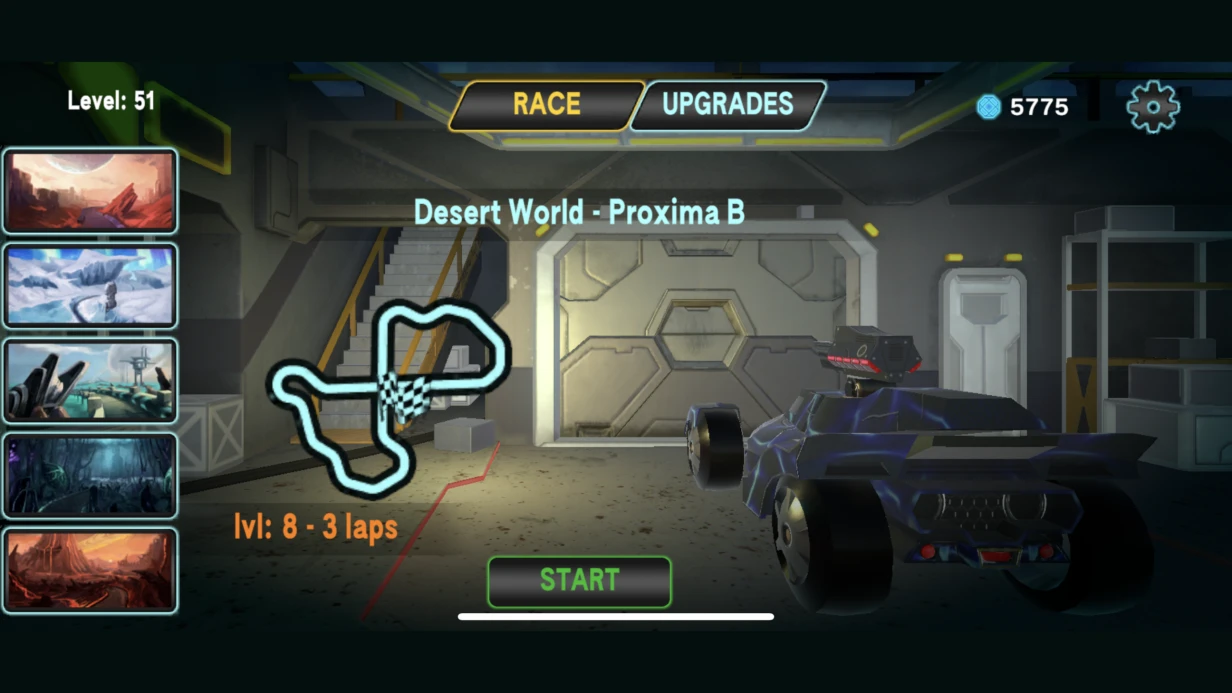
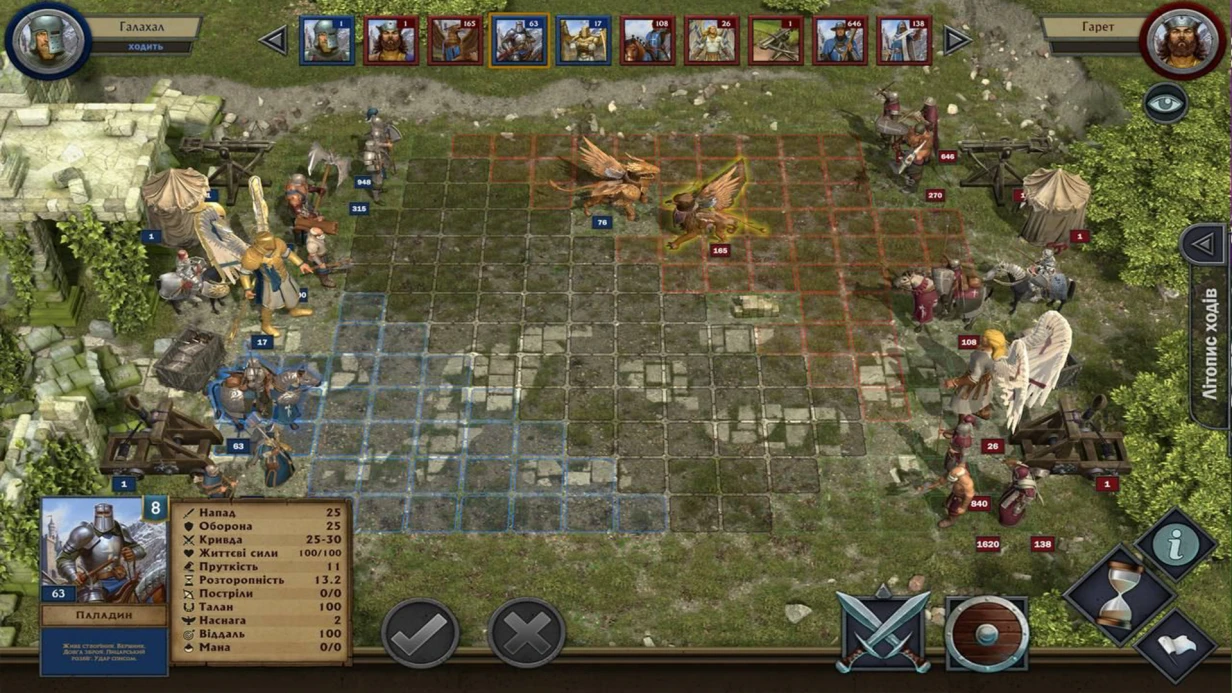


Scheduled content updates are a regular operation for a live game, repeating every week, two weeks, or month: new levels, seasonal events, balance changes, new characters, shop updates. It sounds routine — and that's why teams often approach it without a system. The result: delayed releases, broken balance in production, rollbacks with player progress loss, retention drops. We have accumulated 10+ years of experience organizing such processes and guarantee stability with each update. Without proper architecture, every release becomes a lottery where old clients crash on new server data. Our approach turns updates into a predictable process: from content versioning to post-deployment monitoring. Average QA budget savings of 30–40% through automation.
Problems at the Intersection of Update Types
A scheduled update is not a single task type. It can be:
- Content update without client patch. New levels, text changes, balance tweaks via Remote Config or Asset Bundles / Addressables. The player downloads new content in the background without updating the app in the store.
- Client application update. New code, new assets, engine changes. Requires a new build, Apple/Google review (iOS — 1–3 days, Google — a few hours).
- Server update. New API endpoints, DB schema changes, new business logic.
Most often, problems arise at the intersection of these types. The team plans to "just add levels" via Addressables, but the new levels contain new enemy types — and the logic for their behavior only exists in the new client code. Without versioning dependencies between server content and the client, the game crashes for players with an old client. A classic mistake: the DB schema changed (a column added), the server backend is deployed, but old clients send requests without the new field. If the migration is not done with a DEFAULT value — the server crashes with a constraint violation. This is not theory, it's a standard accident during updates.
How to Guarantee Update Stability
A systematic approach is built on several principles:
-
Content and client versioning. Each content package in Addressables contains a
minimum_client_version— the minimum client version compatible with it. When requesting a bundle, the server checks the client version and returns the appropriate package. Players with an old client get old content without a crash. - Feature flags for gradual rollout. New content or mechanics are not enabled for everyone at once, but via Firebase Remote Config or a custom feature flag service. First 5% of the audience, after 6 hours of error monitoring — 25%, then 100%. If a critical bug is found — the flag is turned off, rollback in seconds, no new release.
- Changelog and audit log. Every change in configs, balance, content is recorded in the system: who changed, what changed, when. This solves the "someone changed a parameter and forgot" problem — an eternal source of unexpected production breakage.
- Tools for the content team. A game designer should not need to go to a programmer to add a level or change an enemy's balance. That slows updates and creates a bottleneck. The right approach: Unity Editor extensions or an external CMS (Contentful, custom admin panel) for editing configs without code changes.
Why Content Versioning Is Critical
Without versioning, every update risks breaking the game for part of the audience. For example, if a new content bundle references a script that doesn't exist in the old client — the player gets a crash on the loading screen. Versioning solves this: the server serves the old bundle to old clients. This works even for DB migrations: adding a column with a DEFAULT value allows old queries to not break. In commercial projects, such versioning reduces crash rate by 40–60% after each update.
What Our Update Support Work Includes
- Audit of your current update process and identification of bottlenecks.
- Setup of Addressables and content package versioning.
- Integration of feature flags and Remote Config.
- Documentation of the update process for the team and training for game designers.
- Release support and post-deployment monitoring.
Execution Process
For a standard two-week update cycle, the structure looks like this:
- Day 1–3. Development and review of new content. Levels created in the Editor, balance adjusted in config files, assets go through optimization (TexturePacker for atlases, audio via AudioMixer with correct compression settings).
- Day 4–7. Build on staging environment. Addressables Build for new bundles. DB migrations applied to staging database. QA test: playthrough of new levels, verification of balance changes, smoke test of main flows.
- Day 8. Deploy to production. First server side (backward compatibility mandatory), then content bundles to CDN, then enabling feature flags.
- Day 9–14. Monitoring: crash rate, API error rate, Sentry/Crashlytics alerts. Monitoring retention and session length — sometimes an update unexpectedly breaks metrics, and it's better to know on the second day than a week later.
Comparison of Content Update Approaches
| Approach | Release Speed | Crash Risk | Store Review Needed |
|---|---|---|---|
| Remote Config | hours | low | no |
| Addressables | 1–5 days | medium | no |
| Client patch | 5–10 days | high | yes |
Tools for Implementing Updates
| Component | Tool | Role |
|---|---|---|
| Content management | Addressables | Versioning and delivery of bundles |
| Feature toggles | Firebase Remote Config | Gradual rollout and rollback |
| Monitoring | Sentry | Crash rate tracking and alerts |
How Fast Can a Failed Update Be Rolled Back?
Feature flags allow rolling back changes in seconds without a new release. If the problem is with content — just deactivate the corresponding flag. For client updates, a store rollback takes 1–3 days, so we recommend rolling out new code via feature flags so problematic functionality can be instantly disabled.
Update Preparation Checklist
- [ ] Content package versioning
- [ ] Client backward compatibility check
- [ ] Staging environment with data mirror
- [ ] Feature flags for gradual rollout
- [ ] Crash rate and retention monitoring
Typical Mistakes and How to Avoid Them
- No staging environment — updates are tested directly on production via "silent" release. We insist on a separate staging with a production data mirror.
- No automated regression testing — every update can break something that worked before. Automate smoke tests for key flows.
- DB migration without transaction wrapper — on error, the database remains in a partial state. Use transactions and scripts with rollback capability.
- New content loaded without cache invalidation on CDN — players get old asset versions. Configure URL versioning and automatic cache purging.
- No monitoring alerts — problems are learned from player reviews, not from the system. Integrate Sentry or Crashlytics with alerts in Telegram/Slack.
Our experience — 10+ years in gamedev, over 50 successful release cycles. We guarantee that every update will pass without surprises: from staging testing to post-deployment monitoring. Contact us to discuss your update cycle. Request an audit of your current process — we'll find bottlenecks and propose solutions. Support costs are reduced by 20–25% after automation implementation.