

Why your game looks outdated without HDR Rendering
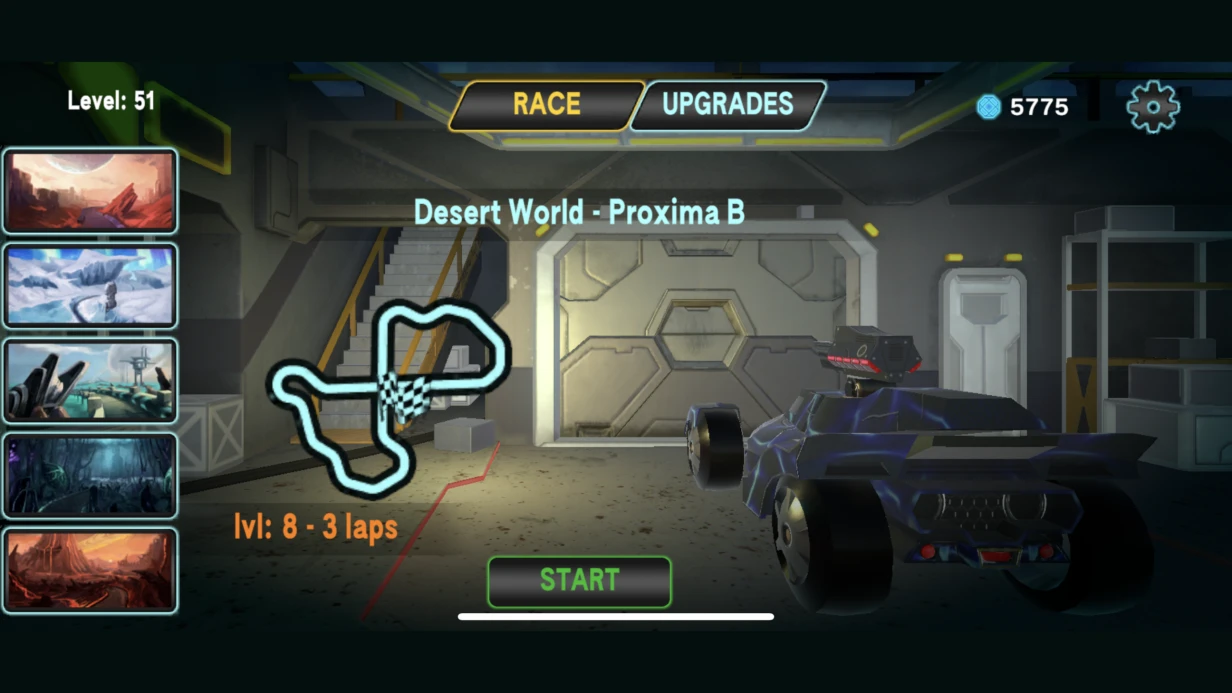
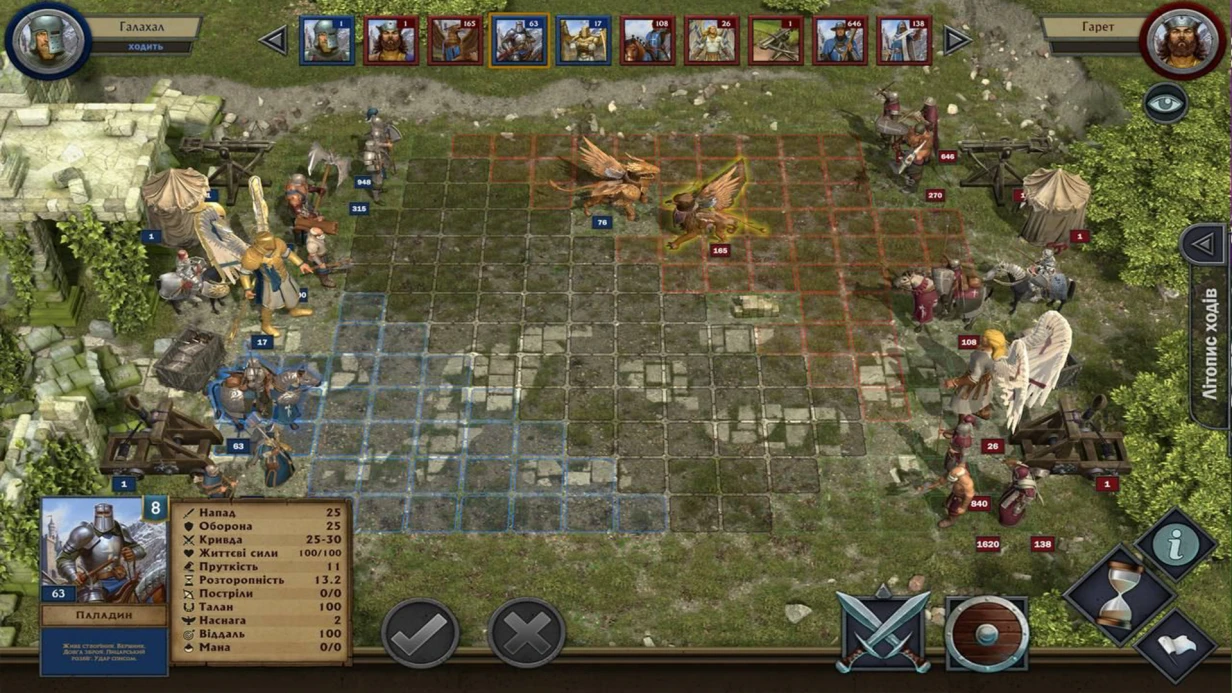
Players judge a project within the first few seconds. Screenshots, cover art, and the first gameplay frames decide whether they download the game or walk past it. If the picture looks flat and dated, even strong mechanics won't save it: users simply never get that far.
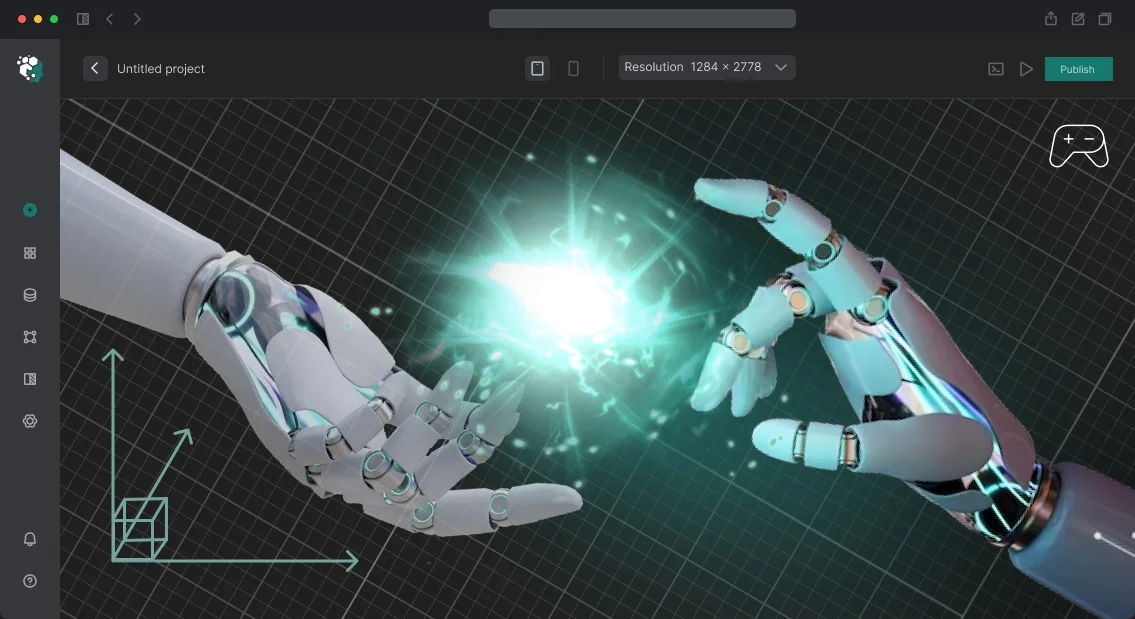
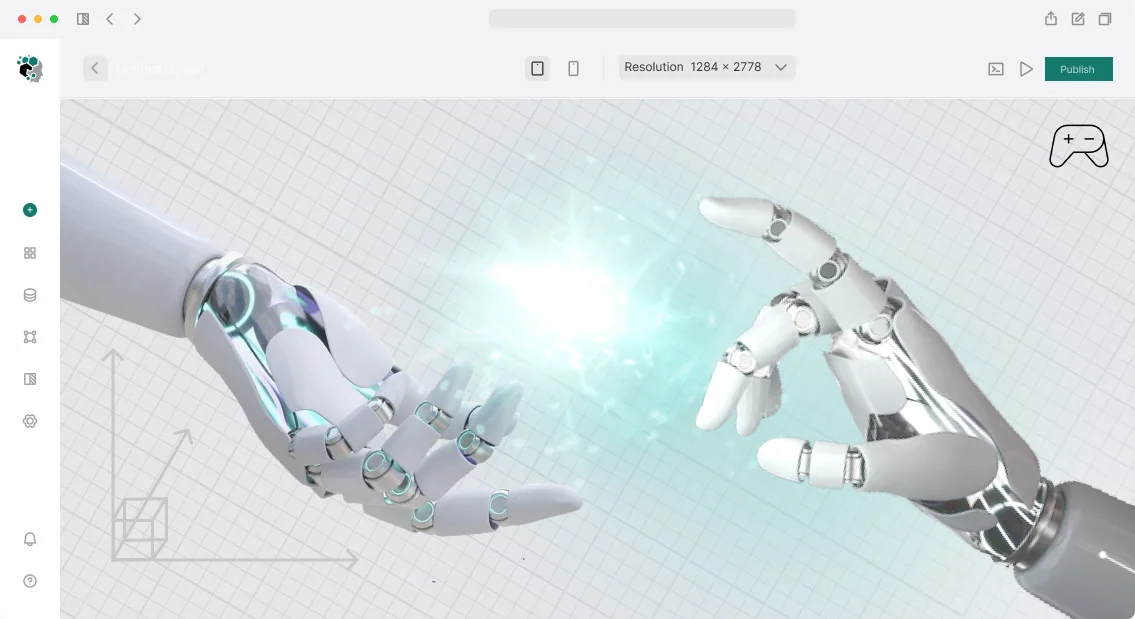
This is exactly where the difference between ordinary graphics and HDR Rendering shows. The technology lets light and color behave as they do in reality: explosions, magic, reflections, and fog look dimensional, deep, and expensive.
Without it, the same effects lose their expressiveness and feel gray and dated — and dated graphics directly lead to player loss.
Visual quality affects business metrics: retention, sales, and store ratings. Projects with expressive visuals get featured more often and spread by word of mouth — people share screenshots and videos on their own.
A game with dated graphics is forced to compete on price and discounts, which leads to lower revenue and audience churn.
We create visual effects in Unity and use HDR Rendering as a working tool, not a marketing term. More than 10 years of practice let us deliver results exactly on schedule.
You get visuals that hook from the first second, hold attention, and are fit to show to an investor, publisher, or in an ad spot.
What professional VFX delivers: realism, engagement, and revenue growth
Professional VFX with HDR Rendering turns a game from "just a product" into an emotion players want to experience again and again. Realistic effects — explosions, magic, weather, light — shape perception: players believe in the world and don't want to leave it. As a result, they stay longer and return more often.
We work as one team with your project, from the first prototypes to release. In the end, you get a set of effects that not only look expensive but also solve specific business tasks.
What professional VFX includes:
- [ ] Realistic visual effects — every scene looks cohesive: light is alive, particles are natural. Players believe in the world and remember the visuals.
- [ ] Player engagement — effects hold attention at key moments, amplify the joy of victory, and reduce fatigue from repetition. Players spend more time in the game and return more often.
- [ ] Brand recognition — a signature style for effects makes the project unique. The game is easily recognized by frames and trailers, which brings extra reach and social media mentions.
- [ ] Revenue growth — effects boost the conversion of in-game item sales and encourage purchases through recommendations. A game people want to show off generates more revenue.
We cover all of these within a single task: we tune effects on professional equipment, optimize performance, and polish the picture to consistent beauty. We work in Unity with current rendering tools — you get results without delays or experiments.
HDR Rendering formats: choose the right one for your project
Every project is unique: sometimes you need a subtle accent, and sometimes an effect that becomes the centerpiece of the event. Overpaying for complexity and skimping on the impression are equally risky.
That's why we've developed three HDR Rendering formats — from a quick solution to premium refinement.
The table below shows typical scenarios for each format. Review, compare, and choose the one that fulfills your task without unnecessary costs.
| Format | For whom | What it gives the client |
|---|---|---|
| Basic | Promotions, social media posts, short clips | Light but noticeable effects in minimal time and cost. Suitable to "bring the picture to life" without complex production. |
| Standard | Product presentations, training materials, websites | Recognizable visual effects with HDR light: neat detail, motion, atmosphere. Holds the viewer's attention well and reinforces the main message. |
| Premium | Large-scale events, advertising campaigns, immersive zones | Full-scale staging with unique visuals, deep shadows, and realistic highlights. An effect that is remembered and becomes a reason for photos and discussions. |
If you're not sure which format fits, send us a description of your task. Within one day, we'll prepare a recommendation on the format and scope of work so you can see the budget and timeline before starting. It's free and non-binding.
How we work: from brief to release
We follow a transparent process: you always see what stage the project is at, how much time remains, and what result you'll get. No surprises or "black boxes" — just clear agreements and fixed milestones.
- Brief and immersion — we study your game, its style, target audience, and the objectives of the effects. We find out which scenes need enhancement, what emotions players should feel, and note your timeline requirements.
- Plan and estimate — based on the brief, we prepare a step-by-step work plan, timeline, and cost. You understand the investment upfront and receive a commercial proposal with no hidden items.
- Approval and sign-off — we discuss details, approve the concept, and set milestones. Locked agreements protect both sides: you know what you're paying for, and we know what result we're delivering.
- Effect development — we create effects in Unity using modern HDR Rendering for a rich, cinematic look. We show intermediate versions along the way, not just at the end — you're always updated on progress.
- Intermediate reviews and revisions — regular demos of builds, collecting your feedback, and making adjustments. We make changes within the agreed timeline, without inflating the budget.
- Integration and build — we prepare final assets, setup instructions, and, if needed, help integrate them into your project. Everything works in your build without unnecessary fuss.
- Launch and support — after release, we stay in touch: we fix issues, answer questions, and help with updates. The project isn't abandoned — you can always come back for refinements.
This approach has already helped dozens of studios release games with effects players remember. You get a predictable result, clear timelines, and a partner who will take the project to release.
What's included in delivery: the complete package for your game
The full delivery package is not a set of scattered files but a ready-made solution your team can use immediately after integration.
We provide not only the effects themselves but also everything needed to configure, support, and further develop them — without needing to contact us for every small detail.
The package includes:
- Ready-made VFX effects — created in your game's style, from bright flashes and explosions to subtle particles and magic spells.
- Project source files — full access to effect settings so you can make edits and adapt them to new levels or characters.
- Clear setup guide — a short reference for your team explaining how to quickly change color, size, duration, and other parameters.
- Integration assistance — we're available during implementation: we answer questions and advise on how to embed effects into game scenes.
- Optimization for your platforms — effects are tuned so they don't reduce performance on your players' target devices.
- Work warranty — free support for a month after delivery: we fix bugs and answer questions.
- Compatibility updates — if you move to a new engine version, we'll adapt the effects so they keep working correctly.
In short: you get not just a set of effects but a reliable, supported solution. We stand behind the result and stay close after the handover — so your players see high-quality visuals from day one.
Case study: how we took an indie game's graphics to a new level
An indie studio came to us with a problem: the game was interesting mechanically, but reviewers unanimously wrote that "the graphics look blurry and don't hook." As a result, sales stagnated, and demo downloads didn't convert into purchases.
We joined the project, which runs on Unity, and reworked the visual presentation: we set up physically correct HDR lighting, added saturated light and dynamic effects — fog, highlights, reflections.
The key was that we didn't do "tech for tech's sake" but created an image that immediately sets the right mood and holds the gaze.
The results didn't take long to appear. A month after the update's release, the game's average store rating rose from 3.9 to 4.6. Day-2 retention increased by 27%, and the share of players who completed the first chapter grew 1.5 times. More people began sharing screenshots on social media — the game gained free viral reach.
The developer themselves wrote: "Finally, the game looks the way we envisioned it.
The light and effects have completely transformed the world — players are recording videos and thanking us." This case confirms that proper graphics work directly pays off in sales and audience love. If you want the same — let's discuss your project.
Common client doubts and our answers
We understand: when unusual visual effects come up, doubts arise — what if something goes wrong? To help you decide with confidence, here are our answers to the most common questions.
What if the effects slow the game down or break it?
We use professional equipment and tried-and-tested tools, so the client gets a stable result. Before delivery, we test in real-world scenarios and check performance and compatibility. If something goes wrong after launch, we fix it under warranty — at no extra cost.
What if we don't like the final result?
We work in iterations: we show intermediate versions, discuss every detail, and make revisions before final approval. You're involved at every step, so there are no surprises. The final result is exactly what you've seen and approved.
Will you miss deadlines, and how do you guarantee you won't?
We set deadlines in the contract and stick to the schedule. If a difficulty arises, we warn you in advance and propose a solution. Transparent reporting and regular status updates are part of our work, so you always know the project's stage.
How safe is integration for the existing code and future updates?
We work carefully with your project, touch nothing unnecessary, and leave a clear structure. We use modern practices so effects can be easily updated along with the game. All changes are documented, so your team can continue without issues.
Ready to level up your game's graphics? Submit a request
Each project is unique, so we don't offer template solutions. First, we consult with you and analyze your game for free. You'll learn which visual effects will maximize engagement and how to implement them without missing deadlines.
Submit a request — and you'll receive not just a commercial proposal but a practical plan for improving your graphics. Here's what our collaboration kickoff includes:
- Free consultation with a review of your current visuals and weak points.
- Transparent estimate and realistic timelines before work begins.
- A discount on the first project, so you can evaluate our approach with minimal risk.
- A concrete HDR Rendering implementation plan tailored to your audience and platforms.
- A dedicated manager on call: we respond within one business day and keep you updated at every stage.
- A performance guarantee — graphics won't lag even on mid-range devices.
We work with games of all genres, from casual puzzles to action-packed titles. In every case, we select tools to fit the task, not the other way around, so you get a stable result without experimenting with immature technology.
To get started, simply click the "Submit a request" button and write a few lines about your project.
We'll contact you, discuss the details, and propose a solution that fits your budget and delivers measurable results — more retention, more moments of victory, and more reasons to talk about your game.
How to choose the right VFX development format?
There is no one-size-fits-all VFX format. The right choice depends on how and where the effect will be used. If the effect is for an image video or presentation, a cinematic pre-render makes more sense.
If visitors or users will interact with the effect in real time, you need an interactive engine-based format. HDR Rendering in Unity delivers deep, photorealistic light in both cases — the task is simply to choose the implementation approach that fits your specific situation.
The main criteria for choosing a format are the use case, timeline, and budget.
Answer three questions: where will the effect be shown — on screen, at an event, or inside a product; how quickly do you need the result — a few days or a few weeks; who will maintain the effect after launch.
The answers narrow down your options: for a one-time event, a finished video is enough, while a permanent booth requires a more flexible interactive version.
It's important to understand the difference: pre-rendering gives the most spectacular image but doesn't react to the viewer. The interactive real-time format lives and changes — a person feels part of the scene, and the brand gets a memorable experience.
We don't push the most complex option: we choose a format based on your goals and budget, explaining what you'll get in each case.
The most reliable way to choose correctly is a test prototype. We take a key scene and build a mini version of the effect using HDR Rendering: you see the image, evaluate performance, and know exactly what you're paying for.
After the test, we lock down the estimate and timeline — with no hidden work or unexpected revisions. Describe your task, and we'll recommend the format that solves it faster and more cost-effectively than the others.