

Why Your Games Lose Without Volume Rendering?
Players abandon games not because of difficulty, but because of a lack of emotion. If explosions, magic, or weather effects look flat and unnatural, the feeling of a living world disappears—and with it, the desire to return to the project.
A weak visual presentation directly hurts audience retention and revenue: users draw conclusions within the first minutes and leave for competitors where the visual experience is richer.
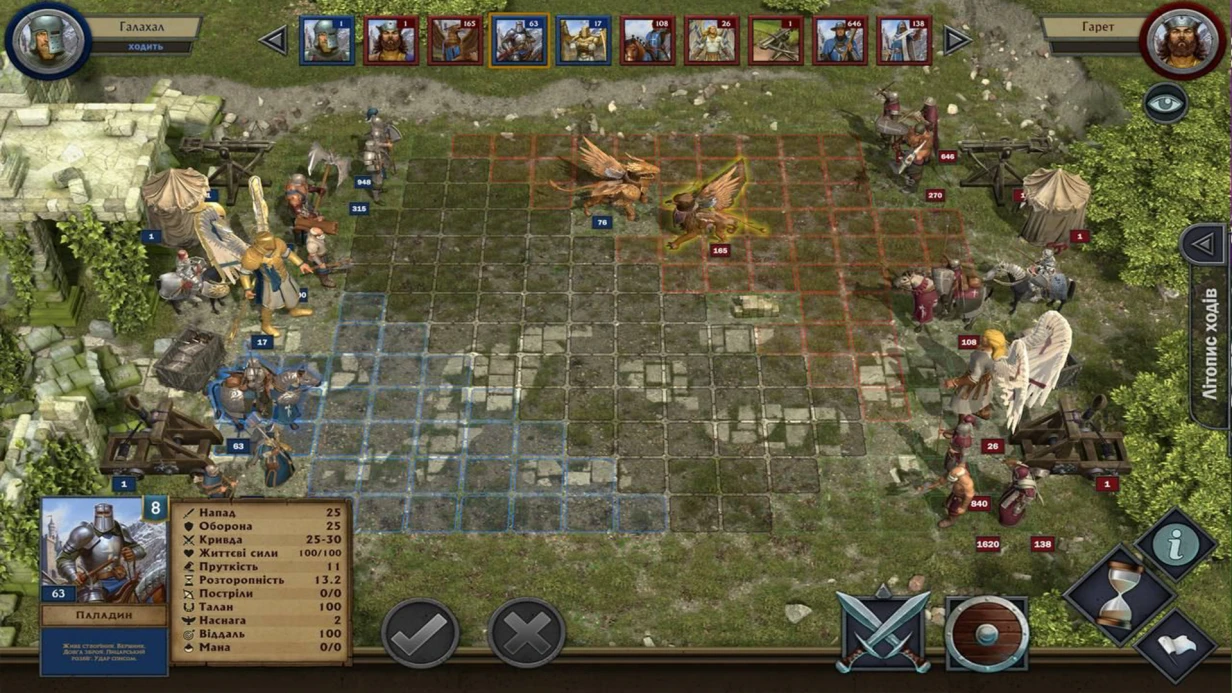
Modern players are spoiled: they compare your project to the best blockbusters, even if you are making an indie or mobile game. Ordinary sprites and ready-made assets from the store do not provide the depth and realism the eye is used to.
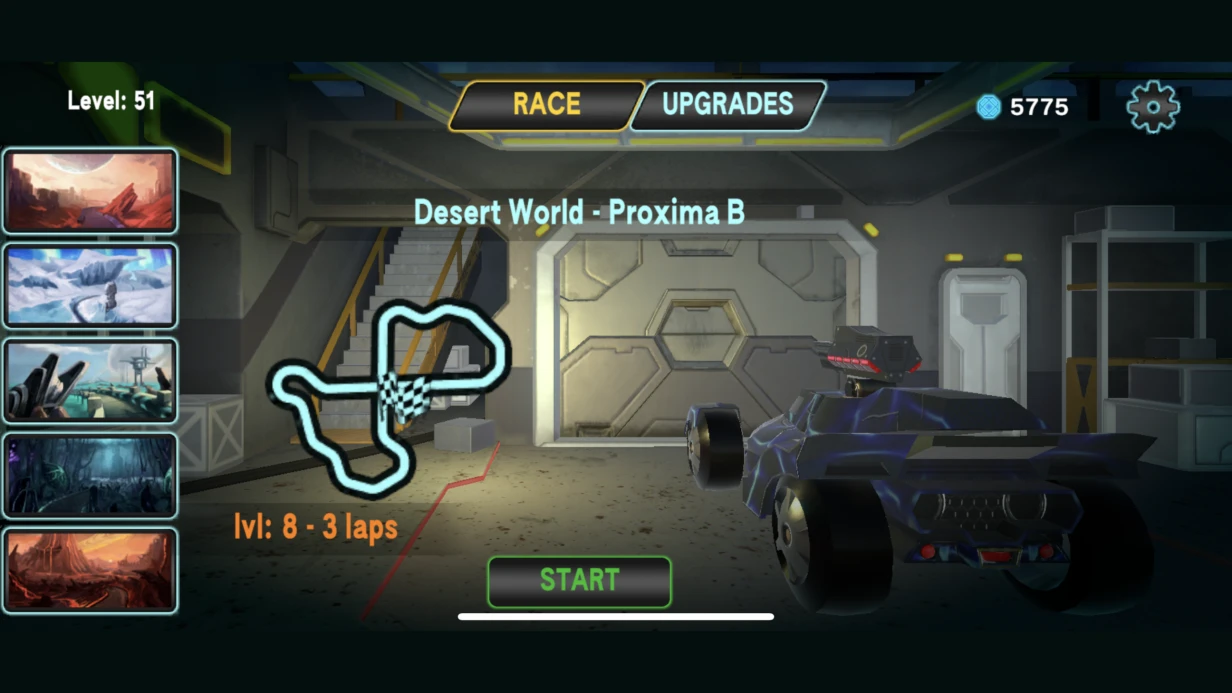
Without a proper level of visual effects (VFX), the game is perceived as outdated, no matter how good the mechanics are. You invest in game design, but the audience does not notice it because of the "dead" visuals.
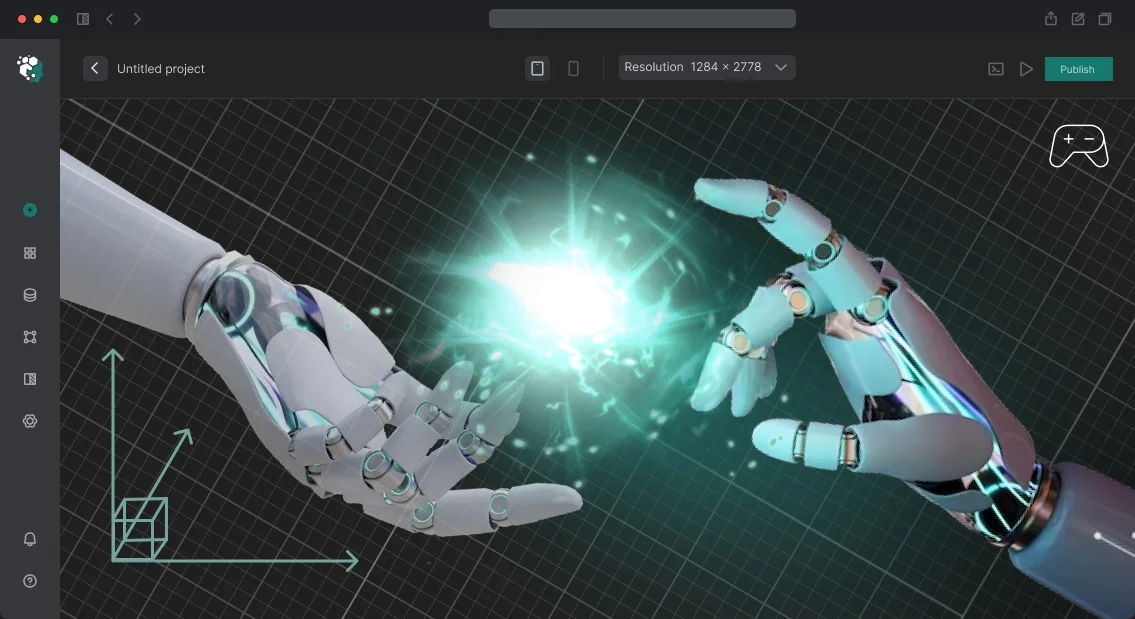
This is where Volume Rendering in Unity comes to the rescue—an approach that fills scenes with volume, light, and density. It is the technology behind those fog banks, piercing light rays, and explosions with a sense of presence that take your breath away. By implementing it, you turn visuals into a tool for selling your game.
Special effects are not cosmetics; they are part of game economics. A spectacular explosion or a spell that players want to rewatch increases time spent in the project and the number of conversations around it.
Players share memorable moments on social media and messengers, giving you free reach. That is how VFX starts working for your marketing, returning development costs through increased recognition.
The problem is that creating high-quality Volume Rendering from scratch is difficult: it requires experience in shaders, lighting, and optimization. An unskilled implementation will simply "kill" performance and ruin the impression of the product.
We close this issue: the combination of our experience and Unity's capabilities gives the client a stable, smooth result that delights players and pays back development investments.
What Benefits Does Your Business Get from Realistic Special Effects?
Realistic special effects are not just a "pretty picture" but a working tool that solves business tasks: it holds attention, amplifies emotions, and turns visitors into regular customers.
When an effect looks credible and volumetric, guests do not walk past—they stop, look closely, take photos, and tell others about you.
Engagement and Emotion
A bright, volumetric scene works better than any booth or presentation: it creates a sense of presence and engages even skeptical visitors.
Guests remember the event through experience, not through text on a banner—that is exactly what keeps them at your zone 3–5 times longer than usual.
Recognition and Reach
An unusual effect instantly spreads across social media: every guest takes photos and videos, and you get free reach among their followers.
The more realistic and "expensive" a scene looks, the more willingly people share it—so even those who were not at the event remember your brand.
Leads and Conversion
A spectacular special effect becomes a reason to start a conversation: guests approach on their own, ask questions, and leave contacts to learn more. We have seen volumetric scenes double the number of inquiries—simply because people wanted to touch "living" technology.
"After launching the volumetric effect at the exhibition, a queue formed at our booth, and the number of inquiries grew 2.5 times." — Head of Marketing at an Event Agency
What This Means for You
Realistic effects are not an extra expense item but an investment in your image and results. They increase guest engagement, strengthen recognition, and directly affect the number of leads—which means they pay off after the very first event.
Volume Rendering Service Formats for Your Task
Each task—a corporate event, an exhibition, or a promo game—requires its own format of work. Volume Rendering technology in Unity allows us to create volumetric fog, fire, smoke, and abstract compositions that capture the viewer's attention.
We adapt the visual solution to your venue, audience, and event goal—you get a ready-made scenario, not "raw" development.
Below are the typical formats we work with most often. This is a guideline: the final version is always discussed according to your task, budget, and timeline.
Formats for Different Tasks
| Format | Who It Is For | What It Gives the Client |
|---|---|---|
| Corporate game | HR and event managers | The team gets involved in a shared task, enjoys vivid emotions, and takes joint photos. Employee loyalty to the company increases. |
| Exhibition booth | Marketing director | Volumetric effects attract attention and keep visitors at the booth. The number of collected contacts and product exploration time grows. |
| Promo game for social media | Brand manager | Participants record and share moments featuring your brand. Reach and recognition grow without additional ad spend. |
| Relaxation zone at an event | Event organizer | Guests relieve stress, gain impressions, and associate them with your company. A positive brand image is formed. |
If you are unsure which format to choose, send us a description of the event, and we will offer a solution for your goals. It is important that the effects serve a specific task: collect contacts, engage employees, or create viral content.
How the Project Work Goes: Step by Step
We have structured the work so that you control every stage and understand what is happening with the project. No "black box": you get a plan, deadlines, and intermediate results, and we get a clear understanding of the task. This approach saves time and budget because edits are made at early stages, not after launch.
- Brief and Discovery — you tell us about your project, audience, and goals. We clarify details and review your game project or scenario to propose effects that solve your task, not just look beautiful.
- Plan and Estimate — we prepare implementation options, timelines, and scope of work. You see what is included in each stage, compare solutions, and approve the plan.
- Prototype — we create a demonstration of the key effect on your data. You evaluate how it fits into the game and share wishes before full development.
- Implementation — we develop all special effects and integrate them into your Unity project. You receive intermediate versions periodically—you can review and provide feedback.
- Approval and Polish — you test the effects in a real environment. We refine performance and appearance to perfection, taking your comments into account.
- Launch — we deliver the final files, instructions, and source materials. We help with final integration so everything runs stably.
- Support — after delivery, we stay in touch. If you need edits or improvements, you contact us directly—without a long onboarding process.
What Is Included in the Delivery: A Complete Package for Your Event
When you order game special effects through volumetric rendering, you receive not scattered artifacts but a complete solution for your event. The package includes everything needed to run the effect, manage it, and stay confident on the day of the event.
- A ready interactive VFX zone—deployed at the venue and running on professional equipment.
- Source project files and settings—you remain the owner of the solution and can make changes in the future.
- Clear documentation: scenario descriptions, effect parameters, and operator instructions.
- Training materials and a short session for your team—employees start and stop the show without a developer.
- A guarantee that everything will work throughout the entire event—we fix any failures on the very first day.
- Support on the day of the event: our specialists monitor the work remotely and respond to requests faster than a break between sessions lasts.
After launch, you are not left alone with the solution. A month of free support is included in the delivery: we answer questions, help adapt the effect to new tasks, and refine scenarios if needed.
All documentation stays with you, so at any moment you can hand over control to your team or invite us for a new project.
Case Study: How Volume Rendering Increased Engagement at an Exhibition
At an industry technology exhibition, the client's booth was lost among dozens of similar ones: banners and videos caught the eye for a second but did not hold visitors.
We proposed turning the booth into an interactive zone based on Volume Rendering: dynamic clouds and swirls reacted to guests' movements, and a touchscreen allowed them to "shape" the company logo out of the effects.
During development, we used the Unity game engine and a professional arsenal of special effects—this provided a smooth image even on regular tablets, without overheating or delays.
It took two weeks to build the prototype, and another week was spent polishing it for heavy traffic. The result was not an attraction but a full-fledged engagement tool: guests approached on their own, filmed videos, and checked in—without any extra prompting from the staff.
The Measured Result
Over three days, 1,200 people visited the zone—four times more than at neighboring booths. The average interaction time was almost four minutes, and more than 300 posts with the client's hashtag appeared on social media.
Most importantly, 27% of visitors left their contacts on the spot, and two weeks later the client signed three major contracts with companies that saw the effect in person.
The client's marketing director, the company AvtoGrad, summed it up this way: "We expected more attention, but we got a queue. Guests came back and brought colleagues, and for a week after the exhibition people kept calling us with questions.
This is the best result among all our events." Now AvtoGrad includes such a zone in every major booth—for us, this confirms that volumetric rendering pays off through engagement, not just through visual impact.
A repeat order for the next project was placed before the exhibition even ended. That is how we measure success: the client saw measurable value and is ready to use the solution systematically.
How to Choose the Right Development Format for Your Task?
The choice of development format depends on your task, project complexity, and timeline—these are the three main axes that make it easy to navigate. There is no universal solution: what works perfectly for one event may be excessive or insufficient for another.
So first, determine what exactly you need: one effect for a presentation or a whole series of game scenes for a product.
If the task is local—for example, adding a fog or dynamic light effect to a single scene—a compact format is enough: fast, targeted, with a clear result.
If it is a complex project where special effects must work together and support the atmosphere of the entire game, it is better to plan for a full development cycle.
This also affects timelines: a complex task requires more time to refine, and we honestly discuss this from the very beginning.
It is also important to realistically assess your resources. When deadlines are tight, it is wiser to choose targeted refinement focused on the key scene.
When there is time to spare, you can go deeper into details and polishing so the effect looks as premium and cohesive as possible.
We help you make the choice without technical pressure: on the first call, we review the task, show possible formats, timelines, and results, and the decision remains yours.
The main thing is not to be afraid to ask questions. If you are not sure which format fits, just tell us about your task: we will suggest the optimal option and offer a clear next step. That way you save time and get exactly the result your project needs.
Frequently Asked Questions and Concerns: Honest Answers
Before ordering special effects in Unity, there are always doubts: "what if it doesn't work," "what if they miss the deadline," "who will be responsible if something goes wrong?" We hear these questions on almost every brief, so we decided to answer honestly and in advance. Our job is to remove these risks before the start.
Volume Rendering is a complex technology, but it is familiar to us. We take responsibility for the result and structure the process so that you see progress at every stage instead of getting a surprise at the end.
What happens if the effect does not work when it needs to?
We debug all effects on real game scenes and intermediate builds before delivering them to you. You receive preliminary results at every stage and can make edits before launch.
If something goes wrong after delivery, we stay in touch and fix errors free of charge during the warranty period.
For us, the guarantee is not a formality: we take responsibility for our work just as you take responsibility for your clients.
Will you make the deadline?
Timelines are fixed in the contract and in the work plan. We break the project into stages with control checkpoints—you see progress every week and always know what will be ready and when.
Delays are only possible if the tasks change on your side, and we immediately warn you about the impact on timelines and budget.
What guarantees do you provide?
We guarantee that the effects will work and will comply with the agreed technical specification. All support terms and deadlines are spelled out in the contract, so you see the risks before starting, not after. More than 70% of clients return to us with new tasks—that is the best indicator of trust.
The easiest way is to trust the result. our team has been creating game effects for more than 10 years, and every second project is a repeat order. That means clients get a predictable result and come back for more volume: smoke, fog, explosions, magic—everything that brings your game to life.Ready to Create a Game That Impresses? Contact Us
Creating a game that impresses is not only about spectacular visuals but about the emotions that make players stay and return. It is the growth of your audience and the increase in profit. We know how to turn your product into a magnet for users through visual magic.
Let's discuss your idea right now. We work remotely around the world, know how to explain complex things clearly, and listen to business needs. Leave a request—and within a few minutes you will get a response from our expert.
What you get after your request:
- Free consultation — we will analyze your task and tell you which game mechanics and effects will strengthen it.
- Honest project assessment — we will tell you how feasible the idea is, what resources it will require, and what the result will be.
- Personal work plan — we will offer a step-by-step solution for your task, not abstract options.
- Transparent cost — we will fix the estimate before the start. No hidden extra charges during the work.
- Portfolio and case studies — we will show examples from an area close to your project so you can see the level.
Write to us so the game you have imagined can start generating profit. Fill out the form on the website—we will contact you soon to discuss the details and take the first step toward your success.