


GameMaker game losing positions? Tech art will fix it
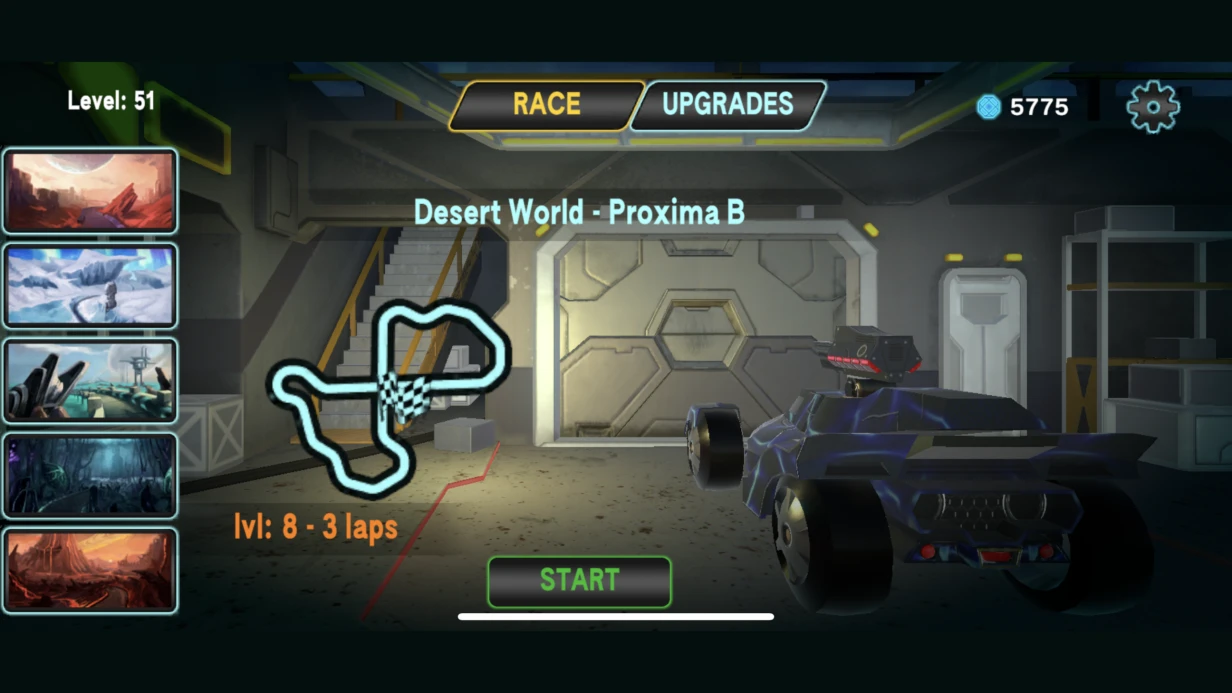
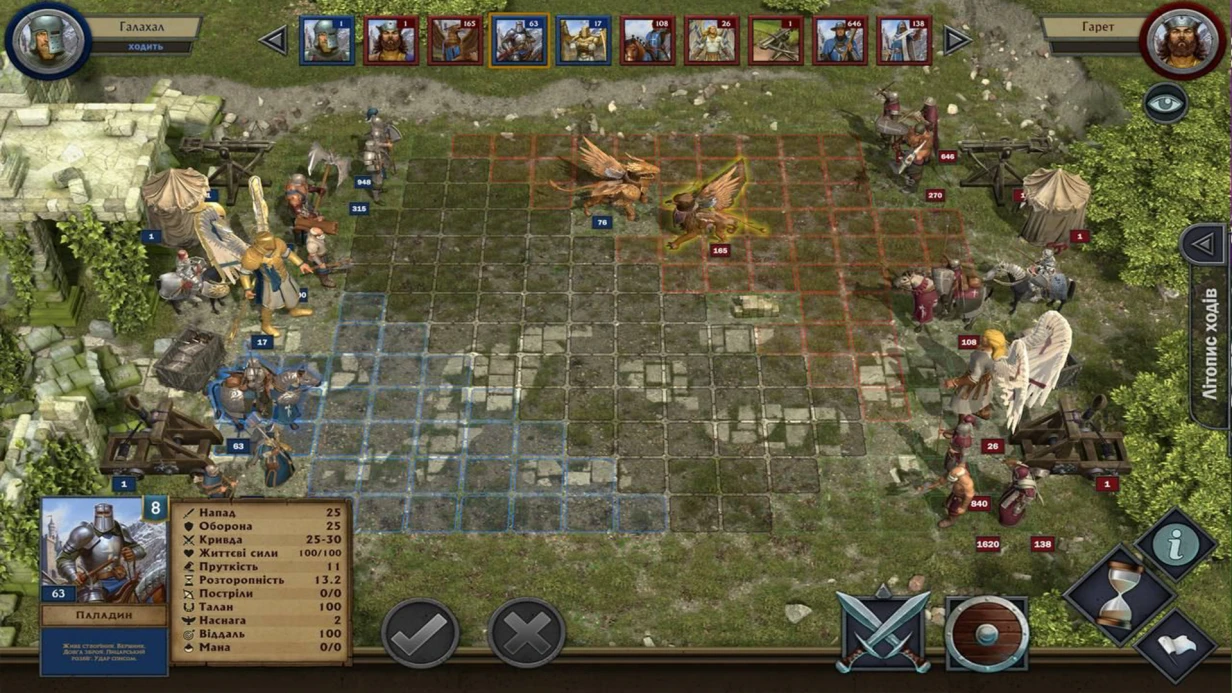
If your GameMaker game is losing positions in the stores, first look at visuals and performance. Players leave games with outdated graphics not because the mechanics are bad, but because there's no desire to stay. Stutters and low frame rates finish off even a good project.
Tech art is exactly what fixes both points. A technical artist configures graphics and internal processes so that the game looks modern and still runs stably even on mid-range devices. These are not one-off fixes but a systematic approach that strengthens the entire project.
When the game runs smoothly and looks stunning, the metrics speak for themselves. Session time grows, repeat launches increase, ratings improve — and this leads to more organic installs. Your game gets back into recommendations.
Wehave been working with GameMaker for more than ten years and know the typical problems of such projects. We speed up level loading, optimize sprites and special effects, and eliminate performance drops. At the same time, game logic is not rewritten — you don't waste time or money.
In game dev, positions are decided by the overall impression: vibrant style, smooth controls, and no technical surprises. Tech art delivers exactly that. Show us your game — we'll analyze what's holding it back and bring it back to the top.
What tech art gives you: from graphics to money
When a game looks amateurish, players leave for competitors before they even appreciate the mechanics. Tech art closes that gap: it turns a raw project into a polished product people want to buy and show to friends. This is about the project's economics.
Here is what a technical artist brings to a business:
-
Higher purchase conversion. Clean graphics, pleasant animations, and a clear interface lower the trust barrier. A player is more willing to pay if the game looks professional.
-
Engagement and retention. Smooth transitions, responsive controls, and visual feedback keep attention. Longer session — more donations and repeat purchases.
-
Brand recognition. A signature style and harmonious graphic elements are memorable. Players take screenshots and share them on social media — reach grows without an advertising budget.
-
Faster update releases. Streamlined processes and ready-made elements reduce the time needed for new content. Levels and characters ship on time — the audience doesn't lose interest.
-
Fewer reworks. A consistent style and documentation save months of work. You see in advance how the game will look and don't overpay for changes.
Tech art in GameMaker is a revenue growth tool, not just a “graphics improvement.” Every item on the list converts into money: higher price, more repeat purchases, wider audience.
That's why we bring a technical artist into the team at the planning stage — so you get a game that doesn't just work, but generates profit.
Tech art engagement models for GameMaker
Each project is unique in its own way: sometimes you need one-off help, sometimes ongoing control over rendering. We offer flexible tech art engagement models for GameMaker, so you pay only for the expertise you need at the current stage.
The models are selected according to the task — from a short consultation to full support of art processes. This lets you avoid overpaying for unnecessary resources while still getting a result that is felt in development speed and visual quality.
| Model | For whom | What the client gets |
|---|---|---|
| One-off consultation | When you're stuck on a specific task | Quick solution without hiring or rework |
| Stage support | For an active development phase | Expertise on hand, results on time |
| Full tech art outsourcing | When you need to cover an entire area | We handle the whole art process, you handle business metrics |
Transparent terms and fixed pricing — you know the budget in advance. We take care of the technical side, so you focus on growing the project rather than the engine's internals.
How a project with a tech artist works
Every project with a tech artist follows a clear process: you always know what stage the work is at, what has already been done, and what you'll get in the end. This approach removes the “black box” risk, where you don't know what you're paying for or when the result will come. Below are the typical stages we go through with you.
-
Brief and project immersion. We listen to your task: what the game is, what the deadlines are, what visual problems you've run into. We clarify what matters most to you — development speed, graphic style, or clean assets. The output is a clear understanding of the goal and success criteria.
-
Current state audit. If the project is already in development, we look at existing assets, scenes, and processes. We find what slows down the work and where quality is lost. You get a list of specific growth points — no fluff, no “improvements for the sake of ticking a box.”
-
Work plan and estimate. We fix the scope, stages, and results of each step. You know in advance what tasks will be solved, by when, and how much it costs. No hidden extra charges — only the agreed scope.
-
Tech art solution development. We configure assets, automate routine tasks, and optimize graphics and animations.
For your team, this means less manual work, faster iterations, and consistently beautiful visuals without “crutches.” We use professional tooling refined over 10+ years of projects.
-
Integration and testing. We integrate the solutions into your process and test them in real game scenarios. We catch and fix potential issues before they affect the schedule. You get a working system, not a collection of abstract files.
-
Launch and support. We hand over documentation and, if needed, train your team to work with the new tools. We stay in touch after launch: we answer questions and help with refinements.
If new tasks come up, there's no need to look for another contractor — you already know who solves them quickly.
What's included in the tech art deliverable for GameMaker
After the work is complete, you get not just a finished result but a full package of materials that remains at your team's disposal.
We structure the deliverable so you can continue developing the project without necessarily involving our specialist and without lengthy onboarding.
The tech art deliverable for GameMaker includes:
- Project source files — all graphic and technical elements in editable form, including sprites, animations, and object settings.
- Technical documentation — a description of the project structure, how elements work, and the decisions made. The documentation is written so that not only the author can navigate it.
- Setup and launch instructions — a step-by-step guide that even an employee working with the project for the first time can follow.
- Quality checklists — ready-made lists to quickly verify that everything works correctly and nothing has been missed.
- Style and guidelines manual — a description of how to create new elements so they fit naturally into the existing system and don't break it.
- Templates and examples for common tasks — ready-made building blocks that speed up development of similar objects and reduce time spent on routine operations.
- Handover materials for your team — short summaries and cheat sheets that are convenient for onboarding a new specialist.
Each item is written in plain language and designed for real use in practice. You can hand the package to a new employee, a hired contractor, or a related specialist — without spending time on long explanations.
Thanks to this approach, you don't get a dependency on a specific contractor — you get a full-fledged asset that keeps working for your business.
A GameMaker project becomes transparent and manageable, and the development budget becomes predictable thanks to ready-made solutions and complete documentation.
Case study: engagement +42% after tech art
Developing on GameMaker gives developers a lot of freedom, but it usually comes down to visual presentation. A game can be stable, interesting, and balanced, yet fail to hook players from the first minutes.
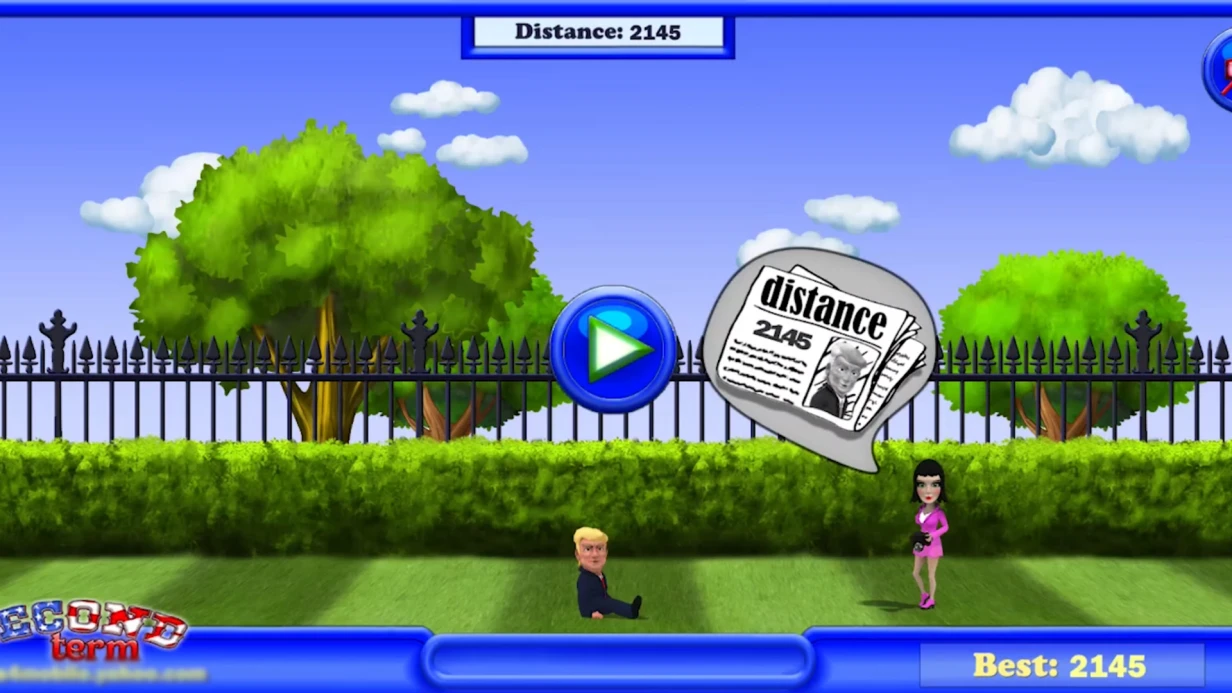
That's exactly what happened with a mobile runner by a European studio: mechanics were well developed, but retention metrics dropped with every update, and store ratings declined.
The marketing budget no longer paid off — money went toward acquiring users who left after a couple of sessions.
We performed a tech art audit. Over two weeks, we analyzed lighting, animations, special effects, and how the interface responded to player actions.
Instead of piecemeal “graphics improvements,” we proposed a systematic change to visual feedback: at key moments — collecting points, unlocking a new level, the final splash screen — the player now receives an instant visual “reward.” This strengthened emotional engagement without changing the gameplay or project architecture.
A month after the update, the metrics changed radically. Engagement grew by 42%: the average session increased from four to six minutes, and next-day return rate rose by 18%.
Players also started sharing screenshots more often: organic reach on social media tripled, and conversion to paying players increased by 12%. These are direct numbers that convert into revenue.
Such a result is not luck but the natural effect of tech art. It improves not the image for the sake of the image, but the player's emotions and their desire to keep playing.
The client saw a direct link between visual presentation and profit, so they came back to us with a new GameMaker project. A repeat order is, for us, the main sign that the work delivers measurable business results.
How to choose the right tech art model for your task?
Choosing a tech art model for a GameMaker project doesn't start with screen size or sprite count, but with the answer to a simple question: what task does the project face, and how often does it come up?
If you can articulate that from the start, you won't overpay for extra hours or end up without results at a critical moment.
For one-off tasks — for example, drawing a set of sprites, setting up animations, or preparing graphics for a specific mechanic — a single engagement is enough. You get a fixed result within a clear timeframe, and all resources go into the work itself rather than extra processes.
This is convenient when the project is already at the final stage and you need to fill specific gaps.
If tasks come up regularly — content updates, seasonal mechanics, optimization for different devices — a support model is more cost-effective. The specialist already knows your project, doesn't spend time on onboarding, and works by priorities.
On a monthly basis, this is cheaper than ordering new work from scratch every time, and quality remains stable.
For large projects where tech art is needed daily and affects the game experience, a dedicated specialist fits best. They immerse themselves in the team, participate in planning, and own the graphics at all stages — from concept to final build. This is the maximum level of involvement, justified when graphics are a core part of the product.
The main principle is not to choose a model “by eye,” but to base it on the task and budget. We help determine the best option at the task-setting stage: you name the goal, we suggest the model and set deadlines. This way you get a predictable result without overpaying or surprises.
Common doubts: we answer before you start
Having doubts before starting is normal, especially when it comes to the technical side of a project. We've been working remotely for over 10 years, and in that time we've learned to address the main client concerns: deadlines, quality, and security. Below we address them honestly and to the point.
We don't promise the impossible, but we do give measurable agreements. Before starting, we fix the plan, stages, and areas of responsibility — so working with us is predictable from day one.
Will you miss deadlines?
Deadlines are fixed in the work plan before the project starts. You see checkpoints and understand what's happening at each stage. If something goes wrong, you'll find out in advance, not on the last day. We're always reachable, so schedule shifts are discussed immediately, not hidden.
How do you guarantee quality?
We have internal quality control in place: every task is checked against the technical specification and the project's overall logic. You receive intermediate results and can make edits along the way. The final version is delivered only after you accept it.
Is it safe to work with you remotely?
Yes. Before starting, we sign a non-disclosure agreement — it protects your idea, work-in-progress, and any internal information. All materials and source files stay with you; we don't use them in other projects. Full rights to the result transfer to you after payment.
If you still have questions, ask them before starting. We'll honestly explain what's included in the work, how long it will take, and what result you'll get. That way you can make a decision with full clarity.Order tech art for GameMaker: first steps
Ordering tech art for GameMaker is a simple and clear process. You don't need to understand technical details: just describe the task, and we'll prepare a solution for your project.
Here's what you need to do to get ready-to-use materials for launch:
- Submit a request through the form on the site or contact us directly — let us know you need tech art for GameMaker.
- Tell us about your project: what's already done, what tasks remain, and what result you'd like to see.
- Get a proposal on the scope of work, timeline, and deliverable size — no unnecessary technical details, only practical value.
- We agree on the plan and get to work. You see intermediate results and make edits if something doesn't match your expectations.
- You accept the final materials and launch the game. If needed, we stay in touch and help with implementation.
The whole process takes minimal time on your end — we handle the bulk of the work. You get not just files but a polished visual result: clean graphics, animations, and optimization for GameMaker, so the game runs stably and looks professional.
Order tech art now — soon you'll have ready-to-launch materials. Just write to us, and we'll help you get started.