

Godot 3 Game Losing Its Audience: How a Technical Artist Helps
Players make decisions in a matter of seconds. If the interface looks sloppy and animations stutter, even an engaging mechanic won't save the project — the audience moves to competitors with a more convincing visual presentation.
In Godot 3, without constant visual quality control, it's easy to end up with a "raw" look that devalues months of team effort.
A technical artist is a specialist who bridges the gap between the designers' vision and the engine's capabilities. They bring the visual style up to a professional level: tuning light, shadows, effects, making characters and environments feel alive, and eliminating artifacts.
At the same time, they keep an eye on performance — the game stays smooth even on mid-range devices, meaning it doesn't lose players to lag.
For business, this is a direct win. Visual quality directly impacts player retention: a good-looking game inspires trust, gets talked about, and brings players back. Average session length grows, and with it, revenue from in-game purchases and ads.
A Godot 3 project gets a second wind: instead of uninstalling the app, users stay and recommend it to friends.
In our agency, technical artists treat a game project as part of the product — we don't just "improve the visuals," we address the specific points where the audience is being lost.
In 10 years of practice, we've seen dozens of Godot 3 games where proper visual tuning became the trigger for metric growth. You get a team that is accountable for results, not just individual tasks.
What a Technical Artist Brings to Your Project
A technical artist is not just "someone who draws nicely." They combine visual quality with the technical capabilities of the engine, and it's this synergy that turns graphics into a business outcome.
For projects on Godot 3, such a specialist handles tasks that would otherwise get stuck between an artist and a programmer.
Here's what you get as a product owner:
- Higher conversion and retention. When a game looks cohesive and professional, users trust it from the first seconds. This boosts conversion from viewing to install, and then to purchases and returns to the project.
- Performance as an advantage. Optimized graphics allow the game to run reliably even on mid-range devices. More supported devices — a wider audience, fewer negative reviews and refunds.
- Faster time to market. A technical artist sets up the asset pipeline and automates routine operations. Artists and developers stop waiting on each other — deadlines are compressed, budget is saved.
- Reduced team workload. The specialist checks assets for engine compatibility in advance and defines technical requirements. This eliminates rework "at the finish line," when redrawing a single sprite triggers fixes across the entire scene.
- A unified visual standard. Internal guidelines and templates are created to maintain the style even with a large team. The result is recognizable art and a project structure that's easy to scale.
Every item on this list is not "improvement for improvement's sake," but a concrete contribution to the metrics: release speed, development cost, and player conversion. That's how a technical artist's work pays off in numbers, not just in pretty screenshots.
Godot 3 Engagement Formats for Your Specific Task
Work on Godot 3 projects rarely fits a single scenario: some need a quick pre-release audit, others want to hand off the entire graphics polish, and some are looking for a specialist for ongoing support.
That's why we offer three engagement formats — you pay only for the scope that solves your task, with no overpaying for services you don't need.
| Engagement format | Who it's for | What it gives the business |
|---|---|---|
| One-time project review (game audit) | You have a nearly finished Godot 3 project, but have doubts about visual quality, optimization, or release readiness | You get a prioritized list of fixes with risk and scope assessments. You understand exactly what's blocking the release and avoid unexpected costs after launch |
| Ongoing support | The game is actively evolving, updates are shipping, and you need a reliable technical artist "on call" | You save on hiring a full-time employee while always having access to a specialist who knows your project and responds within clear timeframes |
| Polish of individual elements | You need to improve characters, environments, effects, or UI, but don't want to rework the entire game | You get targeted improvements that directly affect visual perception, player ratings, and purchase conversion. Fast results without stalling development |
Before we start, we briefly clarify your situation and suggest the right format — even if you're not sure which service you need.
In any scenario, you get a specialist who is accountable for the result, not just "the process." All that's left is to choose the option that works for you — we handle the rest.
How Visual Work on a Game Proceeds
Work on a game's visuals is like a construction project: first the design, then the estimate, and only then the actual work. We've structured the process so that at every stage you understand what's happening, what it costs, and when the result will be ready.
- Brief — we hop on a call or chat to discuss the task: what kind of game it is, which platforms it targets, what style is needed, what the deadlines are. You talk — we ask clarifying questions.
- Project plan — we lock in the scope of work: what we'll do, in what order, how long each stage will take, and what source assets we need from you.
- Alignment — we present the plan, discuss details, and approve it together. You see the full picture before work begins and can adjust priorities if needed.
- Execution — we carry out the work according to the agreed plan. At key milestones, we show intermediate results so you can monitor progress and quality.
- Launch — we deliver the finished result, verify that everything works in your project on the Godot engine, and provide usage instructions.
- Support — after delivery, we stay in touch: if something needs to be fixed, added, or carried over to the next project, you know who to reach out to.
All communication happens through whichever channel suits you — email, messenger, or video calls. No "black boxes": you always know what stage the work is at and when to expect the result. This approach has already helped dozens of projects ship on time with no surprises.
What You Get After the Project Is Complete
Once the project is finished, you receive more than just a set of files — you get a transparent delivery package that's easy to use and easy to hand to any team.
We work with Godot 3 projects and structure the result so you have no "blind spots" either at the acceptance stage or several months later, when new tasks come up. Below is everything that stays with you after final delivery.
- Optimized version of the game — polished files packaged into a current build: fast load times and stable performance without lag on most devices. Your players won't leave because of technical issues.
- Project source files — complete, up-to-date sources with all the accumulated work. Any team, even a brand-new one, can continue development without a lengthy "post-mortem."
- Technical documentation — a clear description of the project structure, key components, and how they relate. A new specialist can get up to speed in a couple of days, not weeks.
- Content editing guide — how the graphical elements are organized and what can be changed without involving a programmer. You'll be able to tweak small details yourself without blocking development.
- Further optimization recommendations — a concrete action plan: where to start with speed improvements, what areas are already reserved for future polish, and how to add new mechanics without losing performance.
- Pre-release checklist — all the important control points: from UI correctness to behavior on low-end hardware. You launch knowing in advance that nothing will break.
- Post-delivery support — during the agreed period, you can ask questions about the code or request clarification on the documentation. We stay available until the team is comfortable with the project.
The entire delivery is structured to be honest and verifiable: you can see what you received and check the result on your own.
We don't "abandon" the client the moment the acceptance certificate is signed — it matters to us that the project keeps delivering value and raises no questions a month after launch.
A Real Case: How We Boosted a Game to the Top of the Ratings
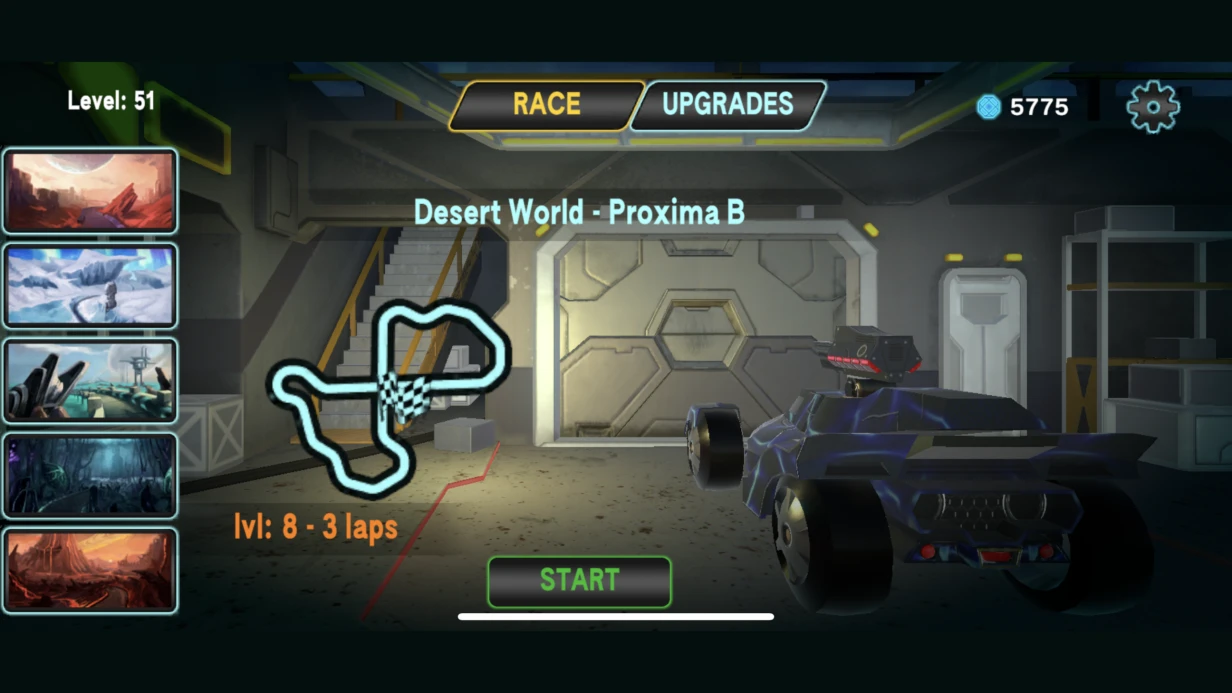
One of our projects — a mobile game on Godot 3 — was stuck in the middle of the charts after release: solid mechanics, but players complained about a "boring look" and "sluggish animation." The problem wasn't game design, it was the technical presentation: lighting, effects, motion fluidity — everything that creates a sense of quality on the first screen.
We ran an audit and reworked the visual side in two months: added dynamic lighting in key scenes, rebuilt the explosion and particle effects, and optimized rendering so the game would hold a high, stable FPS even on mid-range devices.
The developers kept working on content, while a technical artist delivered a premium look without rewriting the code.
What we got 6 weeks after the update went live:
- The average store rating rose from 3.8 to 4.6 — players now specifically praise the "beautiful visuals" and "lively effects."
- The share of repeat launches in the first week grew by 34% — people came back to see the improved scenes and stayed to play.
- The number of positive reviews mentioning graphics quadrupled, while negative performance feedback dropped to nearly zero.
The key point: this impacted revenue. Higher ratings pushed the game up in search results, generating free organic traffic. The client didn't spend on advertising — instead, installs grew through better product perception.
This case shows that technical art is not cosmetics — it's a business-metric tool. Player ratings directly affect game visibility, and visibility affects revenue.
If your project is already playable but underperforming in perception or reviews, targeted work like this is often all it takes — no need for a full rebuild.
Frequently Asked Questions About Technical Art
Before technical art work begins, clients usually have the same questions: how well will the artist understand a Godot 3 project, will deadlines slip, what happens after delivery.
We answer briefly and to the point — without technical complexities that don't affect your outcome.
We already have a finished project. How easily will you integrate into our process?
We work with Godot 3 projects, so we don't waste time learning the engine from scratch. At the start, we audit your source files, identify bottlenecks, and propose a plan: what we improve right away and what's better left untouched so we don't break working mechanics. Key decisions are aligned with you before any edits begin.
What happens if deadlines slip?
Deadlines are fixed in the contract and the work plan. Each stage is delivered separately — you see progress as it happens and don't wait for a result on the last day.
If a task turns out more complex than expected, we warn you in advance and propose options: reduce the scope or move the date — but only with your consent.
What guarantees do you provide for completed work?
After delivering the technical art, we stay in touch and fix any issues within the agreed technical specification for free. Our goal is for the game to look cohesive and run reliably, so we don't disappear after payment.
Over ten years of work, most clients come back with new tasks — that's the best quality guarantee there is.
These are just some of the questions we hear most often. Send us a description of your project — we'll assess the task for free, suggest a solution, and give you realistic deadlines.Order a Technical Artist for Your Game
Ordering a technical artist means getting a manageable process with no surprises. You don't wait around hoping "it'll work out somehow": from day one, there's a plan, deadlines, and intermediate checkpoints.
This saves your time and lets the team move at a steady rhythm instead of chaotic last-minute fixes.
Immediately after the work starts, you get:
- An action plan: a list of tasks broken down by stage, with priorities and the expected result of each step.
- A preliminary cost estimate: labor assessment before the work begins, with no hidden fees or "unexpected" scope expansions.
- Deadlines for each stage: it's clear when the first demos will appear and when the task will be ready for integration into the main build.
- A clear entry point for your team: who exactly is doing the work, what format files are delivered in, and how you'll receive updates.
- First results right at the start: a graphics workflow setup, basic visual effects, and resource optimizations you can test in the game immediately.
- Acceptance criteria: a checklist you use to confirm the task is done, not "stuck somewhere in the process."
From there, the work runs on a short cycle: brief → plan → execution → demo → revisions → delivery. You always know what stage the task is at and when to request adjustments. This format rules out situations where the result arrives unexpectedly and doesn't match expectations.
Leave a request — and within two business days, you'll have a plan, deadlines, and a cost estimate in hand. We'll start with a single task so you can evaluate the result, then scale up across the entire Godot 3 project.
How Do You Know Your Project Needs a Technical Artist?
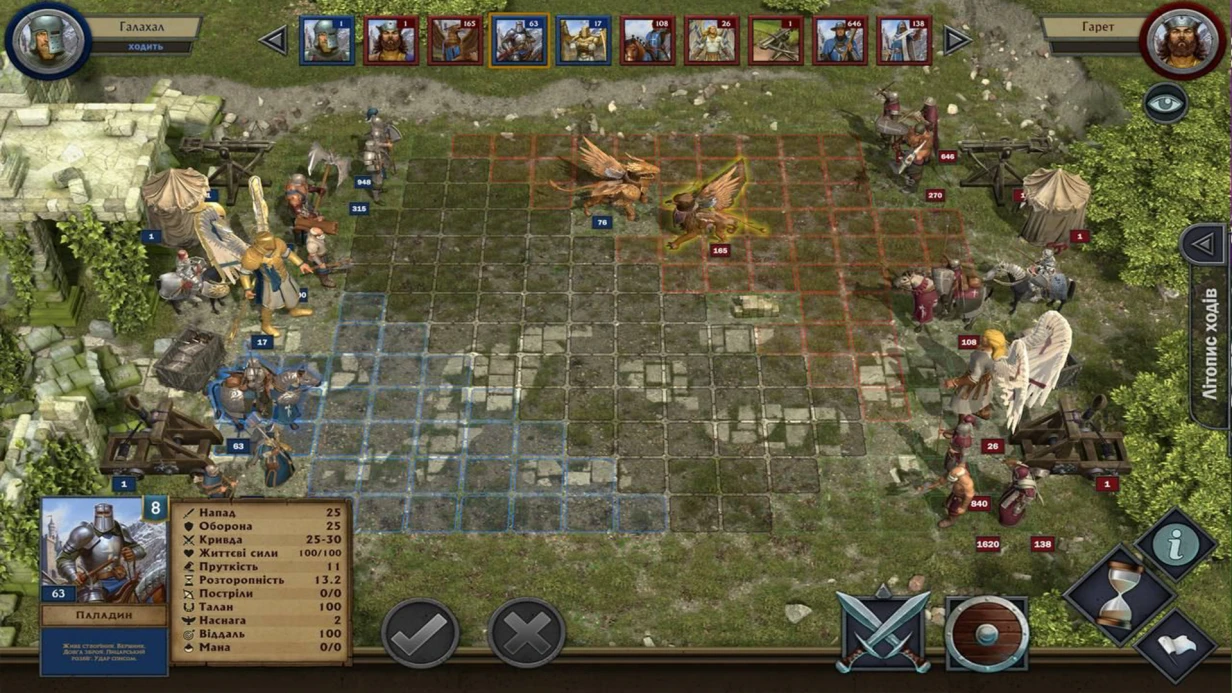
Sometimes a project feels playable, but something is off: the visuals don't come together, characters and environments look like they're from different games, animations feel choppy.
None of this is accidental — it's a sign that the visual side hasn't been brought up to a professional standard. A technical artist brings order to exactly these details — bridging the artistic vision and the capabilities of the engine the project runs on (for example, Godot 3).
Pay attention to performance. If the game noticeably "weights down" on simple scenes, stutters on older devices, or loses smoothness even with a modest number of objects — that's not a quirk of the engine, but a consequence of suboptimal settings and assets.
A technical artist finds and eliminates these bottlenecks without sacrificing image quality. The result: a game that flies even where it used to turn into a slideshow.
Another reliable indicator is user feedback.
Players rarely write "technical deficiencies" — they phrase it differently: "my eyes get tired," "it's unclear where to look," "the scene feels empty," "the character seems to slide." Behind each of these phrases is a specific problem the artist can fix.
If words like "ugly," "weird," or "uncomfortable" keep recurring in the comments, that's already a signal to act.
Run a quick self-diagnostic: look at your project's screenshots through the eyes of someone seeing it for the first time. Do you like the result? Does it look cohesive and modern? If you hesitate to answer — the project most likely does need a technical artist.
That's precisely what we do: we help a game find a confident, polished look so it makes the right impression at first glance.