

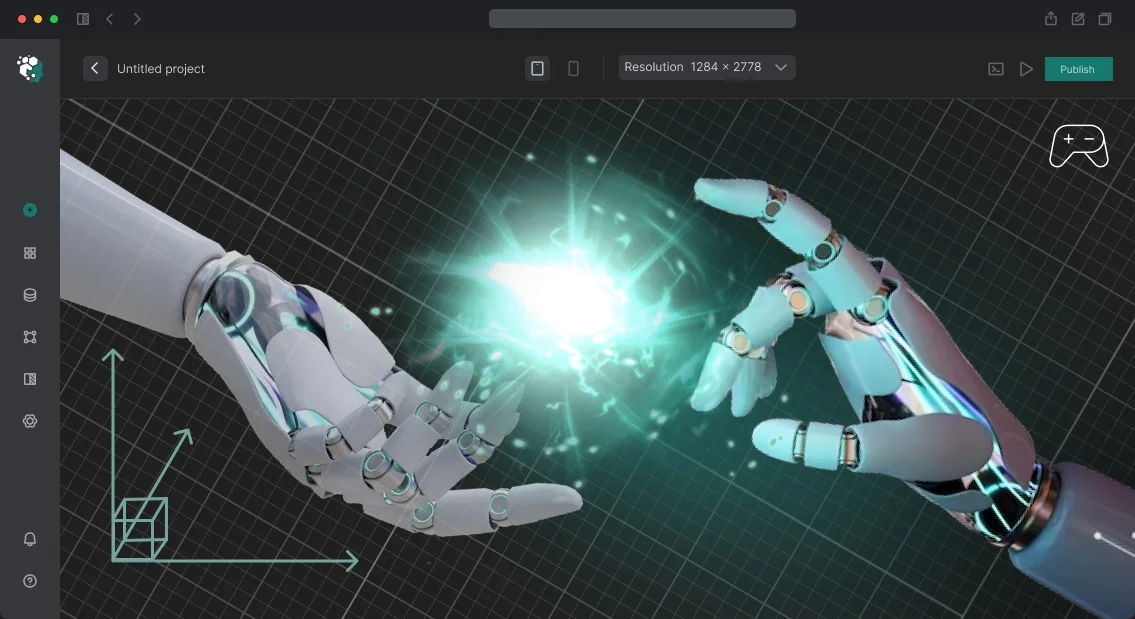
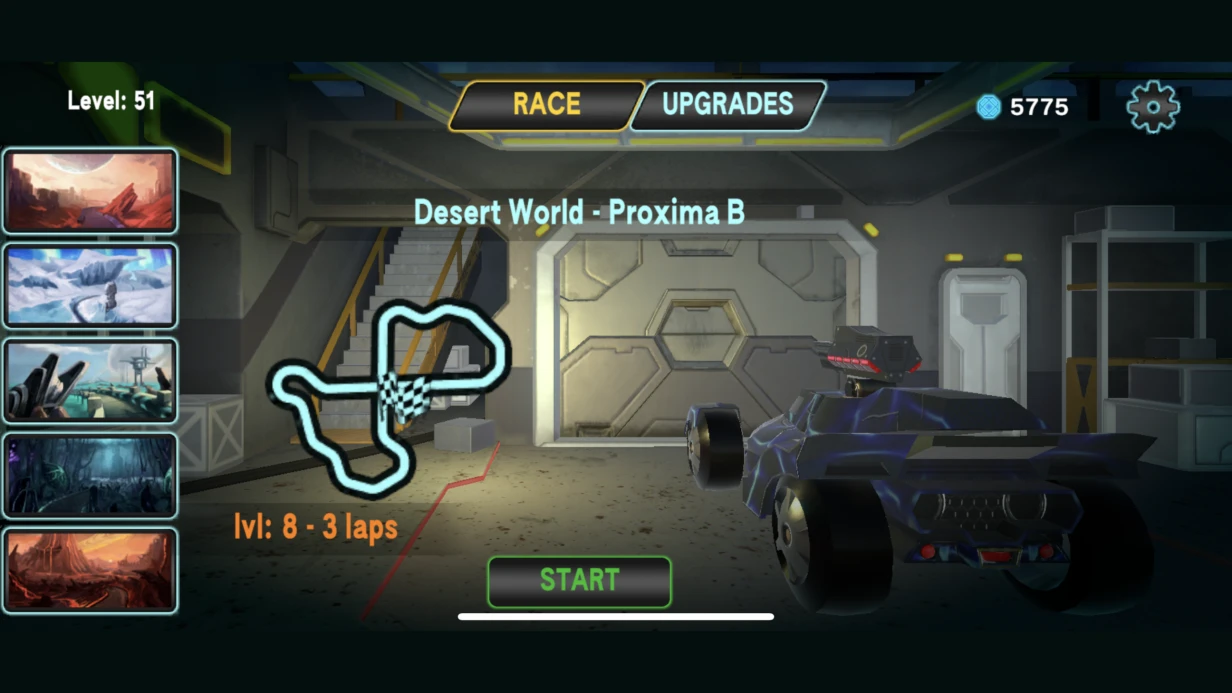
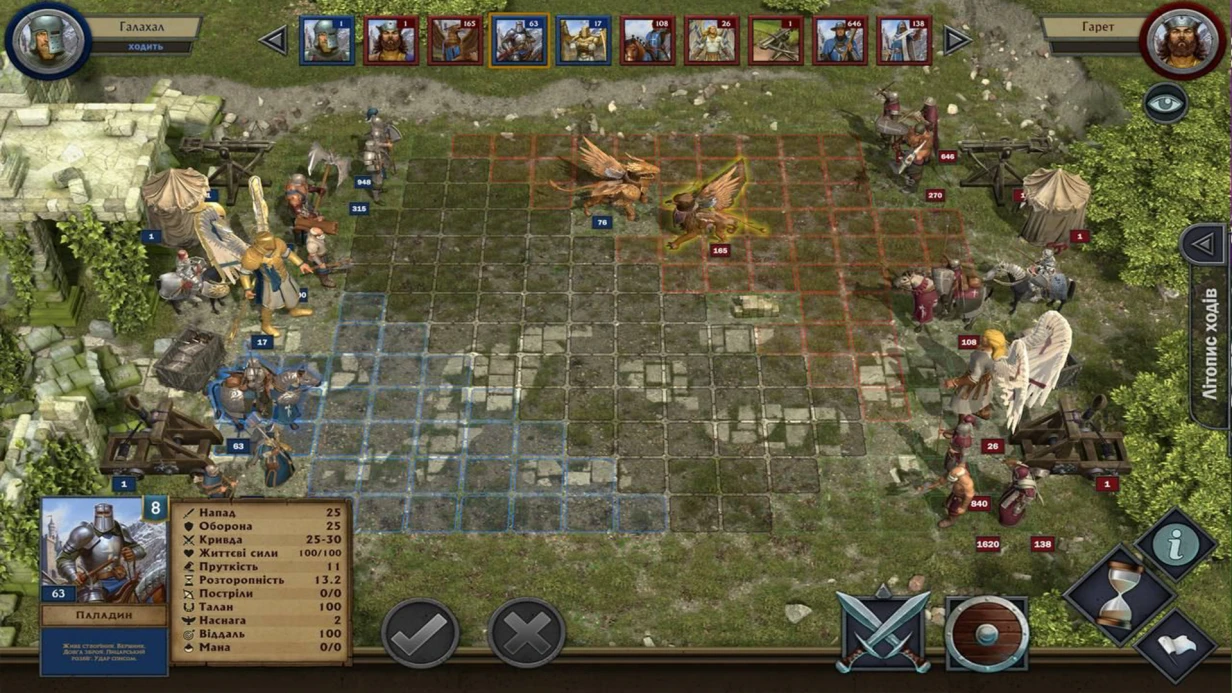
Is Your Godot 4 Project Falling Short of Competitors When It Comes to Graphics?
Players decide within the first few minutes: if the visuals don't grab them, even a well-designed gameplay goes unnoticed.
A Godot 4 project may be technologically advanced on the inside, but with weak graphics, users move on to competitors where the visuals are brighter and more alive — and revenue goes with them.
It's not about the engine's capabilities, but how they're used. To achieve visuals on par with industry leaders, you need the right setup for lighting, shadows, materials, and post-processing.
Without it, the game looks cheaper than intended, and attempts to "add polish" often lead to lag on weaker devices. This is where a Godot technical artist comes in — a specialist who connects art and code, turning raw graphics into a competitive advantage.
We close that gap. We bring a technical artist into your project remotely: they analyze the current visuals, identify bottlenecks, and bring the quality of godot 4 visuals up to the level players expect.
At the same time, godot graphics optimization remains a priority — the game will run smoothly across a wide range of devices, not just high-end hardware.
You see the results in the metrics: players stay longer, take screenshots and recommend the game to friends, and repeat launches grow without additional marketing spend.
All you need to do is hand the project over to us — from there, the art side and performance work for your business.
What a Professional Technical Artist Brings to Your Project
"Beautiful" and "fast" rarely go hand in hand in games. A technical artist brings these two together: they make the visuals impressive and ensure stable performance across different devices. The direct result is higher sales and stronger player trust.
For a Godot 4 project, such a specialist connects designers and developers, turning ideas into working graphics. The team does less rework, deadlines are met, and the value of a technical artist is visible in every frame.
Higher Visual Quality
Lighting, materials, and effects make the picture look premium and realistic. Players decide whether to buy based on screenshots and a trailer — if the image grabs attention, the project stands out from the competition. This boosts conversion and the average order value.
Performance Optimization
A beautiful game that lags loses players. A technical artist thinks ahead about how to get the most out of each device so the game runs stably for the majority of users. That means fewer negative reviews and a wider device reach.
A Recognizable Project Style
A consistent visual style — from the menu to the levels — creates signature identity. Players recognize the project from a single frame, share it on social media, and come back again. That's how graphics work for your brand after release.
Faster Game Development
Ready-made setups and guidelines save time for the whole team: artists and programmers don't wait for each other, and milestones are delivered faster. The result is that the project ships on schedule without an inflating budget.
Work Formats for Godot 4 Projects
A Godot 4 project needs technical art at different stages: sometimes you need to quickly solve a specific task, sometimes you need to build a graphics pipeline for the whole team.
We offer three collaboration formats so you pay only for the scope of work that solves your current problem.
The formats are flexible: from a one-off consultation to full development support. You don't overpay for extra management and infrastructure — you get exactly the types of technical art that are critical for your project.
| Format | Who It's For | What the Client Gets |
|---|---|---|
| One-off consultation | A studio or indie developer with a specific question about Godot 4 | Fast expert assessment and a ready-made solution in 1–2 days, with no long-term commitment |
| Stage-based support | A team preparing a release or major update | A technical artist for the entire stage: setting up the graphics pipeline, optimization, and art quality control |
| Full outsourcing | A project that needs a complete external art department | The full range of a Godot artist's services tailored to your budget and goals: from prototype to polish |
Within any format, we cover all types of technical art: procedural generation, shaders, asset optimization, and routine automation. You get a consistent result within agreed deadlines, and your team gets free hands for game design and content.
If you're not sure which format fits, start with a short brief. We'll recommend the optimal scope of work and propose a solution that fits your release plan.
How Collaboration Works: From Brief to Release
When graphics production runs without a clear process, deadlines slip and the result doesn't match expectations. We've structured our work so you control every stage and understand what you're paying for — from the initial brief to release and beyond.
-
Brief and goals. You tell us about the project: style, the number of characters, locations or interfaces, timelines, and performance requirements. We ask clarifying questions and record the agreements in a short document — it becomes the foundation for all the work.
-
Plan and estimate. We break the task into clear stages, showing timelines for each one and areas of responsibility. You see when the first result will be ready, when the intermediate versions will be ready, and when the final version will be ready. No hidden work.
-
Style and technical approach sign-off. Before drawing everything out, we show references and prototypes. At this stage, you can make changes to style and usability while changes are still cheap — not after everything is fully complete.
-
Implementation and interim previews. Our technical artists create graphics and animations and configure them for your Godot 4 project. Every few days, you get playable versions inside the game — you see progress and can still influence the outcome.
-
Launch and final checks. We put everything together, make sure the art doesn't "eat up" performance and displays correctly on target devices. We fix any findings and hand over the finished material with usage instructions.
-
Post-delivery support. You released an update, want to add content, or something went wrong — we stay in touch and help quickly, without endless searching for "that one developer."
This workflow saves your time and money: you always know where the project stands and never get "surprises" right before the deadline.
What's Included in the Deliverables: A Complete Kit for Your Team
Your team doesn't just get a set of files — you get a working tool that integrates directly into the development pipeline.
The package is tailored to the specific needs of your Godot 4 project, so the results of the technical art are easy to use without rework or long investigation sessions.
This saves time for your artists, programmers, and producers: no need to hunt for solutions, rewrite settings, or guess how everything works. Each deliverable element solves a specific workflow problem.
- Source files for all art elements — you remain the owner of the results and can make changes at any time, regardless of us.
- Configured parameters and scenes — plug into the project and work right after import, without lengthy setup.
- Supporting documentation — simple instructions that let the team quickly get up to speed and maintain the solution on their own.
- Training materials — visual guides and breakdowns so your specialists can adopt the techniques and apply them to future tasks.
- Performance testing checklist — how to make sure added elements don't affect game speed or consume unnecessary resources.
- Integration support — a dedicated specialist answers your team's questions while you roll the solution into your workflow.
After the handover, your team moves with confidence: the source files stay with you, and the documentation and training remove dependence on an outside contractor. Technical art for Godot 4 stops being a "black box" — it becomes a clear, manageable process.
Case Study: How We Improved Visual Quality and Accelerated the Release
We took on a project from indie studio Astral Forge — a 3D adventure on Godot 4. The game looked great on high-end machines, but FPS dropped on mainstream PCs, and level loading took almost 10 seconds.
The studio had already postponed the release twice and risked losing player trust. They needed a technical art case that would solve the problem without a budget-breaking rework of the entire game.
We joined as technical artists: we rebuilt the assets, reconfigured the lighting, added smart level-of-detail systems, and optimized data streaming. Visually nothing changed, but the game became noticeably more responsive. This is a real Godot 4 project where technical art delivered a measurable business result.
What Changed for Players and the Studio
| Metric | Before | After |
|---|---|---|
| Average FPS on mainstream GPUs | 32 | 60 |
| Level loading time | 9 seconds | 3 seconds |
| Player visual rating (out of 5) | 3.8 | 4.7 |
| Share of lag complaints | 14% of players | 1.5% of players |
After the release, the studio got not only a stable gameplay experience but also an internal bonus: builds and testing became faster, and the team stopped waiting for scenes to load.
As a result, the client assigned us work on the next levels — which means the results of the Godot 4 project were confirmed in practice.
Technical art pays off not in abstract "megabytes" but in retention metrics and store ratings. If your game is also losing FPS on weaker devices — we know how to speed it up without hurting the visuals.
How to Choose a Collaboration Format for Your Task?
Choosing a collaboration format starts not with a price list but with understanding your current situation. If you already have a game on Godot 4 and just need extra hands — that's one task.
If the project is at the starting stage and you need an outside perspective on style, technique, and process — that's a completely different one. And that's normal: the same project at different times can require different formats for key tasks.
When choosing a service, rely on three questions: what result do you need by a specific date, is there someone on the team who can implement the solutions, and how often do tasks come up.
A one-off artist consultation will cover an art audit and an action plan, while ongoing support fits when art changes every week and you need to maintain quality without any hiccups.
Also assess internal resources: if the team is already overloaded, even a simple art audit will require time for implementation. In that case, it's wiser to take a service with a clearly defined scope of work and a dedicated account lead.
Deadlines and budget determine the format: with tight deadlines, project-based support is more advantageous; with a limited budget, targeted consultations on the most painful bottlenecks. We always choose the format based on the task, not on a ready-made price list.
That's why, in addition to the service itself, we offer a short art consultation: you describe the situation, we analyze it and honestly tell you which option fits you best. No obligations — just a recommendation and a clear next step.
Tell us where your project is right now and what's blocking the launch, and together we'll pick the format that fits your timeline and budget.
Frequently Asked Questions About Technical Art for a Game Project
Before ordering technical art, the same questions always come up: what about guarantees, how do timelines change, who is responsible for integration, and who owns the source files.
We answer directly because we work with Godot projects and know how painful it is to lose time on solutions that don't fit into the game pipeline.
Below we address the typical concerns — from experience, these are exactly what most often slows teams down from launching faster.
What guarantees do you provide for technical art?
We guarantee that all assets, settings, and scripts will work in your version of the project, and each stage is tied to a measurable result. If something goes wrong during integration, we fix it at our own expense and within the agreed timeframe.
How do you meet deadlines?
We agree on a schedule before the start, break the work into small stages, and show intermediate results so you can see progress. On average, we jump into the project within 3–5 business days after the brief and then move forward without delays.
How does integration with your team work?
We work in your task management system, hold calls, and leave comments in code and files so your developers can easily continue from the handoff point. You don't need to adapt to us — we integrate into your process ourselves.
Who owns the rights to the results?
All materials, code, settings, and documentation are transferred to you in full after payment. You receive complete rights and can freely modify, use, and migrate them to other project versions.
What about support after delivery?
After the final handover, we include a short support period: we fix errors related to our work and help with integration into the release build. After that, you can always come back for revisions — we stay in touch and jump back in as needed.
If your question isn't listed here, send us a description of the task and the current stage of the project. We'll advise whether a technical artist is needed at this stage and which format will deliver the most value.Let's Discuss Your Task and Find the Optimal Solution?
Every project is a combination of unique challenges: deadlines, budget, technical constraints, and audience expectations. There's no ready-made template, so we always start with a short conversation about your goal and the task requirements.
Leave a request for the service or message us in a messenger — we'll respond within one business day. During the free consultation, we'll break down your request, advise on how to solve the task on Godot 4 with minimal expenses, and prepare a cost calculation. No empty promises — just a focused conversation and concrete numbers.
What you get after reaching out:
- A preliminary cost estimate — tailored to your scenario, with no hidden extras.
- A technical proposal: what's included in the work, at which stage, and what the final result will be.
- A timeline estimate — factoring in your target date and team availability.
- A recommendation on collaboration format: a one-off task, stage-based development, or long-term support.
- A clear action plan: from task definition to launch and project handover.
- Answers to questions about guarantees, source file rights, and ongoing support.
Submitting a request doesn't obligate you in any way. If the project is still at the idea stage, we'll help you structure it.
If you already need a clear plan, we'll discuss the stages, the scope of work, and the acceptance criteria so you understand what you're paying for and what you're getting.