

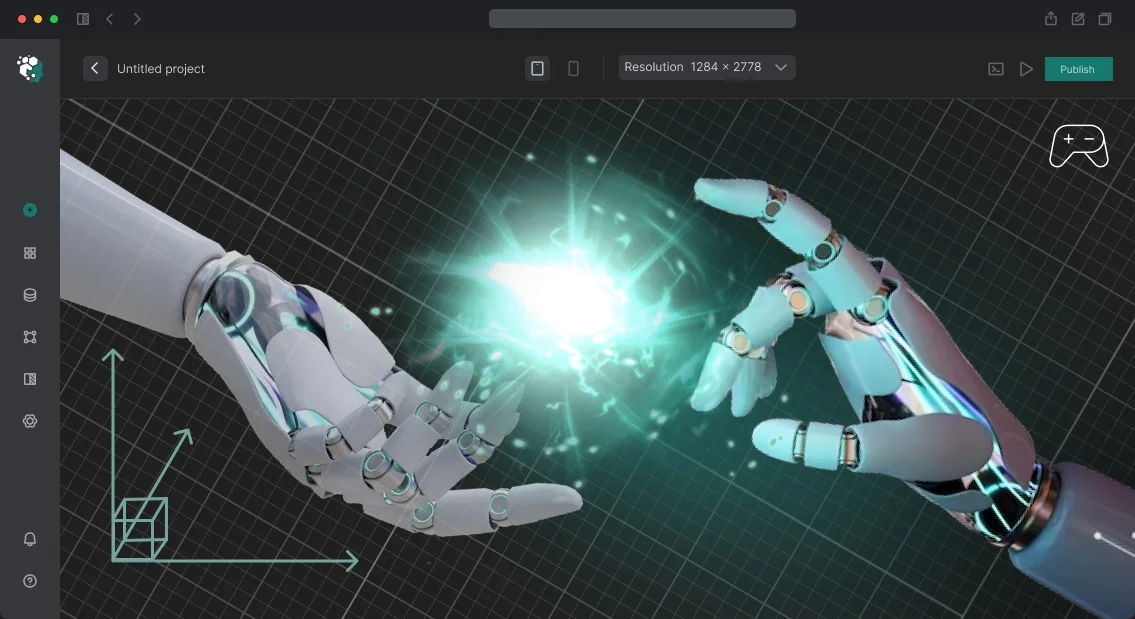
- Achieving believable AR visuals requires objects that respond to real-world lighting and occlusions. None of the current AR SDKs provide perfect light estimation—ARKit and ARCore deliver environment probes that are approximations at best.
- The illusion breaks if materials are flat, overly shiny, or fail to occlude. None of these issues are trivial; they demand careful PBR configuration.
- Common pitfalls include: None of the default shaders handle dynamic lighting well; None of the lighting estimates from devices are accurate for all conditions; None of the reflection probes capture full environment details due to limited FOV.
- To improve realism: Use neutral Albedo (RGB around 128) to avoid color cast. Set Roughness between 0.3 and 0.6—values outside this range cause unnatural reflections. Limit Metallic to 0.7–0.85. Apply Normal Maps with moderate intensity (0.5–1.0). Enable emission to ground objects in dark scenes.
- For Reflection Probes, enable AREnvironmentProbeManager with automatic placement and Trilinear filtering. None of these probes are perfect; they produce blurry cubemaps that work best with moderate Roughness materials.
- Light estimation from AR foundation is limited: None of the APIs provide direct luminance values; Instead, they offer ambient intensity and color temperature, which are not enough for accurate high-dynamic-range rendering.
- Occlusion handling: None of the standard PBR pipelines include occlusion; you must implement custom shaders or use AR Foundation's human occlusion if supported.
- Testing on multiple devices is crucial: None of the simulators replicate real camera and lighting conditions.
- For custom solutions, contact our engineers. None of the generic settings work for all scenarios; we tailor materials to your specific use case.
- In summary, AR PBR requires iterative tuning. None of the parameters are independent; adjusting one affects perception of others. Start with baseline values, then refine based on device camera and environment.
Achieving Realistic AR Graphics with PBR Materials
- Achieving believable AR visuals requires objects that respond to real-world lighting and occlusions. None of the current AR SDKs provide perfect light estimation—ARKit and ARCore deliver environment probes that are approximations at best.
- The illusion breaks if materials are flat, overly shiny
Services we offer
Showing 1 of 1All 850 services
Achieving Realistic AR Graphics with PBR Materials~1-2 weeks
Medium
Our competencies
Other studio services
Custom VR/AR/MR applications
Immerse clients and teams in new digital experiences
Unity game development
From concept to release — games people remember
3D modelling and animation
Bring your product to life in 3D graphics and animation
Industrial VR equipment simulators
Train operators on equipment safely, without downtime
AR instructions for manufacturing
Step-by-step prompts right on the equipment — no paper
Safety VR simulators
Practice emergency response without going on-site
VR/AR training programs
Train staff in service, onboarding and soft skills in VR
Employee training quizzes
Test knowledge through games — easy and stress-free
Corporate video instructions
Clear videos to train your staff and clients
Business gamification
Motivate teams with game mechanics in KPI and HR
Interactive kiosk applications
Interactive screens for retail, expos and offices
VR/AR installations
Wow-effect for brands at expos, events and showrooms
Virtual exhibitions and museums
Your exhibits reach every corner of the world, 24/7
Event quests and branded games
Memorable games for conferences and client events
Frequently Asked Questions
Latest works
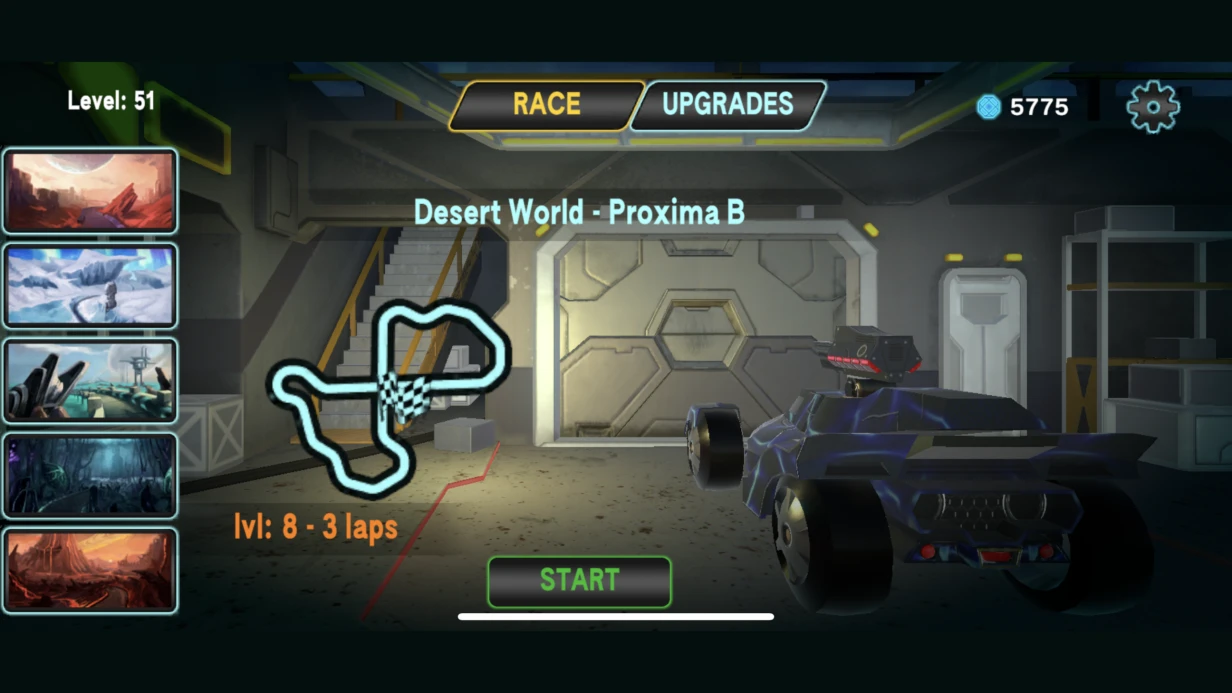 Game development for Mortal Motors1552
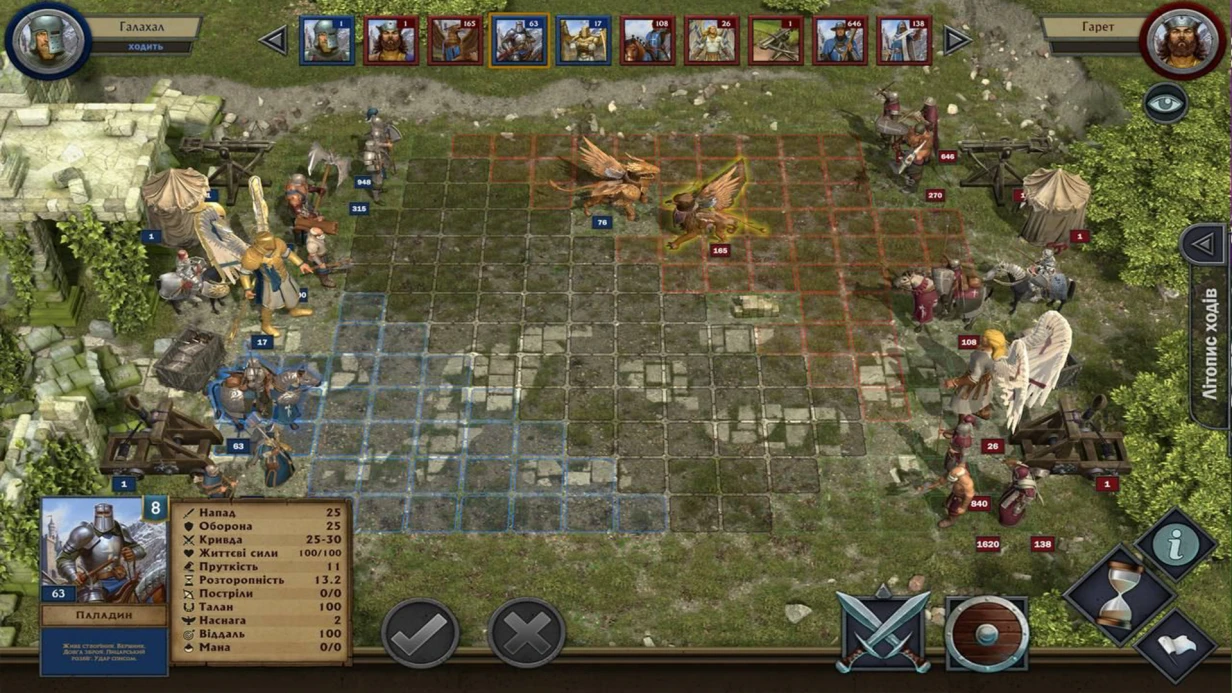 A turn-based strategy game set in a fantasy setting, With Fire and Sword1049
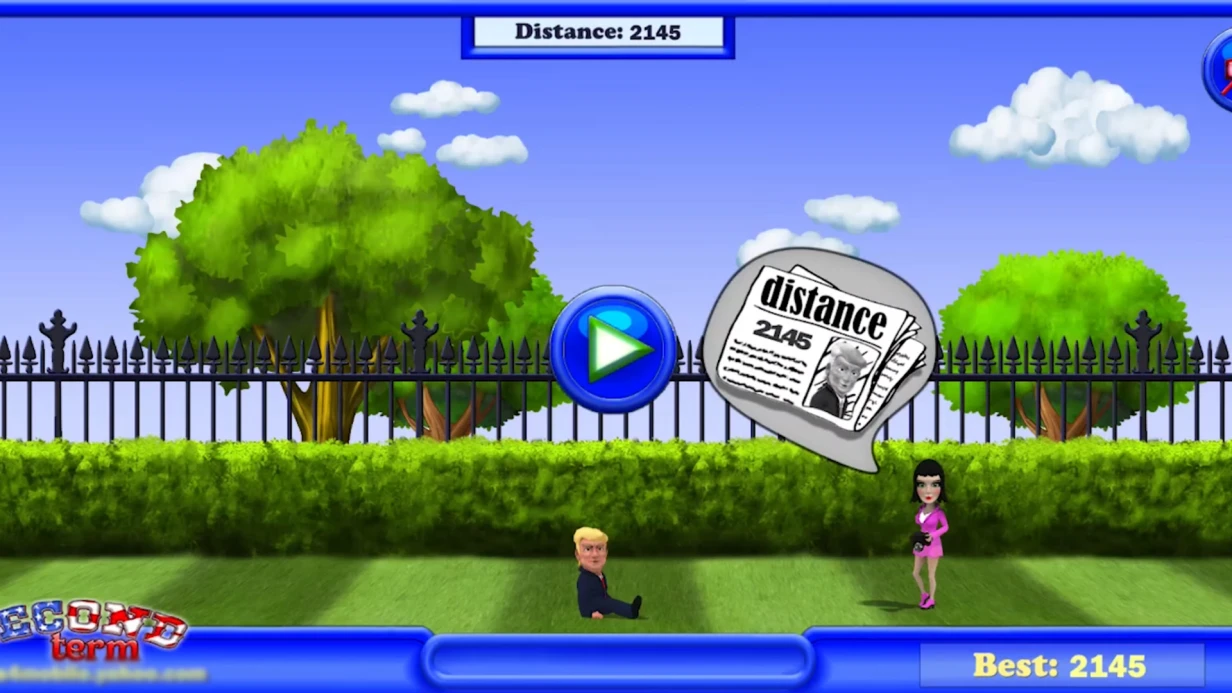 Game development for the company Second term667
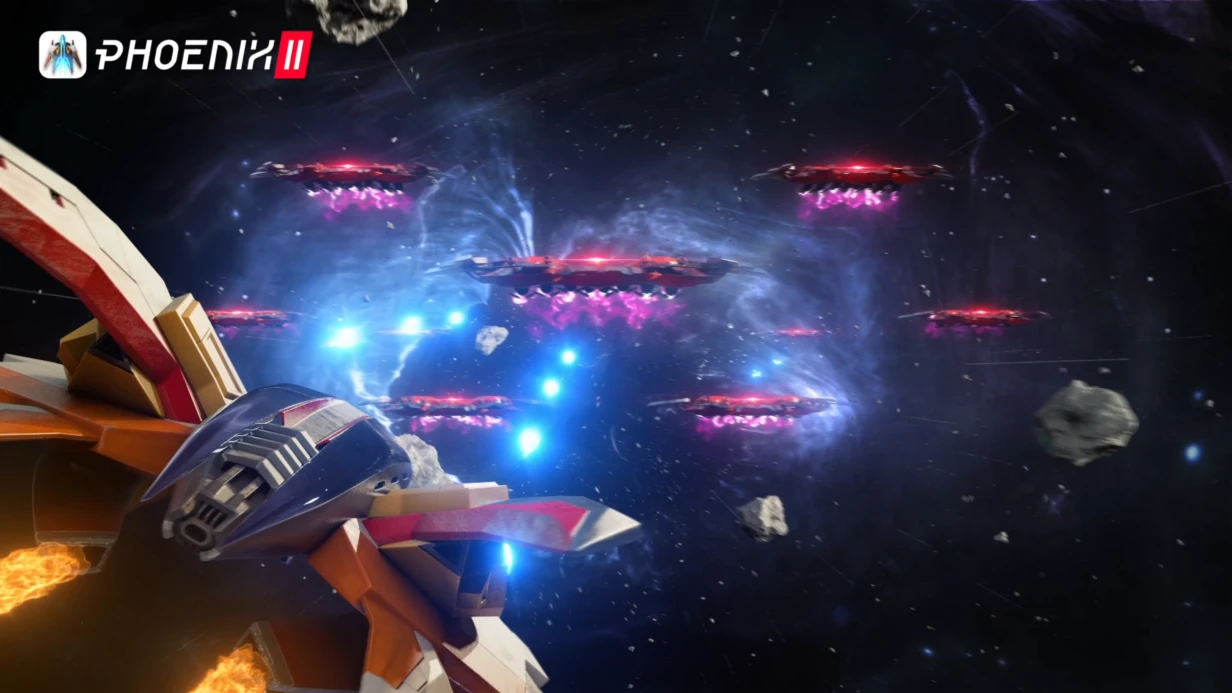 3D animation - teaser for the game Phoenix 2.761
 Educational quiz for kids "Shopping in a store"176