

Staff Errors in Poultry Farming Eat into Profits
At a poultry enterprise, every staff error directly affects profits.
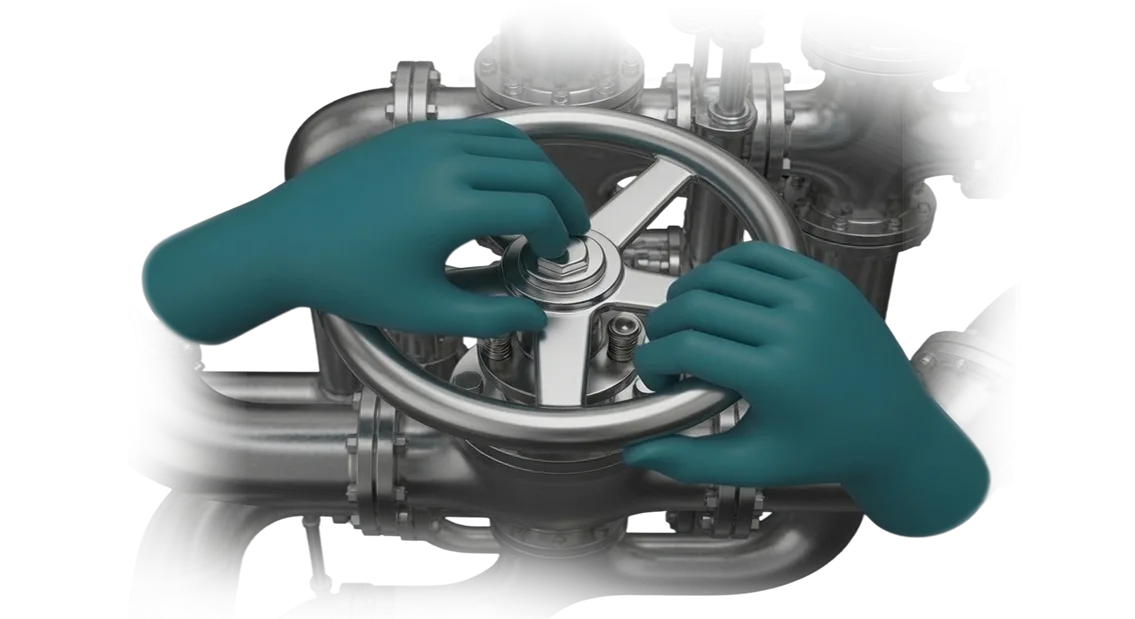
An inexperienced employee may misconfigure equipment, violate sanitary rules, or miss a change in the microclimate — this leads to poultry mortality, lower egg production, feed overconsumption, and extra veterinary costs.
On the scale of a production floor, even a single minor oversight becomes a significant blow to profitability.
The root of the problem is a lack of practical experience among new employees. Theory and briefings do not build lasting skills, and mentors physically cannot supervise every newcomer.
As a result, people learn their jobs through trial and error, and with high staff turnover this process becomes endless. Every error in poultry farming is a direct production loss that falls on the enterprise budget.
Direct losses are compounded by indirect costs: forced line downtime, fines for violating occupational safety requirements, and the distraction of experienced specialists who have to fix the consequences.
A manager spends time on repeated briefings and extra control instead of focusing on the strategic development of the enterprise. Staff training stops being systematic and turns into an endless fight against consequences.
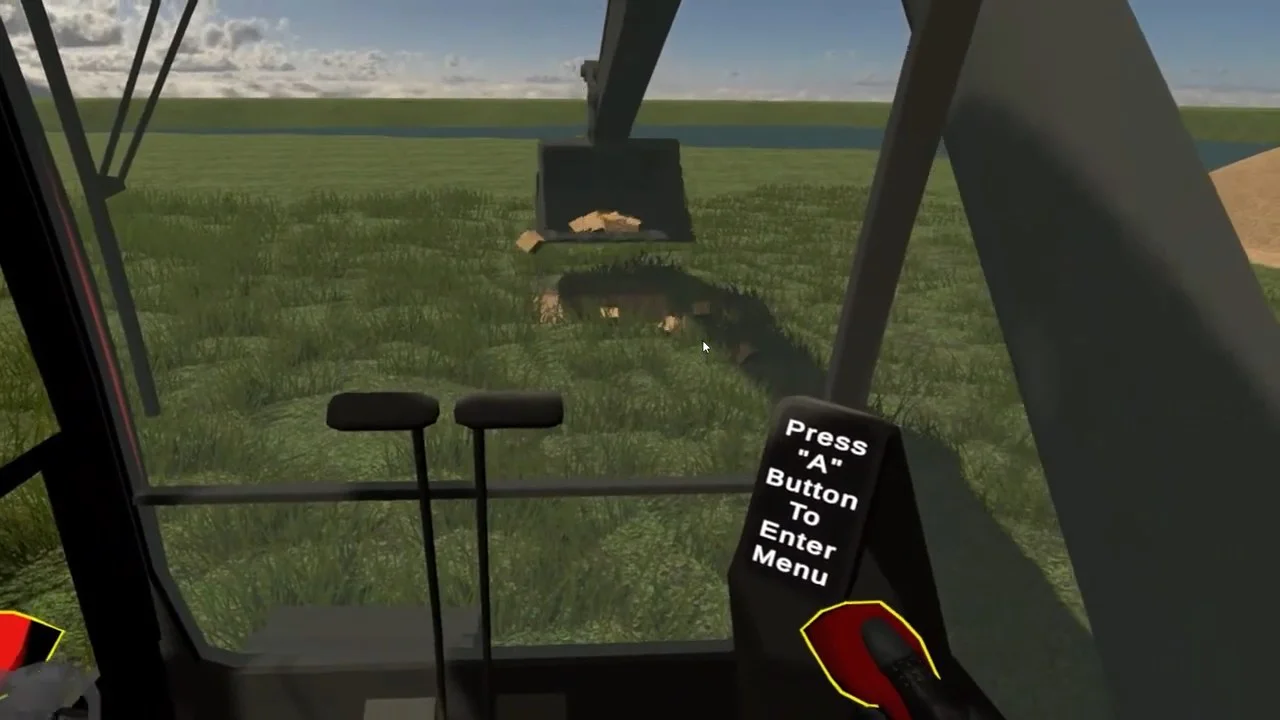
We address this pain point with VR simulators: the employee practises actions in a safe virtual environment and gains practical experience before working with real equipment.
Staff training becomes predictable, errors in poultry farming become rare, and occupational safety and production losses stop being a manager’s headache.
What a Virtual Simulator Delivers to an Enterprise
In poultry farming, the cost of a staff error is the health of the birds, compliance with sanitary standards, and production volume.
Training personnel directly on site is difficult: stopping a line for training is unacceptable, and novice mistakes result in downtime and loss of stock.
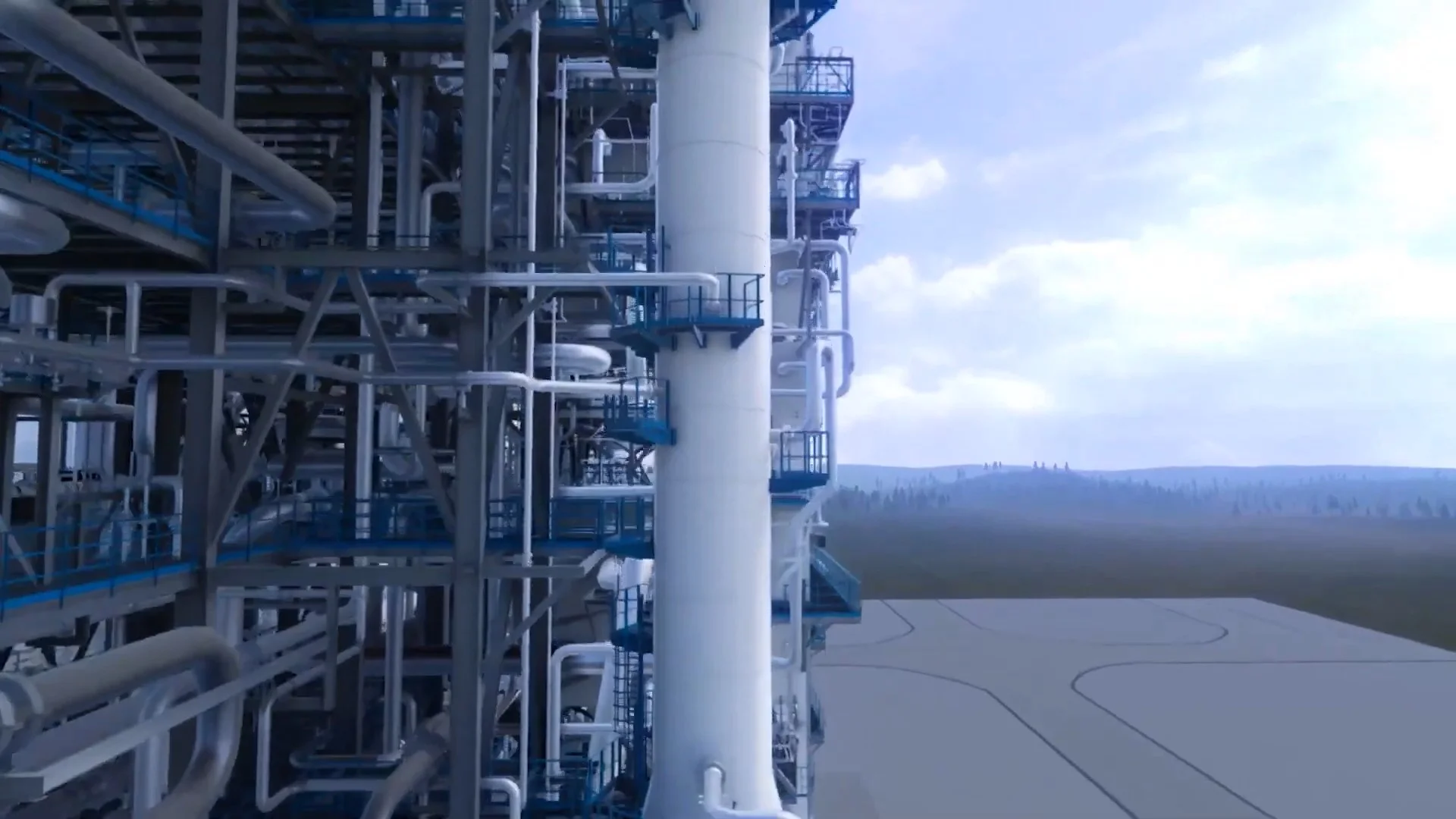
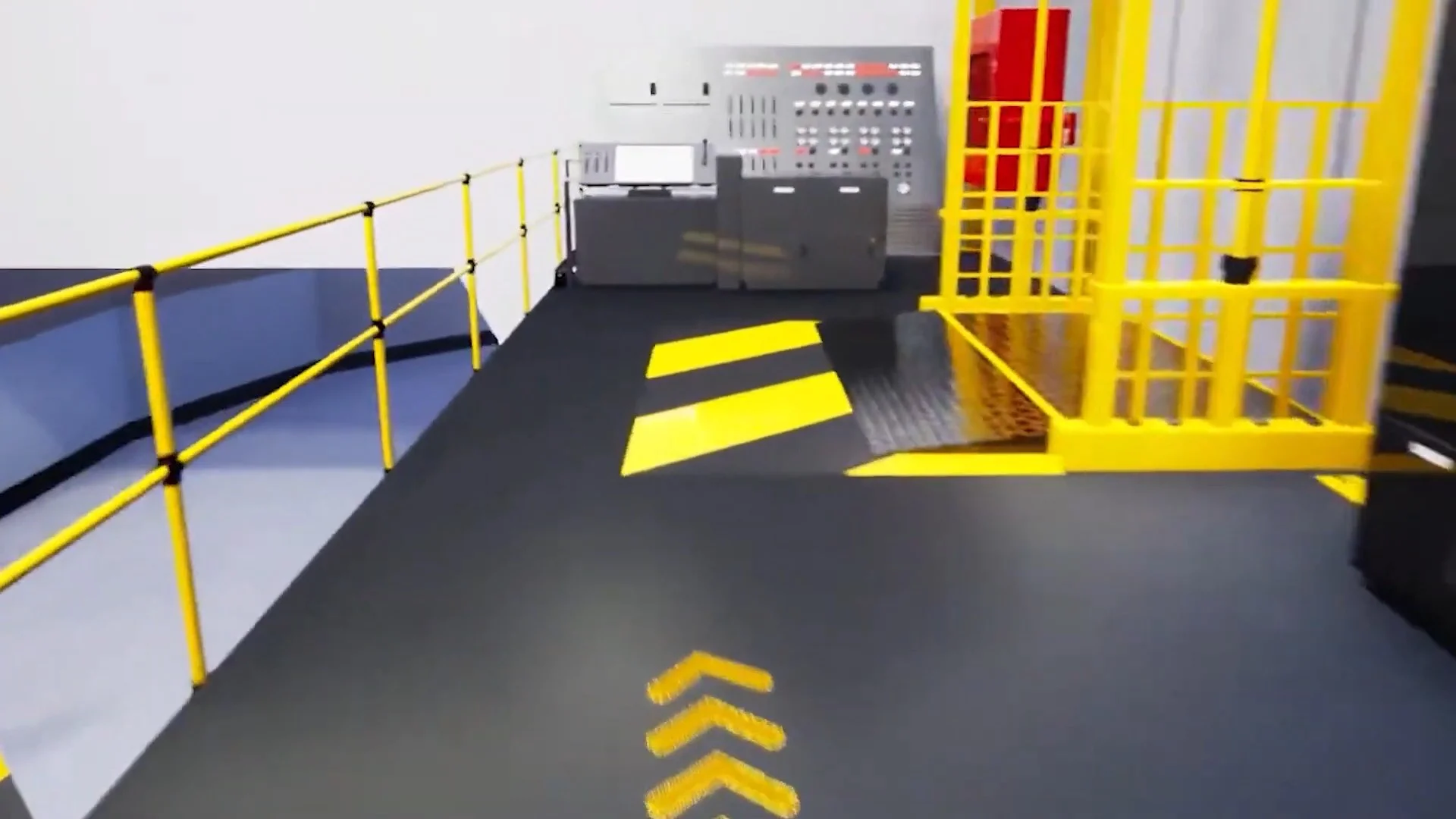
A virtual simulator moves training into a safe digital environment where each employee practises actions on a realistic model of the production floor — without risk to production.
Training efficiency increases many times over: an employee masters in a few sessions what previously took weeks. The simulator models different situations — from a standard shift to an emergency line stop — so personnel arrive on the production floor already prepared.
The adaptation of new people takes minimal time, and turnover stops being painful — training takes days, not months.
The main result is a reduction in accidents and production incidents. In the virtual environment, an employee learns to notice risks, respond correctly to equipment deviations, and follow safety rules.
These skills transfer directly to the real production floor: fewer breakdowns, fewer injuries, fewer product losses. The manager gets a stable process without the “human factor”.
A bonus for the enterprise is brand recognition as a modern employer. A company that invests in digital training looks attractive to young specialists and partners.
This strengthens the employer brand and helps retain the best employees, who see that the company cares about their development.
Thus, a virtual simulator is not just training, but a business performance management tool: faster-trained personnel, lower accident rates, more stable production, and a stronger enterprise image on the labour market.
Virtual Simulator Formats for Poultry Farming
Every poultry farm faces the same problems: high staff turnover, strict sanitary and safety requirements, and the need to quickly bring newcomers up to speed.
Live training on the production floor takes up mentors’ time and creates risks, while theory does not provide practical skills.
Virtual simulators let an employee safely practise actions in a realistic environment, but there is no universal solution — different tasks require different formats.
We develop three virtual training formats, each addressing a specific enterprise challenge:
| Format | For whom | What it gives the client |
|---|---|---|
| Full-cycle simulator “Virtual Farm” | Operators, technologists, line personnel | Full immersion in the work process: the employee masters all stages — from bird reception to product packaging. Practice without risk to production or livestock. |
| “Emergency Situation” scenarios | All poultry farm personnel | Practising actions during fire, ammonia leakage, bird mortality. Training in a safe environment builds automatic responses and reduces panic in a real situation. |
| Certification and knowledge assessment module | HR department and site managers | Quick assessment of an employee’s readiness to work. The system automatically records errors and generates recommendations for additional training — saving hours of mentors’ time. |
This approach allows you to choose a poultry farm simulator for a specific task: mass training in a short period, individual preparation of specialists, or regular skills assessment.
Virtual training does not replace mentor practice, but it takes the routine part off their shoulders, and employees gain confident skills before they start working on site.
We create specialised simulators adapted to the technological processes of your enterprise. If you are not sure which format suits you — send us a description of your task, and we will suggest the optimal solution.
How a Simulator Is Developed
To make sure a simulator solves a real problem, we start not with the “hardware” but with your production situation. We examine which operations of poultry staff are the most difficult, where errors most often occur, and how training will fit into the shift schedule.
After that, you always understand what is happening at each stage — without diving into technical details.
- Brief and goal setting. We establish what the employee must learn: bird reception, equipment handling, actions in an emergency situation. You define the success criteria, we propose the training format.
- Production process analysis. We study your regulations, instructions, and typical errors. The result is a simulator scenario that replicates real conditions, but without risk to production.
- Project approval. We show the structure of the future simulator, the composition of modules, and the duration of a session. You make changes before the main stage begins — this saves time and budget.
- Development and interim demonstrations. Every few weeks, we show a working fragment of the simulator. You see progress and adjust details while changes are still inexpensive.
- Simulator launch. We install the program on your equipment, provide brief instructor training, and hand over the usage guidelines. The first group of employees starts training within the first week.
- Support and development. We support the simulator after launch, collect employee feedback, and update scenarios as needed to match new regulations.
This approach delivers a predictable result: you get a tool integrated into your training system, not a “test toy”. At every stage there are checkpoints to ensure the project meets expectations.
What Is Included in the Delivery
When you order a VR simulator for poultry farming, you receive not just an application, but a ready-made staff training system.
We have put together a complete package so you can launch training from day one — without searching for additional contractors or dealing with technical issues.
Complete Package for Launch
- Training scenarios — reproduce real work processes: sanitary treatment, egg sorting, microclimate control, and actions in emergency situations. Scenarios are adapted to your enterprise’s technological maps.
- Professional VR equipment — we supply a kit matched to your tasks. It is tuned and tested, so training runs without failures or freezes.
- Methodological materials — instructor guidelines, assessment criteria, and an introductory session plan. Your instructor will not have to prepare from scratch: everything is already thought through.
- Reports for the manager — clear statistics for each employee: who has completed training, how many errors were made, and which skills need improvement. The progress of the whole team is visible.
- Technical support and updates — we help with launch, answer questions, and regularly improve the simulator content. You are never left alone with the technology after implementation.
This package covers the task completely: you get a tool that quickly integrates into operations, reduces the risk of novice errors, and provides a transparent picture of personnel training. All that remains is to set a start date — everything else is ready.
Case Study: Virtual Simulator for Poultry Farming
Training programmes on real production is always a risk of losses. A new employee working with livestock for the first time makes mistakes out of nowhere: misconfigures equipment, confuses vaccination stages, and wastes time looking for the right tool.
On a poultry complex with thousands of birds, such errors turn into direct losses — reduced weight gain, mortality, and violation of sanitary standards.
How We Solved the Task
The management of a poultry complex approached us with a request to reduce the time needed to bring newcomers up to speed and to lower the number of errors in their work.
We designed a virtual simulator that fully reproduces the enterprise’s work processes: from bird reception to setting up automatic feeding lines. The employee hones skills in a safe digital environment and only then goes to the real production area.
The simulator was integrated into the training programme for all new operators and into the annual retraining of experienced personnel. Importantly, training takes place right at the workplace — without disrupting production and without risk to livestock.
What the Client Got
The training results were noticeable already in the first cycle. The time required to bring a newcomer to independent work was cut almost in half — from three weeks to one and a half.
The number of errors during standard operations dropped by a third, and staff turnover during the probation period decreased: people stopped being afraid of complex equipment after practising their actions in the virtual environment.
They also noted savings on consumables — previously, trainees spoiled a portion of feed and preparations during training. The simulator eliminated this, because all actions are performed in a digital copy of the production floor.
Following the project, the complex continued the partnership and expanded the programme to other production areas.
This implementation case confirms that a properly built virtual simulator pays off not “someday” but immediately — through the speed of staff preparation, reduced losses, and stability of technological processes.
This is exactly the approach we use in every project for industrial enterprises: first we study real business processes, then we create training that produces measurable results.
How to Choose a Virtual Simulator for Poultry Farming
Choosing a virtual simulator for poultry farming starts not with equipment, but with a business task.
First, determine what exactly the employee must be able to do after training: work safely on the line, comply with the bio-veterinary regime, act during equipment failure, or make decisions in an unusual situation. Both the simulator format and its content depend on this.
The specifics of poultry farming impose strict requirements: strict biosecurity zones, work with live birds, hygiene, and reaction speed. A merely “similar” simulation will not deliver the required result.
The simulator must reproduce exactly your technological chain — from receiving day-old chicks to slaughter and processing, taking into account sanitary treatment standards and staff behaviour in emergency situations.
The format is selected according to the scale of training. If you need to prepare dozens of operators for the same actions, you choose a standardised scenario with a point-based error assessment.
If the task is to improve the qualifications of engineers and supervisors, you will need deep work on rare situations, including equipment failures.
Tell us how many people are in a shift and how often you renew personnel — we will calculate the optimal volume of scenarios to develop.
It is important to consider the individual requirements of the enterprise: the layout of the production floor, equipment models, and current regulations. A simulator that does not reflect your infrastructure will quickly be dismissed by employees.
Therefore, at the start we collect your documentation and process diagrams, and then build working exercises from them. This way you get not an abstract program, but an accurate digital replica of your production.
In the end, choose a simulator not from a catalogue, but by how deeply it adapts to your processes. We help conduct this audit, offer a test scenario, and support the launch until the first training results. This removes the risk of buying a “pretty toy” that has no effect on personnel efficiency.
Frequently Asked Questions About Virtual Simulators
Implementing a VR simulator in poultry farming is not buying “hardware for the sake of hardware”, but a new format of personnel training.
However, before launch, managers naturally have concerns: will the equipment break, will employees be able to master it, will the project drag on. We answer the four most common questions — so that decisions are made based on facts, not fears.
What happens if the simulator breaks down or stops working?
The equipment is supplied with the manufacturer’s warranty, and we remain in touch throughout the entire service life. With remote diagnostics, most issues are resolved within one working day, and in rare cases an engineer visits the site.
Component replacement and preventive maintenance are included in the contract, so there will be no downtime in training.
Poultry farm employees are not IT specialists. Will they quickly figure out VR?
We design the interface so that it is understandable for someone putting on VR glasses for the first time. Basic training takes 15–20 minutes: the operator learns to select a scenario, move around the production floor, and complete tasks.
For a mass launch, adaptation to the level of each group is provided — from new employees to experienced technologists.
How long does it take to develop a simulator for our production?
The standard cycle is 6 to 10 weeks, depending on the number of scenarios and the complexity of the simulated processes.
The timeline is fixed in the contract and includes the brief, creation of the virtual production floor, testing with your technologists, and handover of the finished solution.
If training needs to be launched faster, we offer a phased launch: first the basic module, then expansion.
How do we integrate the simulator with an existing training system?
The simulator works as a separate module that can be easily embedded into current training programmes. You can use it both for initial training of newcomers and for regular certification of existing staff.
On request, we connect result tracking to your training system — so you see the progress of each employee in a familiar format.
If you have remaining questions about implementing a VR simulator in poultry farming, send us a request — we will explain how the solution fits into your specific personnel training process.Order a Virtual Simulator Development
Every simulator in poultry farming solves a specific task: prepare personnel to act during mortality, teach work with an incubator, practise growing technology, or maintain safety rules.
A standard solution does not work here — you need a simulator built around your production processes.
We start with a free consultation and cost calculation: we clarify the goals, the number of employees, the scenarios that need to be practised, and the equipment that must be simulated.
After that, we form an individual project and set timelines — you know in advance what you will get and when.
What is included in the order for a poultry simulator development:
- Analysis of production tasks — we identify dangerous, rare, or expensive operations that need to be practised without risk to birds or personnel.
- Creation of virtual scenarios — we model the real conditions of your enterprise: production floors, cage batteries, climate, and emergency situations.
- Accounting for your machinery and equipment — the simulator imitates the specific units your personnel work with.
- Employee action assessment system — the manager sees where errors occur and can repeat practice until actions become automatic.
- Adaptation to your employees — the interface and difficulty are adjusted to the level of newcomers and experienced specialists.
- Post-launch support — scenario updates when technologies or requirements change.
To receive an accurate cost calculation, send us a description of your task or simply leave a request for a consultation.
We will call you back, analyse the production needs, and propose a simulator solution that pays off through reduced errors, shorter training time, and improved occupational safety.