

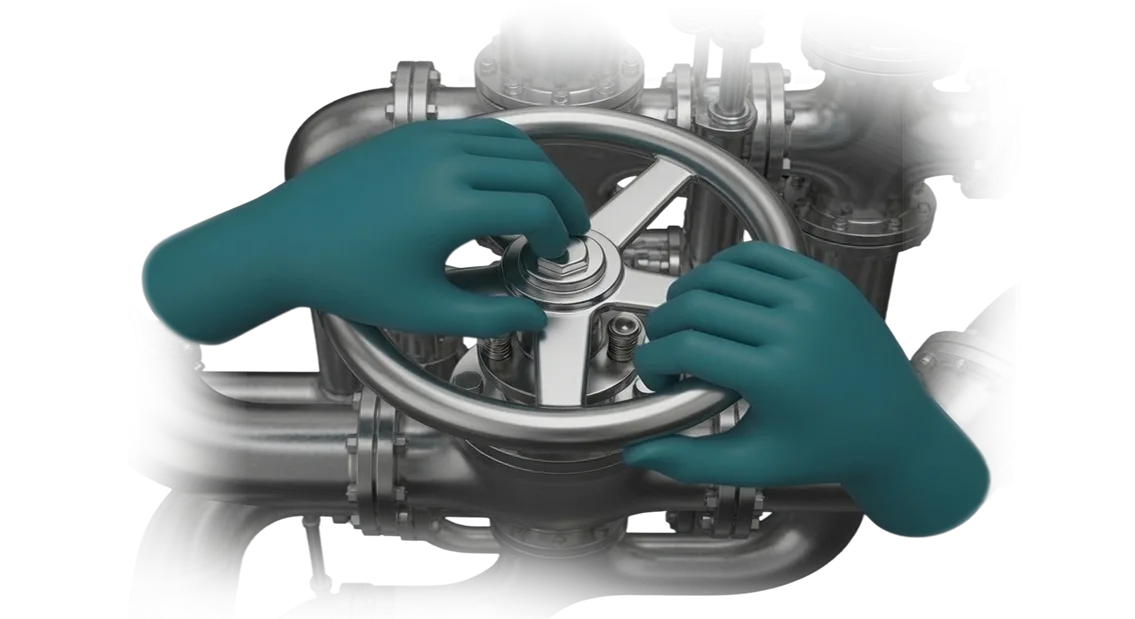
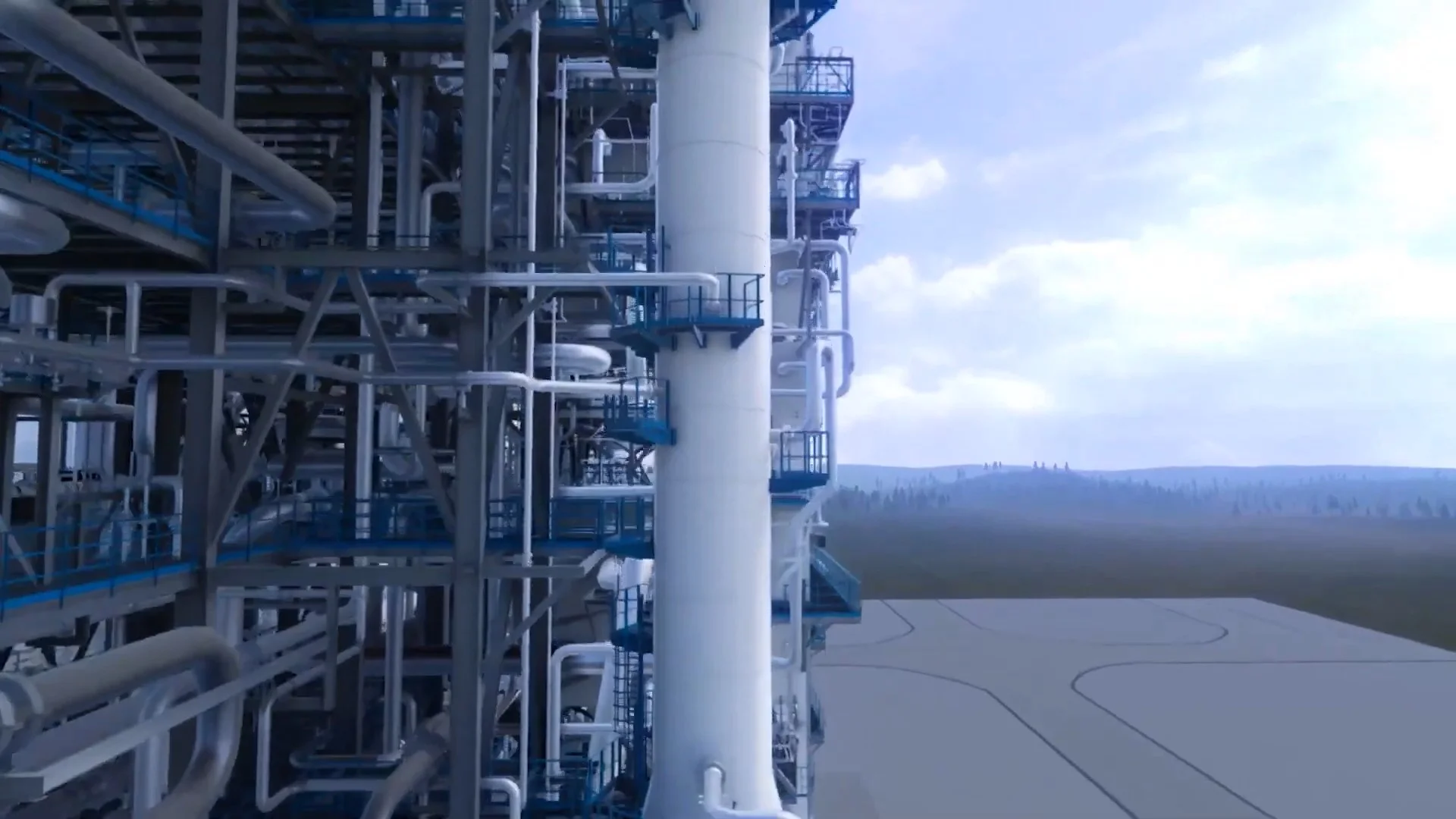
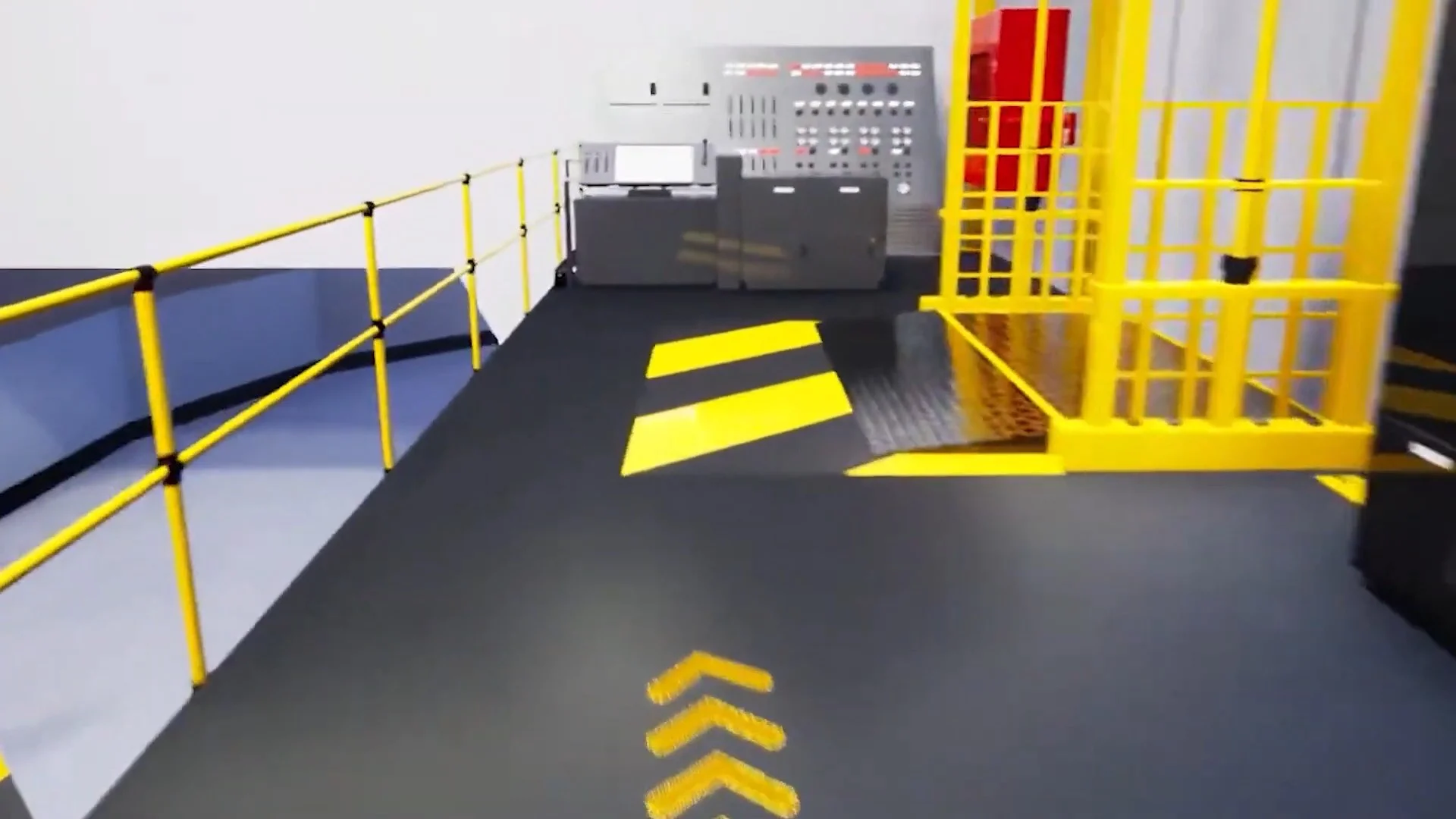
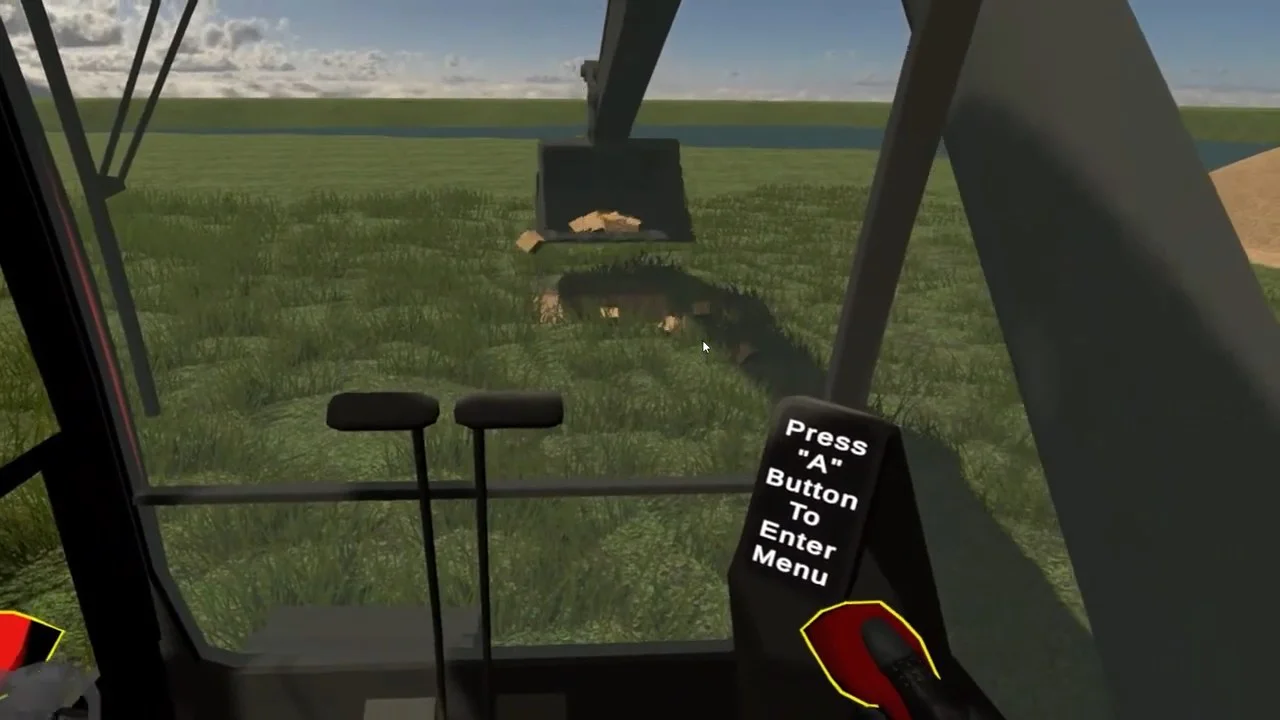
VR Trainers for Fish Farming: How to Reduce Risks and Losses
In fish farming, the price of a mistake is measured not in penalty points, but in live stock and human lives.
Training personnel at a real production facility is always a risk: an emergency with the oxygen supply system, a net break, or an emergency shutdown of equipment can result in mass fish kill and substantial losses.
Moreover, practicing actions in real conditions is expensive: each training session is lost working hours, equipment wear, and stress for senior staff.
That is why more and more farms are choosing to implement VR for staff training. A digital simulator allows you to play out the most dangerous and rare scenarios—from aerator failure to tray depressurization—without any risk to the brood stock and employees.
The worker gains muscle memory for actions in a stressful situation, and the company gets a guarantee that in a critical moment the team will react clearly and without panic.
Such an approach pays off already at the first prevented accident. Instead of patching holes after the fact, the customer gets a stable training system where every employee runs the scenario as many times as needed for a confident result. The result is fewer losses, lower injury rates, and higher business predictability.
What a VR Trainer Implementation Gives Your Enterprise
In fish farming, the cost of personnel error is not just defects, but loss of stock, disruptions to the technological cycle, and equipment downtime. Traditional training does not allow an employee to practice skills in conditions close to real ones without risk to production.
A VR trainer solves this problem: the worker masters procedures in a safe virtual environment, and the enterprise gets a predictable result.
Quick Training Without Stopping Production
An employee enters a virtual copy of your workshop or farm and performs operations as on real equipment. They can repeat the scenario dozens of times until actions become automatic.
At the same time, training does not interfere with current work—no need to stop lines or distract mentors.
Reduction of Accidents and Emergencies
The trainer includes emergency scenarios: fish kill, aerator failure, feed supply failure, or water treatment problems. The employee practices actions until specialists arrive and learns to prevent the crisis. As a result, fewer accidents, fewer losses, and peace of mind for the manager.
Transparent Skills Control
The system records every action: sequence, speed, errors. The manager sees an objective picture—who is ready for independent work and who needs additional training. This replaces the mentor's subjective assessment with clear data on each employee.
A Unified Standard for All Sites
If you have several farms or workshops, the trainer replicates the experience of the best specialists. New employees at any site learn according to the same standards, and training quality no longer depends on the human factor.
Wedevelop VR trainers for fish farming tasks: we model your equipment, technological processes, and emergency situations.
Implementation pays off by reducing staff training time, lowering accident rates, and improving discipline—this is a working tool, not entertainment.
VR Trainer Formats for Production Tasks
Fish farming production does not forgive mistakes: a failure in oxygen supply or a violation of water parameters threatens the loss of stock. Therefore, training must provide not only knowledge but also a sustainable skill of acting in real situations.
Wepackage production procedures into trainers that work for results, not for a flashy picture.
Different tasks require different formats. To avoid overpaying and to avoid getting a "toy" instead of a trainer, we compare three basic options and help choose the optimal one for your specifics: farm scale, staff size, and training level.
| Format | For whom | What it gives production |
|---|---|---|
| Automated course | New employees, trainees | Fast training on procedures, unified knowledge standard, automatic checking |
| VR simulator | Operators, technologists, shift supervisors | Practicing emergency situations without risk to equipment and stock |
| Mixed format | Teams with different training levels | Theory and practice in one trainer, recording results at each stage |
Format selection is a compromise between training goals and budget. Automated courses are good for mass instruction, simulators for key operations and rare accidents. Mixed solutions cover scenarios when both theory and practice on complex equipment are needed simultaneously.
We help choose the implementation option before development starts: we analyze procedures, collect requirements from technologists, and evaluate which scenarios will give the maximum effect.
You get a trainer that integrates into the production process and delivers measurable results—fewer errors, faster onboarding, stable shift operation.
Stages of Developing a VR Trainer for Fish Farming
VR trainer development for fish farming follows a clear plan: from brief to launch and support. We handle all stages, and you control the result, deadlines, and budget.
- Brief and immersion in the task. We study your production cycle, typical personnel errors, and training goals. We build into the trainer exactly the scenarios your enterprise needs.
- Scenario approval. We describe training situations, employee actions, and evaluation methods. You approve the scenario before development starts—this eliminates unnecessary edits and misunderstandings.
- Plan and resources. We set deadlines, stages, and responsible persons. A transparent schedule allows the project to fit into the workflow without downtime.
- Trainer creation. We build virtual scenes and training logic. You see intermediate versions and adjust details along the way.
- Testing and launch. We test the trainer together with your employees and take feedback into account. Then we launch and train the staff.
- Support. After launch, we update scenarios, add new operations, and maintain equipment. The trainer remains relevant for your production.
Delivery Set: What Is Included in the Trainer Package
The delivery package is not "just a program" but a ready-made staff training solution that can be launched from day one. We put it together so the customer does not have to figure anything out: open it, see how it works, and hand over the training to employees.
- Training scenarios for your tasks — from basic operations to emergency situations. You get ready-made modules that can be changed to your procedures.
- Methodological materials — ready-made lesson plans for the instructor, to conduct training without special preparation.
- Instructions for employees — short guides on using the trainer and step-by-step prompts inside the program itself.
- Administrator guide — how to manage groups, track progress, and export training results.
- Integration with your training system — the trainer connects to existing procedures or LMS, so you don't need a separate "virtual environment".
- Documentation for implementation — a package of documents for the occupational safety service and the training department, to approve the use of the trainer.
- Technical support at launch — we will help install, configure, and run the first launch, even if the enterprise's specialists see VR for the first time.
As a result, you get not just a trainer but a working tool that integrates into training processes and requires no additional effort from your team. Everything you need is already in the package.
Case: Reducing Losses at a Fish Farming Enterprise
At fish farming enterprises, losses consist of small things: incorrectly configured feed supply mode, an error in fish processing, a violation of safety rules on the line. Each such small thing is defects, injuries, and downtime.
Ordinary training takes weeks and does not give an employee the right to make mistakes: any oversight costs money.
We made a VR trainer for the fish farm AquaBalt (name changed). The trainer reflects the real production cycle: from fry sorting to product processing. A new employee enters a virtual workshop and trains without risk to live stock and equipment.
Results in Numbers
Over four months of operation, the trainer showed a measurable effect. Injuries on the line decreased by 60%, the share of defective products by 20%.
The training time for a new operator was reduced from three weeks to five days, and the number of errors when starting equipment halved.
The VR solution paid back in 4 months: savings on processing defects and reducing downtime covered development costs already in the first season.
Why It Works
The employee gains experience in a safe environment where a mistake does not lead to losses. They see the result of their actions immediately, and the mentor sees error statistics for each student. This allows you to quickly adjust the training program and achieve consistent quality.
The same trainer will suit your enterprise: we adapt the scenario to your lines, equipment, and standards. Tell us about your tasks—we will show you at which stages you can reduce losses.
How to Choose the Right VR Trainer Format?
Choosing a VR trainer format starts not with equipment but with the question: what task should it solve? For fish farming, this may be practicing actions during cage inspection, working with a sorting machine, actions in an emergency, or following safety rules.
Each scenario requires its own degree of immersion and interactivity, so there is no universal solution—and that's normal.
We select the format based on three criteria: what skill we are training, how many employees train simultaneously, and how high the cost of an error is. If you need to practice a sequence of operations, a module with prompts and action control is enough.
If it's about an emergency situation, we add atypical scenarios and time limits. For mass training, short sessions for several people are suitable; for in-depth training, individual programs with detailed analysis are better.
It is also important to take into account the site conditions: a stationary complex for a training classroom or a mobile kit that is transported between sites.
In fish farming there are often several production sites, so a removable VR module that can be deployed in minutes is more convenient. This reduces the cost of training per employee and allows you to cover more people without losing quality.
In any case, we suggest starting with a short audit: we analyze your training program, typical personnel errors, and occupational safety requirements, then specifically recommend a format and scenario.
There is no binding to specific equipment before the solution is approved—the choice always comes from the task and budget, not the other way around.
If you are unsure which trainer suits your enterprise, write to us through the form on the website. Within one day we will prepare options with an assessment of timelines and results—without pushing unnecessary modules.
Frequently Asked Questions and Doubts When Ordering a Trainer
Before ordering a VR trainer, managers of fish farms have the same doubts. An operating production, live stock, budget—how to implement without risk? We have been designing trainers for industry for years and hear these questions regularly. So let's go through the main fears point by point.
Is it difficult to integrate a trainer into an existing production facility?
Implementation does not stop the farm's work. Employees attend sessions on a schedule—separate from their shift, in a dedicated room, or directly on the site. We prepare scenarios for your processes in 2–4 weeks, and personnel training is already included in the project. No restructuring of the production cycle is needed.
How expensive is it and when will it pay off?
The cost of the trainer is comparable to the consequences of one or two errors: incorrect feeding mode, aeration failure, delayed sorting. Practicing such situations in a virtual environment reduces risks and speeds up the training of newcomers. The investment pays off after the first groups of employees—they act faster and without losses.
Is it safe for employees to work in VR?
For trainers, we use modern certified equipment. Sessions last 15–20 minutes with mandatory breaks, and the load is adjusted to health characteristics. Safety briefings are built into the scenario, so the risk of injury is excluded.
What if the trainer breaks down?
The hardware and software are under warranty, and we promptly resolve any issues remotely or with an on-site visit. You receive scenario updates and methodological support so the trainer evolves together with your farm.
Order Development of a VR Trainer for Your Enterprise
For a fish farming enterprise, a trainer solves specific tasks: train new employees faster, practice actions in emergency situations without risk to the farm, and reduce losses from personnel errors.
Ordering VR trainer development is not buying a "box" but creating a tool for your processes.
After your request, you get a clear process without uncertainty. We do not start work blindly—first we define the task, show how the result will look, and only then proceed to implementation.
What you get after your request:
- an audit of the task and selection of the trainer format for the specifics of your enterprise;
- a prototype demonstration before full development begins—you see the result at an early stage;
- clear deadlines and a fixed estimate without hidden payments;
- a personal manager who supports the project from brief to implementation;
- training of your employees to work with the trainer;
- technical support and improvements after launch;
- the ability to update the trainer when technologies or procedures change.
This approach has already helped enterprises reduce onboarding time and lower the number of staff errors. You get not just a program but a working tool that pays off through fewer accidents and faster staff training.
Contact us—we will tell you how the trainer will fit into your processes, answer your questions, and prepare a preliminary estimate. Leave a request through the form on the website, and we will get back to you as soon as possible.