

AR tank maintenance: how to reduce downtime and losses
Every hour of tank downtime is lost revenue, delayed shipments, and frustrated customers. Tank maintenance drags on when technicians search for documentation, try to recall procedures, or wait for a senior specialist.
A mistake in the sequence of operations risks equipment damage, leaks, and unscheduled shutdowns lasting weeks.
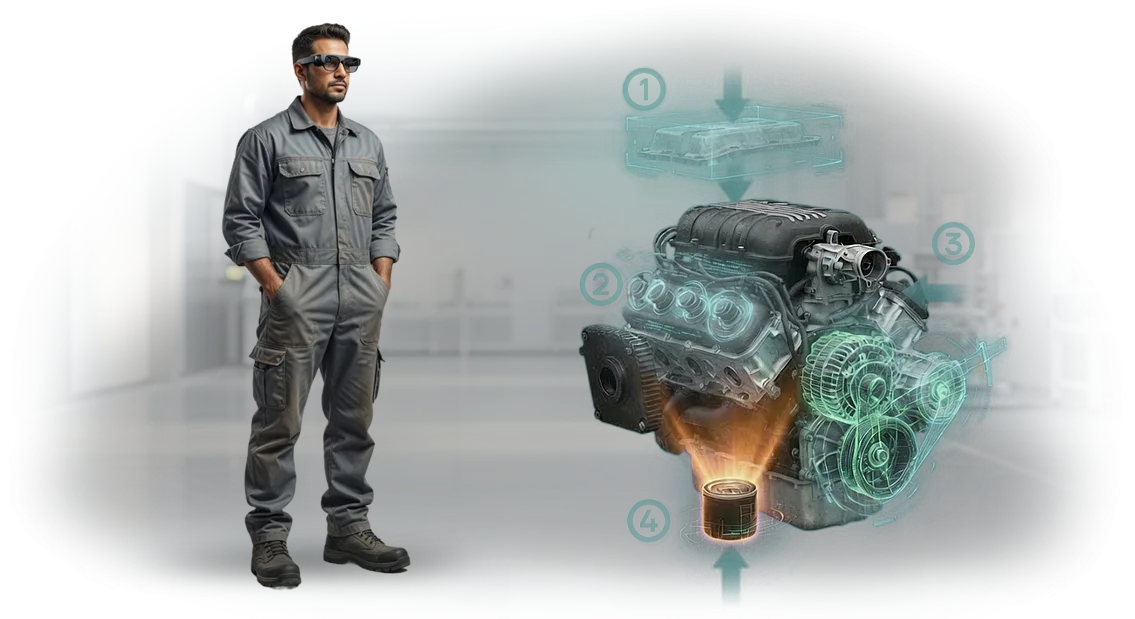
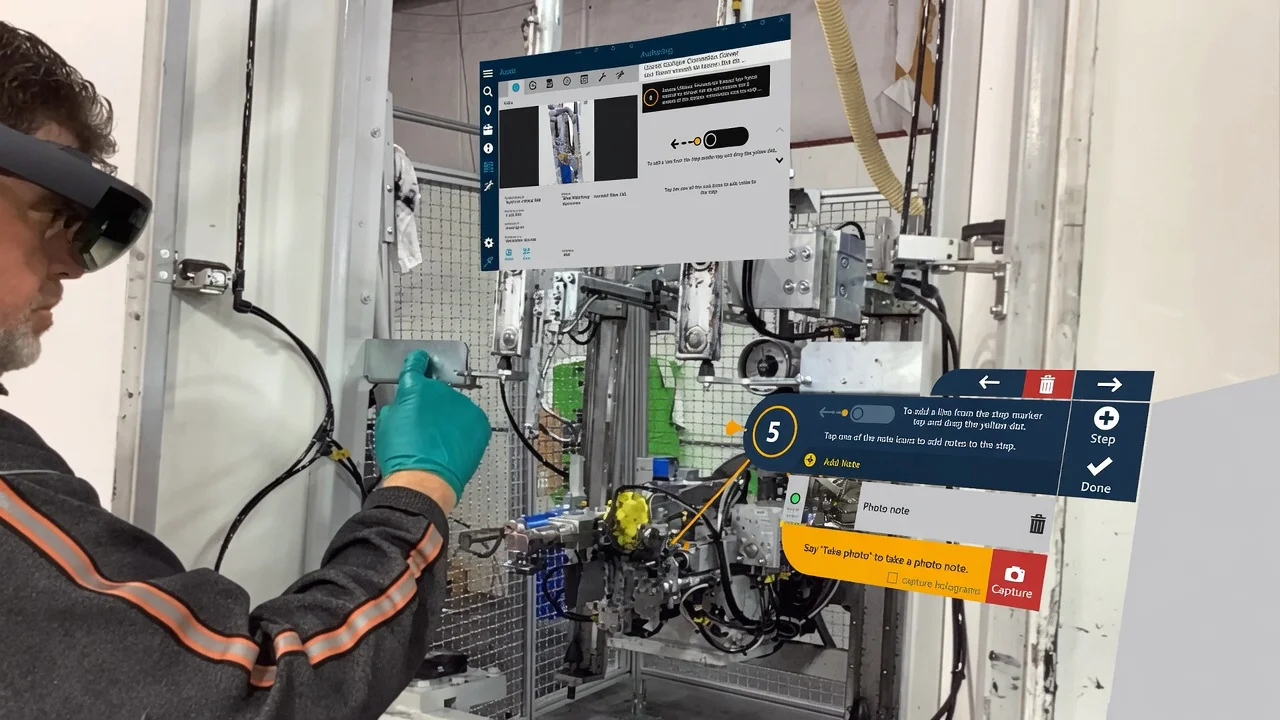
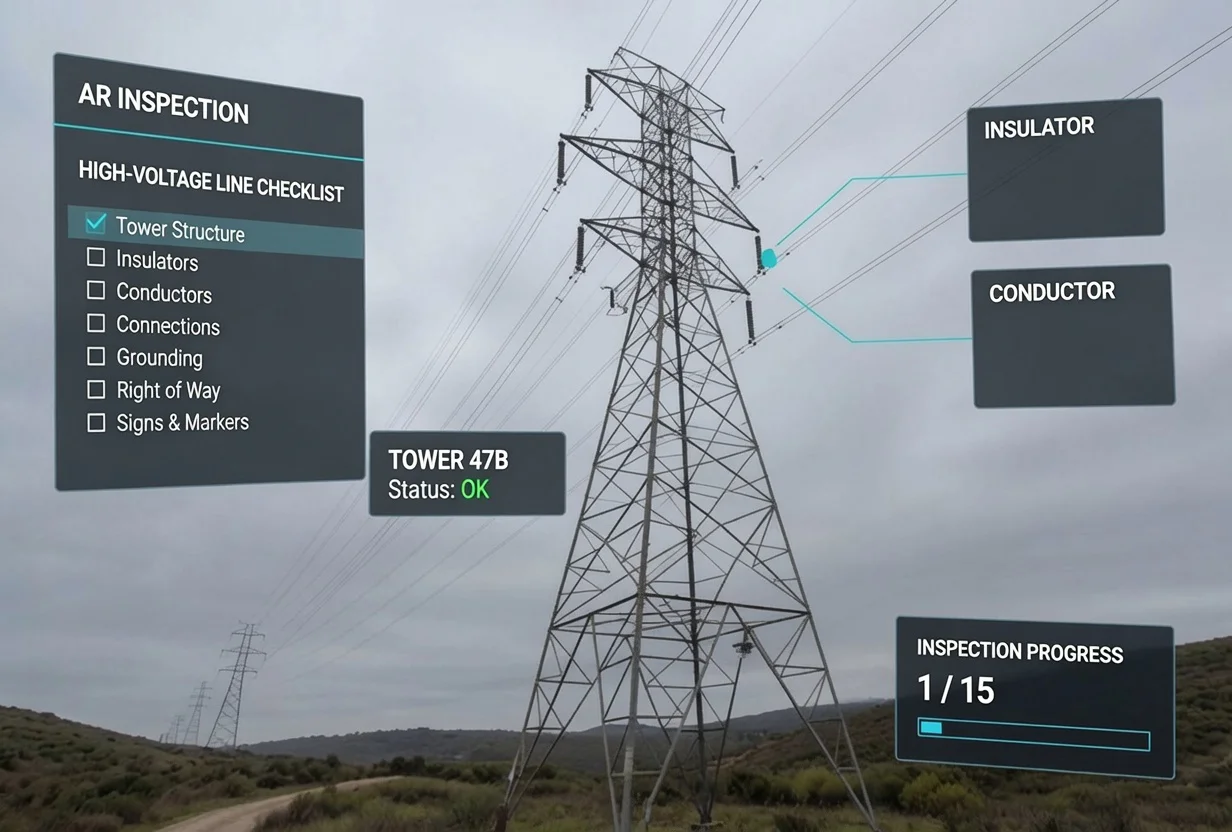
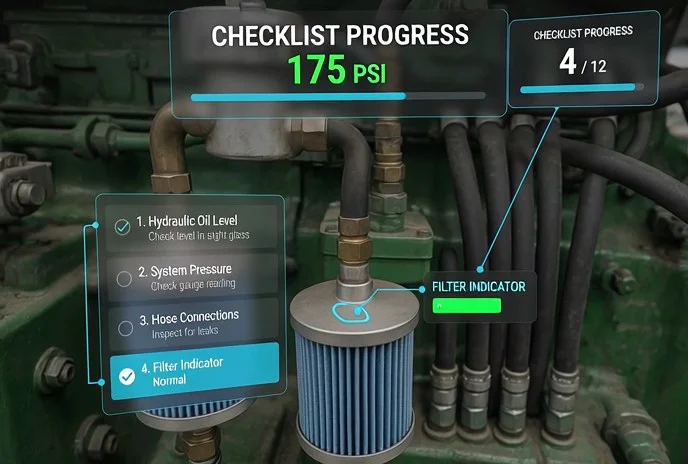
AR instructions solve the problem right on site: the technician sees step-by-step prompts overlaid on the actual tank.
No need to flip through hundreds of pages or switch between drawings and parts—the system highlights the right components, shows the order of actions, and warns about risks. Even a new employee works with confidence.
For business, this means industrial downtime reduced by a third on average and fewer accidents during equipment repair. Fewer repeat site visits, less dependence on one or two experienced specialists, predictable timelines.
AR tank maintenance easily integrates into existing procedures—our engineers adapt instructions to specific tanks and processes.
We handle the entire cycle: analyze the most frequent and costly operations, create AR instructions, and implement them in production. The team works remotely; technicians simply follow the on-screen prompts. The result—less downtime, controlled risks, and stable equipment operation.
Benefits of AR instructions for production
Benefit: faster repair
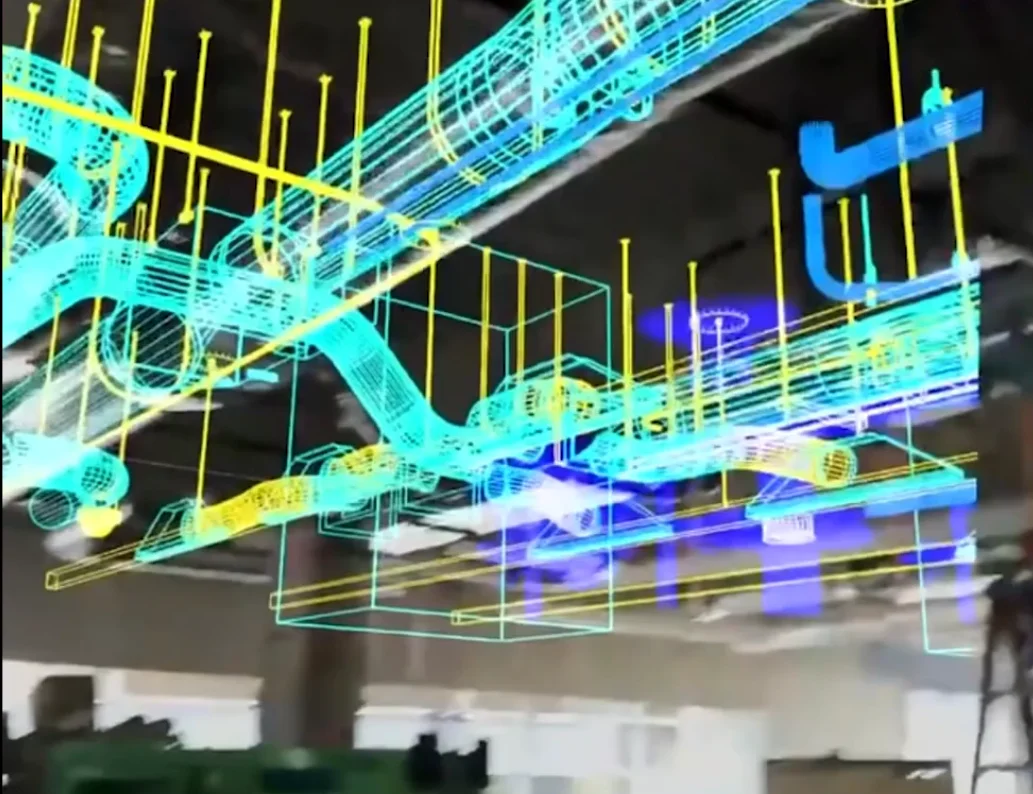
AR instructions overlay schematics directly onto the tank: the technician sees which component to unscrew, in what order, and with which tool. No need to flip through paper manuals—finding information takes seconds.
According to McKinsey, AR during maintenance reduces repair time by 30-50%. Less downtime—faster return to work and cost savings.
Benefit: fewer errors
Three-dimensional prompts eliminate guesswork and mixed-up parts. Each step is visually confirmed, and the system records task completion.
This reduces the risk of accidents and repeat repairs. Fewer errors—fewer emergency replacements and unplanned costs.
Benefit: staff training
A newcomer receives step-by-step instructions right on the equipment and doesn't distract the mentor. Visual markers show how to act correctly on a specific tank.
Time to full proficiency decreases, and errors caused by lack of experience disappear. Staff become independent faster, and training costs less.
Benefit: quality control and safety
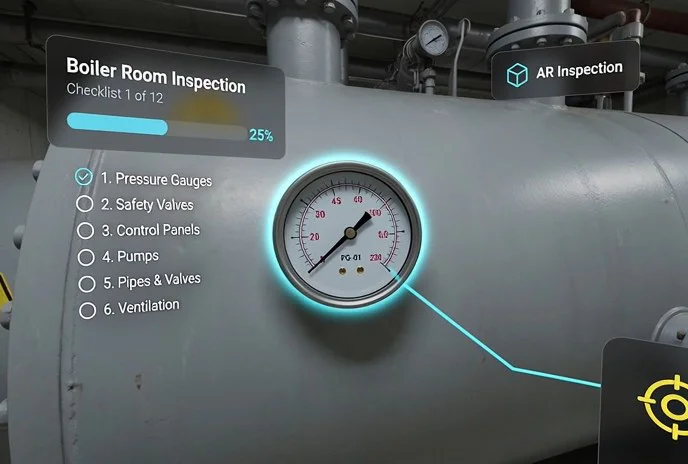
The system automatically records each work stage and generates an electronic checklist. The supervisor sees what has been done and what has been missed.
Operational transparency improves maintenance quality and reduces risks for employees and equipment. That means confidence in stable tank farm operation.
AR instruction formats: comparison table
Mistakes in tank maintenance are costly: downtime, rework, and risk to personnel. A properly presented instruction becomes a tool that helps staff act flawlessly—even beginners.
The same AR instruction can work differently: on an employee's tablet, on a fixed stand in the workshop, or as a hologram in a training room. The choice of format affects how quickly staff learn, how often they make mistakes, and what implementation costs you will incur.
We select the format for your task: for daily tank maintenance, mobile instructions are usually sufficient; for training beginners, fixed stands are convenient; for demonstrations to management or clients, holograms work well. Below is a comparison by key parameters.
| Format | For whom | Client value |
|---|---|---|
| Mobile instructions | Technical specialists in the workshop or on site | Quick access to step-by-step actions without searching paper documentation; fewer errors during maintenance and repair |
| Fixed stands | Training rooms, assembly and repair areas | Skill practice on a simulator without risk of equipment damage; consistent specialist training quality |
| Holographic projections | Demonstrations, work acceptance, meetings | Visual explanation of tank internals; more compelling reports and presentations |
By combining formats, you cover the entire chain: fast work in the field, safe training, and clear communication with management and clients. We help you choose the optimal package and launch a pilot area so you see results before scaling.
How AR instruction development works
We understand that your production needs predictable timelines and a transparent process without "black boxes." That's why we work openly: you see what happens at each stage, have the ability to influence the outcome, and know exactly when your AR instructions will be ready.
- Brief and equipment audit. We gather requirements: which operations to cover, who will use the instruction, what equipment is already available. We conduct a short audit on site or remotely—identifying areas where AR will deliver maximum impact.
- Plan and cost estimate preparation. We define the scope of work, timelines, and budget. You receive a clear plan with milestones and understand what you are paying for. No hidden charges.
- Prototype instruction creation. We build a working version on one real component: prompt overlays, steps, animation. You see how it will look for your employees and provide feedback before full development.
- Full version production. Based on the approved prototype, we fill in all scenarios for all operations. At this stage, you already receive intermediate versions for on-site testing.
- Approval and refinement. We deliver the pre-final version, collect feedback from technologists and mechanics, and make adjustments. Iterations are short—this accelerates launch.
- Implementation and training. We install the system on tablets or smartphones and conduct briefings for supervisors and employees. We explain how to update instructions in-house.
- Warranty support. After launch, we stay in touch: fix errors, add new operations, and help with questions. This is not "delivered and gone" but the start of a partnership.
The result—you receive not just a file with animation, but a working tool already in use at your production facility. At every stage, you know what is happening and control the outcome.
What is included in the AR instruction delivery
You get not just an AR app but a complete package for industrial tank maintenance. Everything needed to launch the new process within weeks is included: from scenario configuration to staff training.
- AR app for tank maintenance. Step-by-step scenarios: inspection, measurements, scheduled work. Runs on tablets and smartphones employees already have.
- Digital documentation in task context. Instructions, procedures, and checklists are tied to each step. The employee doesn't search for paper versions—the required document appears on screen at the right moment.
- Staff training. We conduct hands-on sessions for operators and administrators: how to use the app, update scenarios, and act in emergencies.
- Integration with your CMMS. Data on completed work is automatically transferred to the accounting system—no double entry or data loss.
- Post-launch support and updates. We answer employee questions, make edits when procedures change, and help expand scenarios to new equipment types.
- Transfer of source materials and rights. You remain the content owner and can develop the solution independently or with our help.
This package removes the main implementation risks: employees don't have to "get used to" new technology, and managers get a clear process they can control from day one.
Case study: reducing downtime at a plant with AR
At an oil processing plant, tank farm maintenance took up to 30% of the repair crew's working time. Specialists used paper procedures: pulling up drawings, checking components, re-verifying the sequence of operations. Any mistake risked production stoppage and significant hourly losses.
We proposed transferring the most frequent scenarios into AR instructions. The technician points the tablet at the tank—and sees directly on the equipment where the needed valve is, which bolts to loosen, and in what order to perform the check.
Data is pulled from the plant's server architecture, so the instruction is always current and doesn't depend on the senior master's "experienced eye."
The result for Tatneftekhim, a large processing enterprise—maintenance downtime decreased by 40%. The average operation takes three and a half hours instead of six, and the number of errors requiring a crew recall dropped threefold.
The client calculated the cost savings per operation after audit—thanks to reduced downtime—so the project paid for itself in four months.
Separately, about training. Previously, new employees were brought up to speed over several weeks; now they work with AR prompts from day one. This reduced the burden on mentors and accelerated the crew's transition to normal operation.
A repeat order to expand the system to a neighboring workshop is the best confirmation that the approach works.
We take such projects on a turnkey basis: we audit procedures, select scenarios with maximum impact, implement, and train staff. We'll record current downtime metrics, and in two months show the numbers after AR instructions.
How to choose the AR instruction format for tanks?
The choice of AR instruction format depends directly on how your tank farm is organized: how many equipment types, how much staff, and how critical downtime is.
There is no universal solution, but the right combination of formats covers up to 80% of typical problems—from staff errors to lengthy work approvals.
We select the format based on three parameters: operation complexity, amount of similar equipment, and reporting requirements. If you have several tanks of the same model, one master template with AR markup pays off.
If the fleet is diverse, on-screen prompts tied to a specific component matter more than a single uniform instruction.
| Format | For whom | Client value |
|---|---|---|
| AR prompts over equipment | Small fleet of standard tanks | Fast training for beginners, fewer errors in daily inspections |
| Step-by-step video guide with 3D layers | Medium fleet, mixed models | Reduced time for scheduled work, clear completion reporting |
| Interactive scenario with action control | Large fleet, high safety requirements | Full control of operation correctness, automatic work log for audits and QMS |
The main thing—not format for format's sake, but adaptation to your procedures. We take existing instructions, process maps, and safety requirements, then turn them into an AR scenario that works on your employees' tablets or smartphones.
This is not a replacement for your documentation but a convenient add-on that reduces time spent searching for information in paper manuals.
After choosing the format, we integrate it into your current work order and job system—without halting production. Our engineers configure the integration so employees get access to instructions right at the work site, and managers see completion statistics in a convenient form. The result—less downtime and guaranteed compliance with procedures by every specialist.
Frequently asked questions about AR implementation
Managers most often ask us about AR instruction implementation: how it will affect current processes, how long it takes, and what guarantees exist. We answer the main concerns without technical details—only what matters for business.
Will AR instructions work with our equipment?
Yes, in 90% of cases integration doesn't require replacing equipment. We adapt the interface to your tank models and existing maintenance protocols. This is not a "factory overhaul" but adding a digital layer to familiar processes.
How long does implementation take?
A simple scenario—2-4 weeks for development and testing. For large production facilities with non-standard equipment—up to 3 months. After the audit, we set an exact plan and stick to it.
What guarantees do you provide?
We fix timelines and cost in the contract. After launch, we support the system: update content for new models, refine scenarios, and provide technical support. Workmanship warranty is 12 months.
How much does it cost?
The range depends on the number of instructions and equipment complexity. On average, the project pays for itself in 6-9 months through reduced downtime and staff errors. We provide an exact estimate after a free audit of your site.
Do employees need training?
The interface is clear without special preparation: workers see step-by-step prompts right on the equipment. Training takes no more than an hour, and first results appear on launch day.
If you have remaining questions—write to us, we'll conduct a demonstration at your site.Launch AR instructions with us
You already know how AR instructions reduce downtime and staff errors. Our team has been developing such solutions for industry for over 10 years—from individual tanks to entire equipment fleets. We work remotely and in stages, so implementation doesn't stop production.
Start with a free consultation: we'll analyze your task, show examples, and propose the format that suits you. For a quick effectiveness check, we'll launch a pilot project on one component—you'll get a tangible result before scaling.
What you get after ordering:
- Cost and timeline estimate for your task before work starts—no hidden payments.
- AR instructions that work on your technicians' tablets and smartphones—no need to buy expensive glasses.
- Reduction of new employee training time by 30-40%—complex components become clear.
- Fewer errors during maintenance and repairs—each step is displayed in the field of view.
- Prevention of accidents and downtime, saving significant operational costs per tank per year.
- Post-launch support: content updates and technical support.
Leave a request for a cost estimate—we'll get back to you within two business days with solution options. Take the first step right now: request a consultation or pilot project. Your employees get clear instructions, and you get a predictable result.