

AR for Manufacturing: Stop Losing Money on Mistakes
Every machine stoppage or defective part is not just a technical glitch — it is money leaving production.
The cause is usually not the equipment but the human factor: the operator misunderstood an instruction, skipped a step, or spent an extra half hour searching for the right diagram.
On a shop-floor scale, such seemingly small issues turn into tangible production losses — unfilled orders, missed delivery deadlines, and unjustified costs for re-adjustment. Managers see this in reports but do not always understand exactly where the money is lost.
Traditional paper instructions and scattered electronic documents do not solve the problem: they are disconnected from the actual equipment and do not give the operator a hint at the right moment.
Newcomers have to learn by trial and error, while experienced employees waste time recalling rare operations. As a result, operator errors increase, and with them the cost of every hour of downtime.
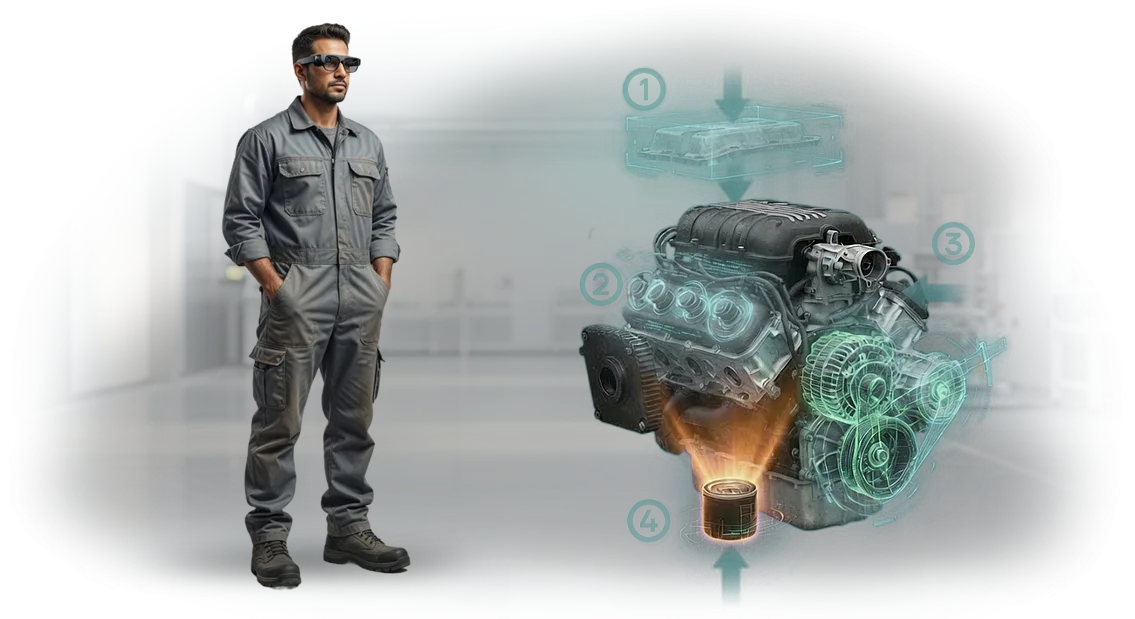
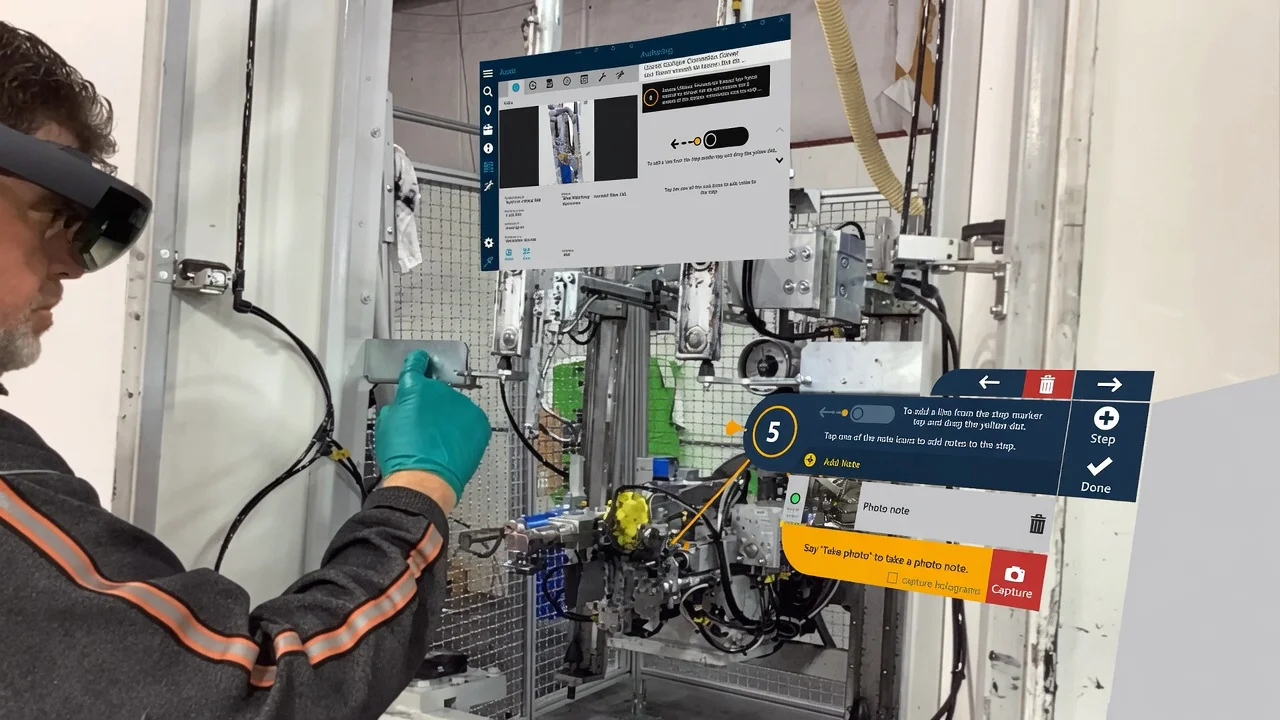
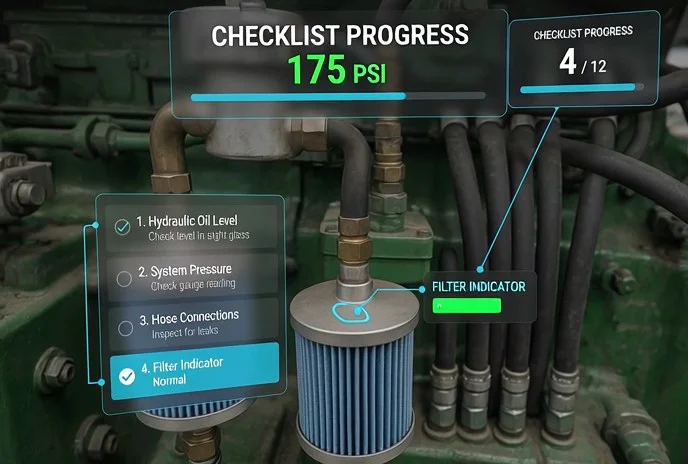
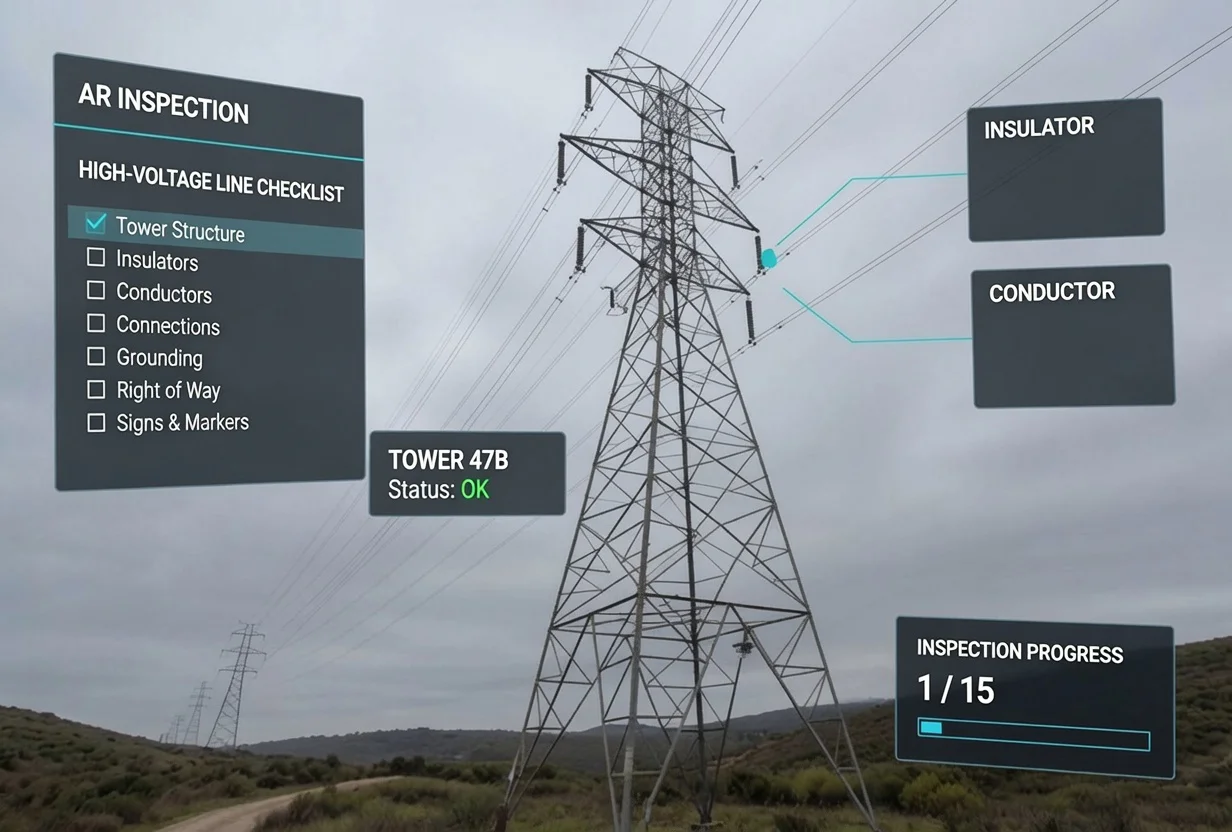
AR for manufacturing changes this approach. Instead of flipping through an instruction manual, the operator sees hints directly on the equipment: where to press, what to unscrew, in what order to perform the steps.
This reduces the risk of error to almost zero and cuts training time dramatically. Equipment downtime ceases to be the main loss item — employees react faster, set up faster, and start lines faster, so the enterprise manages to produce more output within the same deadlines.
We help industrial companies implement such AR instructions on a turnkey basis: from analyzing typical operations to a ready-made solution that is convenient to use on the shop floor.
Our engineers work with professional equipment and use proven development tools, so the customer gets a stable result without lengthy pilot projects or hidden refinements. If production losses from errors and downtime are familiar to you — we know how to stop them.
What Does Implementing AR Instructions Bring to Your Production?
Implementing AR instructions in production solves three main management challenges: speed of operations, accuracy of actions, and employee safety.
Paper regulations and PDFs are outdated — they force staff to get distracted, search for the right section, and memorize sequences, which leads to errors and wasted time.
With AR, an employee sees hints directly on the equipment: where to press, what to unscrew, which cable to connect. This is not just convenience — it is a measurable business effect:
- Faster training. A new employee starts working from day one: the instruction shows steps in real time, so a mentor does not spend weeks explaining.
- Fewer errors. Visual hints eliminate incorrect operation sequences. Defects and rework are reduced by almost half.
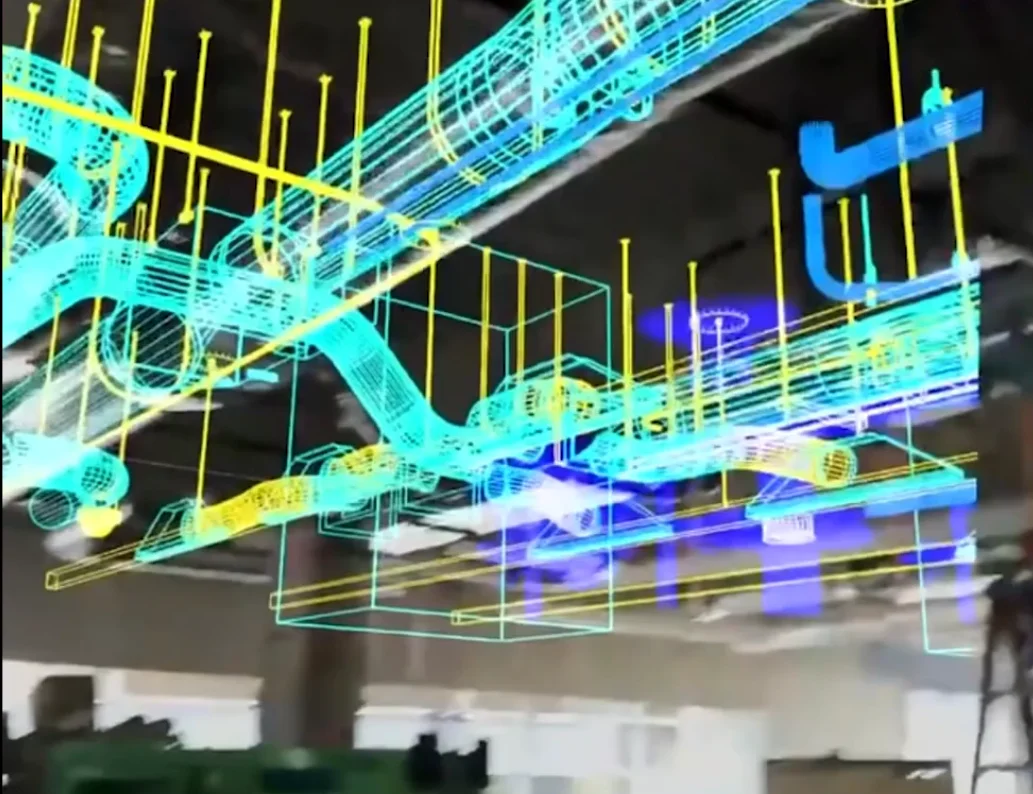
- Less downtime. Repairs and adjustments are faster: a technician checks a holographic diagram instead of running for a paper manual.
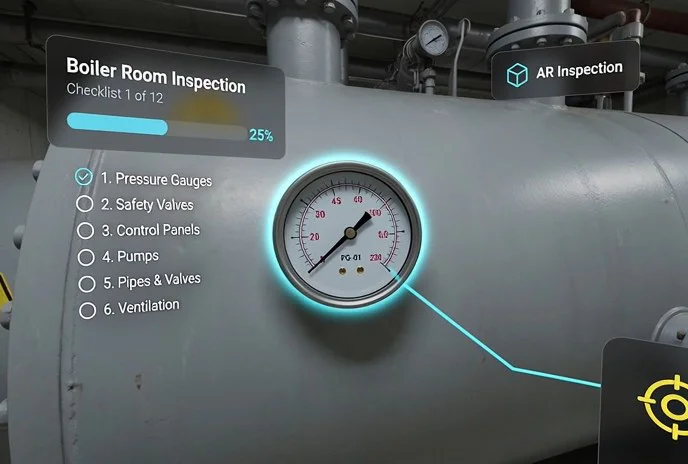
- Safety. The system warns about risks before the employee performs a dangerous action, reducing injuries and insurance costs.
- Quality control. Every operation is recorded automatically, so you can see who performed the task and how, and adjust the process in time.
As a result, you get increased productivity without expanding your workforce: the same employees work faster and more accurately, and equipment is used more efficiently.
AR instructions pay for themselves in the first months by reducing losses and speeding up the onboarding of new hires.
We implement solutions on professional equipment that works on the shop floor without failures and configure them to your regulations. You get not an experiment but a working tool with support and staff training.
Leave a request — we will show a prototype on your equipment and calculate the economic effect of implementation.
AR Formats for Manufacturing for Different Business Tasks
There is no universal AR solution: for one task a smartphone camera is enough, for another — special glasses, for a third — a stationary zone. The right format choice determines how much time employees will spend learning and how quickly you will see results.
We select the format based on the scale of the shop floor, staff qualifications, and implementation budget. We take into account how employees will use the instruction: on the move, at a machine, or in a training room. Below are the typical options we work with.
| Format | When to use | What it gives the business |
|---|---|---|
| Mobile AR instructions | Repair and maintenance of equipment at different points; no need to purchase additional equipment | Quick start using familiar phones, step-by-step 3D hints overlaid on the real machine, reduced downtime |
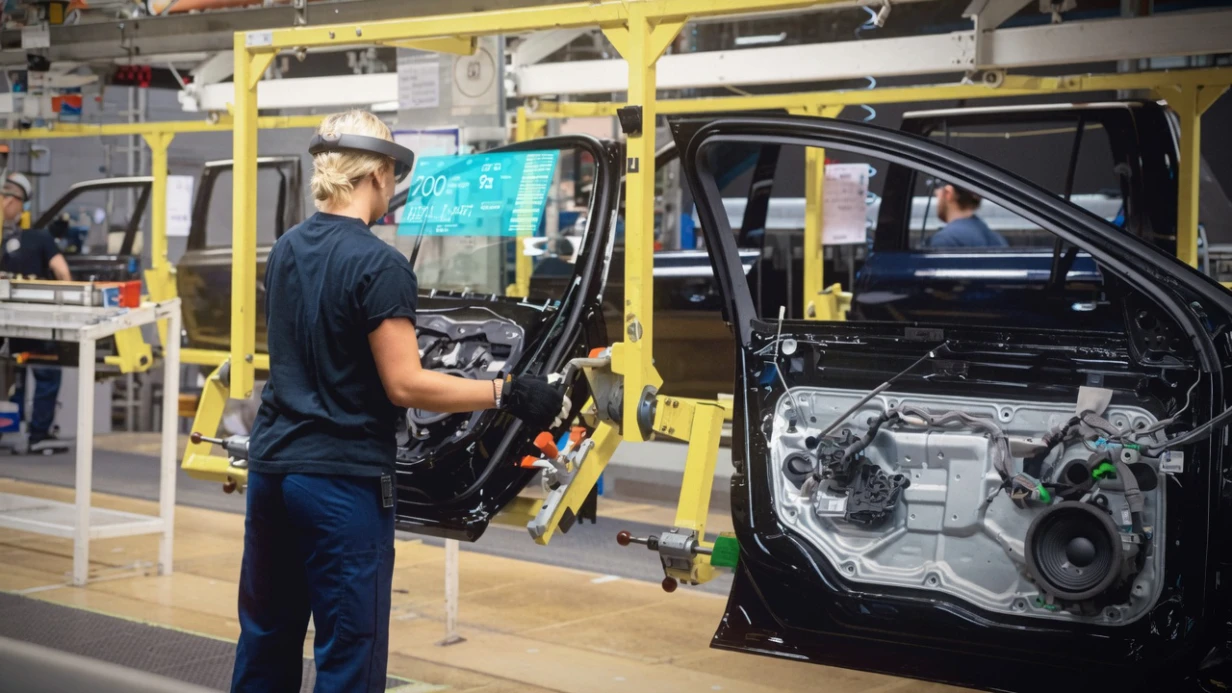
| AR headsets | Assembly, quality control, tasks that require free hands | The operator sees the instruction right before their eyes without being distracted by paper — higher speed and fewer defects |
| Stationary AR zones | Training newcomers, demonstrating equipment to customers, safety training | Group format: one instructor runs the session, employees remember operation sequences better |
What matters is not "implementing AR for the sake of AR" but choosing an option that addresses a specific pain point.
Our engineers will analyze your area, suggest a format with the lowest entry threshold and maximum results, and after the pilot help you scale it to other shop floors.
How an AR Instruction Project Proceeds
Complex projects love predictability. That is why we structure the implementation of AR instructions as a clear roadmap: you always know what stage you are at, what you are getting, and when we launch the result. Below is a typical plan that we adjust to your production and scope of tasks.
- Brief and audit. We determine which operations to cover with AR instructions: regulations, training of new employees, repairs, quality control. We fix the goals and expected effect.
- Plan approval. We prepare the scope of work, budget estimate, and calendar schedule. You approve — we start.
- Content preparation. We convert your instructions into step-by-step scenarios: what the employee sees, what hints and checkpoints they receive.
- Development and testing. We build a prototype, test it on your equipment and real tasks, and make corrections before launch.
- Pilot launch. We launch AR instructions on one site and capture metrics: operation speed, number of errors, staff response.
- Implementation and training. We deploy the solution to the required sites, train employees, and set up access.
- Support and development. We update instructions, add new operations, and scale the system to your needs.
A standard project takes 6–10 weeks — from brief to pilot in production. If you need it faster, we offer an accelerated format: we cover a priority operation in 3–4 weeks and then scale further.
What Is Included in the AR Solution Delivery
After the project is completed, you receive not just an application but a ready-made working tool embedded in your production processes. The delivery package is put together so that your team starts using the solution immediately and does not depend on us for day-to-day tasks.
Here is what is included in the result:
- A ready-made AR application for employee tablets and smartphones — with step-by-step instructions for assembling, repairing, and maintaining your equipment.
- Digital scenarios for key operations: we mark up components, add hints, warnings, and animations — this reduces the time needed to train new specialists.
- A content management dashboard — your technologists and engineers update instructions, change hints, and add new operations themselves without involving developers.
- Staff training: several sessions for operators and administrators, as well as video recordings and cheat sheets for an internal trainer.
- Technical documentation and project source materials — you receive complete data and can develop the solution with your own IT team.
- Warranty support for an agreed period and refinements following the pilot launch if any scenarios require adjustment.
The final result of the project is a working AR system that accelerates the onboarding of new employees, reduces errors during assembly and repair, and lessens the load on mentors.
Training and documentation included in the package allow you to embed instructions into your regulations from the very first day.
Case Study: How AR Instructions Reduced Downtime and Errors
At the beverage plant «Volzhsky Standard», AR instructions solved the problem of frequent downtime on the bottling line.
Operators spent up to 25 minutes searching for the required regulation, and when changing the packaging format, they made an error in settings every other time.
We created step-by-step voice prompts and 3D markup directly on the equipment: the specialist sees which unit to turn and to what torque. The system checks every action and prevents moving on when a mistake is made.
Implementation Results
Within two months, line downtime was reduced by a third, and changeover errors were cut by more than half. Training a new employee now takes two days instead of a week: the instruction guides them step by step.
Savings on one site amounted to a figure calculated after audit per year due to increased output and reduced defects. The customer is scaling the solution to three more lines and adding AR scenarios for scheduled maintenance.
Why the Approach Works
The value is not in the picture but in linking the instruction to the actual state of the equipment. The system understands what stage the worker is at and suggests the next step, so the result does not depend on the employee's experience.
The implementation was carried out without stopping production: content was prepared and tested on night shifts, and the launch took two weeks. The materials remain with the customer and are updated by their own engineers.
How to Choose an AR Format for Your Tasks?
Choosing an AR format for manufacturing starts not with technology but with the task you want to solve.
For training newcomers, step-by-step instructions overlaid on a real machine are suitable; for reducing repair errors — a simulator with emergency scenarios; for quality control — highlighting deviations on components.
The selection criteria are simple: the number of employees, equipment complexity, frequency of instruction updates, and the expected effect — reduced downtime or defects.
For an area with a dozen operators, a compact scenario on a tablet is enough, while for a multi-site production you need a replicable solution that can be deployed without rework.
It also matters who will develop the content: we set up the process so that your technologists can add to the instructions themselves, without contacting developers.
Budget is the main question, and here there is predictability. A pilot scenario for one site usually costs an amount calculated after audit and pays for itself by reducing training time and eliminating errors.
A full-scale solution is already a separate project with an ROI calculation, but we always recommend starting small: choose one process, measure the effect, and only then scale to other shop floors.
Doubts most often concern equipment and integration. For most tasks, tablets already available on site are sufficient, and for dusty environments we will select rugged models.
Data on instruction completion can be exported to your accounting system, and AR itself does not require restructuring the production process.
We will visit your site, study the operations, and offer 2–3 implementation options with different budgets and clear results — all you have to do is choose the best one.
Addressing Common Doubts About AR Instructions
Any new solution for production runs into the same questions: whether it will disrupt the rhythm, who will implement it, what about support. AR instructions are no exception — but most concerns arise from not knowing how working with a contractor works.
We have been implementing such projects for several years and know exactly what worries managers before the start. We answer common questions right here.
Won’t workers struggle with a complex interface?
The interface is built around familiar actions: point the camera at a component and you see a hint. Employee training takes 15–20 minutes, and mentors receive a short session so they can help colleagues without our engineers.
What if our equipment or regulations change?
The instructions are tied to your technical documentation. If a component changes, we promptly update the content. We fix support periods in the contract so the information does not become outdated.
How quickly can we get results, and won’t this disrupt the schedule?
We start with a pilot on one or two components, test it in real conditions, and only then scale. The pilot takes a few weeks and does not require stopping the lines.
Who is responsible for updates and technical support?
We support the project after launch: a clear SLA, communication channels, and scheduled maintenance. You always know what changes to make and how quickly they will be implemented.
Won’t this be a trendy toy without measurable effect?
We record metrics before and after: the time for a newcomer to start working independently drops by 2–3 times, and the number of assembly errors falls. We show these numbers to the manager.
Order AR Instructions for Your Task
Leave a request on our website — we will explain how AR instructions will fit into your production process and offer a format for your task.
The consultation is free: we do not "push a product" but analyze your situation — equipment type, employee skill level, and the points where training and repair slow down work.
After the order, our team handles the entire cycle: from filming and content preparation to publishing the instructions on your devices. You get a working tool, not a presentation. Here is what is included in the result:
- A detailed implementation plan with exact timelines and scope of work — before the start.
- AR instructions adapted to the specific operations of your production.
- Training for your team on working with the instructions and updating content with your own specialists.
- Technical support during the launch phase and a guarantee that the solution works.
- A transparent estimate with no hidden extras — we lock in the cost calculation after audit before work begins.
We have already done such projects for companies with dozens of equipment units and hundreds of employees. In every case, the customer received a clear training system that does not require process restructuring.
Leave a request — we will call you back within a business day, answer your questions, and suggest the nearest time to start.