

How AR Instructions Reduce Downtime of Pharmaceutical Equipment
Every hour of pharmaceutical equipment downtime means lost output, missed shipment deadlines, and extra strain on service engineers.
In pharmaceutical manufacturing, stopping a line to search for the right instruction or wait for a specialist can stretch into several hours — and with sterility and documentation requirements, even a full day. The more complex the equipment, the more expensive slow response becomes.
Paper regulations and electronic instructions stored in files do not solve the problem.
A technologist or setup technician wastes time finding the right section, cross-checking the document version, and trying to figure out where exactly the assembly described in the text is located. As a result, downtime grows and personnel act by guesswork.
This is especially acute when servicing complex pharmaceutical installations, where every minute of waiting is reflected in the cost of production.
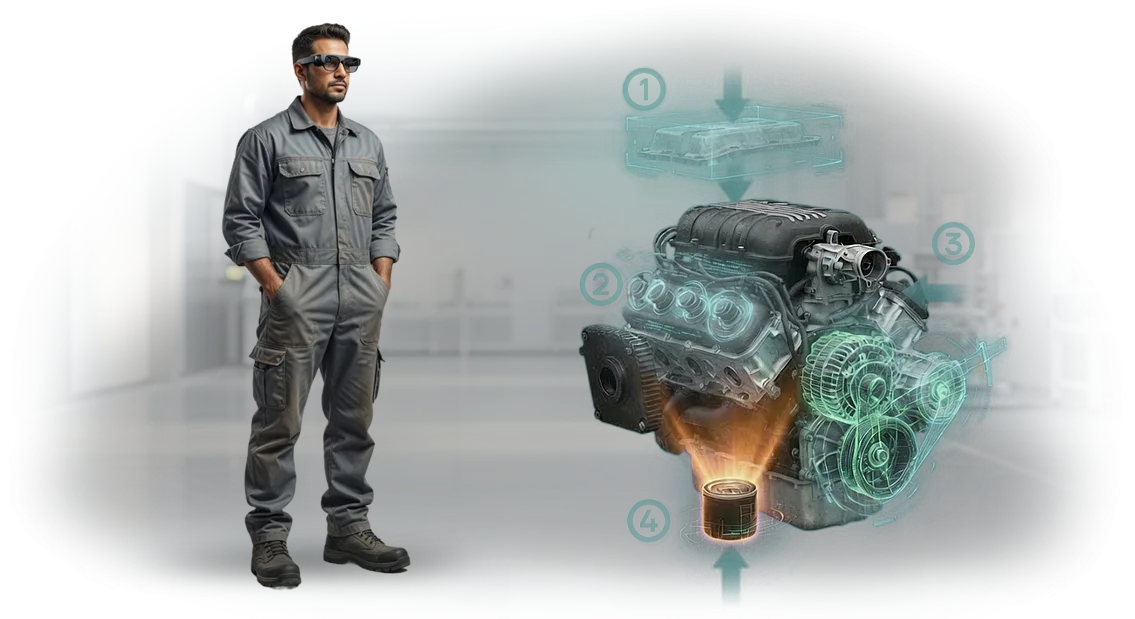
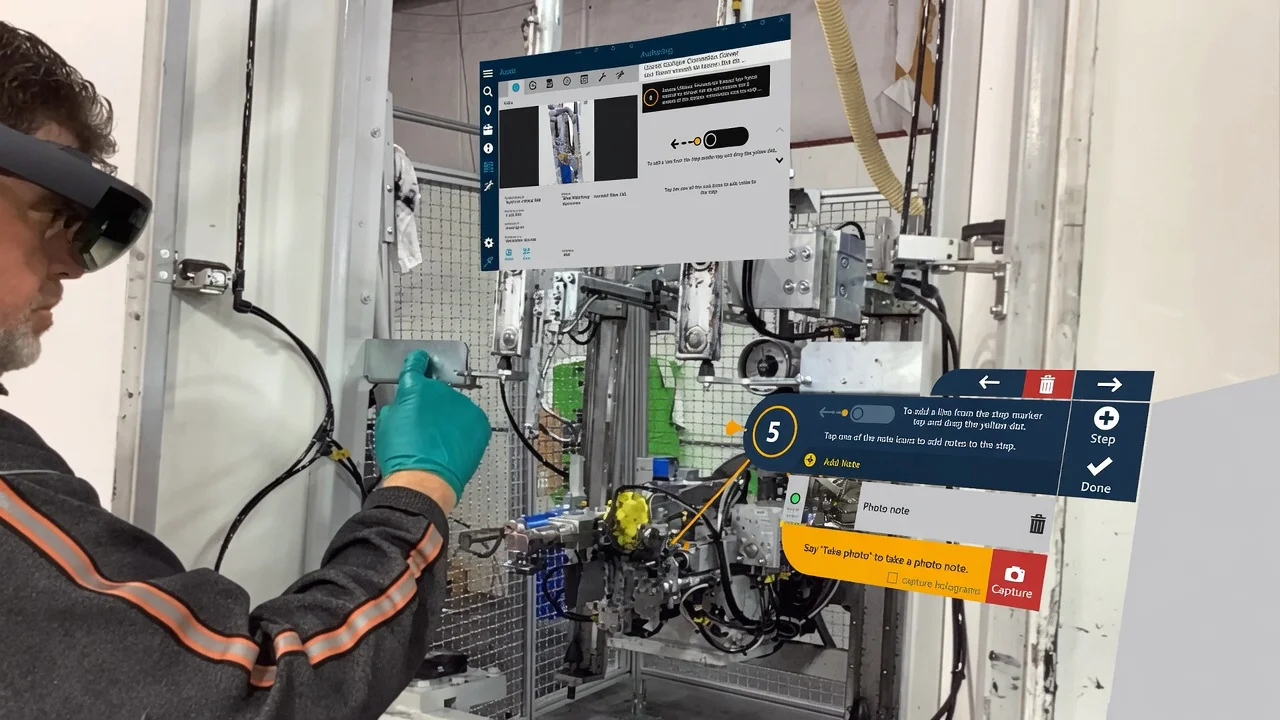
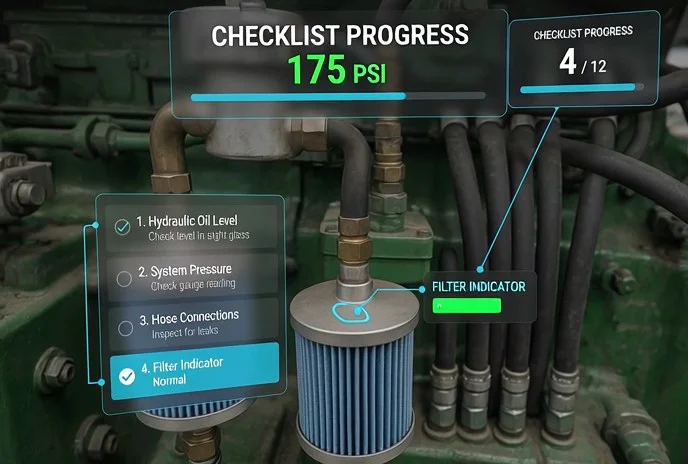
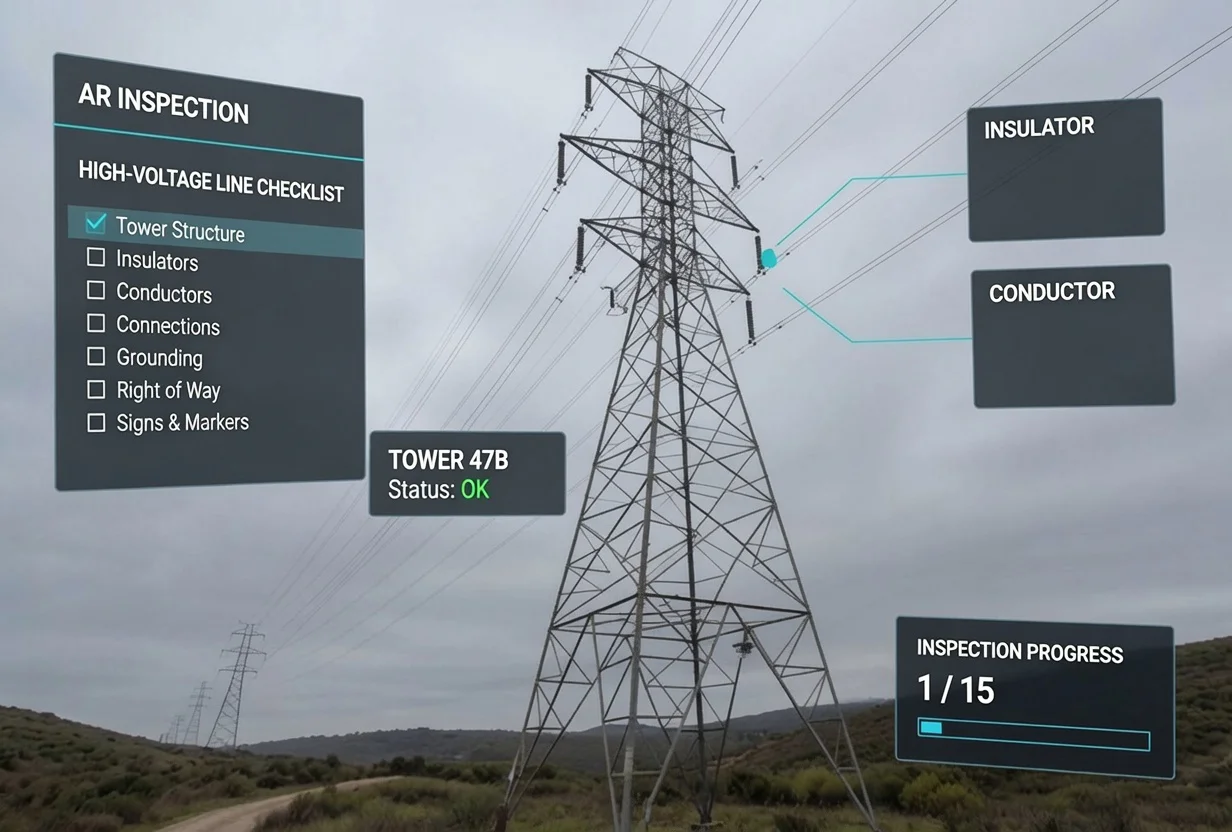
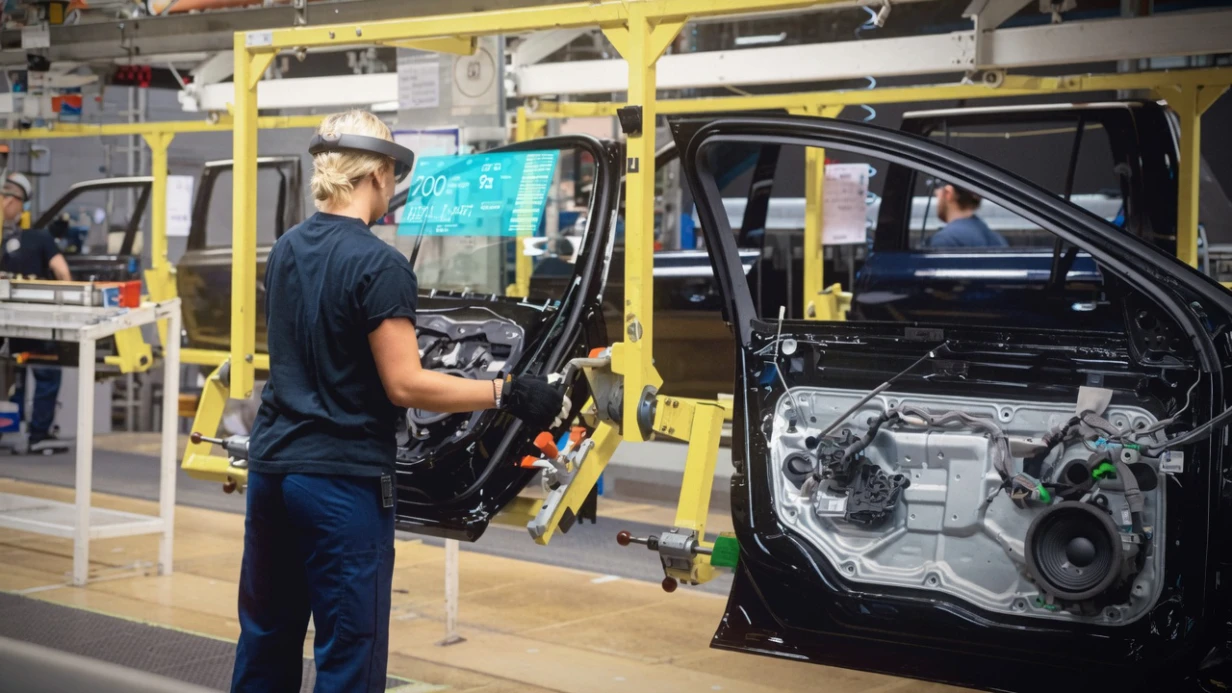
AR instructions overlay step-by-step prompts directly onto the equipment. The employee sees arrows, part numbers, and the sequence of actions in their field of view — no need to flip through paper and match a diagram to the real object.
This reduces the time spent searching for information, lowers the risk of errors, and makes maintenance faster, even if the specialist is encountering that particular assembly for the first time.
For a production manager, this means predictable timelines for scheduled maintenance, less dependence on narrow specialists, and quick onboarding of new employees.
AR instructions can be used for maintenance, diagnostics, and training — the same set of prompts accelerates processes across different departments.
We develop AR instructions for specific models of pharmaceutical equipment: we analyze regulations, convert them into clear visual scenarios, and integrate them into your production workflows.
In the end, you get a tool that pays for itself through reduced downtime and improved personnel efficiency.
What Implementing AR Instructions on the Production Floor Delivers
Pharmaceutical production staff work under conditions where the cost of error is especially high: an incorrect action during maintenance can stop the line or call a batch's quality into question.
AR instructions address this need — they help employees act faster, more accurately, and without lengthy preparation. Our team have been implementing such solutions for over ten years and see consistent results on every project.
Speed of Maintenance and Repair
Instead of searching for a paper regulation or waiting for a senior colleague's hint, the employee sees a step-by-step algorithm right on the equipment. Typical part-replacement and setup operations are performed 30–40% faster, and line downtime shrinks.
For the production facility, this means more stable plan fulfillment and fewer urgent overtime shifts.
Accuracy and Compliance with Regulations
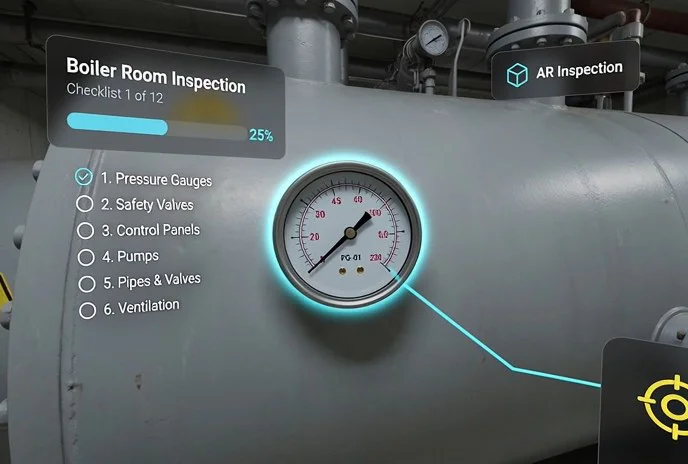
The AR instruction shows exactly the assembly that needs to be worked on, and each step is accompanied by correctness checks. The risk of mixing up a part or skipping an operation is minimized.
For the pharmaceutical industry, this also means process transparency: the system records performed actions, simplifying internal audits and confirmation of compliance with quality standards.
Easy Onboarding of New Employees
A newcomer no longer needs to memorize hundreds of pages of instructions and fear making a mistake. They simply put on a tablet or smartphone, and the system prompts correct actions step by step.
The time to full readiness is reduced by a factor of two to three, and errors during the internship period drop noticeably. Training takes place on real equipment, without separating theory from practice and without burdening experienced mentors.
As a result, production gets not just digital documentation but a working tool that pays off through reduced downtime, lower defect rates, and accelerated personnel training.
These three benefits — speed, accuracy, and ease of learning — become the foundation for improving overall enterprise efficiency.
AR Instruction Formats for Different Tasks
There is no single universal format for servicing pharmaceutical equipment — everything depends on the task. Training a new employee is one thing; helping an experienced specialist in the field is another.
Augmented reality makes it possible to choose a convenient information delivery format: from step-by-step training to live contact with an expert. Below are three basic scenarios that cover most production situations.
| Format | For Whom | What It Gives the Client |
|---|---|---|
| Step-by-step instruction | Employees being onboarded or those who rarely perform an operation | Reduces training time to a few hours and lowers the risk of errors through a clear sequence of actions on real equipment |
| Overlay on parts | Service engineers and technologists working with assemblies and parts | Eliminates errors when locating the required element — the employee sees prompts directly on the equipment and performs diagnostics faster |
| Remote assistance | Mobile teams and sites without their own technical specialist | Connects an expert in real time: they see what the employee sees and remotely guides their actions, saving hours of travel |
This approach allows covering different scenarios with a single platform. A young specialist needs only a short training session to work independently, while an experienced employee gets a rare hint for an unusual breakdown.
We select the right format for your task and, if necessary, combine formats in a single instruction so that every frame of digital guidance delivers value.
How We Develop AR Instructions for Pharmaceutical Equipment
We work with pharmaceutical equipment using a proven methodology: from a short brief to launching a finished AR instruction and supporting it.
The process is designed so you don't have to dig into technical details — you get a clear result within agreed timelines and with quality control at every stage.
-
Brief and task definition. We discuss which equipment the instruction is needed for, who will use it (operator, service engineer, technologist), and which operations need to be described. You receive a work plan and an understanding of the cost before we even start.
-
Equipment and documentation audit. We study regulations, diagrams, and the specifics of the specific model, and visit the site if necessary. This allows us to build all unusual situations and control points that matter for your particular production into the scenario.
-
Scenario creation and prototype. Based on the audit, we form the sequence of steps: what the operator sees, where the prompt appears, and at which stage quality control or result recording is needed.
You see the "skeleton" of the future instruction and can make edits before the expensive detailed work begins.
-
Approval and adjustments. We show a working version on real equipment or its digital copy. You and your technologists verify the accuracy of actions, refine wording, and approve the final scenario. Most revisions are made at this stage — without disrupting the launch timeline.
-
Final assembly and process integration. We package the instruction for your devices — tablets, smartphones, or industrial terminals. We configure access and roles so the right instruction opens for the right employee in one click.
-
Launch and team training. We help integrate the instructions into work: short training for operators and administrators, usage guides, and briefings for shift supervisors. Your employees start using the system on day one.
-
Support and development. After launch, we stay in touch: we update instructions when regulations change, add new operations, and help with technical questions. You get not a one-off project but a working tool that evolves together with your production.
This approach has already been applied to create AR instructions for servicing pharmaceutical equipment: the client reduced new operator training time and lowered the number of errors during scheduled maintenance work.
We take on the entire process from brief to support — all that's left for you is to evaluate the result on your own lines.
What's Included in the AR Solution Delivery
You receive not just an AR application but a complete working package for servicing pharmaceutical equipment. The delivery includes all elements needed to launch the solution quickly and use it every day: from interactive 3D models to personnel training and technical support.
-
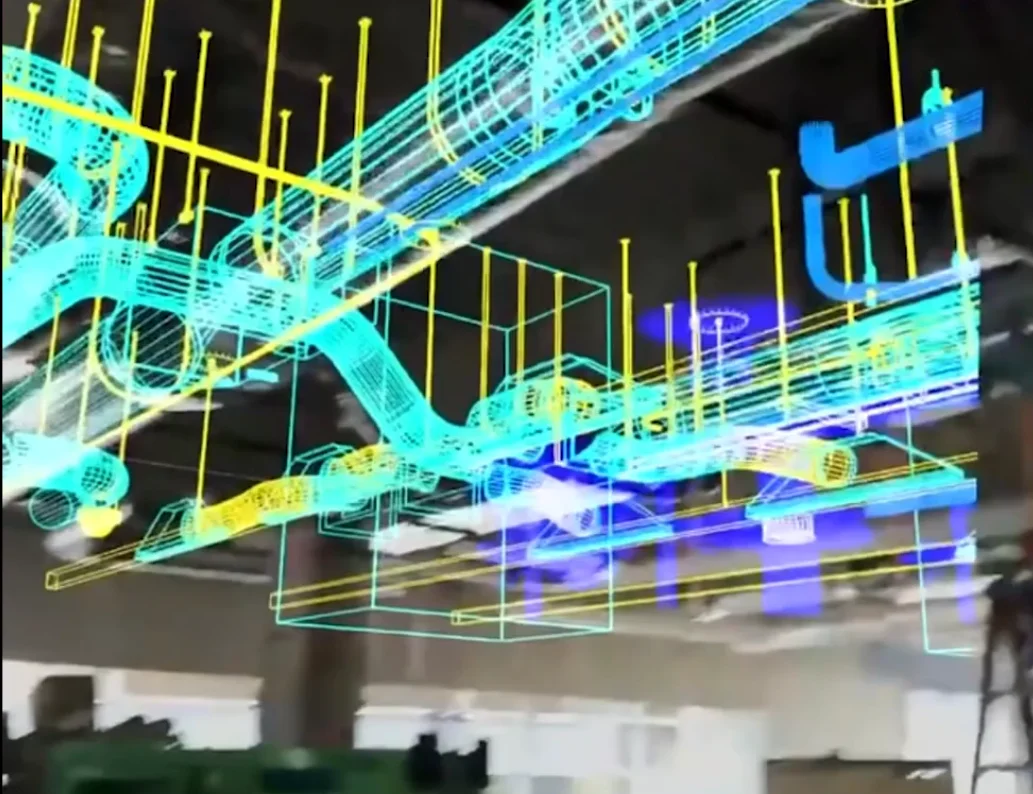
Interactive 3D models of equipment. A specialist can inspect the object from any angle, break it down into assemblies, and see hidden parts — without removing protective panels or stopping the process.
-
Step-by-step maintenance scenarios. The instruction guides the operator through stages: preparation, disassembly, part replacement, reassembly, verification.
The scenarios account for the specifics of pharmaceutical equipment — cleanliness, sterility, and scheduled maintenance requirements.
-
Adaptation to your regulations and standards. We build your production rules into the scenarios, so employees act in familiar ways without violating internal procedures.
-
Personnel training. We conduct training for operators and supervisors: we show in practice how to work with AR instructions and how to integrate them into daily processes. The team starts working independently immediately after launch.
-
Technical support and maintenance. We stay in touch after implementation: we help with updates, answer questions, and accelerate problem resolution so the tool never sits idle.
-
Log of completed operations. The system records which steps have been completed — this simplifies quality control, process stability, and audit preparation.
Case Study: 35% Reduction in Repair Time
Downtime of a pharmaceutical line means lost output and missed shipment deadlines. At one plant, every serious breakdown of packaging equipment turned into hours of waiting: tracking down a rare specialist, flipping through paper instructions, calling the manufacturer back.
Repair time reached four hours, and every hour of downtime cost the production facility a significant amount.
We proposed converting the key regulations into AR instructions. Now the technician points a tablet at the machine and sees virtual prompts directly on the assemblies: which compartment to open, which bolt to loosen, where to take readings.
No more "from memory" or long searches through manuals — the action algorithm is always in front of their eyes.
Results in the first months: average repair time dropped by 35% — from four to 2.6 hours. Downtime decreased, scheduled maintenance started taking twice as long, and assembly errors fell to nearly zero.
For the plant, this is not an "experiment" but a working tool: implementation costs were recouped in the first quarter through reduced downtime.
What This Gave the Production Manager
- Repairs no longer depend on a single expert: even a new employee handles a complex operation using the virtual prompt.
- Maintenance quality control — every step is recorded, making it easy to verify that the regulation has been followed.
- Personnel training accelerated: instead of two weeks of reading instructions, it's two to three days of practice with AR.
Vector pharmaceutical plant is one example where AR instructions became regular practice rather than a one-off campaign. After the initial results, the client expanded them to all critical line assemblies and included AR in the service department's standard operating procedures.
Frequently Asked Questions About Implementing AR Instructions
Most doubts relate not to AR instructions themselves but to their integration into current processes: will the system be compatible with the equipment, will it disrupt timelines, and how is safety guaranteed? Below are answers to the most common questions asked by clients in the pharmaceutical industry.
Are AR instructions compatible with our equipment?
Yes, with virtually any model. We build instructions based on your technical documentation and workflows, so visual scenarios work for reactors, packaging lines, and cleaning systems alike.
Implementation does not require stopping production: setup and verification run in parallel with current operations. Employees adapt quickly because the interface is intuitive without special training.
How long does implementation take?
On average, the first instruction is ready within a few days, and a typical project takes 2–3 weeks. The timeline depends on the number of instructions and the complexity of operations, but we always set a plan with stages and dates.
This allows you to fit the launch into your production schedule and coordinate personnel training in advance. You get exact dates at the start, with no surprises.
How is data security ensured?
Instructions work locally, without transmitting information to external services. Data about your equipment and regulations never leaves the enterprise, and only authorized employees receive access to the materials.
This meets the requirements of the pharmaceutical industry, where protecting documentation workflows and processes is critical. You retain full control over the information.
What happens if the device or the process itself changes?
We stay in touch after implementation: warranty support includes updating instructions when regulations change or a new equipment version appears.
If a tablet or headset fails, that's no problem — instructions can be opened on any compatible device. Work won't stop, and we'll help you select a replacement quickly.
Do we need to buy expensive equipment?
No. In most cases, the tablets or smartphones your employees already use are sufficient. We adapt the interface to the required screen size and device model.
If certain areas require a more convenient format, we'll help you choose cost-effective options that fit your specific tasks. The key is that the employee sees the instruction where they perform the work.
How to Choose the Right AR Instruction Format for Your Task
Choosing an AR instruction format starts not with technology but with the task. For regular scheduled maintenance of pharmaceutical equipment, an employee needs step-by-step prompts right at the workstation: they see the required assembly and understand which actions to perform. This reduces downtime and lowers the risk of errors.
For training new specialists, a format with detailed breakdown of all operations and control points is more effective.
The employee moves through the scenario at their own pace, returns to difficult sections, and you gain confidence that personnel are acting according to regulations. In pharmaceuticals, where procedural requirements are strict, this is critical.
For an unusual breakdown or rare operation, choose a format with remote support. The technician shows the equipment to an expert located elsewhere and receives real-time guidance — hours of waiting turn into minutes, and production downtime shrinks.
Consider working conditions: in cleanrooms, tablets or wearable devices that require no extra actions are more convenient. If equipment is located in hard-to-reach places, the ability to point the camera at a specific element and see the needed prompt on screen is important.
The main rule is that the format must solve your task: reduce downtime, improve operational accuracy, or accelerate personnel training.
We'll help you choose the optimal option for your pharmaceutical equipment, regulations, and specialist skill levels, so you get a measurable result rather than just a fancy technology.
Order Turnkey AR Instruction Development
Turnkey AR instruction development saves your department from a long search for contractors, approvals, and technical experiments.
We take on the entire process — from equipment analysis and training scenarios to launching a ready solution that works on your specialists' tablets and smartphones.
You get a predictable result within agreed timelines, and the service department gets clear step-by-step prompts right at the workstation.
Leave a request, and within one business day we'll conduct a free consultation, clarify your tasks, and prepare a preliminary estimate for your equipment fleet.
Even after the first conversation, you'll understand how AR instructions will fit into your maintenance processes and what effect they'll deliver.
What you get after contacting us:
- Personal consultation: we analyze your situation and show where AR instructions will deliver maximum value — from maintenance regulations to new employee training.
- A preliminary cost and timeline calculation with no hidden extras — a transparent estimate after analyzing the scope of work.
- A demonstration of a similar project: we show what finished AR instructions look like on industrial equipment in your industry.
- A clear launch plan: brief, development stages, approval points, and delivery date — you always know what's happening.
- A complete package: the AR instruction itself, an administrator guide, and training for your employees on working with the application.
- Technical support after launch: if something changes in the equipment or regulations, we help adapt the content promptly.
We work remotely across the country and have been building AR solutions for manufacturing for over 10 years, so we understand the specifics of pharmaceutical equipment — serial maintenance, regulations, and quality control.
You don't need to understand technical details: you set the task, we propose the solution, and we support it all the way to the result.
Leave a request on the website — we'll discuss your task, calculate the budget, and propose a pilot project that will quickly demonstrate the value of AR instructions for your service department.