

Outdated Instructions Slow Down Maintenance of Physiotherapy Equipment
Every minute of physiotherapy equipment downtime means a canceled session, a rescheduled patient, and lost revenue.
A clinic operates on a schedule: machines are in use almost continuously, and when a technician spends hours searching for the right section in an outdated paper manual, the schedule falls apart. In the end, both patients and the facility's bottom line suffer.
The core problem is not even the breakdown itself, but how staff respond to it. Traditional repair manuals describe old modifications, fail to account for the specifics of a particular model, and the diagrams do not match the actual device.
An employee hesitates, acts on guesswork, performs unnecessary operations — and instead of a quick fix, we get human errors that sometimes cause additional damage to the equipment. Downtime drags on, and maintenance costs rise.
For physiotherapy equipment, this is twice as critical: the machines are complex, and relying solely on staff memory and experience to maintain them is far too risky. People change, knowledge is lost, and one technician's "expert" approach is not passed on to others.
When the manual doesn't answer the questions, every repair becomes a quest with unpredictable outcomes and unforeseen expenses.
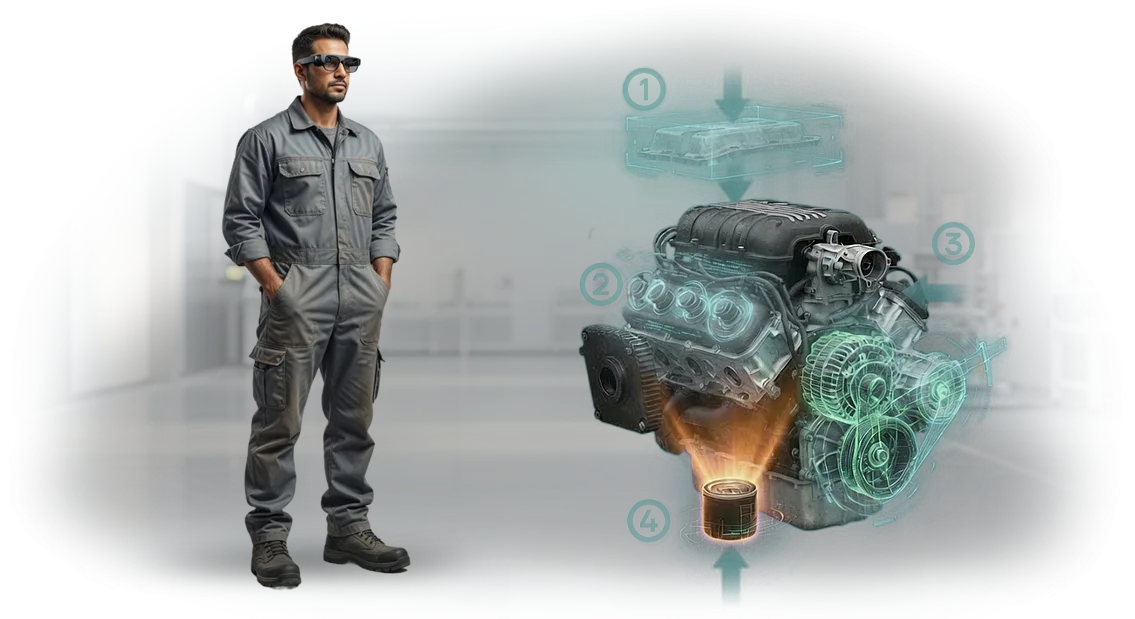
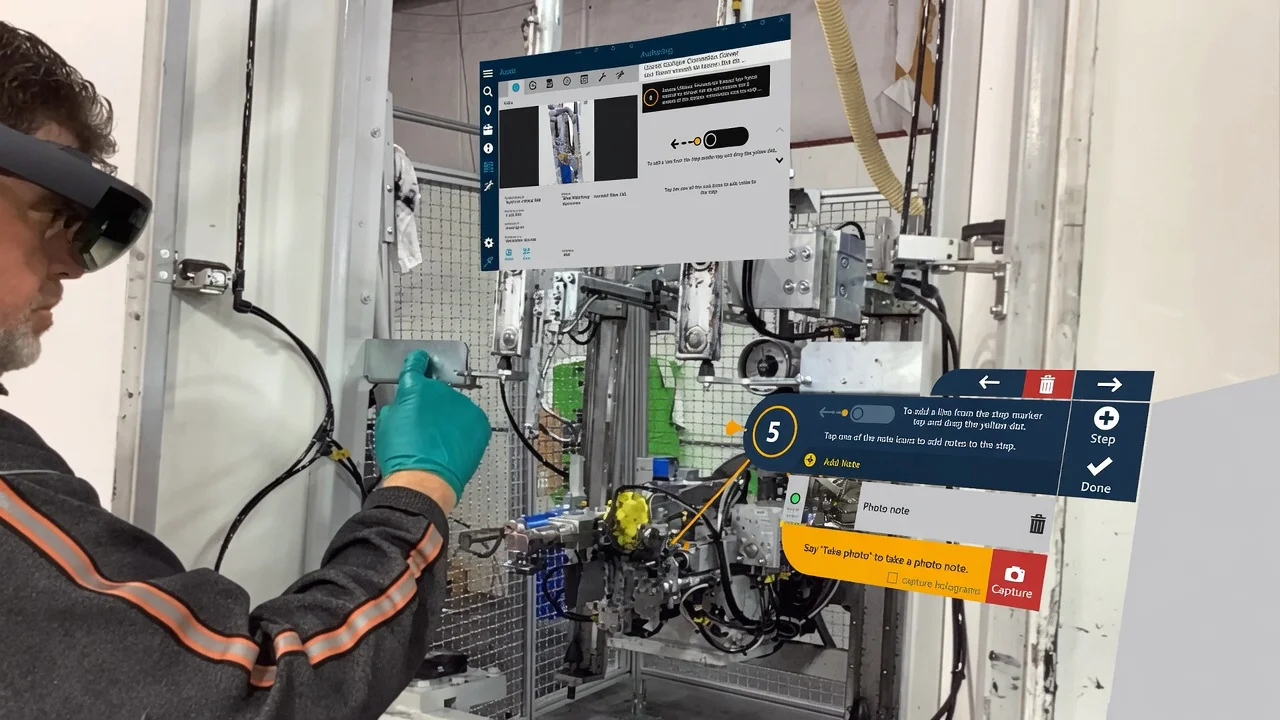
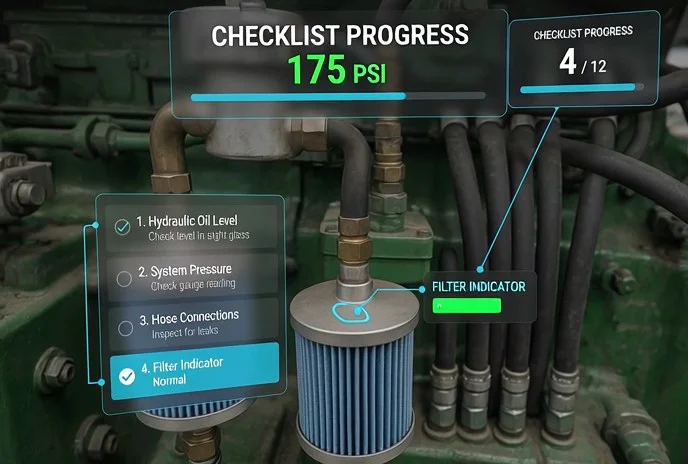
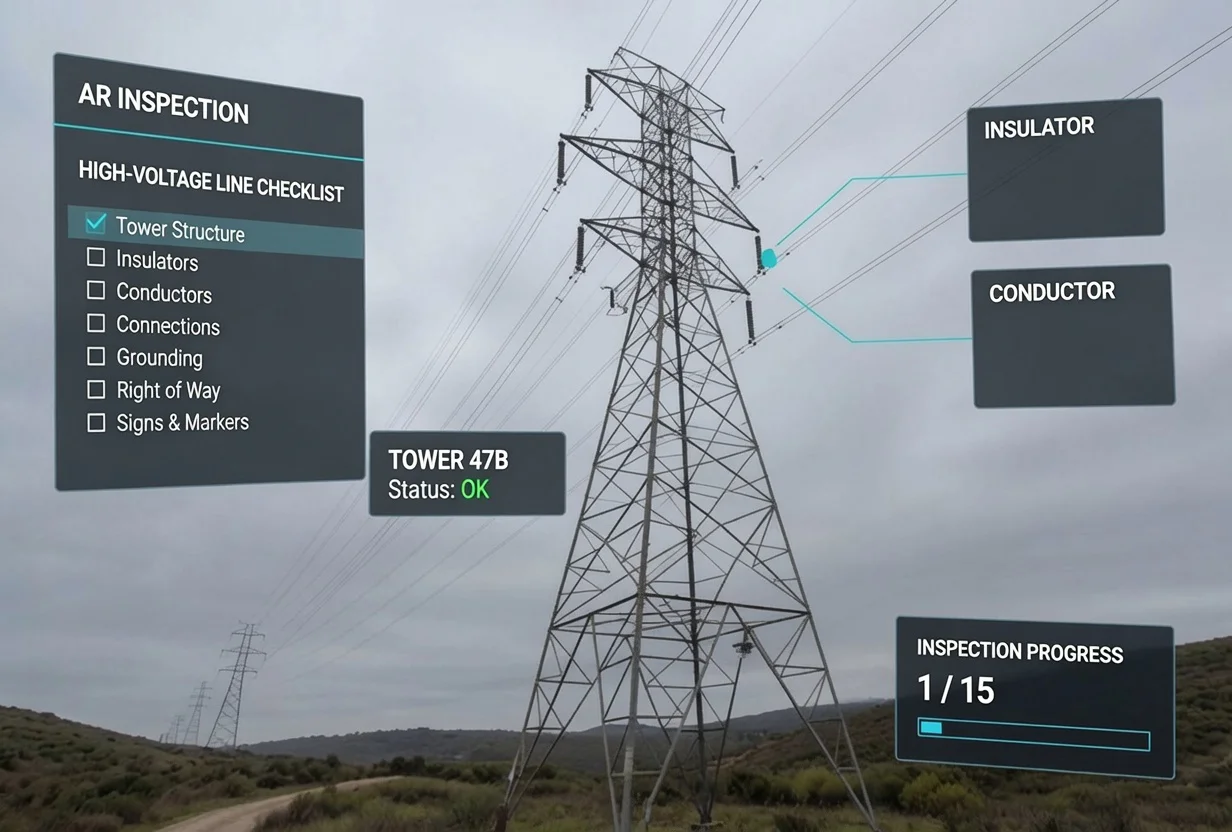
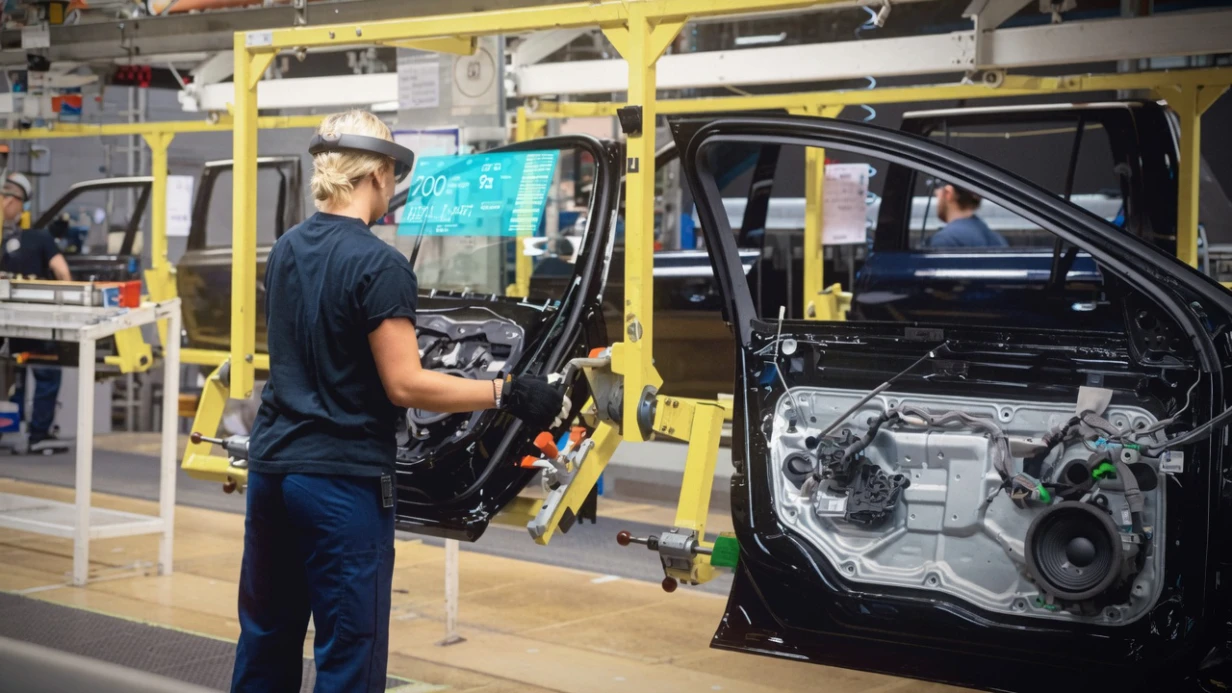
We solve this problem: we create AR instructions that show, step by step, directly in the specialist's field of view, how to properly service a specific machine.
The technician sees prompts overlaid on the real object and performs operations confidently, without guessing or calling more experienced colleagues.
This reduces repair time and eliminates human errors — which means equipment returns to service faster and the clinic keeps its money.
What an AR Instruction Gives a Clinic and a Service Department
An AR instruction for physiotherapy equipment is not just a replacement for a paper memo; it is a working tool that reduces downtime, accelerates training, and lowers risks. It works like an experienced mentor: it shows what to do at each step and warns against mistakes.
The main benefit is less downtime. When a machine stops, every hour of downtime costs the clinic lost revenue. An AR instruction helps staff quickly perform diagnostics and resolve a typical fault without calling in an engineer.
If a service department is needed, the specialist already knows what happened — from the photo and error code captured by the employee.
The second benefit is fast staff training. A new employee or nurse masters the work in a couple of days, not weeks. AR prompts on the screen guide them step by step, so there is no need to memorize the sequence of actions. This is especially important in clinics with high staff turnover or seasonal workload.
The third is safety. The instruction highlights hazardous areas and reminds about precautions before the action takes place. This reduces the risk of improper equipment handling, patient injuries, and damage to the machinery. For the service department, it is confirmation that the client followed the procedures.
The fourth is quality control. Every operator performs the procedure using the same scheme, which means the result is stable. A manager can be sure that the equipment is being operated correctly, and the service department receives fewer false calls. All of this ultimately increases trust in the clinic and its reputation.
AR Instruction Formats for Different Tasks
Each task requires its own approach: one thing is training a new clinic employee in a couple of days, another is diagnosing a fault, and a third is handing equipment over for operation after repair.
We develop AR formats ranging from simple step-by-step 3D prompts to interactive manuals with completion control — and we select the option to fit your task, not the other way around.
Below are three basic formats that clients most often start with. All of them work on employees' tablets and smartphones, require no re-equipment, and easily fit into the regular maintenance routine.
| Format | For whom | What it gives the client |
|---|---|---|
| Step-by-step 3D prompts — AR shows arrows and the sequence of actions directly on the equipment housing | Maintenance engineers, technical staff | The employee sees what to press, what to unscrew, and in what order — paper manuals and hands-on training become a thing of the past |
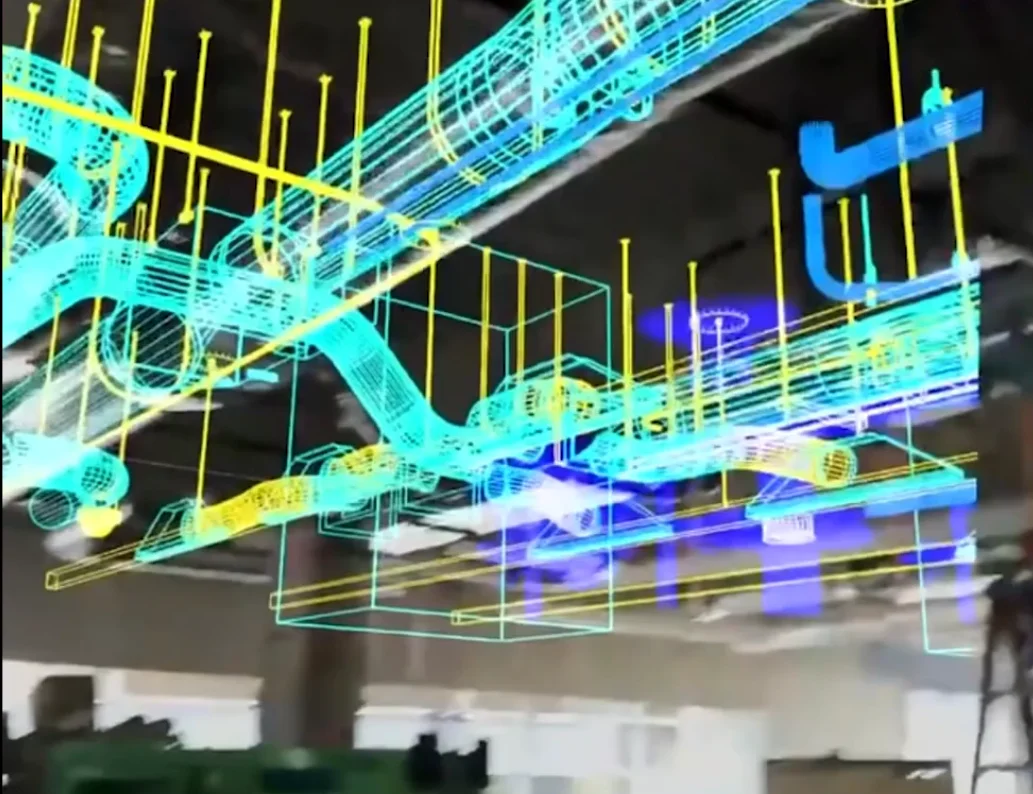
| Interactive manual — virtual instructions with assembly breakdown, transparent housing, and pop-up explanations | Clinic staff, trainees, students | Familiarity with a new model takes days, not weeks; fewer errors in daily operation |
| AR diagnostics with recommendations — the virtual instruction recognizes the machine's condition and highlights likely causes of the fault | Service department managers, chief engineers | Fault-finding time is reduced by 2-3 times, and downtime of expensive physiotherapy equipment decreases |
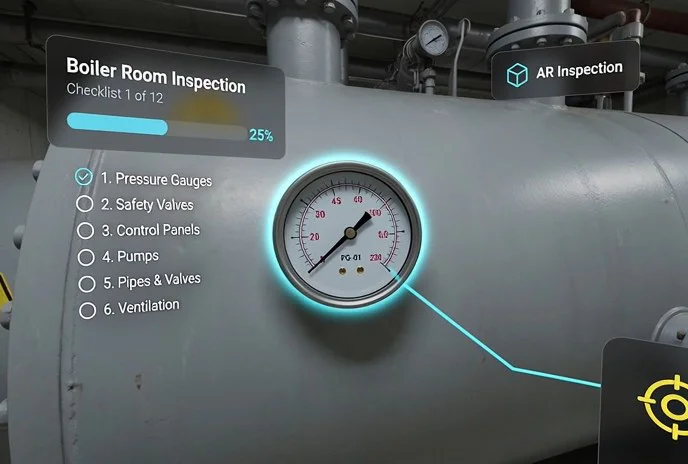
The key advantage is that the formats are easy to combine. For example, an engineer starts with diagnostics, then moves on to a step-by-step component replacement, and after the repair uses an AR checklist to make sure nothing is missed.
We have already built a library of ready-made solutions for medical equipment — which is why a new format for your equipment is launched noticeably faster than when developing from scratch.
How an AR Instruction Is Developed in 6 Steps
AR instruction development is a structured process with clear milestones. We work using a 6-stage scheme: from the brief to staff training and post-launch support. Below is what happens at each step and what benefit it brings to the equipment owner.
-
Brief and needs audit. We conduct interviews with your team, study the equipment and typical work scenarios. We record the goals: faster repairs, fewer errors. This is the foundation for an accurate plan and cost estimate.
-
Plan and approval. We prepare the instruction structure: operations, step sequence, control points. You approve the scenarios before production — we eliminate misunderstandings and unnecessary revisions.
-
AR instruction development. We create step-by-step guidance that is overlaid on the equipment through a smartphone or tablet screen. The specialist sees what to do and in what order, directly on the parts.
-
Test and pilot. We release a pilot version and test it with your employees on real tasks. We take feedback into account and adjust the scenarios. The pilot confirms that the instruction works before full launch.
-
Deployment and training. We set up access, install the application, and train engineers and trainers. Deployment runs alongside current operations, without stopping maintenance.
-
Launch and support. We hand over the project, support the team in the first weeks, and update content when procedures change. Support is already included — you are not left alone with the technology.
What Is Included in the AR Instruction Package
You receive not just a file with instructions, but a complete working package that can be immediately implemented in the service department. Everything needed to maintain physiotherapy equipment is already digitized, packaged, and verified.
No self-assembly, no searching for diagrams, no deciphering paper procedures — only practical tools for your engineers.
The delivery package includes:
- AR scenarios — step-by-step interactive instructions for standard operations: disassembly, diagnostics, component replacement. The employee sees prompts directly on the equipment and does not waste time studying manuals.
- 3D models — detailed digital copies of key parts and assemblies. They allow you to examine a component from any angle, understand how it works, and avoid mistakes during repairs.
- Technical documentation — all procedures, electrical diagrams, torque specifications, and the list of consumables in a single digital format. Nothing will be lost or become outdated again: updates arrive on time.
- Training for your specialists — short video lessons and quick-reference guides on working with AR instructions. Staff get up to speed faster, and the risk of incorrect actions decreases.
- Platform access — a personal account where all content is stored. You control instruction versions, see usage statistics, and can change materials when needed without involving the contractor.
- Support at the start of deployment — we supervise the launch, answer engineers' questions, and help adapt scenarios to your procedures.
All of this works as a single system: the engineer opens the application, selects the equipment model, and immediately gets accurate instructions with 3D prompts and documentation.
Such a package reduces maintenance time and reduces dependence on the experience of individual employees — knowledge stays in the company, not in one specialist's head.
Case Study: AR Instructions for Physiotherapy Equipment in a Clinic Network
A clinic network owner knows the price of downtime: physiotherapy equipment that is not working means rescheduled patients, a disrupted schedule, and lost revenue.
Usually, when a breakdown occurs, people wait for a service engineer for days, even though some faults can be resolved by staff themselves.
We implemented AR instructions for a network of 12 clinics that maintained more than 40 units of physiotherapy equipment.
Previously, each failure took on average 6 hours of waiting for a specialist, and employees were afraid to approach the machines without calling in a technician.
FizioLife clinic network entrusted us with developing augmented reality step-by-step instructions for daily maintenance and common faults. Medical staff point a smartphone camera at the machine — and see which component to check, how to remove the panel, and what to press.
This is not a replacement for an engineer, but fast diagnostics and resolution of simple tasks without downtime.
After launch, average downtime decreased by 45%, and the number of service center calls nearly halved.
The accuracy of routine maintenance improved — employees began skipping steps less often because AR prompts do not let them "forget" to clean a filter or calibrate a sensor.
Additionally, the clinic received on-the-job training: new employees learn maintenance in a few shifts, not weeks.
Two months later, the network ordered the same instructions for diagnostic equipment in other departments — this is a result measured in saved working hours and staff peace of mind.
How to Choose an AR Instruction Format for Your Clinic?
There is no single "correct" AR instruction format for all clinics — the choice depends on the task you are solving. If you need to quickly train nurses in basic equipment care, a simple step-by-step prompt on a tablet is enough.
For complex service maintenance by engineers, a more detailed 3D annotation with access to components and manufacturer procedures will be required.
Pay attention to the conditions in which staff work: stationary physiotherapy, mobile teams, or appointments in several rooms. This will determine whether a mobile format on a smartphone is needed or a stationary headset is more convenient.
The main thing is that the instruction should not slow work down, but rather eliminate the need to flip through paper guides or recall training material.
Before launch, be sure to check the compatibility of the chosen format with your specific physiotherapy equipment models. Check whether the manufacturer supports open protocols for integration, or whether adaptation to your equipment's specifics will be required.
A good contractor will do this at the brief stage — and you will get a solution that works from day one, not after lengthy refinements.
The return on such a project is measured not in abstract percentages, but in concrete savings: how many minutes per day each employee saves, how much the number of maintenance errors has decreased, and how quickly new specialists start working independently.
Usually the effect is visible within the first months, so it is worth discussing a pilot launch in one department — this will help measure the result before full scaling.
If you are unsure which format suits your clinic, send us a description of your equipment and tasks — we will offer 2-3 options with cost calculated after audit and benefit analysis. We will help you understand compatibility and make a choice that will pay for itself in operation.
Frequently Asked Questions About Development and Deployment
Before launching AR instructions for physiotherapy equipment, clients most often have the same concerns: how much it costs, how quickly it can be deployed, whether operations will have to be stopped, and what happens in the event of a failure.
We answer the key questions so you can make a decision with full clarity on timelines, budget, and guarantees.
How much does AR instruction development cost?
The cost depends on the complexity of your physiotherapy equipment, the number of steps, and the content formats required. We fix the cost estimate after the brief — you get the exact figure before work begins.
The price includes everything: filming, processing, scenario assembly, and deployment on employees' tablets.
What are the deployment timelines?
A typical project takes two to four weeks — the timeline depends on the number of instructions and the need for 3D models. If a critical area needs to be covered quickly, we create a lightweight version in a week and then expand the functionality.
Is it difficult to integrate AR instructions into current processes?
No — an ordinary tablet or smartphone is enough to work. There is no need to change equipment or production systems. Staff can be trained in an hour: a technologist or engineer simply shows employees how to open the instruction and move to the next step.
What happens if the connection is lost or a failure occurs?
The instruction is saved on the device and works offline — the internet is only needed for downloading. If the application freezes, the employee restarts it and continues from the same step: progress is not lost. For critical operations, we duplicate AR prompts with plain text.
Get a Cost Estimate for an AR Instruction for Your Equipment
You already know how much a service department loses due to repair errors and the slow onboarding of new employees. Paper instructions do not help: you need a visual format that guides the specialist step by step.
We will prepare a cost estimate for an AR instruction specifically for your equipment — from physiotherapy equipment to complex production lines.
Leave a request — and within one business day you will receive an individual proposal: cost calculated after audit, pilot project terms, and an implementation roadmap. No generic price lists and no hidden work.
What is included in the initial estimate:
- A free consultation on your task — we will discuss where AR instructions will deliver the fastest effect.
- Cost calculated after audit for your equipment fleet — we will account for the number of components, operation complexity, and volume.
- A pilot project in one area — you will see the result on your own equipment before scaling.
- An implementation plan with stages and timelines — you will understand how to integrate the solution into your current repair cycle.
- Compatibility check with your devices — we will advise whether you need tablets, smartphones, or AR glasses.
- Support at all stages — we are responsible for the result, not just handing over files.
Fill out the form below or message us in a messenger — it is free and non-binding. After the first consultation, you will understand how an AR instruction will reduce repair time and accelerate technician training.