

Urgent Repair of Medical Equipment with No Room for Error
When medical equipment fails in a clinic, every minute counts. Operations and diagnostics grind to a halt, and the administration loses money and reputation.
Even an experienced technician is not immune to mistakes: complex medical equipment contains hundreds of components, fine-tuned settings, and non-obvious disassembly sequences that cannot possibly be kept in one's head.
The issue isn't qualification — it's the conditions: pressure, poor lighting, limited access to components, while the manufacturer's manual is a thick PDF where the right page is hunted down through the table of contents.
This leads to unnecessary fiddling with calibrations, rechecking connections, and hours of downtime. In medicine, every minute is a risk for the patient and a blow to the clinic's reputation.
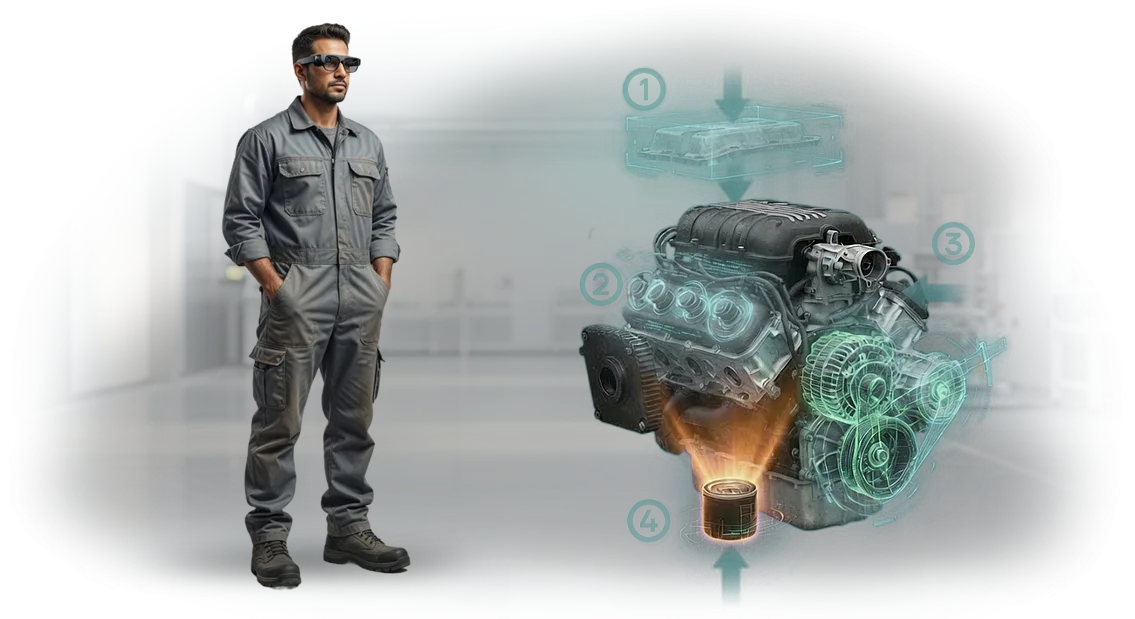
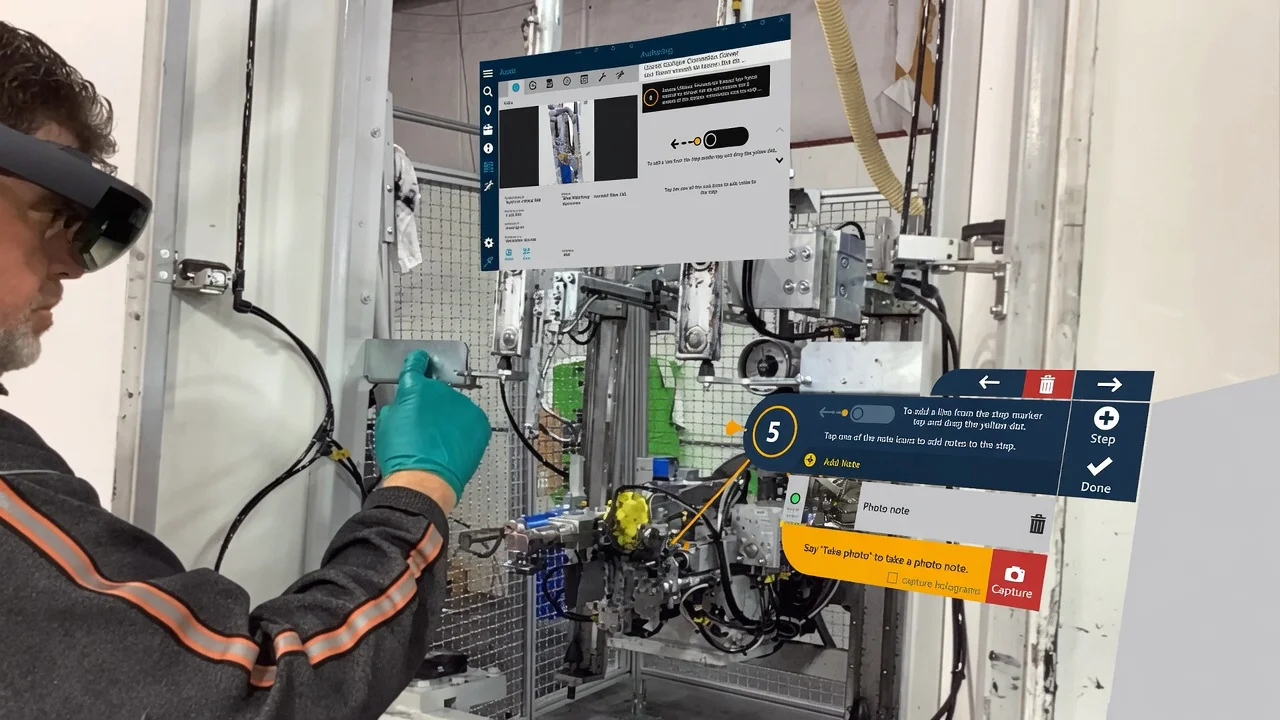
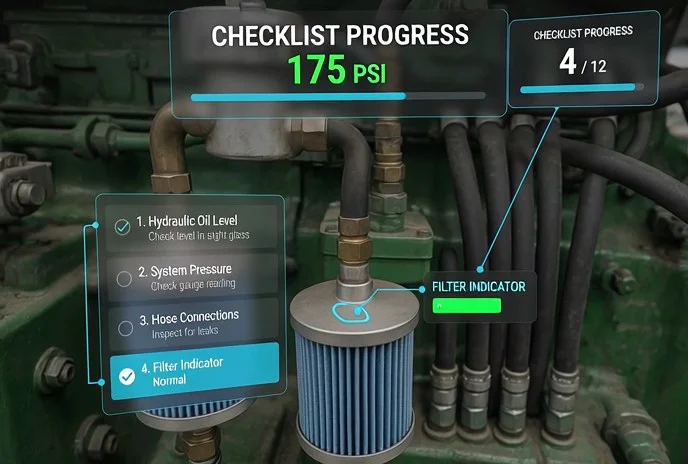
AR instructions remove this uncertainty. The technician points a tablet or puts on glasses and sees prompts right on the equipment: which unit to remove, in what order to unscrew the fasteners, where the sensor is, and which parameters to check. The steps load automatically — no searching through manuals, no relying on memory.
The owner of a service company gets fewer repeat visits, fewer damaged parts, and predictable repair timelines. The clinic gets its equipment back into service faster and the confidence that every intervention follows a proven scenario. Medical equipment maintenance no longer depends on luck or the "human factor."
We have already applied this approach to repairing diagnostic equipment and saw how downtime shrinks. Our goal is to make urgent medical equipment repair a no-room-for-error process — and ensure your clients don't wait extra hours. Tell us about your equipment — we'll show you how it works on it.
How AR Instructions Speed Up Maintenance and Reduce Downtime
Every hour of medical equipment downtime means rescheduled patient appointments, increased workload for staff, and lost revenue for the clinic.
When a service engineer wastes time searching for the right page in a paper manual or calling in a specialist from another city, the problem only gets worse.
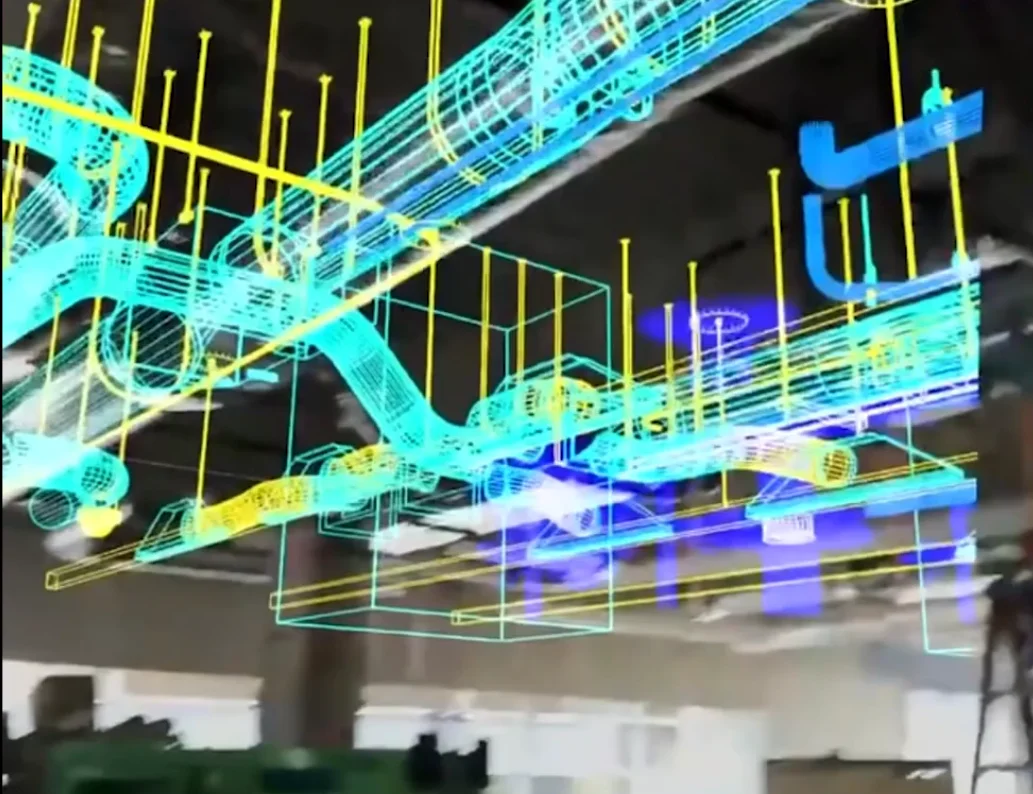
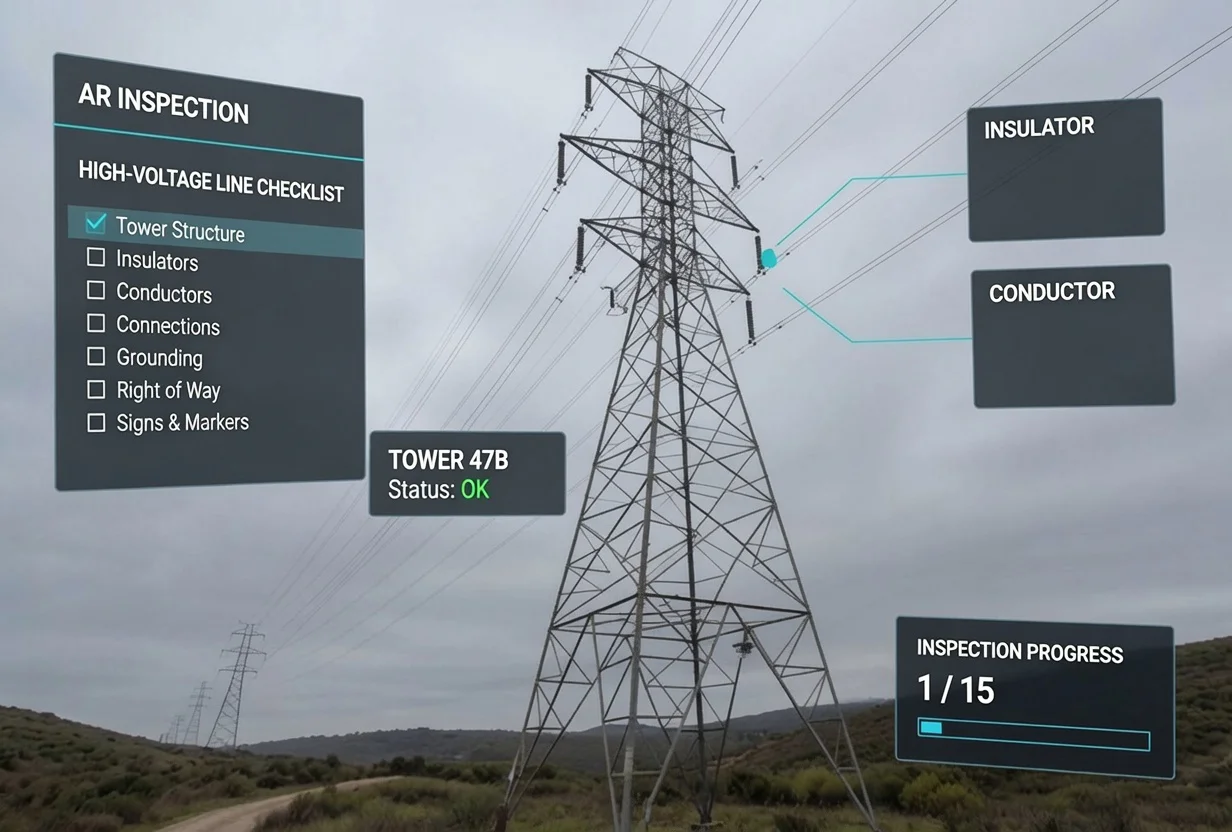
AR instructions solve this: they overlay step-by-step prompts directly onto the equipment, so repairs are completed faster on the first attempt.
Repair speed increases severalfold. Instead of cross-checking dozens of diagrams and tables, the technician sees precise guidance right before their eyes: which unit to remove, in what order to loosen the fasteners, where to press.
This is especially important for consumable replacement and diagnostics — routine operations take minutes, not hours.
The precision of the instructions eliminates mistakes. AR scenarios are built on official manufacturer documentation and tested on real equipment, so every step matches the design of the specific model.
The technician follows the prompts and doesn't skip critically important steps — the risk of damaging expensive components goes down.
Staff training stops being a problem. Instead of long courses and a mentor, a new employee gets an AR instruction and starts practicing right away. Studies show that augmented reality training cuts specialist preparation time by two to three times. The clinic brings new staff up to speed faster and is less dependent on experienced personnel.
We have been developing AR solutions for industry and medicine for over 10 years. Our experience shows that after implementing such instructions, average maintenance time drops by 30–40%, and the number of repeat engineer visits falls. These are measurable metrics that directly affect the clinic's budget.
AR Instruction Formats for Your Clinic's Tasks
Every clinic has its own scenarios for working with medical equipment: one machine requires scheduled maintenance per regulations, another needs emergency repair after a failure, and a third calls for training new staff.
A universal paper manual doesn't cover these tasks: it's hard to quickly find the right component, and it doesn't explain the sequence of actions to a beginner without experience.
That's why we developed three AR instruction formats — they differ in level of detail, speed of information delivery, and control system. We select the right format for a clinic's specific scenario or combine them.
Below is a quick guide: which format solves which task.
| Format | Who it's for | What it gives the clinic |
|---|---|---|
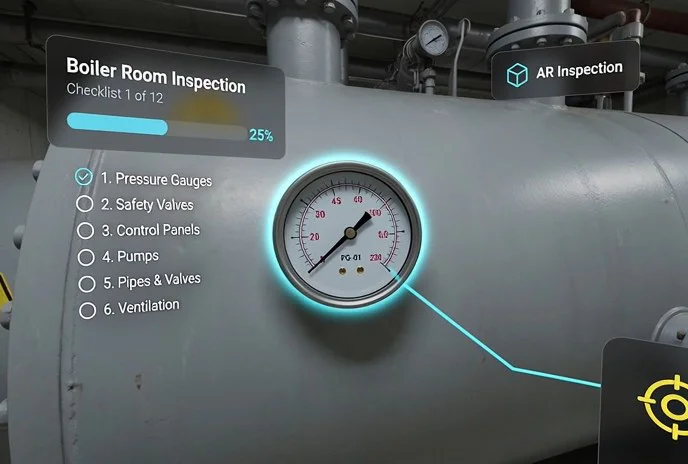
| Scheduled maintenance | Engineers and technicians performing routine work | Step-by-step control of operations, fewer errors, automatic checklist for reporting |
| Emergency repair | On-call specialists when equipment fails | Instant prompt for the needed component, shorter downtime, safe fault resolution |
| Staff training | New employees, residents, students | Fast entry into practice, a unified procedure standard, less burden on mentors |
The scheduled format is suitable when precision and confirmation of every step matter — for example, for servicing MRI machines, ultrasound systems, or laboratory analyzers. Emergency mode works best in situations where every minute of downtime affects patient intake.
The training scenario is indispensable during staff turnover and team expansion — new employees start working independently more quickly.
If you're not sure which format to choose, start with a consultation. We'll review your regulations, show how AR instructions will fit into the clinic's processes, and propose the optimal solution.
Development Stages: From Brief to Ready-Made Instruction
The AR instruction development process for medical equipment is divided into stages so you can control the result and the timeline. No "black box": you see intermediate versions, make edits, and know exactly when the project will be ready to launch.
- Brief and equipment audit — we meet, record the objectives, study the regulations and the specifics of your model. The output: a technical specification and a work plan with dates.
- Scenario design — we break the operation into clear steps and determine where AR helps and where plain text is enough. You receive a prototype of the future instruction.
- Review and revisions — we show the scenario to your engineers and technical specialists and incorporate their feedback. Two to three iterations are included in the cost.
- Content development — we create 3D models, animations, and text prompts. Everything is assembled into a single application that works on tablets and smartphones.
- Testing on a real task — we test the instruction with your maintenance specialists. We measure the time needed to complete the operation and the accuracy of actions.
- Launch and support — we install the application, train employees, and hand over all materials. After launch, we stay in touch and update instructions if regulations change.
An average project from brief to launch takes 3–4 weeks — faster than publishing a paper regulation. At each stage, you receive a concrete artifact: a document, a prototype, or a working version. This way, you make decisions on time and don't drag the project out.
All accumulated material stays with you and can be used for training new employees and quality control.
What's Included in Delivery: A Kit for Your Technical Department
When implementing AR instructions for medical equipment, the technical department often faces the same problem: complex machines, tight maintenance deadlines, and paper manuals that offer no visual guidance.
To make sure the system works from day one instead of stalling at the pilot stage, we deliver it as a complete kit. It includes everything your operations service needs — from the scenarios themselves to training and technical support.
The full delivery scope:
- AR instructions based on your regulations — step-by-step scenarios for diagnostics, scheduled maintenance, and typical faults. The technician sees highlighted components and the sequence of actions right on the equipment, which reduces the risk of errors and speeds up the work.
- Access to the management platform — you edit instructions on your own, add new regulations, and control which versions are used at each site. This replaces paper folders and eliminates confusion between old and new documents.
- Guide for technical staff — a short manual for working with the AR interface: how to launch the desired scenario, switch between tasks, and what to do in case of a failure. Written in plain language, without unnecessary complexity — an employee masters it in a day.
- Team training — we conduct an in-person or remote training session lasting 2–3 hours. We practice real situations on your equipment so technicians confidently use the instructions from day one instead of learning by trial and error.
- Technical support at launch and beyond — a dedicated communication channel with our specialists. We respond within one business day, help configure scenarios, and refine content based on your feedback. You're never left alone with the tool.
- Instruction updates — when regulations change, new equipment is added, or procedures are modified, we update the content within agreed timeframes. The technical department always works with current data, with no risk of outdated instructions.
This kit covers all aspects of AR implementation: technical, organizational, and educational. Your technical department gets a ready-made tool, trained specialists, and a clear support system — no unfinished tasks and no vague responsibilities.
Case Study: A Clinic Network Cut Repair Time by 40%
Diagnostic equipment downtime means lost patients and extra strain on neighboring machines. When an MRI scanner breaks down, every hour of downtime translates into lost revenue and disrupted imaging schedules.
Clinic networks often can't quickly find the right specialist, and existing instructions are written in such a way that even an experienced engineer has to hunt for the fault manually.
We solved this problem for a network of medical centers, which services five branches and regularly repairs MRI scanners, ultrasound systems, and X-ray machines.
Together with the technical department, we digitized typical repair scenarios and built AR instructions: the engineer points a tablet at the machine, and prompts appear on the screen — which component to check, how to disassemble the block, and in what order to perform calibration. No paper manuals, no calls to more experienced colleagues.
What changed in the tech service's work
The average time to resolve a fault on an MRI scanner dropped by 40%. Where a typical component replacement used to take about eight hours, it now takes five. Equipment returns to service faster, which means more patients and a steadily loaded diagnostic department.
New employees benefit too: they no longer need weeks to learn the machines' construction — just open the AR instruction and follow the steps.
Repeat order as a sign of success
The clinic network didn't stop at one machine — we expanded the project to tomographs and other equipment. The client notes that AR instructions have become a mandatory part of their maintenance regulations.
For us, that's proof that the result is measured not by the number of markers, but by the time we save the client.
How to Choose the Right Instruction Format for Your Medical Equipment?
There is no universal answer to which format suits your medical equipment. What works well for a complex diagnostic system will be excessive for a simple infusion pump.
So the choice starts not with a ready-made picture, but with an analysis of your staff's tasks and the specifics of the particular model.
The key criteria that determine the format choice are the complexity of the equipment, the frequency of operations, and the skill level of the staff. For rare scheduled work, step-by-step prompts on a tablet are enough.
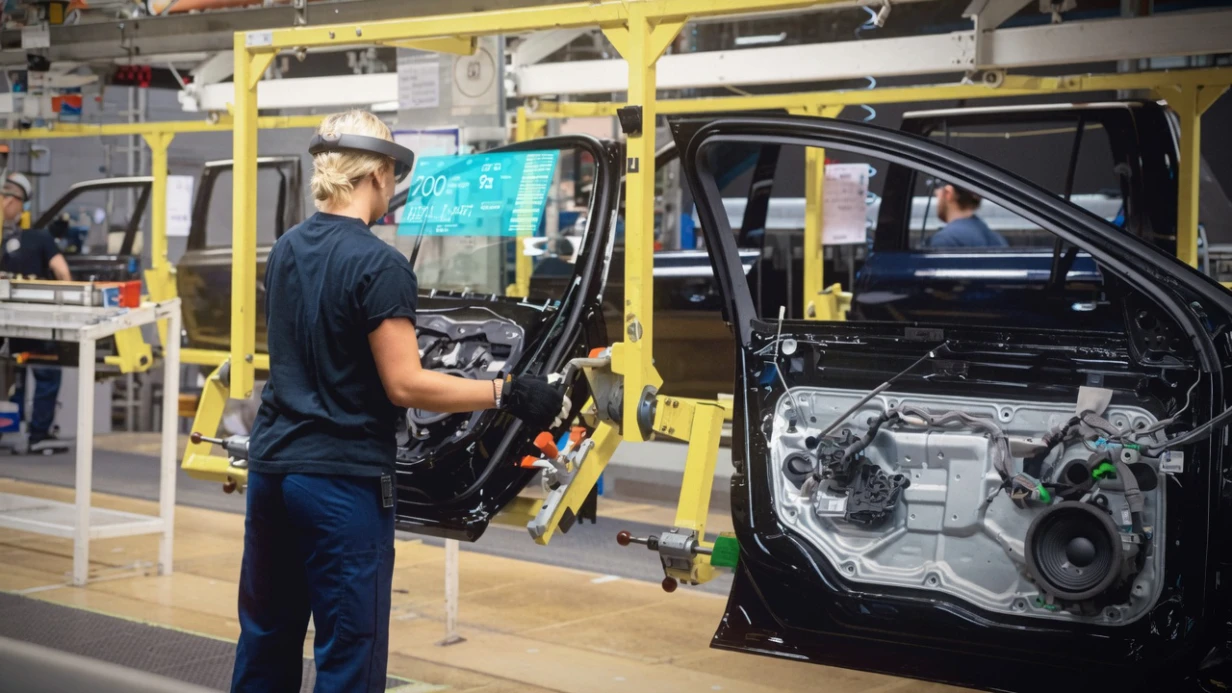
For daily procedures in stressful situations, hands-free, stationary prompts that are always in sight work better.
We don't impose a ready-made template — we match the format to your medical equipment model. During the consultation, we look at where mistakes happen most often, how the workspace is organized, and which maintenance scenario your staff actually uses.
After the audit, we propose a concrete solution: compact instructions for mobile devices or large visual prompts embedded in the workflow.
The key is that the chosen format pays off — saving time on training, reducing the number of incorrect actions, and speeding up the path for new hires to independent work.
A properly chosen format isn't just convenience — it's consistent service quality and lower risk. If you're unsure which option is right for you, send us the model name and describe your task. We'll determine the optimal solution for your medical equipment in a short consultation.
Frequently Asked Questions About Implementing AR Instructions
Implementing AR instructions usually raises questions — that's normal when it comes to a business-critical process. We address the four main concerns: complexity of rollout, the risk of errors in content, cost, and compatibility with current systems.
How difficult is it to implement AR instructions into daily work?
Implementation is phased: we analyze your regulations, prepare a prototype on a single component, and only after your approval expand to the rest of the equipment. Staff training takes one day, and your regular work doesn't stop. You get instructions that open from a tablet or smartphone — no process restructuring needed.
What if there's an error in the AR instruction?
We build every instruction on the basis of your technical documentation and verify it on real equipment together with your specialists. After launch, you submit corrections through a simple form — we make the changes and update the content within a few days.
The storage architecture is designed so that an update doesn't require reinstalling the application on employees' devices.
Is it expensive — and is it economically justified?
The development cost is lower than it seems when weighed against the losses from downtime and staff errors. A single mishandled operation on an expensive component outweighs the investment in an AR instruction.
Clients recoup the project after the first two or three uses thanks to reduced maintenance time and fewer defects. We always calculate the economic effect before starting the work.
Are AR instructions compatible with our equipment and IT systems?
Yes. We make the instructions universal: they work on employees' tablets and smartphones without requiring a device fleet replacement. The content can be embedded into your internal knowledge base via a link or QR code.
Integration with accounting systems only requires a standard API — this is handled at the pilot stage without major modifications.
Discuss Your Task — Get a Quote and Demo
Discussing your task and understanding how AR instructions can help your medical staff is the first step toward reducing equipment downtime and cutting the number of maintenance errors.
Leave a request — we'll get in touch, clarify the details, calculate the cost, and show you a demo on a case close to your reality.
What you'll get right after the call:
- Project estimate: scope of work, timeline, and development cost for AR instructions tailored to your medical equipment models.
- Demo materials: examples of instructions already used by clinics and service companies, with an explanation of how they work.
- Answers to your questions: whether animation, voice guidance, or integration with your accounting system can be added.
- Implementation plan: which components and processes to digitize first for a quick effect.
- Equipment recommendations: which tablets or augmented reality glasses will suit your environment.
- Clarity on next steps: what's needed from you, when we start, and what the result will look like in a month.
We work with medical equipment manufacturers and service operators, so we speak the same language as your engineers and technologists.
Leave a request — at the very first meeting, you'll understand how AR instructions fit into your processes and how much time they'll save your staff.