

Why Server Hardware Maintenance Turns into a Headache
Server hardware maintenance is a critical task that affects the entire infrastructure. Any mistake during diagnostics or component replacement can lead to server downtime, halted business processes, and data loss.
At the same time, the process itself often becomes a challenge: documentation is scattered, instructions are complicated, and experienced specialists are not always available.
Without clear step-by-step guides, employees have to rely on memory or search for information in scattered files. This slows down server maintenance, increases the risk of incorrect actions, and leads to unplanned equipment downtime. Every hour of downtime means lost revenue, missed deadlines, and dissatisfied clients.
Traditional formats — paper regulations, PDF instructions, or training courses — do not solve the problem. They either become outdated, are too cumbersome, or require time to study that simply is not available during an emergency.
As a result, server hardware maintenance becomes a headache: operations drag on, the load on the IT department grows, and the risk of error remains high even for experienced specialists.
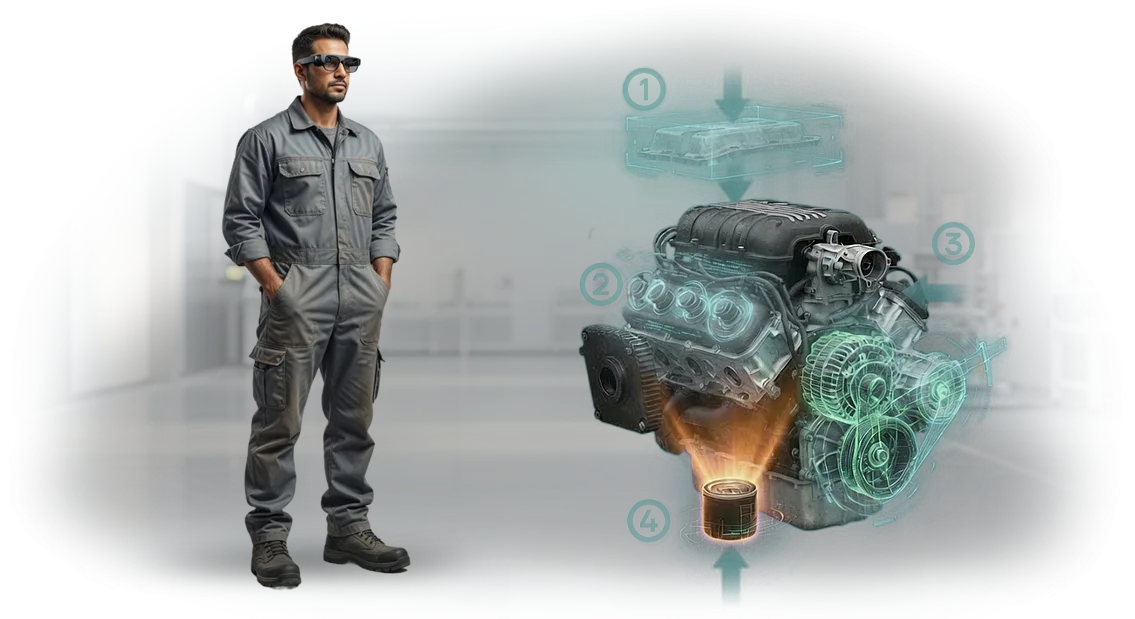
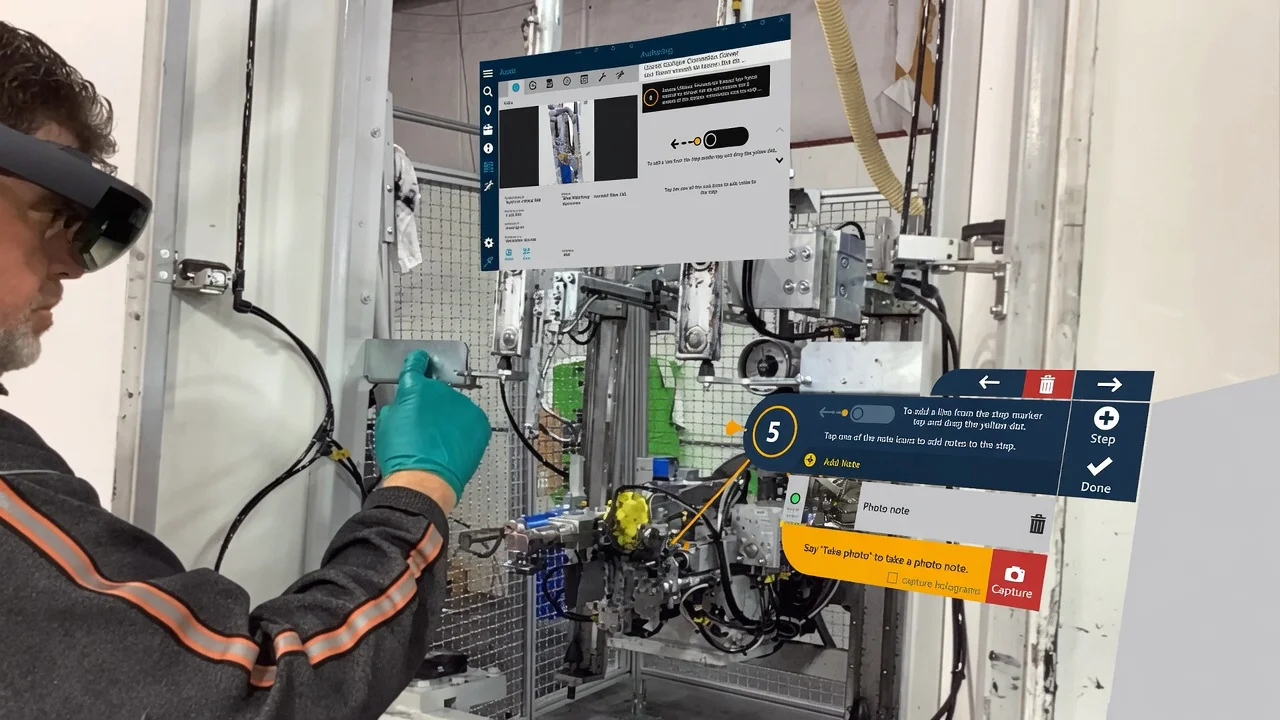
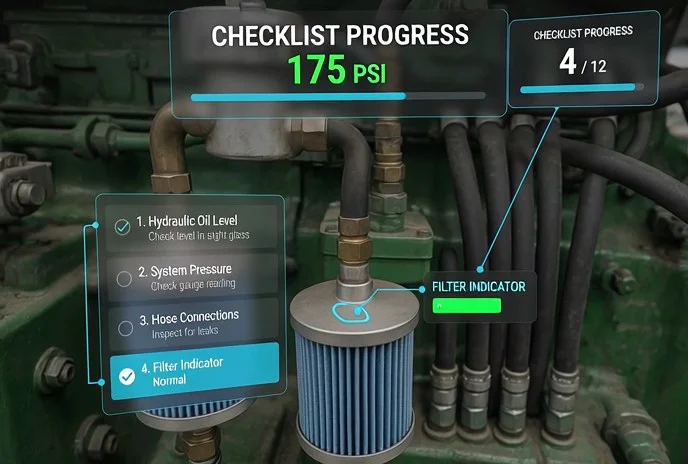
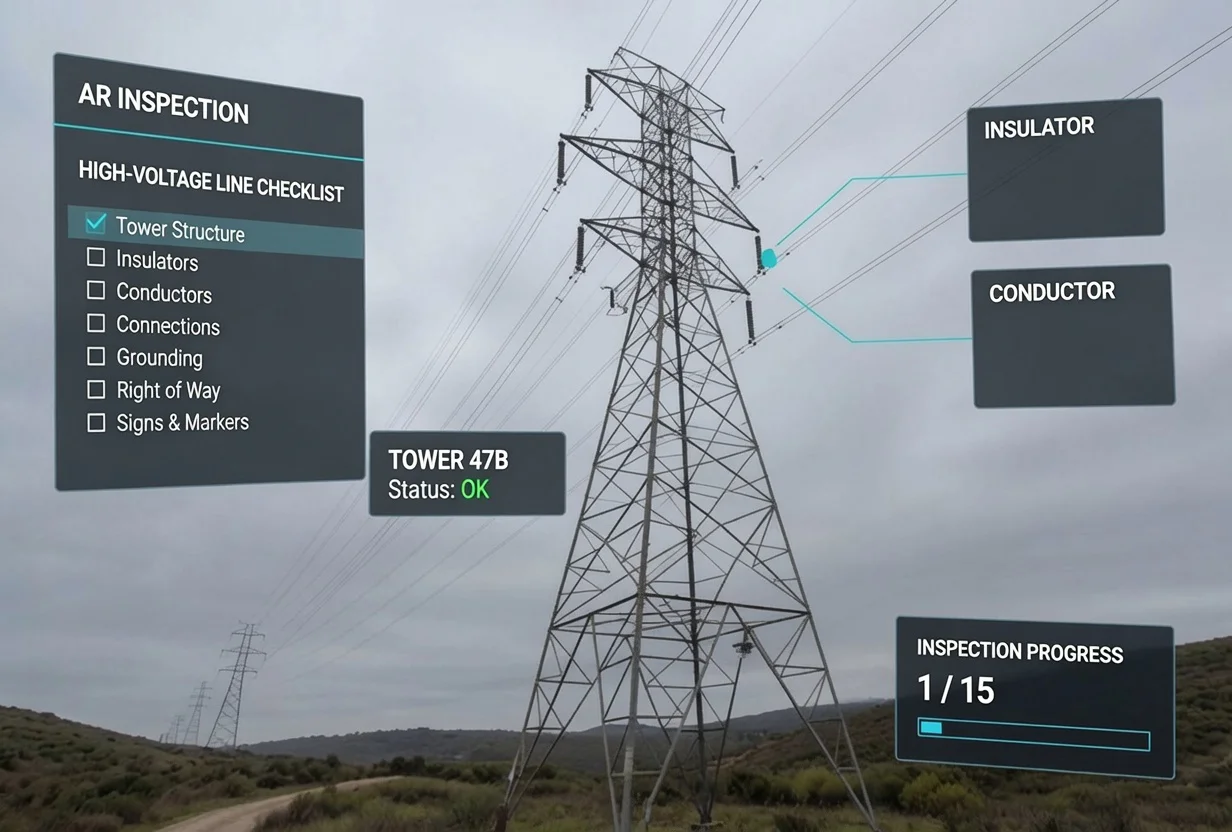
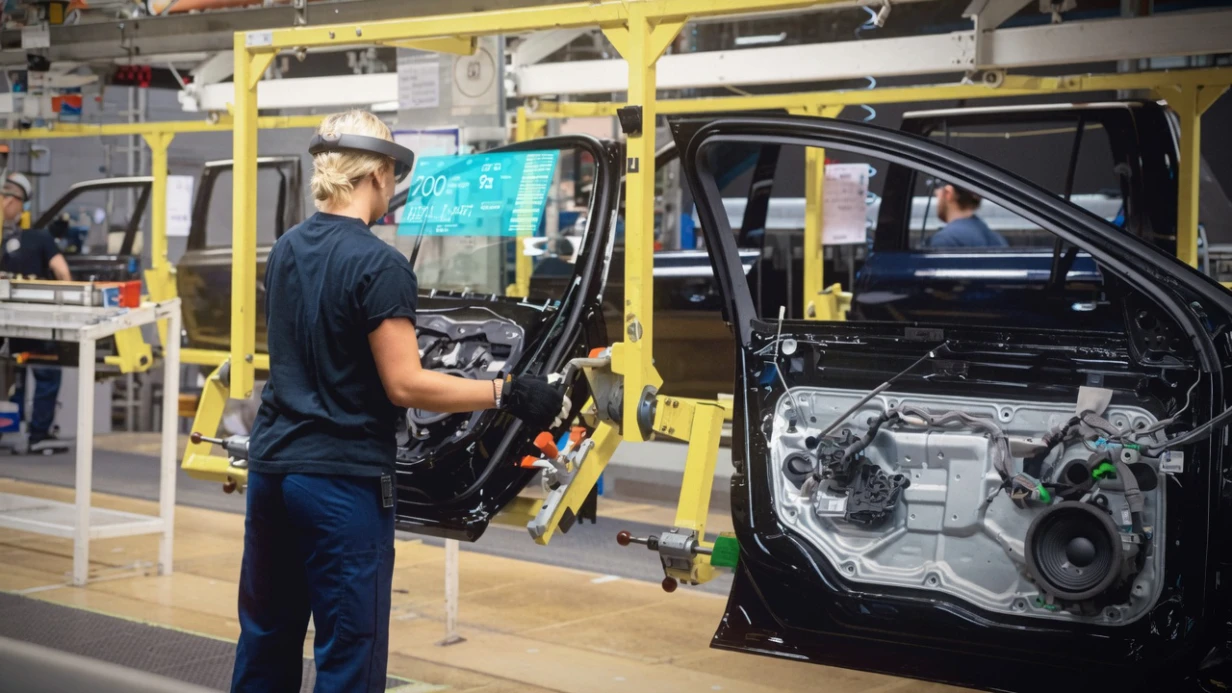
We address this challenge with AR instructions — interactive step-by-step prompts that are overlaid directly onto the real equipment. The employee sees where to press, what to unscrew, and in what order to perform the operation — and does everything right the first time.
This reduces server maintenance time, lowers the number of errors, and helps avoid equipment downtime.
What You Get from AR Instructions for Employees
The team at our team develops AR instructions for industrial enterprises where every hour of equipment downtime costs a lot. Instead of thick manuals, the employee receives a step-by-step prompt right on the screen — in a projection onto the real server. This speeds up training, reduces errors, and provides transparent process control.
Training Speed
A new employee sees how to perform an operation without reading documents or memorizing nuances. The average time to reach independent work is reduced by 2–3 times: there is no need to wait until a mentor becomes available.
The AR instruction shows the next step at the right moment, rather than the entire long algorithm at once.
Error Reduction
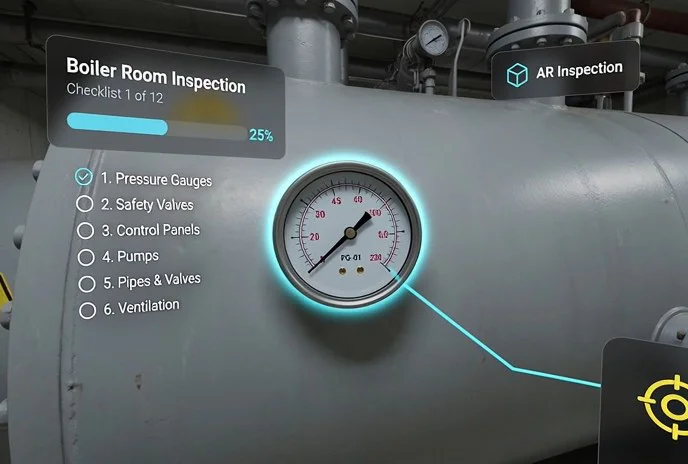
People make mistakes when they are distracted or unsure about the sequence of actions. AR instructions prevent mixing up the order: the system highlights the necessary connectors, buttons, and parameters right on the equipment. Errors stop turning into emergency shutdowns and repeat repairs.
Process Control
You see exactly what the specialist is doing and at which stage. Every action is recorded, so it is easy to generate a report and determine where the employee needs additional practice. For operations engineers, this is transparency; for managers, it is reduced risk.
Savings on Repairs
Fewer errors mean fewer accidents and urgent repairs. That is why AR instructions pay for themselves after just the first couple of incidents that were avoided.
At the same time, you cut travel costs for experts: a technician on site resolves issues with remote support via video link in AR.
| Usage format | When it helps | What the client gets |
|---|---|---|
| Training newcomers | The first months on the job | Reaching full capacity 2–3 times faster |
| Supporting rare operations | Scheduled maintenance and complex replacements | Fewer errors without losing time |
| Remote support | Urgent non-standard breakdowns | Savings on engineer visits |
Implementing AR instructions does not require restructuring your infrastructure. We adapt solutions to your regulations and equipment, and employees start using them after just a short training session.
AR Instruction Formats for Server Hardware
Server hardware does not forgive mistakes: even a short downtime is costly, and every minute of waiting means stopped business processes. For an employee to complete a procedure quickly and without errors, the instruction must be at hand and easy to understand. We offer three AR instruction formats — from stationary workstations to fully individual solutions.
The choice of format depends on where specialists work: in the server room, at a remote data center, or in the field. We use proven industrial platforms such as Dynamics 365 Guides and adapt them to your specifics — you get a stable result without a long setup.
Formats We Implement
| Format | For whom | What it gives the client |
|---|---|---|
| Stationary AR instructions | For work at server racks | Quick access to step-by-step diagrams, fewer errors, and less time spent searching for documentation |
| Mobile AR instructions | For field engineers with mobile devices | The procedure is always at hand: prompts overlaid on equipment, instant node verification |
| Turnkey format | For companies that need a ready-made solution | Ready scenarios, integration with the knowledge base, and training — we handle all stages ourselves |
In any format, the employee sees a step-by-step prompt directly on the equipment, and the system records completion. This reduces maintenance time and lowers the risk of errors — and therefore protects the budget from unplanned downtime.
Project Stages: From Brief to Launch
Work on an AR instruction is a clear process with checkpoints at every step. We accompany the client from brief to launch, so you always know the project status and what comes next.
-
Brief and equipment audit. We study the technical documentation and maintenance procedures for server hardware. We identify operations where AR prompts will deliver the greatest effect and reduce employee time.
-
Scenario development and project approval. We prepare a list of steps, prompt logic, and texts. You approve the document, and we make edits until it fully matches your internal regulations.
-
Content preparation. We create visual representations of the equipment, node animations, and a prompt overlay scheme. At this stage, you see interim materials and adjust details.
-
Prototype assembly. We build a working version of the instruction for a tablet or smartphone. We verify equipment recognition and the usability of stepping through the process.
-
Testing and final edits. We run through the instruction in real conditions — at your site or remotely. We make final adjustments to the interface and wording.
-
Launch and handover. We publish the finished solution, train your team, and hand over the materials. We support the project: we update content when regulations change.
The implementation process is designed so that you control the result at every stage. Approval takes a minimum of time: we define readiness criteria in advance and show intermediate versions before launch.
What Is Included in the Delivery Package
After the project is completed, you receive not just files but a fully working tool integrated into the processes of your service department. Below is the delivery scope, so you know exactly what will be handed over and how it will affect the speed of equipment maintenance.
- A set of AR instructions for all key operations. These are step-by-step scenarios for typical procedures: module replacement, diagnostics, configuration, and troubleshooting. The technician sees directly on the screen where to look and what to do — errors and downtime are reduced.
- Digital copies on a server platform with access control. All instructions are stored with you; you can update them, add new nodes, and link them to specific equipment serial numbers. No dependence on third-party clouds.
- An administrative panel for content management. Your engineer or methodologist can edit instructions, change the order of steps, and add videos and photos — without needing to contact developers.
- Staff training. We conduct a workshop for technicians and service managers: how to use the interface, work with tablets or AR glasses, and read analytics. After training, employees use the system independently in their daily work.
- An operations and implementation manual. The documentation describes the installation, configuration, update, and support procedures. This is your internal standard that can be easily passed on to new employees.
- Technical support during the pilot phase. During the pilot launch, we stay in touch — we quickly answer questions and help adapt the instructions to your real conditions.
Importantly, you receive not a “raw” product but a solution that works immediately in your service practice. Each delivery item addresses a specific task — from reducing the number of errors to independence from external contractors.
Case Study: How We Cut Downtime by 40%
We worked with the server hardware manufacturer PromServer: the company produces racks and power supplies for data centers. The problem was typical — maintaining complex components took a long time, experienced engineers left, and newcomers took weeks to learn.
Replacing a power supply took 50 minutes on average, and every fifth installation had to be redone due to an error.
Instead of paper manuals and PDFs, we proposed an AR instruction that highlights the required compartment and shows the sequence of actions directly on the equipment. We conducted the testing on the line of power supplies with the highest replacement rate. A month later, the client received a measurable result.
Implementation Results
Power supply replacement time was reduced from 50 to 30 minutes — line downtime fell by 40%. Installation errors almost disappeared: instead of every fifth operation being redone, only one in fifty was.
This is critical for server hardware, where an incorrect connection can render a component inoperable.
The training results were particularly pleasing. A newcomer who previously took two to three weeks to reach the standard managed it in two days — the instruction itself guides them step by step and prevents them from missing important actions.
The client appreciated the effect and, six months later, ordered AR instructions for the entire equipment line.
We measured all metrics before and after implementation, so the figures are confirmed by the company’s internal records.
The same approach is now used at other client sites, and every new project begins with measurements of current processes — to immediately demonstrate real savings.
How to Choose the Right AR Instruction Format for Your Task?
Choosing an AR instruction format starts not with technology but with a specific operational task. Think about what your specialists need: quick access to the sequence of actions when replacing a component, compliance control, or clear training for new employees.
The answer to this question determines which format becomes a working tool rather than just a demonstration effect.
For rapid diagnostics of server hardware, AR scenarios with highlighting of the required component and short step-by-step prompts are effective.
If the goal is to reduce the number of errors in a complex procedure, choose a step-by-step instruction with verification of each action and recording of the result. For training, it is better to use an interactive mode with theory and a practical task directly on the equipment.
When selecting a format, we take into account the requirements for the instruction: clarity without reading long texts, safety of execution, compatibility with the tablets and protective glasses used on site.
It is important that the instruction can be quickly updated when the equipment model or procedure changes; otherwise, it will quickly become obsolete and stop being used.
Choosing the right AR format is a balance between detail and speed of perception. We analyze your employees’ workflows, test the format on real operations, and propose a solution that staff accept without additional training.
As a result, you get an instruction embedded into the existing maintenance process, not a beautiful prototype that no one uses.
Answers to Frequently Asked Questions About Implementation
Before ordering AR instructions, most clients have similar concerns: will implementation take too much time, will employees cope, and what happens after launch. We have collected answers to the most common questions — without technical details, only what matters for your work.
Isn’t this too complicated for our employees?
The instructions work on a tablet or smartphone, and the interface is familiar to everyone. Training takes a couple of hours, and then the team works independently — without constant support.
What if the equipment is old — can instructions be made for it?
We create instructions for specific models, even if the equipment is many years old. Specialists use your documentation and filming, so the result fits your particular equipment fleet.
Who will update the instructions after launch?
You can make changes yourself through a simple editor — without programmers. Or you can order updates from us: support does not end on the project handover date; we remain in touch.
How quickly will we see results?
The first results are noticeable within the first month: less downtime, faster training for newcomers, and fewer repair errors. The effect accumulates rather than requiring a long ramp-up.
What if we don’t have our own IT department?
We take care of implementation, including setup and integration. You don’t need to look for additional specialists — just show us the equipment and answer a couple of questions.
Ready to Get Turnkey AR Instructions?
Are you ready to order AR instructions for server hardware? Leave a request — we will prepare a proposal for your task within one business day. You can get a consultation by phone or messenger, without prepayments or formalities.
We take on the project turnkey: from analyzing maintenance processes to launching AR instructions into your engineers’ daily work. You won’t have to dig into technical details — you get ready-made visual guides that reduce training time and lower the number of personnel errors.
What is included in the order:
- Audit of maintenance processes and identification of areas where AR instructions deliver fast, measurable results.
- Development of scenarios and prototypes — you approve them before production begins.
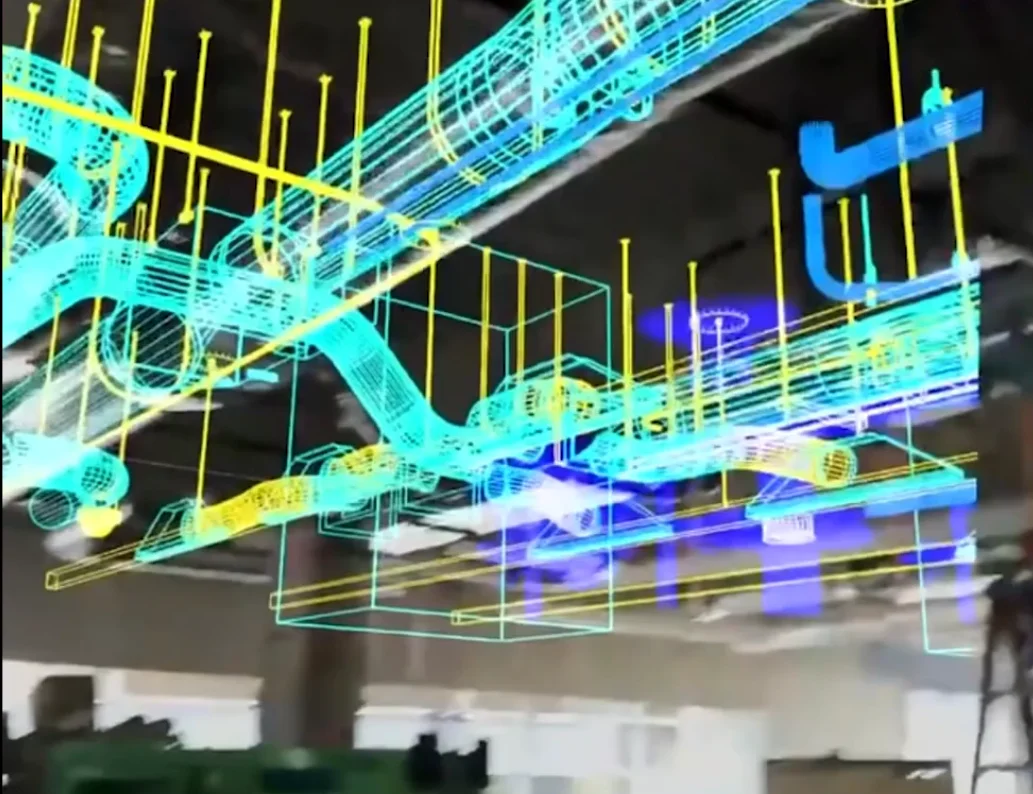
- Creation of clear 3D models and step-by-step prompts directly on your equipment.
- Integration with your training system or launch through a simple application for tablets and smartphones.
- Employee training on using AR instructions and handover of all materials to your team.
- Post-launch support and timely content updates when regulations change.
Your manager controls every item: you see interim results and understand when the project will be ready. Launching AR instructions takes from two weeks to a couple of months, depending on the number of equipment models and the complexity of the scenarios.
Leave a request on this page — we will tell you how quickly the project will pay for itself through faster maintenance, show examples for your industry, and answer your questions. You can get a consultation today — we will start with a short conversation about your task.