

Why AR Instructions Are Essential for Data Storage Systems
Modern data storage systems are the heart of any company's IT infrastructure. Business processes, service availability, and client trust all depend on their stable operation.
When equipment fails, every minute of downtime translates into losses, and bringing the system back online drags on due to the complexity of diagnostics and repair.
The problem is that maintaining such systems requires rare expertise and deep knowledge of a specific model. An engineer has to quickly navigate dozens of components, find the cause of a failure, and perform repairs without mistakes.
In practice, even experienced specialists spend a significant portion of their time studying documentation rather than actually fixing the problem. A diagnostic error can damage expensive components and lead to even longer downtime.
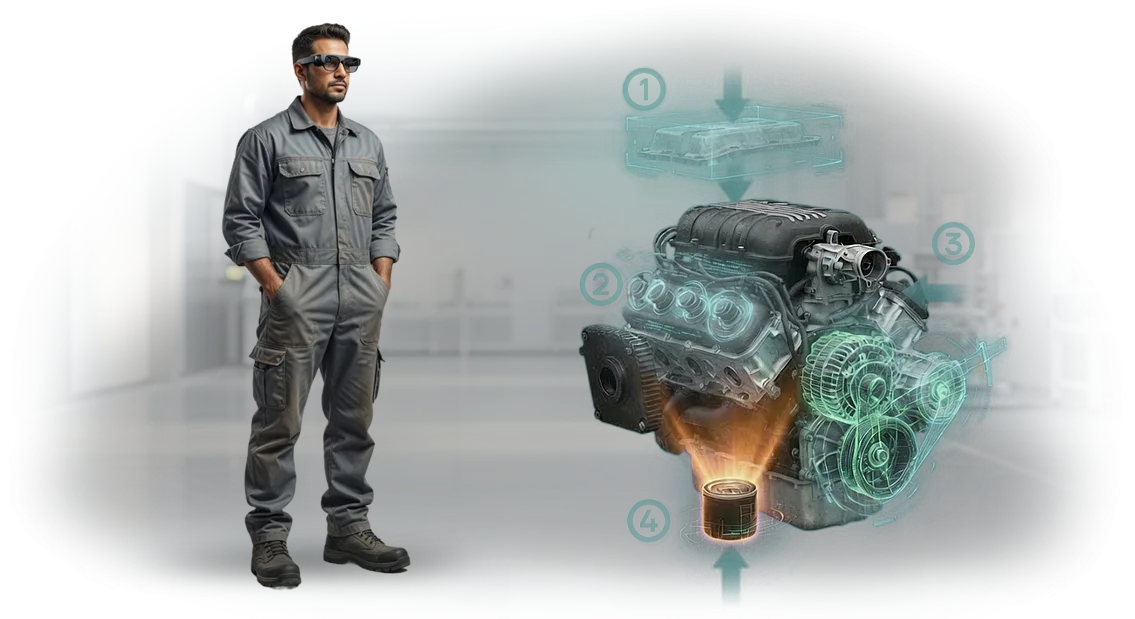
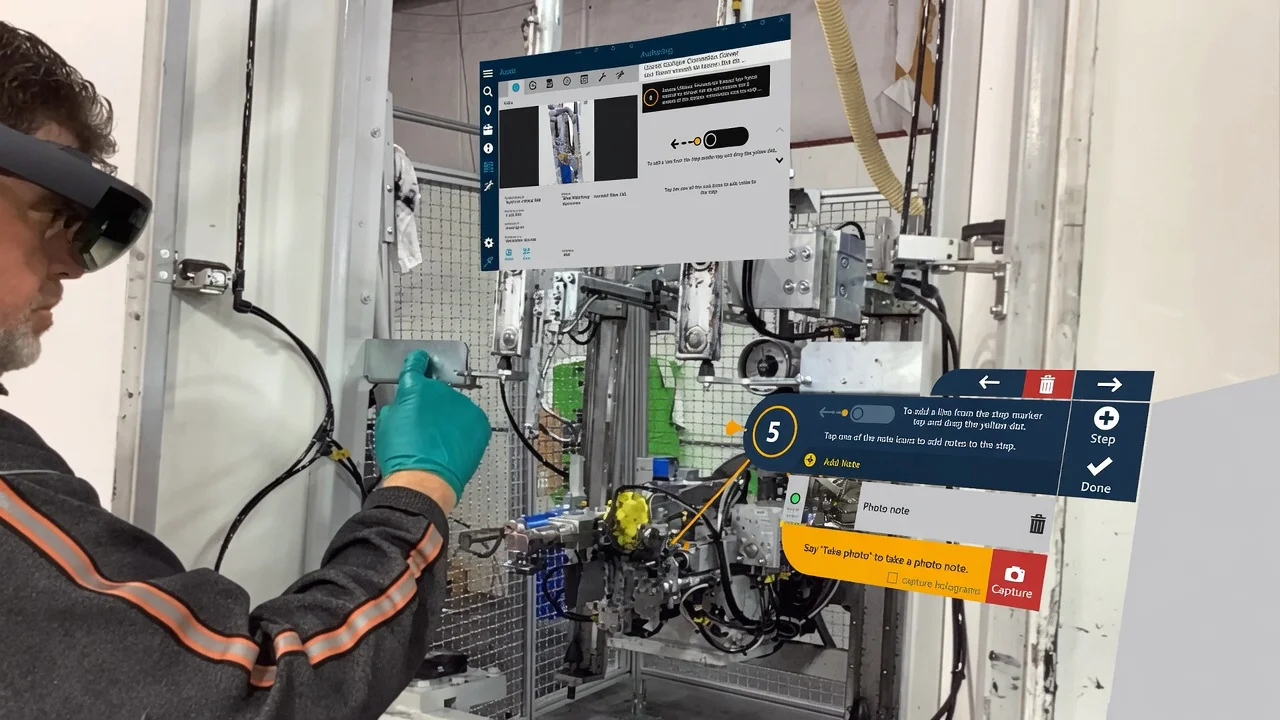
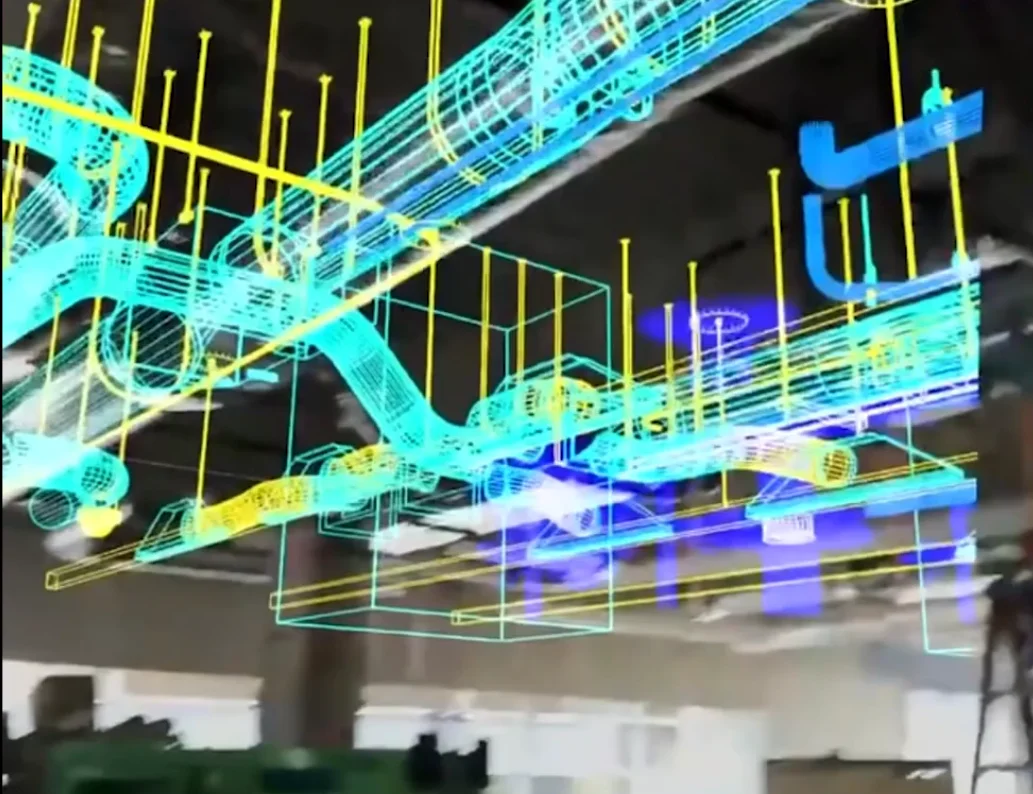
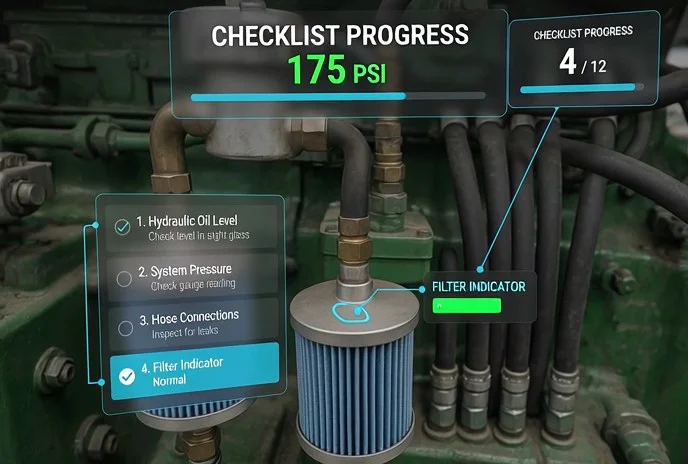
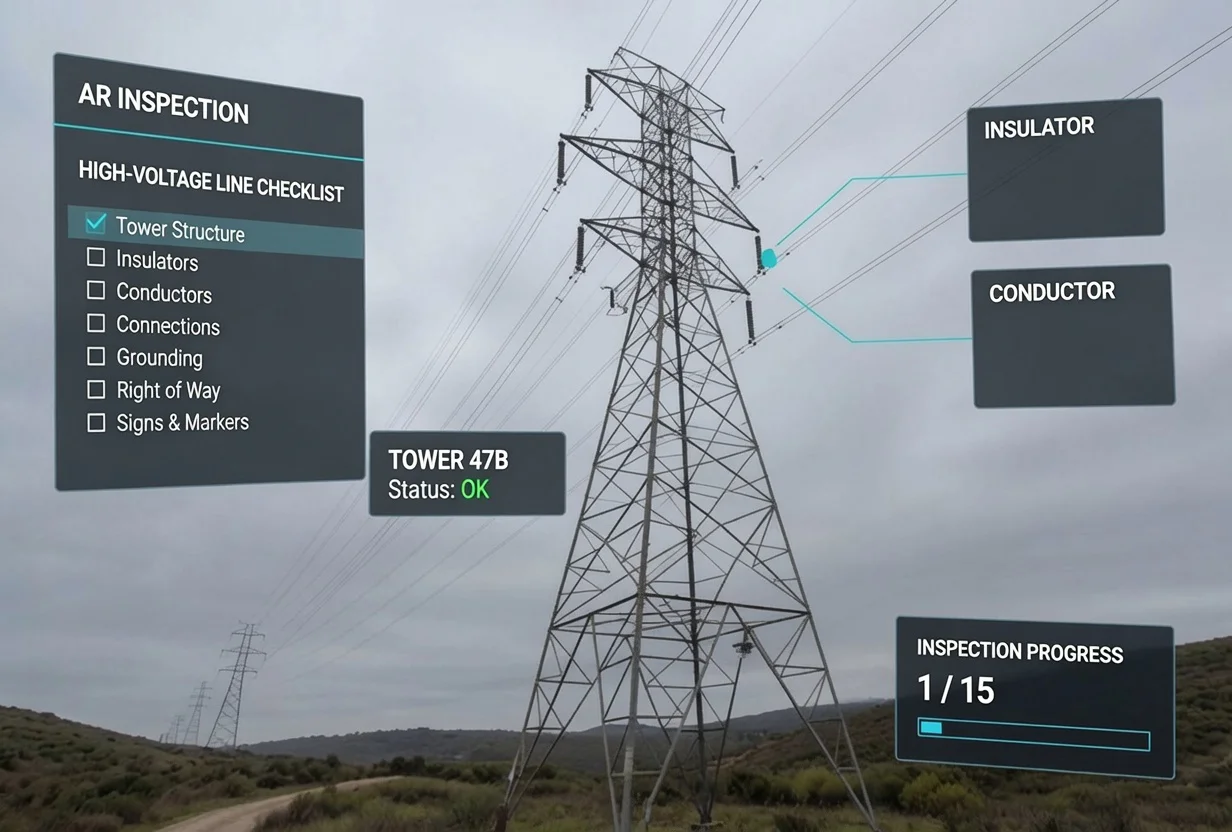
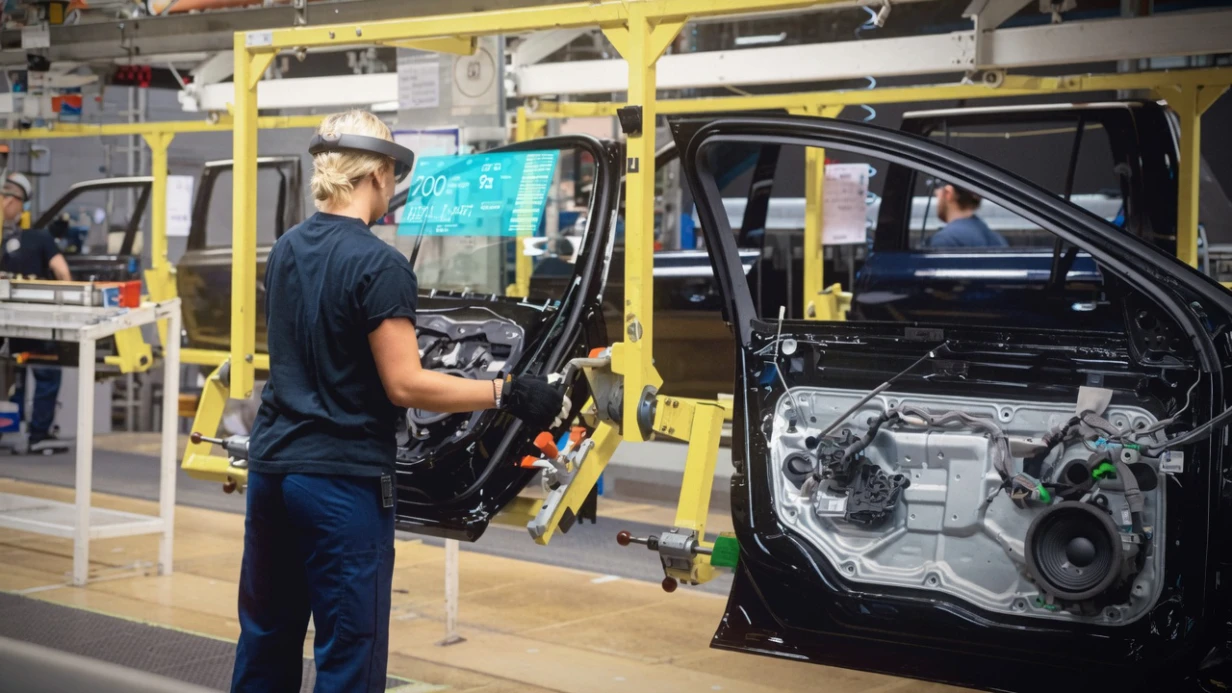
AR instructions change this process. Instead of reading manuals, a specialist sees step-by-step prompts directly on the equipment: which component to open, in what order to act, what to pay attention to.
This is not just a digital cheat sheet, but a control system that reduces the impact of the human factor and cuts repair time dramatically.
With AR instructions, maintenance of data storage systems becomes predictable. The company brings equipment back online faster, becomes less dependent on individual experts, and can plan preventive maintenance schedules with greater confidence.
We develop such solutions for specific equipment models and your team's tasks, so each repair is performed accurately, safely, and with minimal downtime.
What AR Instructions Bring to Maintenance: Speed, Accuracy, Safety
When a technical service team works with data storage systems, the stakes are not just equipment operability but business continuity. Every minute of downtime translates into losses, and a technician's error can turn a local failure into a serious accident.
That's why technical specialists are increasingly replacing paper procedures and scattered PDF files with AR instructions — step-by-step prompts that appear right before their eyes.
The main benefit is maintenance speed. A specialist doesn't need to flip through documentation, search for the right section, or recall the sequence of operations: all data is displayed in their field of view.
This cuts diagnostics and repair time by 30-40%, which means less equipment downtime and faster system recovery. Fix the fault faster — you and your clients get back to business sooner.
The second value is repair accuracy. AR instructions clearly show which component to remove, in what order to perform operations, and how to verify the result.
A specialist acts on guesswork less often, has a lower risk of damaging neighboring components, and completes the job right the first time. Fewer repeat visits — lower service costs and greater client trust.
The third benefit is work safety. Working with data storage systems involves high voltage, sensitive electronics, and strict procedures.
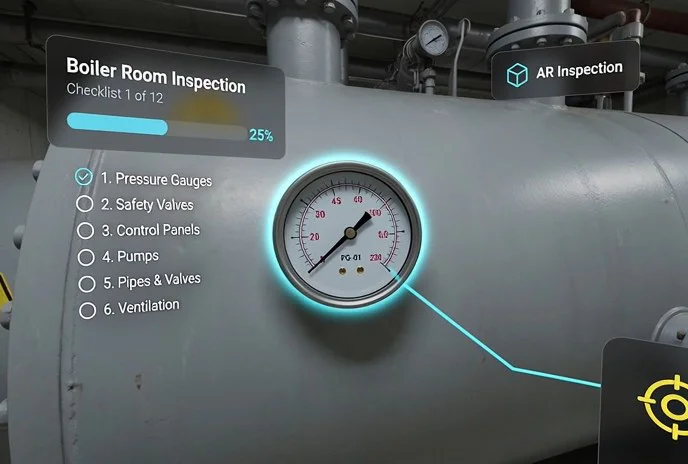
AR instructions themselves remind the specialist of safety precautions, warn about dangerous zones, and prevent critical steps from being skipped. This reduces the risk of injuries and damage to expensive equipment.
Finally, such instructions solve the problem of staff training. A newcomer no longer depends on a mentor: they see prompts in real time and become productive faster.
An experienced employee gets a unified operational standard that eliminates "personal methodologies" and makes the outcome predictable. All together, this means consistent service quality regardless of crew composition.
AR Instruction Formats: Choosing by Task and Equipment Type
Choosing an AR instruction format determines how quickly employees master working with a data storage system and how rare errors will be during maintenance.
Paper procedures and videos don't provide step-by-step anchoring to a specific component — a specialist spends time searching for information and interpreting it.
We match the medium to real operating conditions: where the employee works, what tasks they solve, and how critical response speed is.
Below are three main formats that cover typical data storage system maintenance scenarios. They differ in convenience, hands-free capability, and depth of immersion.
| AR Format | Who It's For | What It Gives the Client |
|---|---|---|
| Mobile devices (smartphones) | Engineers working in confined spaces or with small components | Quick access to instructions without additional equipment: point the camera at a marker — get a diagram and prompts right on top of the equipment |
| Tablets | Specialists in scheduled maintenance and diagnostics | Large diagrams and operation sequences in front of the eyes, convenient for multi-step procedures and working in pairs |
| Augmented reality glasses | Highly qualified personnel during complex repairs and adjustments | Full hands-free operation: all prompts, parameters, and warnings are in the field of view, error risk is minimal, and maintenance speed increases |
The format choice affects not only convenience but also training outcomes and safety. For example, a tablet is convenient for showing step-by-step disassembly diagrams, while glasses allow monitoring the sequence of actions and immediately warning about a missed step. The employee doesn't get distracted by a screen — all data is already overlaid on the real object.
We help select a format for your tasks and equipment type, and combine them when necessary: for example, a mobile app for initial training and glasses for work on complex components.
In the end, the client gets not just an AR instruction, but a tool that reduces onboarding time and lowers the number of errors in data storage system maintenance.
How We Implement AR Instructions at Data Storage Facilities
Implementing AR instructions at a site with data storage systems doesn't halt production or require complex process restructuring. We work in stages — from a brief to launch — so that in a few weeks, your employees get visual prompts. Below is a plan we adapt to each specific site.
-
Brief and task audit. We break down typical data storage system maintenance and repair operations and determine where AR instructions will bring the most value. We take into account staff skill levels and the specifics of your equipment.
-
Prototype. We prepare a step-by-step scenario for one or two key operations and show how it will look on a tablet or smartphone. We align the interface with your employees and make corrections before filming begins.
-
Filming and description. We capture real staff actions and turn them into visual scenarios: which parts are highlighted, where warnings are needed. We use professional equipment for precise anchoring to objects.
-
Development and integration. We build the AR instruction logic and link it to your ticket management system or electronic documentation. The prompts complement procedures rather than replace them, so employees adapt quickly.
-
On-site testing. We run a pilot with your specialists, collect feedback, and adjust scenarios before launch. We make sure the instructions work in real conditions.
-
Training and launch. We train the team to use the AR interface and prepare quick reference guides and videos. We roll it into regular operation, provide support during the warranty period, and respond quickly to questions.
This approach shortens onboarding time for new employees, reduces the number of errors, and keeps experience within the company. We already have successful implementations in the energy and logistics sectors — clients come back to us again and again.
What's Included in AR Instruction Delivery: A Kit for the Technical Service Team
We hand over the project as a complete package so the technical service team can start working with AR instructions right away, without needing us on a permanent basis. Everything you receive covers three tasks: operation, content updates, and quality control.
This is not a formal list, but a working tool: every item is clear and verifiable at the acceptance stage.
- AR instructions for data storage system maintenance — step-by-step scenarios for diagnostics, drive replacement, and fault resolution. Each step comes with visual prompts.
- An app for tablets and smartphones — staff works in the server room without being distracted by paper procedures.
- An administration panel — your employees update instructions, add steps, and change operation order themselves, without contacting developers.
- A documentation set — administrator guide, update procedure, operator quick reference, and acceptance checklist.
- Technical service training — several sessions, after which staff confidently maintain AR instructions without external support.
- Project source materials — files and work products stay with you; you are not locked into one contractor and can develop the system with any team.
- Warranty support — for an agreed period, we fix errors and provide consultations until the team is fully adapted.
As a result, you get not scattered materials, but a manageable loop: content lives and evolves through your own team's efforts. Get in touch with us — we'll send a detailed acceptance list and answer any questions about the delivery contents.
Case Study: AR Instructions Cut Downtime in Manufacturing
Equipment downtime in manufacturing means lost revenue and missed shipping deadlines.
When a data storage system component breaks down, every hour waiting for an engineer is expensive, and a standard paper instruction often doesn't help: each line has its own installation specifics.
AR instructions solve this problem — a technician sees prompts directly on the equipment and acts without errors.
Here's a real example. The service company Continent maintains data storage systems at large industrial facilities.
Before AR implementation, a repair took an average of 2.5 hours: a specialist searched for the right documentation section, cross-checked markings, and re-verified each step. We developed AR instructions for their crews for module replacement and power supply tuning.
A technician points the camera at the equipment — and sees the sequence of operations with permissible tolerances right in their field of view.
Results from the first two months: average repair time dropped to 45 minutes — a saving of almost 70% on every unplanned situation. Production line downtime due to data storage system maintenance fell by 35%.
We also note a reduction in errors: the number of incorrectly performed operations during reassembly dropped by 40%, which means fewer repeat visits and fewer defect reports.
The key value is not replacing a paper instruction, but transferring experience. A junior specialist with AR prompts performs the same work as an engineer with ten years of experience.
Three months later, Continent ordered interactive instructions from us for all frequently repaired components — which confirms the economic efficiency of the approach.
FAQ: Implementing AR Instructions for Maintenance
When implementing AR instructions, clients ask the same questions: can the technology be adapted to already operating equipment, will production stop, how quickly will employees learn the new format, and who is responsible for the result. We answer directly — no marketing promises.
Will AR instructions work with our data storage systems?
Yes. We start by surveying your equipment and procedures, then adapt the digital scenarios to specific models. You don't need to replace equipment — the instructions work on top of what's already installed and account for your maintenance procedures.
How fast is implementation, and will it stop operations?
The project proceeds in stages: brief, plan, approval, launch. We work in parallel with your processes — no production stop is required. You see the first results right after the pilot phase, then scale the solution to the rest of your equipment.
Is it hard for employees to use AR instructions?
No. A specialist sees step-by-step prompts right on top of the equipment — there's nothing to memorize from words or search for in paper documents. Operator and engineer training is included in the project and, if needed, we deliver it remotely. During the support phase, we respond quickly to questions and refine scenarios for real tasks.
What happens after launch — is there support?
We don't abandon the project after delivery. We maintain a defined service level, update instructions when equipment or procedures change, and monitor the correctness of all scenarios.
Over 10 years of work, we back up our results with repeat orders — clients return with new tasks and recommend us to colleagues.
Order AR Instruction Development — Get a Working Solution
Technical documentation for data storage systems is often far too voluminous to quickly find the right step at the moment of repair or maintenance.
AR instructions turn it into clear prompts right on the equipment — this reduces the number of errors, cuts downtime, and accelerates onboarding of new employees.
Leave a request — an engineer will get in touch with you, clarify the task, and suggest the optimal AR solution format. The consultation is free and non-binding: you'll get an expert assessment even if you're not planning an order anytime soon.
What you get when you contact us:
- A free engineer consultation — we'll analyze your task and show where AR instructions will deliver quick results.
- Transparent timelines and scope estimates before the start — you know when you'll receive the finished solution.
- Instructions adapted to your procedures and equipment specifics, not off-the-shelf templates.
- Testing on your equipment before delivery — we guarantee the instruction works in real conditions.
- Post-launch support: we update content when procedures or regulations change.
- Employee training on AR instructions, so the benefits are visible from day one.
Fill out the form on the website — an engineer will contact you within one business day. Start with a consultation, and you'll see how easy it is to turn complex documentation into a tool that cuts downtime and improves staff safety.
How to Choose the Right AR Format for Your Equipment?
Every piece of industrial equipment is not just machinery, but a set of tasks: one part requires daily inspection, another requires rare but complex disassembly, and a third requires a strict sequence of actions during a failure.
A simple AR instruction with component highlighting suits quick operations, while a step-by-step scenario with verification of each step suits critical repairs.
That's why we first look at how exactly your specialists work with a particular data storage system, and only then select a format for that scenario.
The selection criterion is not visual appeal, but the speed and error-free execution of an operation.
If a service engineer needs to figure out on the spot which module has failed and how to replace it without stopping the entire system, short augmented reality instructions overlaid on real equipment work best.
If we're talking about scheduled maintenance and work authorization, a detailed scenario with action control that prevents skipped steps is important.
The specifics of data storage systems are that a maintenance error is expensive: data loss, business downtime, and the risk of equipment damage. Therefore, when choosing a format, we consider staff skill levels, operation frequency, and the criticality of errors.
Experienced personnel only need a clear hint about "where to look and what to unscrew," while a trainee needs a full scenario with confirmation of each action. This reduces training time and cuts the number of errors right on the site.
We help you decide on a format at the brief stage: we analyze your procedures, typical faults, and personnel qualifications. Then we propose a solution — from simple marker-based instructions to a full-fledged system with execution control.
All of this works on your actual equipment units, so the format fits your task rather than an abstract template.
As a result, you get an AR instruction that employees actually use, not archive after a trial run. Faster training, fewer errors, higher maintenance predictability — that's what a properly chosen format means.
Get in touch — we'll analyze your task and find the optimal solution for your specific equipment type and team skill level.