

Why Clients Leave Due to Downtime of Tractors and Agricultural Machinery
Seasonal work cannot wait, and the client is not ready to wait either — when a tractor or combine harvester stops in the middle of harvesting, every hour of downtime means lost crops and money.
There is no room for long deliberations here: the equipment must get back to work as quickly as possible, otherwise tractor repair becomes a headache for both sides.
But often the fault is simple, and one thing prevents fixing it — the lack of a clear instruction. The operator cannot find the right component in a multi-page manual, the technician is busy, and as a result the equipment sits idle until a specialist arrives.
In the end, the client suffers, losing time, and your reputation loses trust points due to unpredictable service maintenance.
The client remembers not your service, but the downtime. One such case — and they start looking at competitors, and winning them back later costs several times more than providing a convenient work procedure right away.
Thus, due to poor equipment serviceability, you lose not just one order, but the loyalty of an entire farm: one dissatisfied operator will tell the story to a dozen colleagues, and client losses grow.
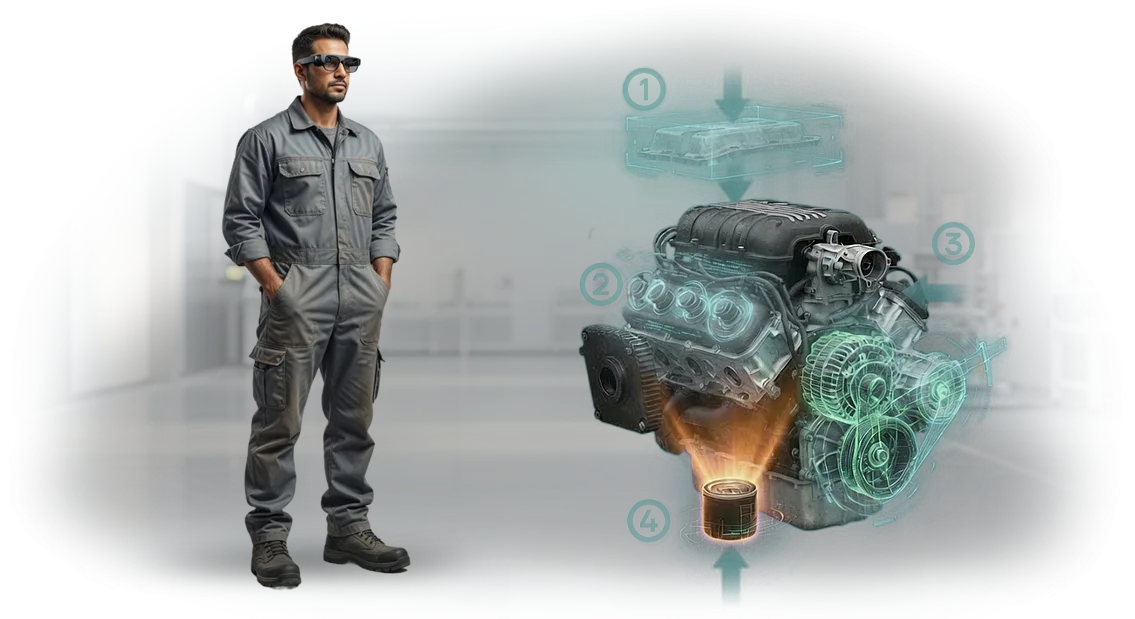
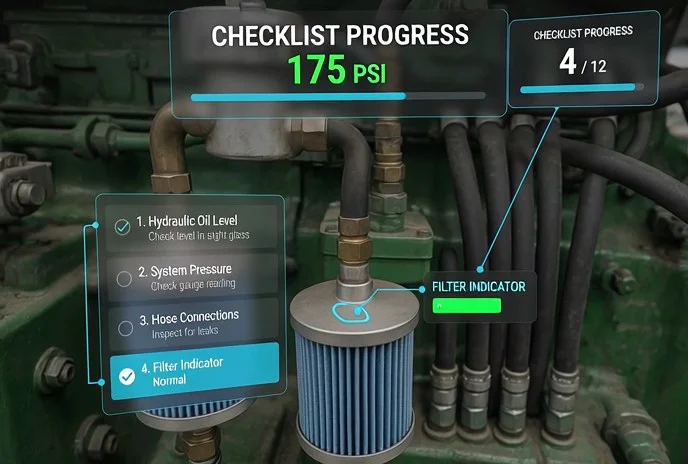
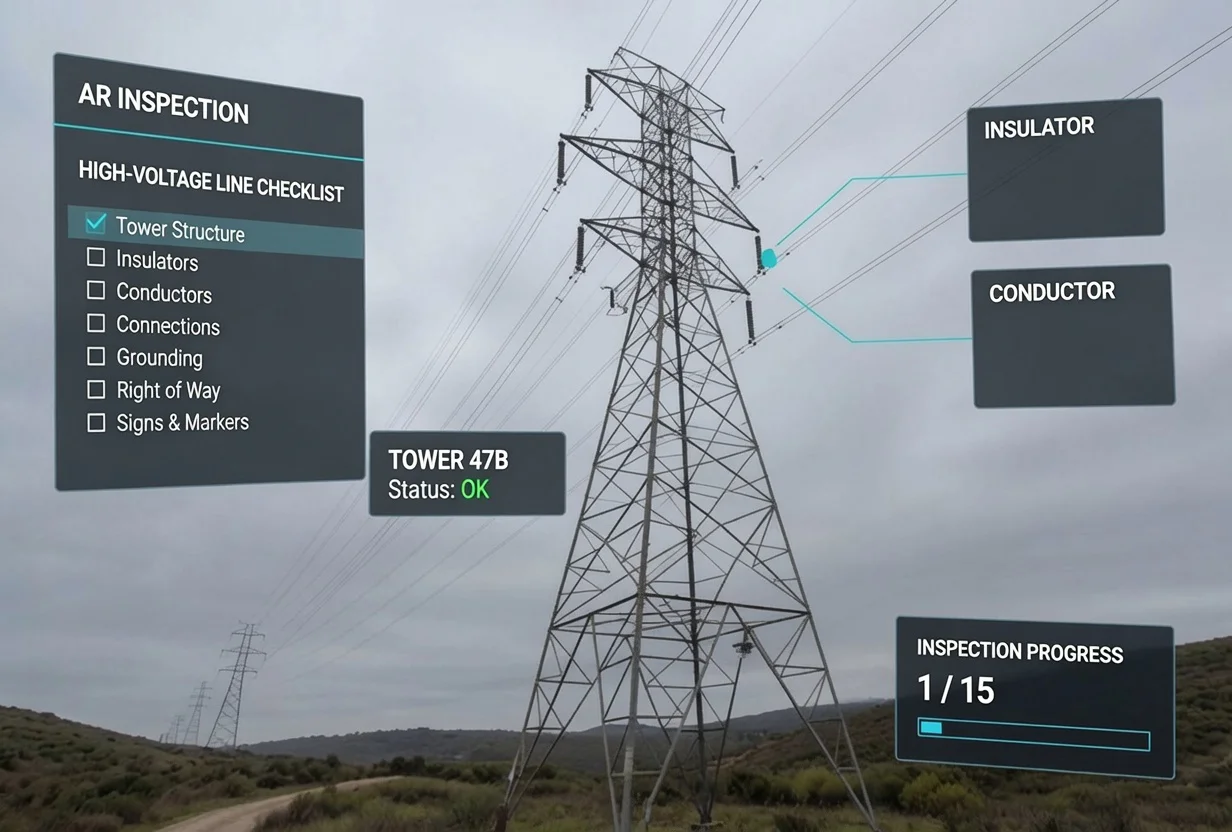
AR instructions help close this pain point — step-by-step prompts that overlay directly onto the equipment. The operator points their smartphone or tablet camera at the tractor and sees which component to check, how to remove the guard, where the fastener is located.
No need to call service and wait for a technician — it all turns into a clear algorithm that works right in the field.
This way, equipment downtime is reduced, and service maintenance becomes predictable. The client sees the care, gets back to work faster, and next time does not look for an alternative — on the contrary, they recommend you to neighbors.
This is the level of service that kills the desire to switch to competitors and preserves profit every season.
What Benefits Your Business Gets from AR Instructions
Training personnel to work with tractors and agricultural machinery usually takes weeks: experienced mechanics get distracted from their tasks, newcomers make mistakes, and equipment sits idle.
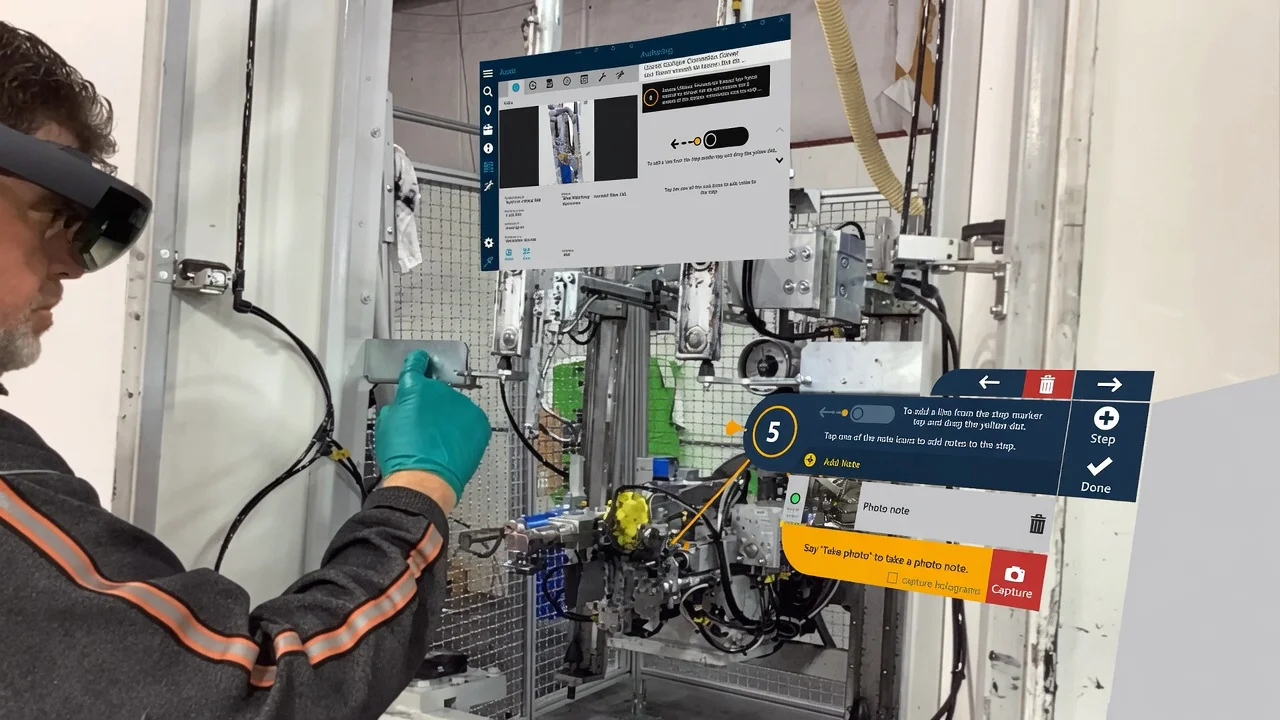
AR instructions change this pattern — prompts appear right in the specialist's field of view, without thick manuals and long searches for the right section.
Benefit: Fast Onboarding
The employee sees on the screen what to remove and in what order. The time to master a new model is reduced many times over — the worker starts contributing value from the first days, not after long supervision.
Benefit: Fewer Errors in Maintenance
The mechanic does not skip operations and does not forget about safety. Repeat repairs, warranty disputes, and equipment downtime are reduced. The effect is noticeable within the first weeks of use.
Benefit: Client Loyalty
The client sees a modern approach: maintenance is fast, transparent, without the "human factor." This is a reason to come back and recommend you. For the manufacturer, it is also an argument in sales and service network localization.
Benefit: Experience Stays in the Company
The instruction captures the best practices of your leading specialists. Such a base is easy to share between branches and include in newcomer training — knowledge does not leave with the employee.
We work with proven development tools to make solutions convenient specifically on your equipment. Our team takes on the entire cycle: from analyzing standard operations to implementation on tablets and smart glasses. The result is predictable service quality, time savings, and a clear outcome for the business.
AR Instruction Formats for Tractors and Agricultural Machinery
The choice of AR instruction format depends on where and how your employees work: in the field with a tablet, in the workshop with both hands free, or on the go with a single smartphone.
A properly selected device gives a boost in repair speed and reduces equipment downtime — rather than turning service into an experiment.
We develop AR instructions already adapted for tractors and agricultural machinery: from mounted equipment to complex engine components. For each task, we select a format so that the mechanic does not study new technology, but immediately gets to work.
The specialist sees a digital prompt in front of them that mirrors the master's actions and highlights the required tool.
| Format | For Whom | What It Gives the Client |
|---|---|---|
| Tablet AR Instructions | Field service teams and mechanics in the field | Prompts overlay directly onto tractor parts — fewer errors in repairs and component searches |
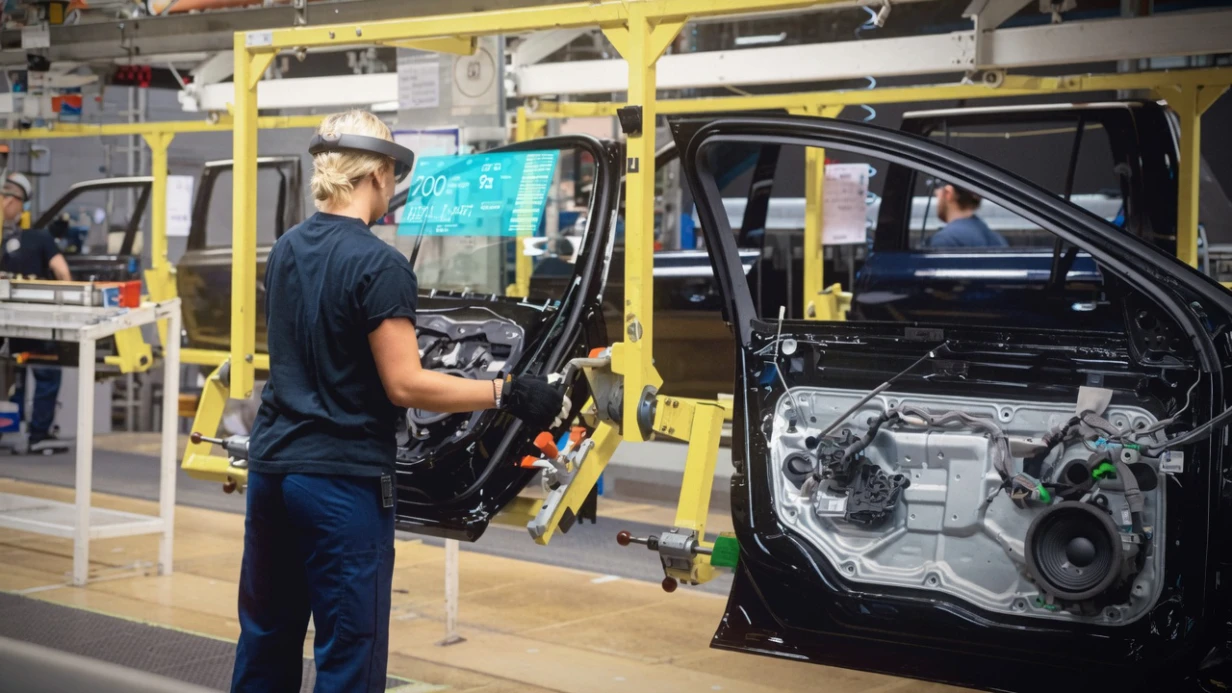
| Augmented Reality Glasses | Complex repairs where free hands are needed | Work diagram before the eyes: faster operation, lower risk of injuries and defects |
| Mobile Application | Regular maintenance, training new employees | The instruction is always at hand on a familiar device, training happens without breaking away from practice |
Such flexibility saves your budget: you do not overpay for expensive devices where a tablet or smartphone is sufficient.
The instructions themselves do not require reworking existing procedures — they supplement paper manuals and reduce time spent searching for the right operations.
As a result, you get a service that responds faster to breakdowns and depends less on the experience of individual technicians. And if working conditions change, the tablet format can easily be expanded to glasses or a mobile application without fully reworking the materials.
Development Stages of an AR Instruction for Your Machinery Fleet
An AR instruction is not just a pretty 3D picture, but a working tool that saves mechanics' time and reduces errors in equipment maintenance. We tailor the process to your machinery fleet so that after launch, employees use it every day.
Development proceeds through transparent stages: you always know what is happening and what you will get as a result.
-
AR Brief. We study your machinery fleet, standard maintenance operations, and the issues mechanics face most often. We define the goals: what the instruction should be able to do — from oil change assistance to complex diagnostics. You get a precise understanding of the scope of work and the timeline.
-
Scenarios and Format. We determine where and how mechanics will use the instruction: on a tablet in the workshop, on a phone in the field, or on augmented reality glasses.
We choose the optimal way of presentation so as not to distract from work and deliver prompts at the right moment.
-
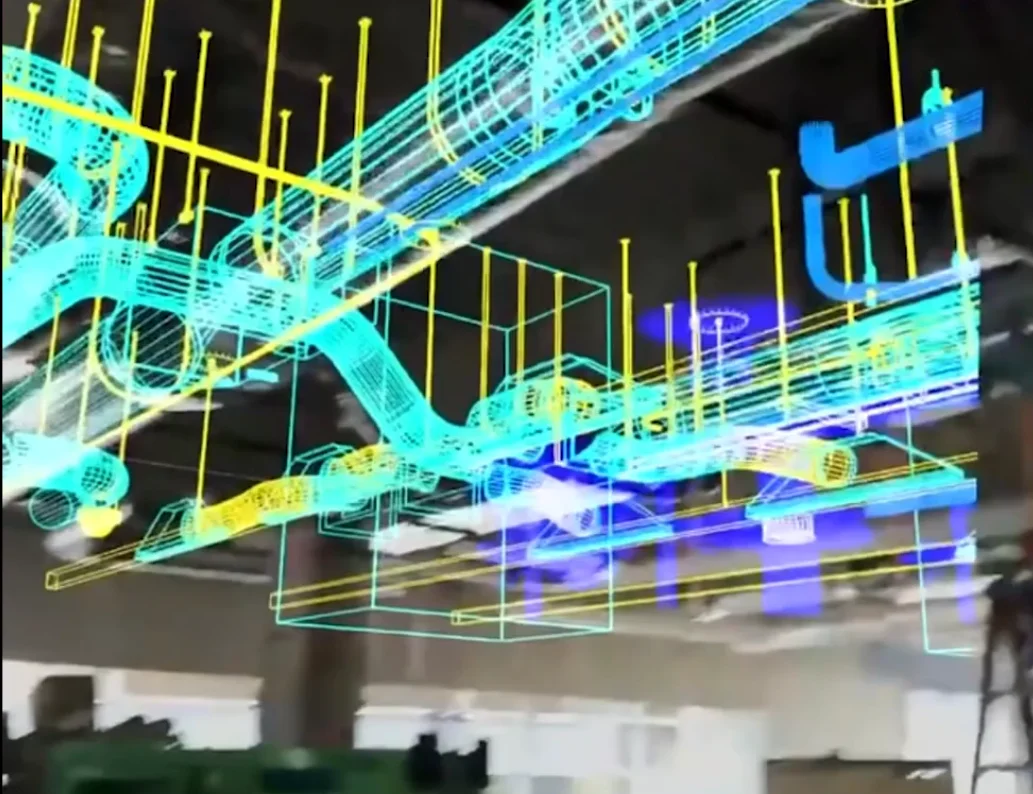
Creating a 3D Model of Your Equipment. We build a detailed 3D model of components and assemblies using your drawings or equipment measurements.
This is the foundation on which all prompts and animations will rest — the model accurately mirrors the real tractor or agricultural machine.
-
Step-by-Step Content Development. For each operation, we write out the sequence of actions, adding visual markers, animations, and clear wording. The instruction becomes visual: the mechanic sees exactly what to do and in what order.
-
Testing on Real Equipment. We involve your service mechanics and test the instruction in working conditions. We make sure prompts appear on time, do not confuse, and genuinely speed up the process. We make corrections based on the results.
-
Implementation and Training. We install the instruction on employee devices and integrate it into your maintenance process.
We conduct a short training session for mechanics and managers: how to open the instruction, how to quickly find the required operation, what to do when equipment changes.
-
Support and Updates. We update the content if your machinery fleet or work procedures change. You can always request improvements — we make changes promptly to keep the instruction up to date.
What Is Included in the AR Instruction Delivery Package
When you order an AR instruction for servicing tractors and agricultural machinery, the delivery package includes everything needed for the service department to start working in the new format immediately after launch. You get not scattered files, but a ready-made solution backed by our support.
- Ready-made AR content for your equipment model — step-by-step three-dimensional instructions for maintenance, consumable replacement, and diagnostics, tied to the real equipment. The employee sees the prompt directly on the assembly and does not waste time reading paper procedures.
- Scenarios for tablets and smartphones — work in the workshop and in the field even without a constant internet connection. The mechanic always has the required step before their eyes, even if the equipment is in a remote hangar.
- Platform usage license — with content update rights and technical support. You legally use the solution and receive up-to-date versions when procedures change or new operations are added.
- Administrator panel — your engineer or technologist can independently edit steps, add operations, and change texts without contacting developers. This saves time on approvals and makes the instruction a living document.
- Employee training — we conduct a training session for key specialists so they confidently work with the AR instruction and can pass the skills on to the rest of the team. We also include brief quick-start guides and guides for common situations.
- Documentation and pilot launch report — we record which operations were accelerated and how employees received the new format, so you can see the effect and scale the solution to other equipment models.
Case Study: Reducing Repair Time for a Dealer Center
For the dealer center AgroTechService, servicing tractors and agricultural machinery was a bottleneck: the equipment lineup is constantly updated, and mechanics spent up to half of their time not on the repair itself, but on finding the right diagram in paper instructions.
At the same time, every hour of equipment downtime in the field means a shift in planting or harvesting for the agricultural client. Service speed directly affected loyalty — the dealer lost orders when it could not quickly close a breakdown.
We implemented AR instructions in the service team's work.
Now the mechanic points the tablet camera at the tractor component and sees a step-by-step prompt directly on the parts: which bolts to unscrew, in what order to remove the housing, where the fastener is, what mistakes to avoid.
This is not a replacement for an experienced technician, but insurance against missed steps and unnecessary actions — especially for newcomers who previously needed a mentor nearby.
After two months, we measured the result: the average repair time for one component decreased from 2 hours 20 minutes to 1 hour 30 minutes — almost 40%.
The number of repeat requests for the same component dropped nearly 1.5 times, and the team began taking on 15–20% more orders per day without expanding the staff.
The dealer center was satisfied and ordered a second license to service another type of agricultural machinery — the best indicator that the result met expectations.
For us, this case is confirmation: AR instructions bring measurable savings where there are standard operations with a high risk of error. This is especially noticeable in agricultural machinery because seasonality does not forgive downtime.
Fast and accurate repair retains clients, raises the average service ticket, and reduces the number of warranty returns.
Want the same result for your dealer center? We will tell you what implementation looks like for your equipment and where the investment will pay off fastest.
How to Choose an AR Instruction Format for Your Service's Task?
Choosing the AR instruction format for tractors and agricultural machinery depends not on fashion, but on three factors: what the operation is, who performs it, and under what conditions. A simple filter replacement is one task; an engine overhaul is another.
Therefore, first determine what result the service needs: fewer errors, faster mechanic onboarding, or fewer expert field visits.
Below is a comparison table of typical formats. It helps you match the task with the right solution before negotiations.
| Format | When to Choose | What the Service Gets |
|---|---|---|
| Step-by-step AR prompts on a tablet or glasses | Regular maintenance, seasonal equipment preparation, work of mechanics with little experience | Fewer errors in the sequence of operations and reduced operation time thanks to the instruction always being before the eyes |
| Interactive 3D instruction with component detail | Complex repairs, training new employees, disassembly/assembly of non-standard assemblies | Visual understanding of equipment structure without opening paper manuals, faster transition of the mechanic to independent work |
| AR session with a remote expert | Rare breakdowns when the local mechanic cannot cope and transporting the equipment to the service is expensive | The expert from the office sees the real situation and "draws" prompts directly on the equipment — machine downtime is saved |
If the operations are standard and repeated every day — the first option is sufficient. If unique breakdowns happen in field conditions — take a closer look at the third.
Often a combination is optimal: basic instructions on a tablet for daily work and remote assistance for complex cases.
We will help you choose a format before development starts: send us a list of typical operations and the usage scenario — we will offer a solution that fits into your service process rather than requiring it to be restructured. This reduces risks at the start and saves budget on "rework."
Frequently Asked Questions About Implementing AR Instructions
Implementing AR instructions for tractors and agricultural machinery raises legitimate questions: how this will affect the work of service teams, the machinery fleet, and safety.
We answer the main concerns so the decision is made as transparently as possible — without "magic" and hidden conditions.
We have done projects for companies with different levels of digitalization. Therefore, we give honest answers about compatibility, timelines, and support — based on practice, not promises.
Will AR instructions work with our equipment?
Yes, AR instructions work on most modern tablets, smartphones, and industrial ruggedized devices. There is no need to purchase expensive specialized hardware — we use what you already have.
If some of your machines are older models, clear diagrams and 3D prompts can be made for them too. It is enough to provide documentation and conduct photo/measurement of the components.
Is it safe to use AR during repairs? Does it distract?
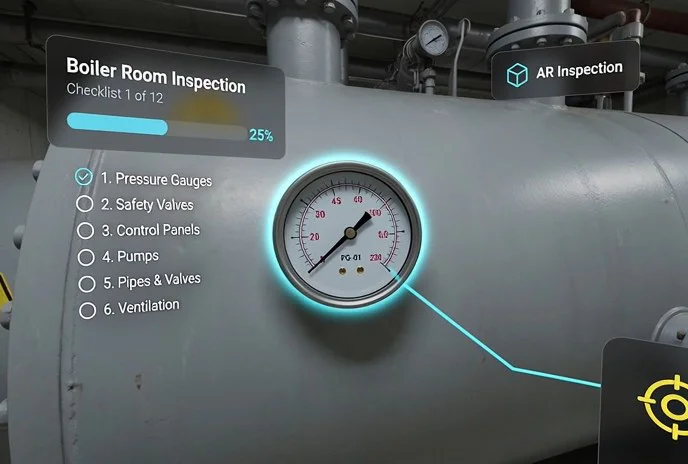
The AR instruction does not replace safety procedures but complements them. The employee sees the real machine with prompts overlaid on it — no need to get distracted by a paper manual or a tablet in their hands.
The system can be configured so that access to instructions is available only to authorized personnel, and additional confirmation appears for dangerous operations. If there is no internet at the site, instructions work offline.
How long will implementation take and when will the first results appear?
The first pilot site can be launched in 1–2 weeks. We set up instructions for 2–3 standard operations that your mechanics perform most often, and you see the effect immediately.
Full coverage of the machinery fleet takes from a month to several months, depending on the number of models and the complexity of operations. But the payoff starts right after the pilot.
What if the instructions need to be updated or supplemented?
Updates happen centrally — you change the data in one place, and all employees see the current version on their devices. No need to print new brochures and send files around the sites.
We stay in touch after launch: we help with edits, refine scenarios, and add new components as your fleet is updated. Support is part of our work.
Submit a Request for AR Instruction Development
Your own staff leaves, new mechanics take a long time to get up to speed, and every mistake in servicing a tractor or agricultural machine means downtime and repair costs.
An AR instruction shortens the path from "call an experienced specialist" to "opened the camera and followed the steps right on the equipment."
Submit a request for the development of an AR instruction for your equipment — and we will prepare a solution for your equipment model. After your inquiry, you receive:
- Consultation on the scenario: which operations to convert to AR format first to get the fastest effect.
- Cost calculation and timeline for your machinery fleet — without hidden conditions.
- An example of the interactive manual structure: step-by-step prompts, critical component checks, tool tips.
- An integration plan with your service department and training center: how employees will start using instructions after the first implementation.
- Quality guarantee: testing on real equipment and refinement before you accept the work.
- Post-launch support: content updates when procedures change and your feedback for improving the instruction.
We have already done projects for agricultural machinery manufacturers and dealers — from one-off manuals to complete libraries for entire model lines. The request takes a couple of minutes, and then you receive a concrete work plan and figures.
Submit your AR request right now. We will call you back, clarify the details, and offer a development format that will pay off through reduced downtime and faster staff training.