

A Maintenance Error on Transformers Costs More Than It Seems
Every minute of transformer substation downtime means halted production, missed deliveries, and a cascade of losses that drags business profits down with them.
A transformer maintenance error often does not show up right away: the equipment keeps running, but loses efficiency, overheats, or fails at the most inconvenient moment. As a result, an emergency shutdown drags on for days, and the repair costs far more than planned maintenance.
Standard paper instructions and checklists do not help: they are generic, do not account for the specific model or the actual condition of components.
A technician wastes time looking for the right section, interprets the diagram in their own way, skips a critical step — and the result is an improper repair. The company pays twice: first for fixing the consequences, then for downtime and lost contracts.
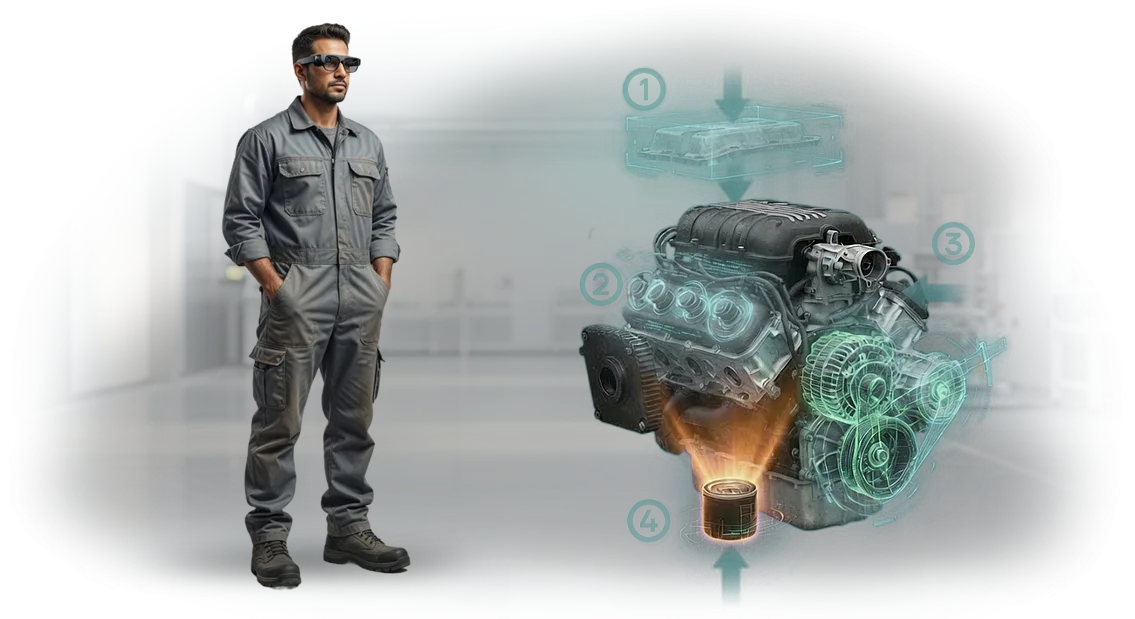
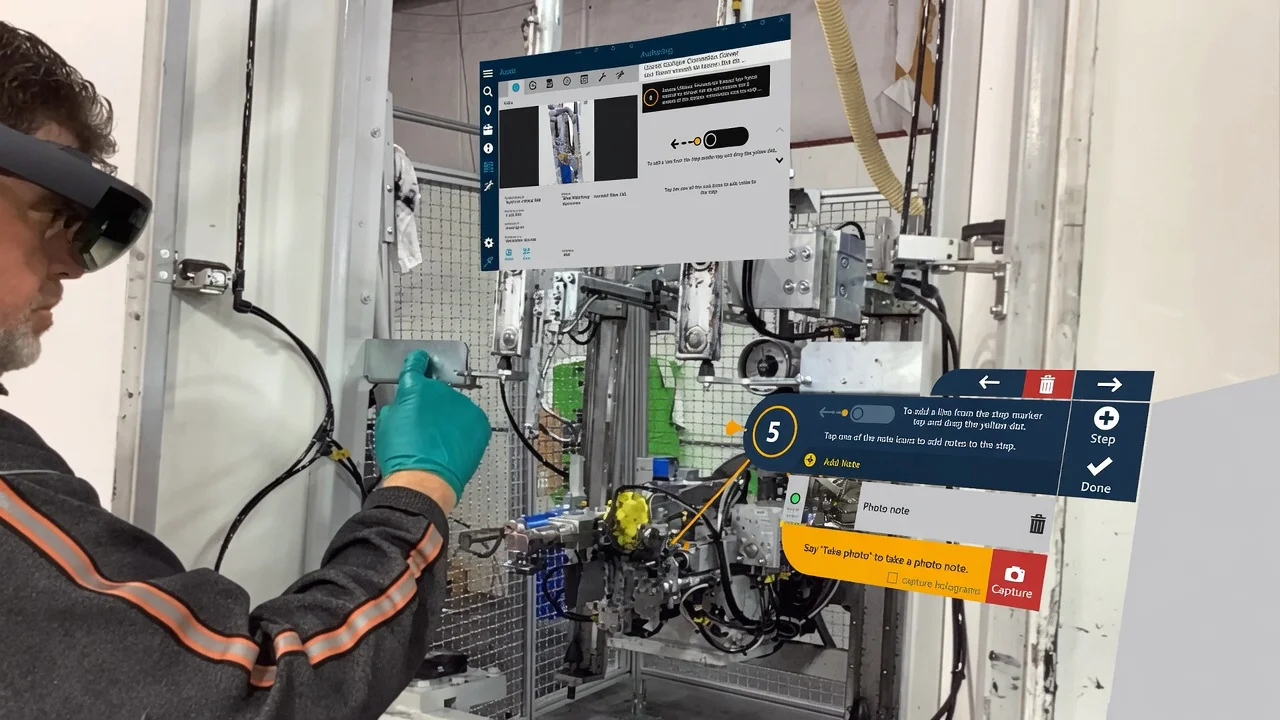
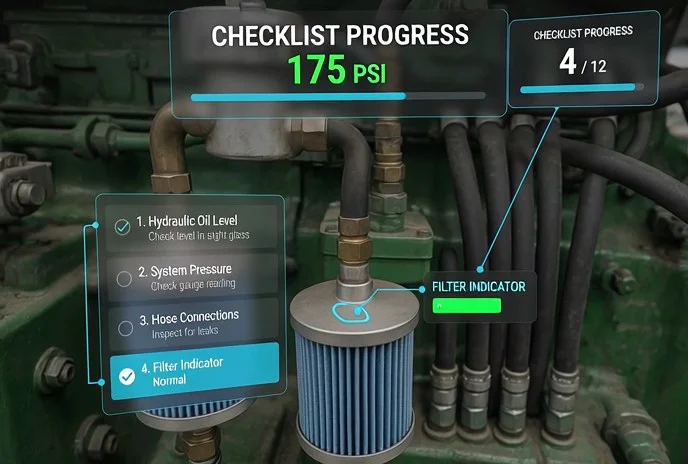
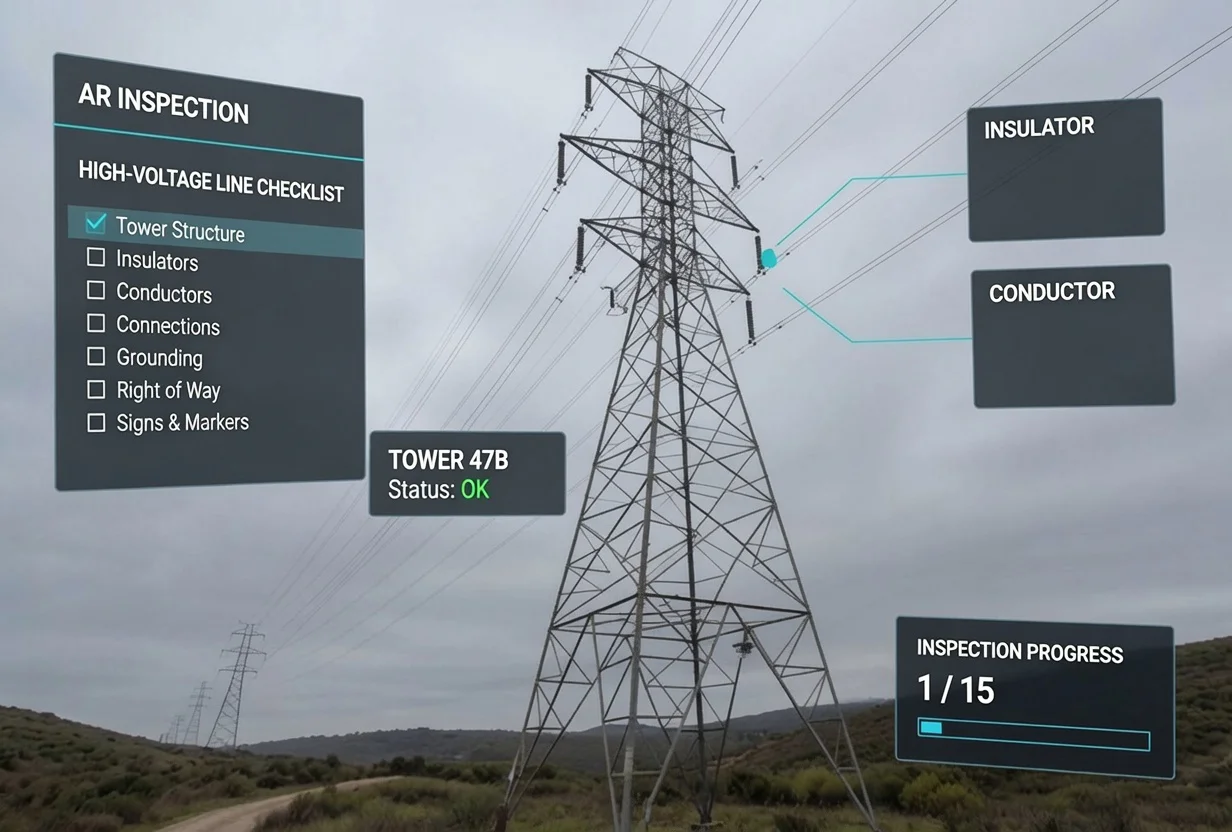
AR instructions address exactly this pain point. The specialist sees the precise sequence of operations overlaid on the equipment right on the tablet screen: where the component is, in what order to unscrew the fasteners, which readings to check.
This reduces the risk of improper repairs and cuts transformer maintenance time by up to 40% by eliminating errors and unnecessary actions.
We have been converting factory procedures into digital format for over ten years. These are not just 3D models but working scenarios for oil changes, winding diagnostics, and bushing maintenance.
The result: fewer emergency shutdowns, predictable work quality, and confidence that even a new employee can handle the job without losses.
What an AR Instruction Delivers: Benefits for Production and Service
Working on industrial equipment carries a high cost of error: an incorrect sequence of actions or a missed diagnostic component results in emergency downtime and expensive repairs.
At the same time, most of the expertise remains in the heads of senior specialists, and it is difficult for a newcomer to absorb it from paper instructions alone.
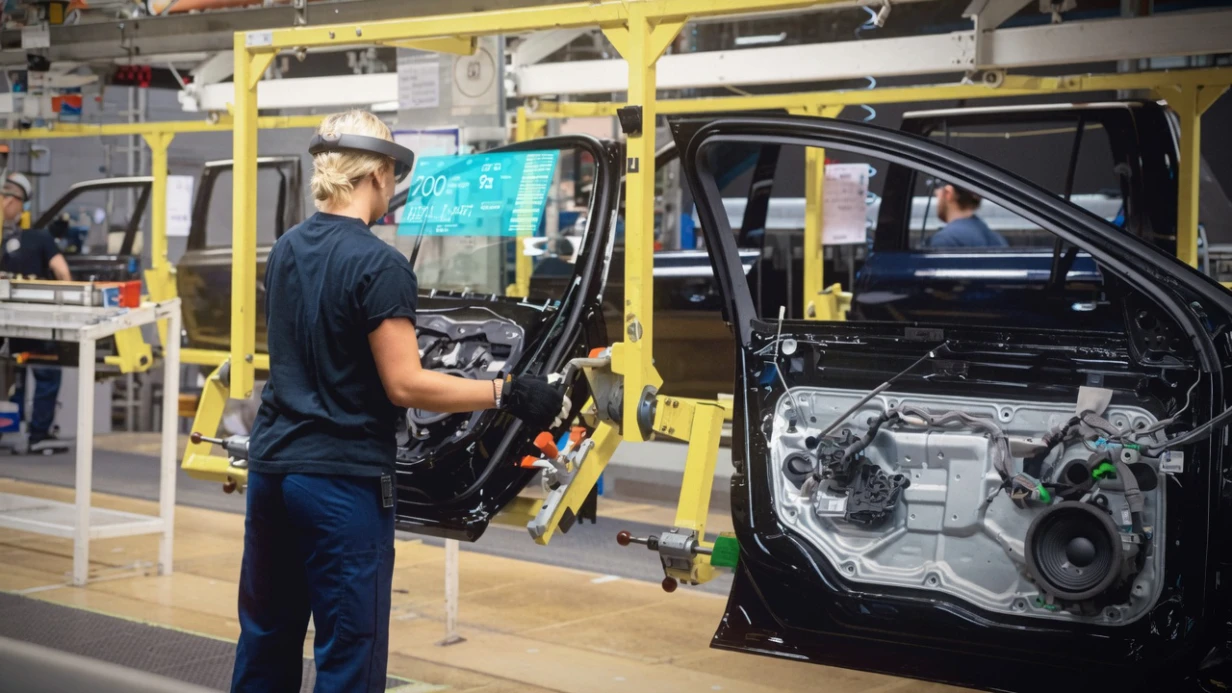
An AR instruction transfers the expert's experience directly to the work site. The technician sees through a tablet screen or AR glasses where to apply the tool, in what order to unscrew components, and which readings to check before starting work.
This lowers the entry barrier for personnel and eliminates most errors before they lead to consequences.
The Effect for Production and the Service Department
Fewer errors. Instead of "reading" lengthy procedures, the employee checks their actions against prompts built into the real equipment. The result is less scrap and fewer repeat visits, with stable maintenance quality even during high staff turnover.
Faster repairs and less downtime.
Less time is spent searching for the right section in the documentation and second-guessing "am I pulling the right part." Standard operations are completed 20-30% faster, and complex repairs no longer stretch over days while waiting for a specialized engineer to arrive.
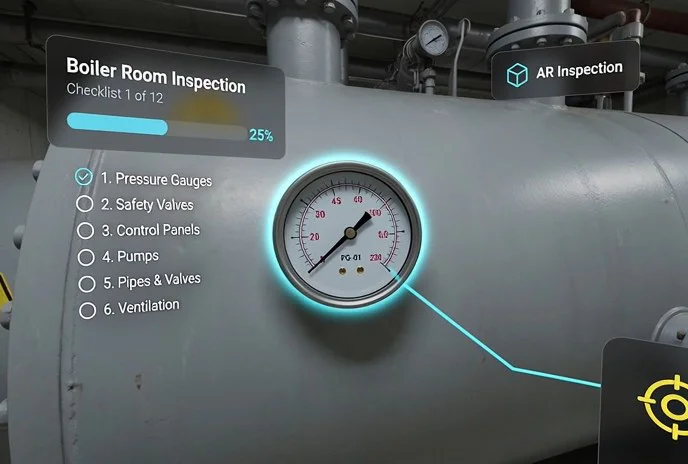
Safety and control. The system highlights hazardous zones and reminds about lockouts before work begins. For the manager, this is a control tool: it is visible that personnel actually completed all mandatory steps rather than reporting "on paper."
Staff training without stopping production. A new employee works with AR prompts immediately, not after six months of internship. Experienced specialists do not waste time re-explaining routine tasks — they only get involved in non-standard cases.
What the Customer Gets in the End
Implementing AR instructions pays off not "sometime in the future" but on the very first scheduled maintenance jobs: unit downtime is reduced, the load on engineers drops, and the risk of accidents caused by human factors falls.
The approach has already been proven on real production sites: we use professional equipment and a well-tuned stack for industrial projects, so the result is stable from day one.
For a dispatcher or service manager, this means predictability: every operation follows a proven scenario, and you get data on which stage delays occur and where the team needs additional training. Instead of guesswork — a transparent process that can be scaled to other areas and sites.
AR Instruction Formats for Transformers and Other Equipment
Each transformer maintenance task requires its own format of presentation: one works well for quick checks, another for complex repairs with occupied hands. The right format directly affects crew speed, the number of errors, and equipment downtime. Below are the main options that we adapt to your tasks.
| Format | Who It Suits | What It Gives the Customer |
|---|---|---|
| Tablet | Field crews traveling to sites | Step-by-step instructions always in view, no need to flip through paper procedures, lower risk of missing an important step |
| AR helmet | Engineers during complex repairs | Hands are free, the diagram is overlaid directly on the equipment — work is faster and safer |
| Mobile app | Employees who need quick access to instructions | The instruction is always in their pocket, updates automatically, and works offline on site |
| Web instruction | Internal training and contractors | Requires no installation, opens from any device, easy to share with external specialists |
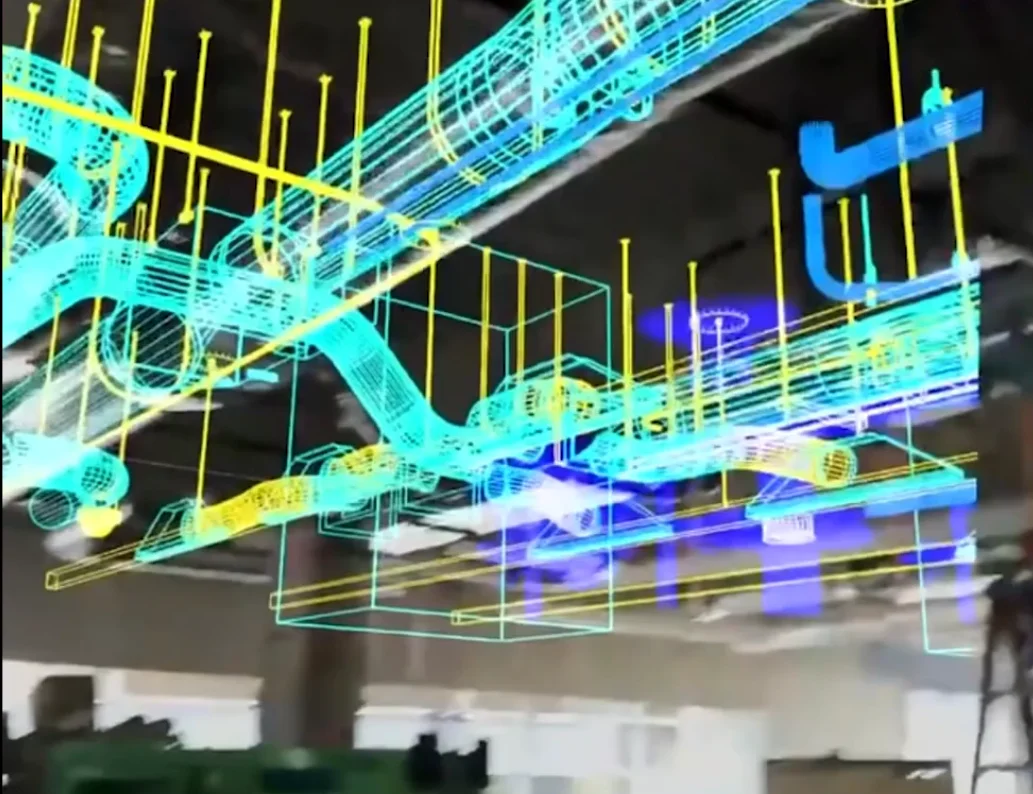
| Interactive diagram | Anyone studying transformer design | Clearly shows internal components without disassembly, speeds up training for new employees |
Customers often combine formats: a helmet for critical operations, a mobile app for daily checks, and a web version for knowledge sharing. We help you choose the optimal set for your processes and equipment specifics free of charge.
Project Stages: From Technical Specification to a Working AR Instruction
You do not need to dive into the details of augmented reality — we handle the design, development, and launch. You participate at key points: you define requirements, review intermediate versions, and approve the final result.
Below is the flow a project follows from the first meeting to an instruction used on the production floor.
- Brief and interviews with experts. We gather information about your equipment, typical operations, and the difficulties your personnel face. This allows us to build into the instruction exactly the scenarios that most often raise questions.
- Approval of the technical specification. We document the instruction composition, number of steps, presentation formats, and visualization requirements. You approve the document — so you know in advance what you will get, before development even starts.
- Prototype for one operation. We create a short demonstration fragment that can be opened on a real device. You see how the AR content looks on screen, interact with it, and make changes before the remaining scenarios are developed.
- Full version development. We create graphics, animations, and text prompts for all operations. We regularly show interim builds and collect feedback from technologists and the specialists who will actually use the instruction.
- Testing on your equipment. We verify the scenarios in real conditions: lighting, viewing angles, and the behavior of markers on transformer surfaces. This reduces the risk of failures on the production floor and guarantees the instruction works in your specific environment.
- Deployment and employee training. We help install the app on tablets or smartphones, set up access, and run a short training session for personnel. People start using the instruction right after launch, without a long adaptation period.
- Support and content updates. If the procedure changes or a new operation is added, we make edits promptly. You are not left alone with the product — you have a communication channel and clear response times.
In the end, you get not a demo file but a working AR instruction integrated into the maintenance process. Transparent stages allow you to control timelines and see where the project stands at any moment.
What Is Included in the Delivery: The Customer Package
After the project is completed, you receive not "developer source files" but a working package that can be used immediately in training and in the daily work of personnel. Below is the full list of what we hand over to the customer.
- Guide to using the AR instruction for transformer maintenance. A clear manual that requires no special preparation: an employee opens the document and starts working.
- 3D model of the transformer with component detailing. A visual representation of the equipment that can be viewed from any angle, zoomed in, and studied without opening the casing.
- Animation of the operation sequence. A step-by-step maintenance scenario that mirrors the real order of actions — from inspection to component replacement. The employee sees every stage and memorizes it faster.
- Distribution package with installation on your devices. A ready-to-use application deployed on employees' tablets and smartphones — it does not require a constant internet connection and works in the workshop or in the field.
- Staff training. A hands-on session where your specialists learn to work with the instruction, review typical errors, and get answers to questions from our engineers.
- Post-deployment support. Assistance during the first month of operation to ensure the instruction works reliably on your equipment and employees feel confident.
Each item in the package addresses a specific task: from visual demonstration to maintenance quality control. You are not left alone with the technology — you get a complete solution with support during the launch phase and documentation you can use for internal procedures.
Case Study: AR Instruction for a Transformer Cut Downtime by 30%
We work with energy companies, so let us share a real example. The customer services substations and faced a typical pain point: transformer repair requires rare qualifications, and the field crews are often younger than the experienced specialists.
Every hour of equipment downtime is a loss, and an assembly error can cost not only time but also safety.
We developed an AR instruction for planned transformer maintenance. The specialist puts on glasses or uses a tablet and sees a step-by-step diagram directly on the equipment casing — what to unscrew, in what sequence, and where the check point is. No need to flip through paper procedures or keep the operation sequence in your head.
Implementation Results
Maintenance downtime dropped by 30%. The average operation went from an hour down to 40 minutes, and the number of assembly errors fell threefold. A young specialist was working at the same speed as a ten-year veteran engineer after just two shifts.
The substation manager noted: "The instruction is like a smart mentor — it shows each action on the actual equipment, not on a picture in a manual." The customer confirmed the return on investment: the project paid for itself after the first three months of operation because downtime was reduced and no additional visits from experienced engineers were needed.
For us, this is a typical situation: AR instructions pay off not in a year but already in the first maintenance cycle. The client orders further development — adding new transformer components and adjacent substation equipment. This confirms the solution addresses a real problem, not an experiment for the sake of technology.
How to Choose the Right AR Instruction Format?
Choosing an AR instruction format starts not with the technology but with the task: what exactly the employee must do and how complex the operation is. For transformer maintenance, this includes condition checks, component replacement, diagnostics, and planned run-in testing.
Each process requires its own level of detail: sometimes a short prompt is enough, and sometimes step-by-step guidance with three-dimensional layers and error control is needed. Therefore, there is no universal solution, and the format should be matched to the specific scenario.
The first criterion is equipment specifics and the level of risk.
If an error is expensive and can knock the transformer out of service or create a safety threat, a maximally regulated scenario is required: every step, visual highlighting of the relevant part, and auto-verification of the correctness of the action.
If the operation is simple, a brief overlay animation on top of the real object is enough. The second criterion is the frequency of the task and personnel qualification.
New employees benefit from detailed instructions with a training mode; experienced ones benefit from compact reminders that speed up work without distraction.
The third criterion is the scale of deployment and budget. A full-fledged AR platform with server-side management and content updates costs more but pays off when there are many employees or the equipment changes regularly.
For a small number of specialists or rare operations, standalone AR scenarios launched from a smartphone or tablet without complex integration are more economical.
It also matters what devices personnel already have: using existing tablets is cheaper than purchasing specialized headsets.
We also consider how the instruction will fit into the workflow. If you need to log actions, record completion marks, and collect statistics, we choose a format linked to a log and accounting system.
If the goal is simply to help the employee avoid confusion, an interactive 3D prompt is enough. At this stage, it is important to honestly assess what will cover your need rather than chase the "most advanced" option.
We do this together with the customer: we analyze typical transformer maintenance operations, count the number of employees, site coverage, and the frequency of briefings.
Based on this data, we propose a format that delivers results within a reasonable budget and scales when processes or the equipment lineup change. In the end, you get not just an AR instruction but a tool integrated into your training and quality control system.
Addressing Concerns: Frequently Asked Questions About AR Instructions
Any new technology in service maintenance raises questions — especially when it comes to complex equipment and personnel safety. We have collected typical customer concerns and answer briefly what this means in practice, without unnecessary technical depth.
Will the AR instruction interfere with the work or create risks?
The instruction appears right on the tablet screen or glasses — the specialist's hands remain free, and their eyes stay on the equipment. The system runs on professional devices and does not interfere with the transformer's operation: no wires or external sensors.
Safety is built in at the scenario design stage. We align every step with your engineers to eliminate skipped critical operations and accidental errors.
The implementation looks complicated. How will our team manage it?
Implementation does not require reworking processes or replacing equipment. We adapt the instructions to your existing procedures and connect remotely or visit the site. It usually takes a few weeks from the first brief to the pilot launch.
During the pilot, we keep the paper instructions available — personnel get used to the new format at their own pace, without stopping work.
Will this work for our transformer models and procedures?
We work with various models and types of maintenance — from scheduled inspections to component replacement. Visual prompts are anchored to the actual equipment parts, so they match what the specialist sees.
If you have a non-standard procedure, we create a custom scenario. All we need is the source documentation and a short interview with your technologists.
Our specialists are used to working with paper. Will they adapt quickly?
The interface is deliberately simple: any employee seeing AR for the first time starts working confidently within 15–20 minutes. We conduct training right on site as a short demonstration and reinforce the result on real operations.
In addition, recorded video instructions remain available — they can be revisited in debatable situations or when onboarding new employees.
What happens if the technology fails or modifications are needed?
We stay with you after launch. Technical support responds during working hours, and all scenario and procedure updates are entered into the system. If requirements or the scope of operations change over time, we refine a specific module rather than replace the entire solution.
Each project has a dedicated manager who knows your site and implementation history. This ensures predictable support without long onboarding.
How cost-effective is this compared to regular instructions?
An AR instruction pays for itself by reducing errors and speeding up work. It replaces lengthy briefings: even a new employee performs an operation correctly on the first try without distracting senior colleagues. Time savings and lower scrap rates become visible after the first maintenance cycles.
An additional benefit is transparent control: you can see which steps were completed and where difficulties arise. This helps improve procedures based on real data rather than guesswork.
Order an AR Instruction for Transformers and Make Repairs Safer
Transformer repair is work with high voltage, where the cost of an error is measured not only in money but also in people's health. Paper procedures often gather dust on a desk, and on site the technician relies on memory or colleagues' experience.
An AR instruction solves this problem: the specialist sees the step-by-step order of actions directly on the equipment and does not get distracted searching for information.
We are ready to deliver such a solution turnkey. Leave a request on our website — and within one business day we will prepare a cost calculation and implementation plan.
After a free consultation, we will show a demonstration on your scenario so you can evaluate for yourself how the instruction works under real repair conditions.
What you get after submitting a request:
- A free expert consultation — we will analyze which operations an AR instruction will benefit the most and how to integrate it into your existing procedures.
- A cost and timeline estimate tailored to your specific task, with no hidden work or unexpected surcharges.
- A demonstration of the future solution using a typical repair example, so you understand the format before the project starts.
- An implementation plan that accounts for the qualifications of your specialists and site specifics.
- Compliance with occupational safety requirements — every step is documented, reducing the risk of human error and injuries.
- A working reference guide for personnel — after training, specialists can return to the instruction at any time, right at the equipment.
Do not put off safety for later. Submit a request today — get a cost calculation and a demonstration, not a formal commercial proposal. We will prepare a solution that pays for itself on the very first scheduled transformer repair.