

Ultrasound Equipment Maintenance Takes Hours — Downtime Costs Money
Every hour of ultrasound equipment downtime means a shifted diagnostic schedule, waiting patients, and lost revenue.
At the same time, the equipment itself is expensive, and keeping it "on the bench" due to a malfunction or scheduled maintenance is not an option — your budget or production plan simply won't allow it.
While a technician digs through documentation in search of the right component, downtime translates into concrete financial losses that are easy to calculate: multiply the cost of an hour of equipment operation by the repair time.
The paradox is that maintaining ultrasound equipment often takes longer than the breakdown itself. The complexity of modern machines demands a high level of qualification from the engineer and access to accurate information about the specific model.
When a specialist has to leaf through paper manuals or wait for a hint from a colleague, repair time stretches out, and you end up dependent on specialists with narrow expertise.
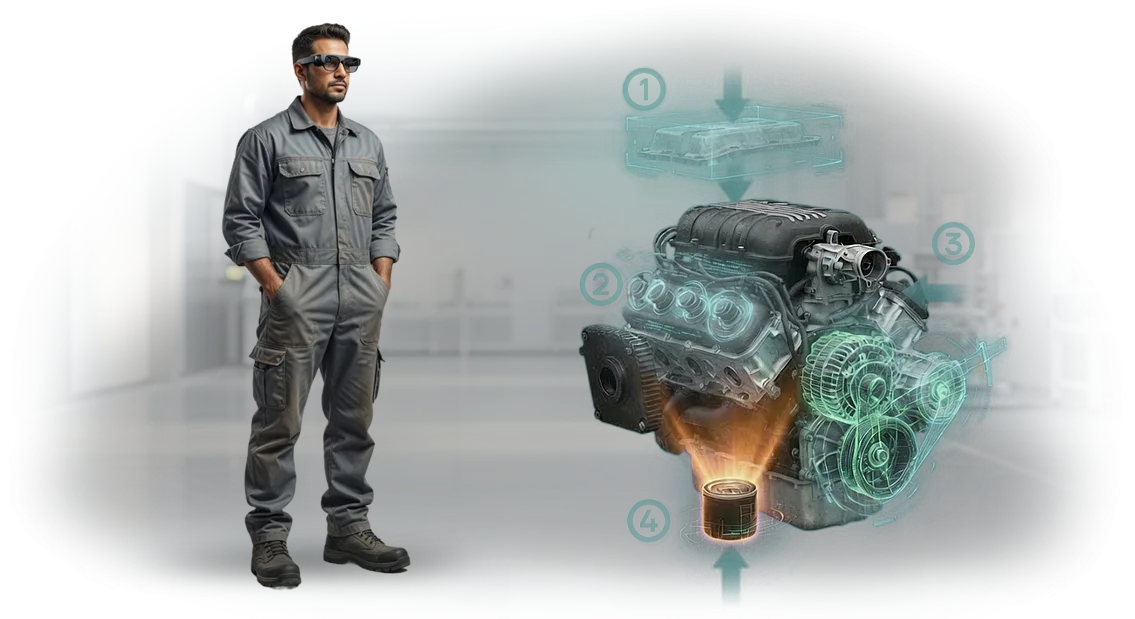
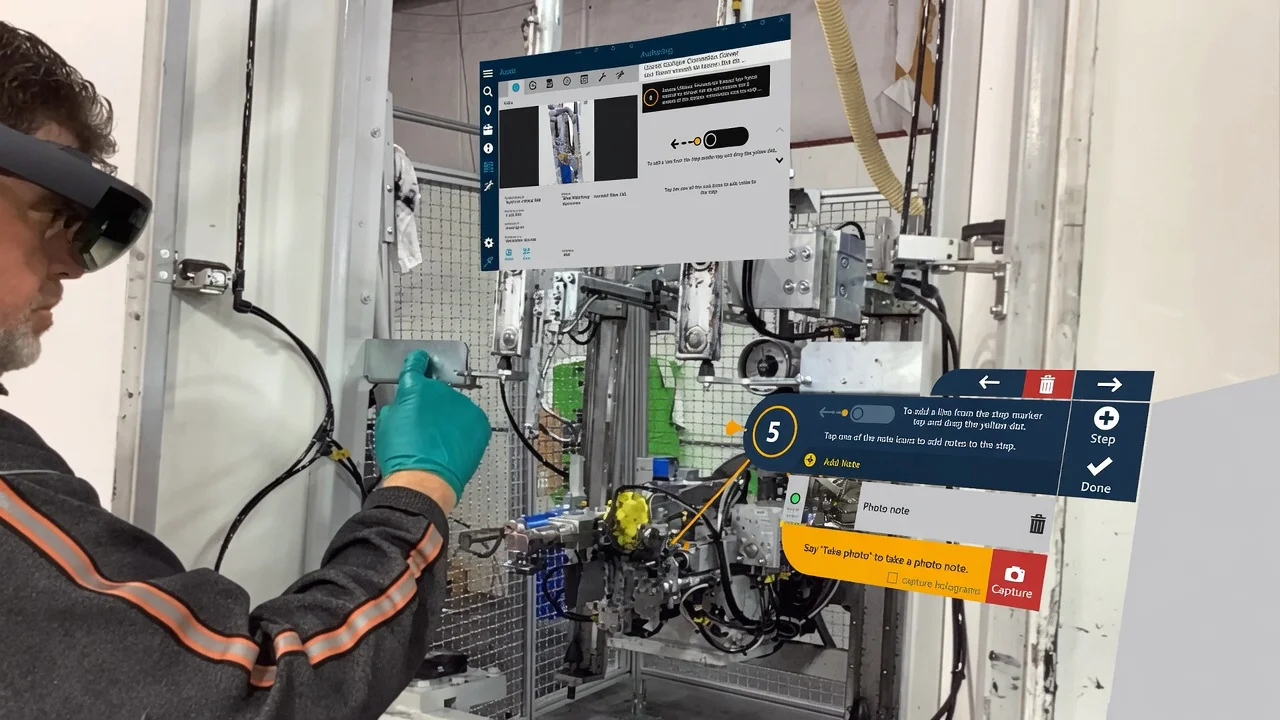
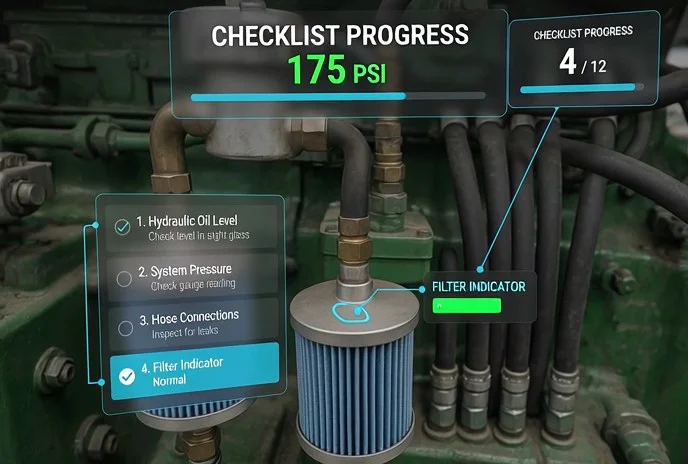
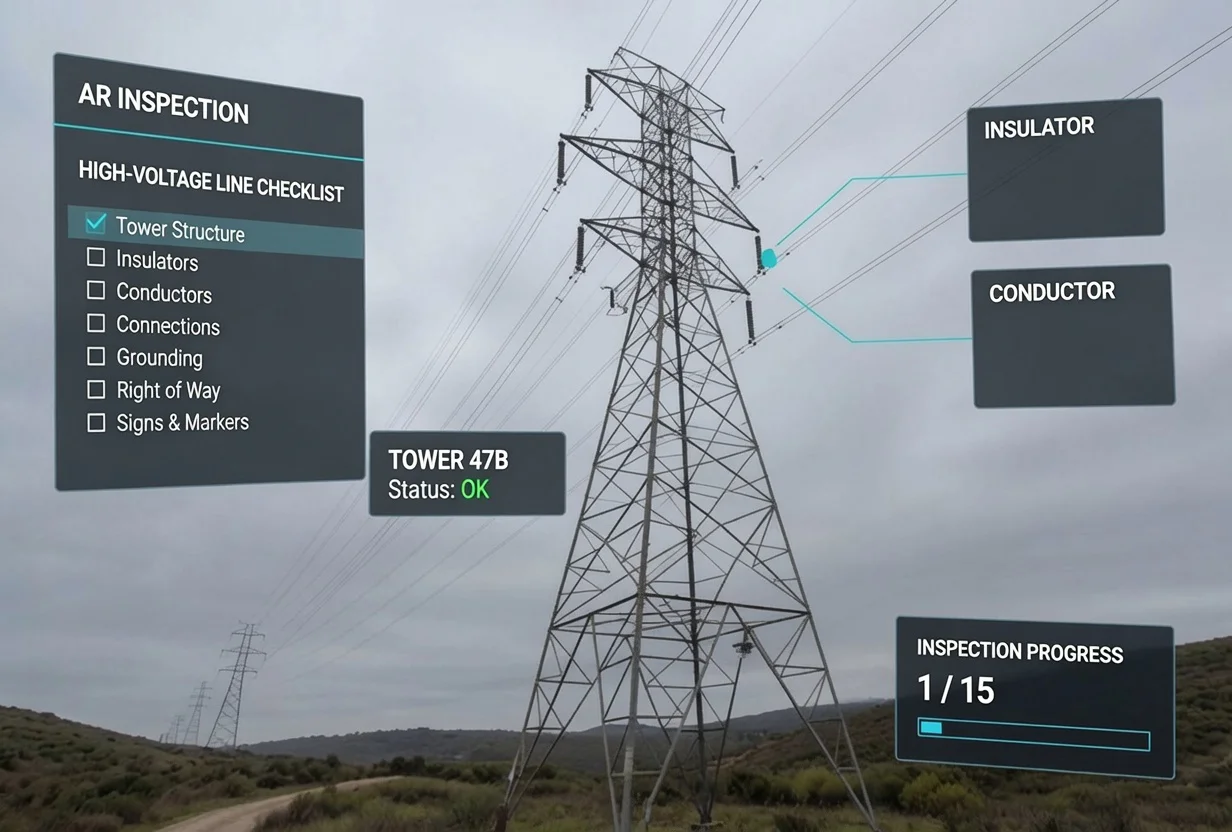
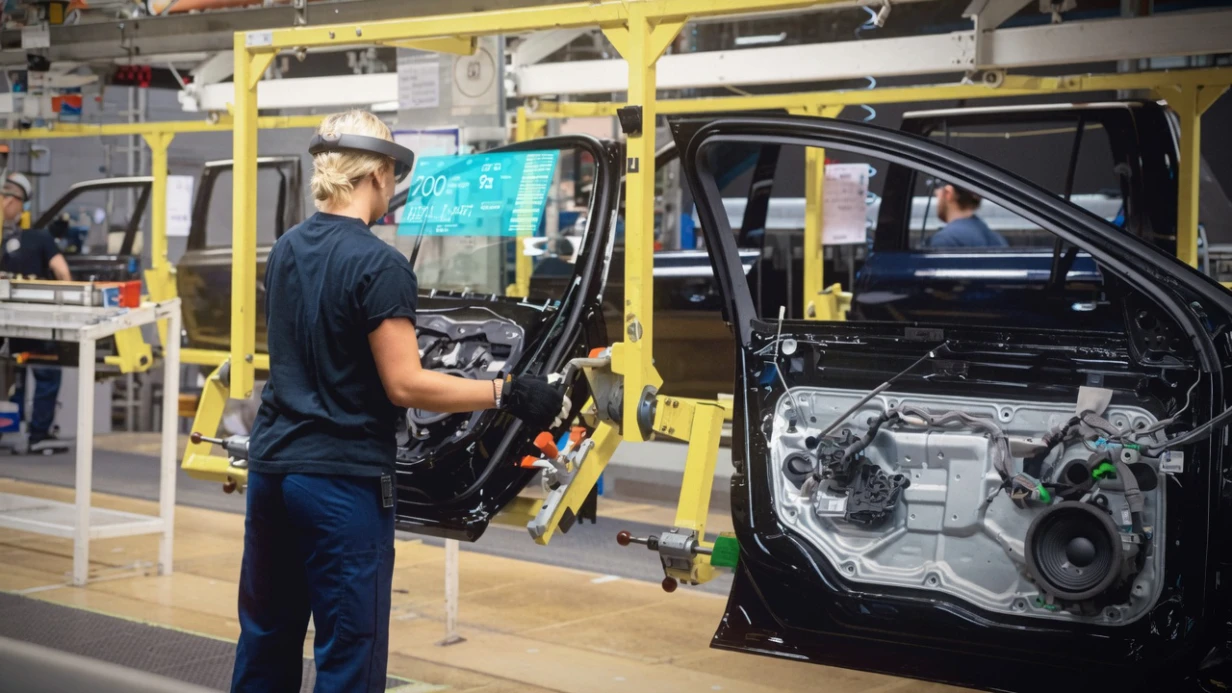
We solve this problem with AR instructions that overlay step-by-step prompts directly onto the camera feed — the technician sees which component to disconnect and in what order.
This transforms ultrasound equipment maintenance from a search for information into a clear, sequential process accessible to an engineer of any skill level. As a result, repair time is cut significantly, downtime losses decrease, and your equipment returns to service faster.
Benefits of AR Instructions: Speed, Accuracy, Cost Savings, and Technician Motivation
When a technician services an ultrasound machine, every minute of equipment downtime is lost money. AR instructions overlay prompts directly onto the device body, and the employee sees the sequence of operations without being distracted by paper manuals.
We develop such instructions for a specific equipment model, so they fit right into the workflow. Here's what this gives your business.
-
Reduced repair time. The technician spends on average 30% less time on diagnostics and component replacement. Equipment downtime decreases, and the service department handles more requests per day.
-
Fewer errors. Step-by-step AR prompts highlight the right parts and prevent skipping important stages. Assembly errors and repeat call-outs to the same component practically disappear.
-
Employee training. A newcomer sees prompts on the equipment right away and starts working independently within a couple of days — instead of a week of theory. Experienced technicians stop spending time on mentoring and focus on complex tasks.
-
Increased efficiency and motivation. Employees find it more interesting to work with modern digital tools than with paper regulations. Less routine, faster results — this reduces staff turnover and strengthens the reputation of your service department.
In the end, AR instructions pay for themselves within the first few maintenance sessions: less downtime, fewer errors, faster training, and higher productivity from each technician.
AR Instruction Formats for Ultrasound Equipment to Match Your Task
Servicing ultrasound equipment requires precision: the mechanic must quickly find the right component, correctly unscrew the fasteners, and avoid damaging neighboring elements.
Paper instructions and PDFs fall short when your hands are busy with a tool and expensive equipment is right next to you. The AR instruction format solves this problem — prompts appear right on the device body, so the employee spends less time searching and makes fewer mistakes.
We select the format to match your production type and task: from short prompts on a tablet to step-by-step animations for complex repairs. All options run on professional equipment, fine-tuned on real service cases. Below is a comparison of the main AR instruction formats for ultrasound equipment maintenance.
| AR Format | For Whom | What It Gives the Client |
|---|---|---|
| Step-by-step instruction on a tablet | Service engineers during scheduled maintenance | The mechanic sees the sequence of operations directly on the machine — repair time and error rates decrease |
| AR animation with component disassembly | Complex repairs, parts replacement | It's clear which fasteners to unscrew and in what order — even a new employee handles it without guidance from a senior specialist |
| Voice guidance and action control | Field work where both hands are busy | The engineer works with the tool while the system voice-prompts the next step and verifies that the component was replaced correctly |
| Instruction for a specific model | Manufacturers, service departments with a large fleet of machines | A unified training and repair standard: consistent service quality on every piece of equipment |
The choice of format depends on the complexity of the components and the skill level of your team. If ultrasound diagnostic machines are operated in different conditions, you can combine formats — for example, a tablet for the workshop and voice prompts for field work.
We'll help you determine the optimal option and send a test AR instruction on your equipment so you can evaluate its convenience before launch.
How AR Instruction Development Works: From Brief to Launch
We understand: every minute of equipment downtime costs money, and rolling out a new system should not distract your team. That's why our team's AR instruction development process is transparent: at every stage you know what's happening and when the result will be ready. Below are the seven steps on the path from brief to launch.
- Brief and equipment audit. We gather the task, study regulations, typical employee errors, and problem components. We immediately set the scope of work and deadlines.
- Project approval. Based on the brief, we prepare a scenario: the sequence of steps, prompt texts, and visualization. You approve it before production starts — this eliminates mismatches with expectations.
- Content preparation. We create photos or 3D models of components, short animations, voice-over, and subtitles. Only what actually helps the technician act correctly.
- AR version assembly. We link the scenario to equipment parts, configure recognition, and anchor prompts to the right points. We work on professional equipment — a stable image is guaranteed.
- Testing on your equipment. We verify the instruction in the workshop, under different lighting conditions and angles. We eliminate everything that slows down navigation.
- AR instruction launch. We install the app on employees' tablets and smartphones and conduct a short training session. The technician points the camera and sees the step on the object.
- Support and updates. When regulations change, we adjust the scenario without rewriting the entire project. You always work with the current version.
What do you get at the finish line? A tool that requires no paper manuals and no lengthy staff training. We'll start with a free brief: we'll clarify the task, show the plan, and name the timeline — just a few steps remain before launch.
What's Included in the AR Instruction Delivery Package
You receive not just a file with instructions but a ready-made solution for fast staff training and safe equipment operation. Everything needed for launch is already included in the package: from the AR scenarios themselves to documentation and training materials.
The delivery package includes:
- Interactive AR instructions — step-by-step scenarios for maintaining and repairing ultrasound equipment. The specialist sees prompts directly on the equipment and acts without errors.
- Service documentation — updated regulations and checklists in electronic form. Your service department always works to current standards.
- Employee training materials — short video and text guides. A new employee reaches a working level in days, not weeks.
- Administrative control panel — you update instructions independently, add new components, and track which operations your specialists perform.
- Access rights for different roles — configure levels for administrators, engineers, and trainees. Each sees only the information they need.
- Technical support during the operation period — assistance in adapting instructions to changes in your equipment line.
- Project source data — all materials remain with you: you can develop the system with your own team or order further refinement from us.
The package is assembled around your tasks, so there's nothing superfluous in it. Everything we deliver is in Russian, adapted to your regulations, and ready to work on the day the project is handed over.
Case Study: Cut Repair Time by 30% and Improved Accuracy
The client — a major ultrasound equipment manufacturer, UltraMed, whose service center engineers face the same pain every day: repairing complex components takes up to two hours, while working from paper instructions leads to errors and repeat customer requests. We proposed replacing paper manuals with AR instructions that appear directly on the equipment.
The technician straps on a tablet, points the camera at the machine — and sees step-by-step prompts: what to remove, in what order, how to check the result.
No need to flip through documents and memorize the sequence: all information is anchored in space and adapts to the real position of the device. This simplifies training for new employees and speeds up the work of experienced ones.
Over three months of the pilot project, average repair time fell by 30%. Assembly error rates dropped by half, and a new engineer now reaches the level of an experienced one in a week instead of a month.
The client valued the result so highly that they expanded the project — AR instructions were ordered for three more equipment models.
We continue to support the project: we update content, add diagnostic prompts, and help roll out the solution to other service centers. The main thing the client notes is a measurable effect without missed deadlines or repair crew downtime.
How to Choose the Right AR Instruction Format for Your Equipment?
Choosing an AR instruction format should start not with "which technology is trendier" but with what tasks you are solving.
The same piece of equipment will need different scenarios: a technician on the line may only need to be walked through three key checkpoints, while a major overhaul calls for showing the disassembly order of components with all the warnings. So first determine who will use the instruction and under what conditions.
Three things matter: the complexity of operations, the skill level of the staff, and the specifics of the work site.
If your employees already know the machine, they don't need long lectures — they need quick prompts on "what and where to check." New specialists, on the other hand, benefit from visual detail — so that every step is clear without reading technical documentation.
And if the site is in a workshop with poor internet or in cramped conditions, the format must work offline and not require constant server access.
We help you select a format for your specific situation.
At the brief stage, we analyze typical maintenance scenarios, look at which operations most often cause errors, and propose the optimal option: from short step-by-step overlays for daily checks to detailed interactive scenarios for complex repairs.
This way you don't overpay for unnecessary functionality and get exactly the tool that will actually reduce downtime.
When placing an order, pay attention to three things. First, the goal: the instruction must solve a specific problem (training, time reduction, error reduction).
Second, the audience: we adapt the presentation to those who will actually use it, be it an experienced engineer or a newcomer. Third, the ability to update: equipment changes, and the format should be easily adjustable without a complete rework.
If you answer these questions — the format will choose itself, and we'll implement it so it delivers value every day.
Frequently Asked Questions About Implementing AR Instructions in Manufacturing
Before ordering AR instructions, managers ask the same questions: will implementation stop the workshop, will the staff cope, what guarantees are there. We answer the main ones — without technical details and vague promises.
Can AR instructions be implemented without stopping production?
Yes. We prepare the instructions in parallel with workshop operations: we take your documentation and videos and create step-by-step AR scenarios for ultrasound equipment and other machinery.
We launch as a pilot in one area — operators continue working as usual while prompts appear on a tablet or headset.
The pilot lasts 2-3 weeks. You see the time savings and error reduction before we scale the solution to all shifts.
Is it hard for staff to learn AR instructions?
No. Prompts appear directly on the equipment: where to press, what to unscrew, in what order. The employee doesn't need to read paper manuals — they repeat the steps they see in front of them. Training takes from half an hour to one shift.
We support the launch, train supervisors, and leave a short reference card for new employees.
What guarantees that AR instructions will deliver results?
We set measurable goals in the contract: reduced service time, fewer errors, faster time to independent work. After the pilot, we show a "before/after" comparison of indicators. If there's no effect, we refine the scenarios free of charge during the warranty period.
We work on professional equipment and well-tuned tools, so we are accountable for the business result, not just the formal delivery.
Submit a Request — We'll Develop AR Instructions to Fit Your Budget and Timeline
To order AR instructions for ultrasound equipment, you don't need to dive into technical details. Just describe the task — we'll suggest a suitable format, timeline, and budget.
We've already done projects for medical and industrial equipment, so we understand the specifics of your machinery. Submit a request on the website or call us — we'll get back to you within one business day and clarify the details.
After your inquiry, you'll receive:
- A cost estimate for development based on your equipment model and the number of instructions.
- AR development timelines — from a few days to a few weeks, depending on complexity.
- Format selection: step-by-step prompts, animated diagrams, voice guidance.
- Project examples for the manufacturing industry and cases with similar equipment.
- A test fragment of the instruction so you can evaluate quality before full launch.
- A transparent estimate with phased payment — no hidden fees.
We work remotely, so we can take on a project from any region. Your employees will master the maintenance regulations faster, and the risk of diagnostic errors will decrease. All instructions are validated on real machines — you get a ready-made solution, not just a picture.
Submit your request now — we'll calculate the cost and offer options within your budget. If a standard solution doesn't fit, we'll find an alternative and say so honestly. We'll respond within one business day.