

Visitors Don't Connect with the National Park's Atmosphere
The main pain point for any natural area is that tourists walk the route, photograph the views, and leave without ever learning the park's history. Standard boards and signs fail to hold attention: people glance at them for a couple of seconds and move on.
As a result, guests never connect with the unique atmosphere of the place, and the park's core values remain untold.
Low engagement directly affects attendance figures and the economics of each visit. Without interactive solutions, tourists spend less time in the park, visit cafés and souvenir shops less often, return less frequently, and don't bring friends.
Reviews become formulaic: "beautiful but boring" — yet it is precisely the experience that turns a one-off trip into a lasting tradition.
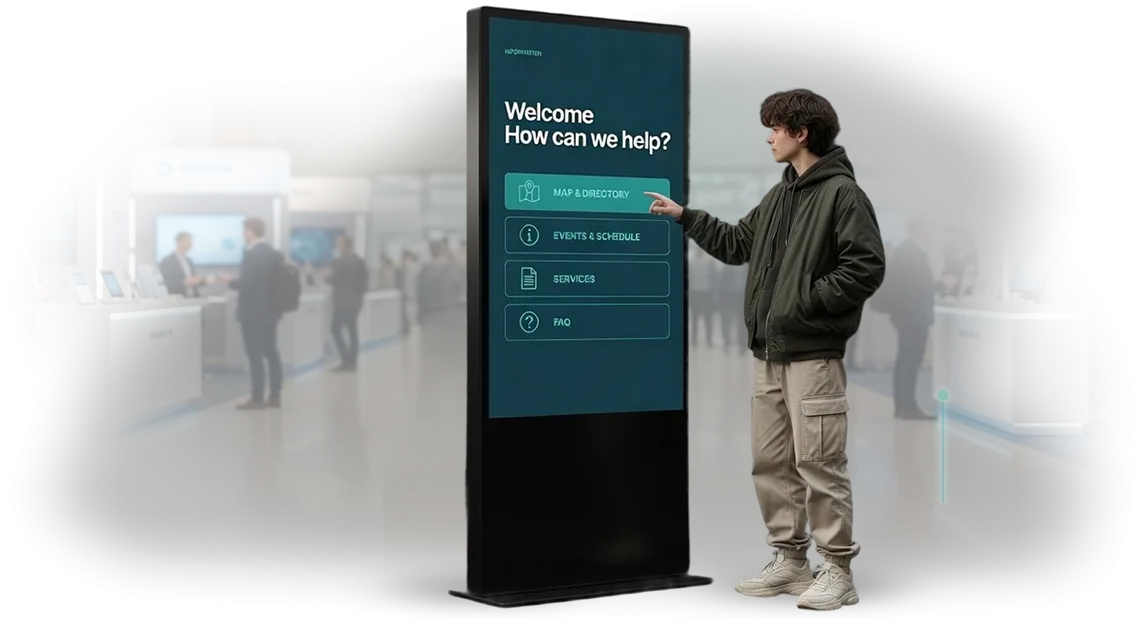
Interactive kiosks in parks change this scenario. Visitors choose for themselves what interests them: stories about rare animals, local legends, walking routes.
A touch panel turns exploring the park into a game or a discovery — guests control the experience and remember far more.
This kind of national park design works toward the overall impression: information is absorbed, and the emotions become that "wow" people tell their friends about.
We help close this gap. For more than ten years, we have been developing interactive solutions for protected areas and tourist sites, working remotely across the country.
We're ready to build a kiosk that engages guests from the first seconds, holds their attention, and delivers measurable results — more time spent, warmer reviews, and repeat visits.
What Benefits Interactive Kiosks Bring
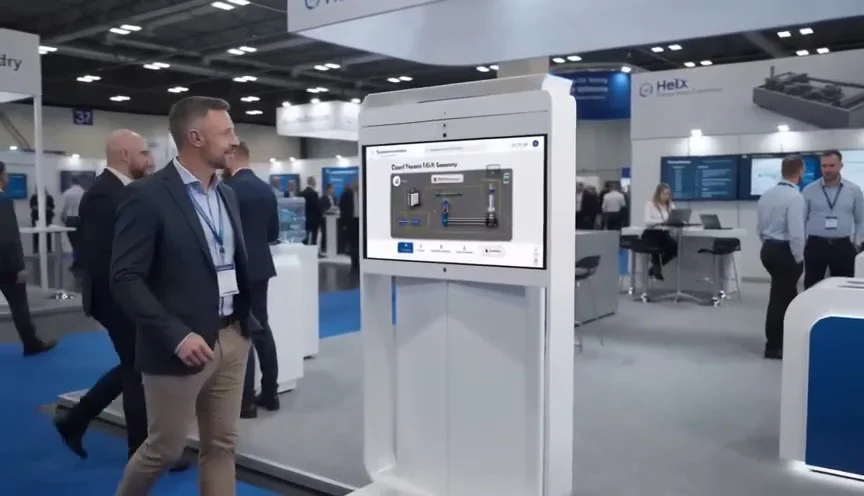
An interactive kiosk is not a screen with text but a tool that turns the visitor from a passive observer into an active participant. Guests choose what to see, where to go, and where to linger — while the park gains directed attention and growing interest.
The touch panel works as both a live guide and an event board at once: it suggests routes, shows rare species, and tells stories you won't find on a sign.
The company our team has been developing such solutions for more than 10 years. We make kiosks that are understandable from the first touch, even for those who aren't tech-savvy. Park management doesn't need to train staff — the screen intuitively guides the guest.
More Time on Site — More Impressions and Spending
When guests have an interactive park map, they stop wandering around looking for a viewpoint or a café. The kiosk builds a convenient route right on the screen. Time spent on site increases, and with it — revenue for cafés, souvenir shops, and rental points. Stay longer — see more — tell more friends.
Increasing Attendance Without an Advertising Budget
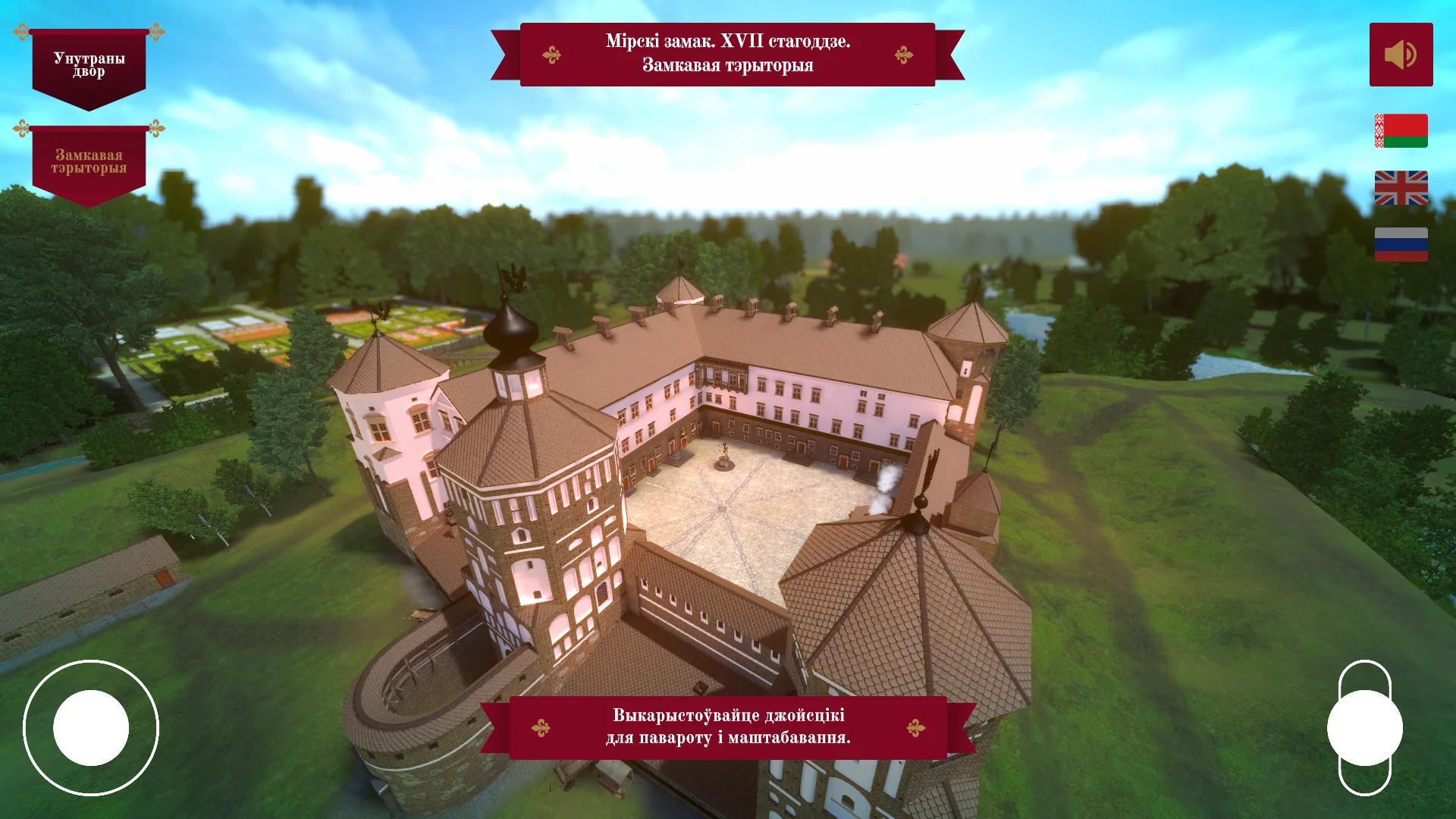
People share vivid experiences. A kiosk with an unusual presentation — an animal quiz, a historical chronicle, or panoramic footage — becomes a reason for photos and stories. Each visitor brings two or three more potential guests. Word of mouth and social media raise the park's profile without additional investment in promotion.
Orderly Visitor Flows Instead of Crowds
The interactive map shows where it's less crowded and how to reach a destination faster. This reduces pressure on popular trails during peak hours. Guests see alternative routes, and the park gets an even distribution of visitors without overcrowding. For specially protected natural areas, this is also a way to protect fragile ecosystems.
We don't just install equipment — we design a scenario that makes guests want to come back. We'll discuss which park areas should be featured on the kiosk first and prepare a custom solution that fits your budget.
Interactive Kiosk Formats for a National Park
A national park visitor arrives for an experience but often faces chaos: where is the entrance, which route is safe, what's interesting to see with children. Paper maps go out of date, signs confuse, and staff can't keep up with the same questions.
A touchscreen kiosk for the park solves these problems — guests find the information they need in a couple of touches and don't distract the staff.
We develop interactive kiosks in various formats — from compact navigation to a full educational exhibit. Each option serves its purpose: helping visitors find their way, telling them about nature, or entertaining them. Below is a comparison of formats to help you choose the right one for your park.
Kiosk Format Comparison
| Format | For whom | What it offers the client |
|---|---|---|
| Navigation kiosk | Independent tourists, families with children | Quick route and facility search, reduced staff workload |
| Interactive exhibit | School groups, nature museums | In-depth presentation of ecosystem content, engagement through touch and quizzes |
| Information kiosk with park map | All visitors at the entrance | Clear orientation on site, event announcements and rules of conduct |
| Multimedia guide | Organized tours | A personal tour of the sights without a guide |
A navigation kiosk is especially useful for large parks: it shows current routes, rest areas, and alerts visitors to closed trails.
For educational zones, an interactive exhibit is a better fit — guests learn about animals and plants in a playful format that sticks in the memory far better than any display board.
If you're unsure which format to choose, start with a navigation kiosk at the entrance. It immediately organizes the flow of visitors, and later we can easily add educational scenarios to it.
Development Stages: How We Implement a Project
A clear process is half the success of a project. You always know what stage the kiosk development is at, what has been approved, and when the result will be ready.
We've structured the implementation of interactive panels so you don't have to dive into technical details — you control the content and the timeline.
- Brief and task audit. We figure out where the kiosk will be placed, who your audience is, and what interaction scenarios are needed. We record expectations and constraints.
- Concept and scenario. We propose the structure of the interactive presentation: sections, navigation logic, texts, and the visual framework. You see how visitors will use the kiosk before development even begins.
- Design prototype and content approval. We show static screens and click scenarios. This is the stage where edits are easy: content approval takes one or two rounds, not months.
- Assembly and hardware setup. We install software on professional touch panels and configure stable operation in your facility — from screen brightness to protection against accidental touches.
- On-site testing. We bring the kiosk and test all scenarios with real users. We fix any issues before the official opening.
- Launch and support. You receive the finished turnkey system, staff instructions, and a direct line to us. When needed, we update content and refine functionality.
In the end, you get a transparent turnkey project with clear stages and deadlines. Typically, 3–4 weeks pass from the brief to launch — the exact schedule is set out in the contract.
What's Included in Delivery and Setup
When you order a kiosk from us, you get a ready-made turnkey solution: hardware, software, and content are all coordinated. You don't need to find contractors, coordinate deliveries, or dig into technical details — we bring a working package that you simply switch on.
The standard package includes:
- Touch panel and enclosure — professional equipment protected against dust, moisture, and accidental impact. The kiosk is built for 24/7 operation in high-traffic areas.
- Kiosk software — a stable shell with auto-start, crash protection, and remote updates. The system doesn't freeze at the worst possible moment.
- Content — park maps, routes, descriptions of natural features, photos, and videos. Information is structured so visitors find what they need in 10–15 seconds.
- Interface design — styling that matches the national park, large buttons, and clear navigation. The kiosk is equally easy for children and older visitors to use.
- Administration system — park staff can change operating hours, event listings, and announcements themselves. No programmer needed to update information.
- Staff training — a short guide and a hands-on session. Your employees work confidently with the kiosk from day one.
- Kiosk technical support — remote diagnostics, on-site service, and a warranty on hardware and software. If anything goes wrong, we resolve it quickly, so visitors are never left without information.
This package covers the full cycle — from the visitor's first encounter with the kiosk to daily operation. You get a tool that works on its own and requires no special knowledge from your team.
Case Study: Growth in Attendance and Interest
For a national park, we developed an interactive kiosk — a touch panel that replaced static display boards and paper maps.
Previously, visitors walked past the information in a few seconds; now they choose their own route, look at photos of rare animals, and listen to stories about the park's nature. This delivered not just convenience but a new format of interaction with the territory.
What Changed After Launch
In the first months of kiosk operation, attendance at themed exhibits grew by 37% — people began spending more time in the info center and planning their park visit deliberately.
Average screen interaction time reached 4–6 minutes, during which a guest can review several routes and pick the best one. The number of questions to park rangers about locations dropped, because the answers are now one touch away.
Repeat visits changed as well: 28% of guests returned to the info center to show friends the interactive map or revisit the bird materials. Interest in eco-trails grew noticeably too — they are chosen 40% more often than before the kiosks were installed.
"The kiosk has become the main helper for our guests: simple, clear, and interesting even for children. We saw how the info center came alive and how much more meaningful park visits have become," said the development director of the national park.
Why This Matters
This project confirms that an interactive kiosk is not a screen for the sake of a screen, but a tool that solves a park's real tasks — from navigation to engagement.
We didn't just install equipment; we designed the content structure, scenarios for different audiences, and an easy navigation system.
The result is measurable growth in attendance and interest in the territory, and for us, it's a foundation for similar projects in nature reserves and open-air museums.
How to Choose the Right Format for Your Task?
When it comes to an interactive kiosk for tourists, what matters isn't the number of features but how well the format matches your task.
Before choosing, ask yourself three questions: where will the panel be placed, who will use it, and what result do you want — navigation, exhibit browsing, or excursion booking.
Over 10 years of working with parks and museums, the specialists at our team have developed a simple criterion: a kiosk should be visible from a distance, understandable without instructions, and not require tech support standing nearby. Here are the typical scenarios we use most often for national parks:
| Format | For whom | What it offers the client |
|---|---|---|
| Interactive area map | Family tourists | Fast route planning, fewer questions to staff |
| Touchscreen nature presentation | School groups, tours | Immersion in the subject, extra content to complement the tour |
| Virtual trail tour | Independent travelers | A chance to 'look into' hard-to-reach places and choose a trail |
| Information reference kiosk | Older visitors | Large font, simple interface, quick access to information |
The criteria for choosing a kiosk are directly tied to your business metrics. If your goal is to reduce the load on administrators, choose navigation scenarios with automatic hints.
If you need to increase time spent in the park and souvenir sales, add multimedia pages with photos and nature sounds.
A proven example from practice: for a client at a nature reserve, we built two formats — a touchscreen map at the entrance and a presentation in the visitor center.
The map reduced the queue at the information desk, and the presentation gave guests something to talk about — the average visit length grew by 15–20 minutes, and a follow-up order for support wasn't long in coming.
To avoid mistakes, start with a checklist: installation location, user profile, and a 3–5 minute scenario. Then our team will choose the best option and prepare a prototype before development begins — you'll see how the kiosk works before the final launch.
Frequently Asked Questions About Interactive Kiosk Development
Doubts before ordering an interactive kiosk usually aren't about the technology but about practical matters: how long will development take, what about the warranty, and how will the panel work in the park. We've collected answers to the most common questions — they'll help you decide with confidence.
How long does it take to develop an interactive kiosk?
Usually 3–5 weeks from brief to launch. The timeline depends on the amount of content and the number of locations; we set the dates in the contract.
Can information be updated after installation?
Yes. An administrator can change texts, photos, and announcements themselves through a simple control panel — no programmer required. An update takes just a few minutes.
What warranty comes with the kiosk?
We provide a warranty on both the hardware and the software. If a failure occurs, you send a request — we run diagnostics, usually remotely, and help restore operation in a short time.
Who will maintain the touch panels in the park?
We train your staff: powering the system on, cleaning, and basic troubleshooting. Remote diagnostics are also available — a specialist can see the system status and recommend a solution. No dedicated engineer is required.
Will the kiosk suit visitors of different ages?
The interface uses large buttons and clear labels, with no complex menus. Guests simply touch the screen just as they would on a smartphone.
Submit a Request for an Interactive Kiosk
Visitors to a national park expect impressions and convenience from their visit. An interactive kiosk solves both: it helps visitors quickly find the right route, tells them about the nature and history, and creates a modern image for the park. Submit a request — we'll prepare a solution for your tasks and budget.
After you reach out, you'll receive:
- A free consultation — we'll work out which scenarios and functions your visitors actually need.
- Cost estimate within 1–2 days — with a transparent quote and timeline, no hidden fees.
- Format recommendations — from a freestanding touch panel to a custom enclosure that blends into the natural landscape.
- An interface prototype before work begins — you'll see how the kiosk will look and function, and you'll be able to make changes.
- Ready-made content — we'll help structure texts about the park, add photos, maps, and audio guides.
- Support after launch — information updates, technical maintenance, and staff training.
Tell us about your park — we'll advise on how to make navigation and information useful for different visitors: families with children, tourists, and school groups.
Interactive panels for parks are already running in many nature reserves and museums — visitors happily use them, and management saves time answering routine questions.
Submit a request through the form on our website or by phone — we'll call you back within one business day. We'll discuss your task, propose implementation options, and calculate the development cost.
Ordering a kiosk means getting a ready-made tool that works to raise the park's visibility from day one.