


Kiosks for museums: how to hold visitors' attention?
A modern museum faces a serious challenge: visitors are increasingly unlikely to linger near exhibits. Attention scatters, traditional labels and static showcases no longer evoke the same response, and younger audiences expect a different format of interaction.
As a result, the museum exhibition does not reach its potential, and the museum loses the opportunity to make a strong impression.
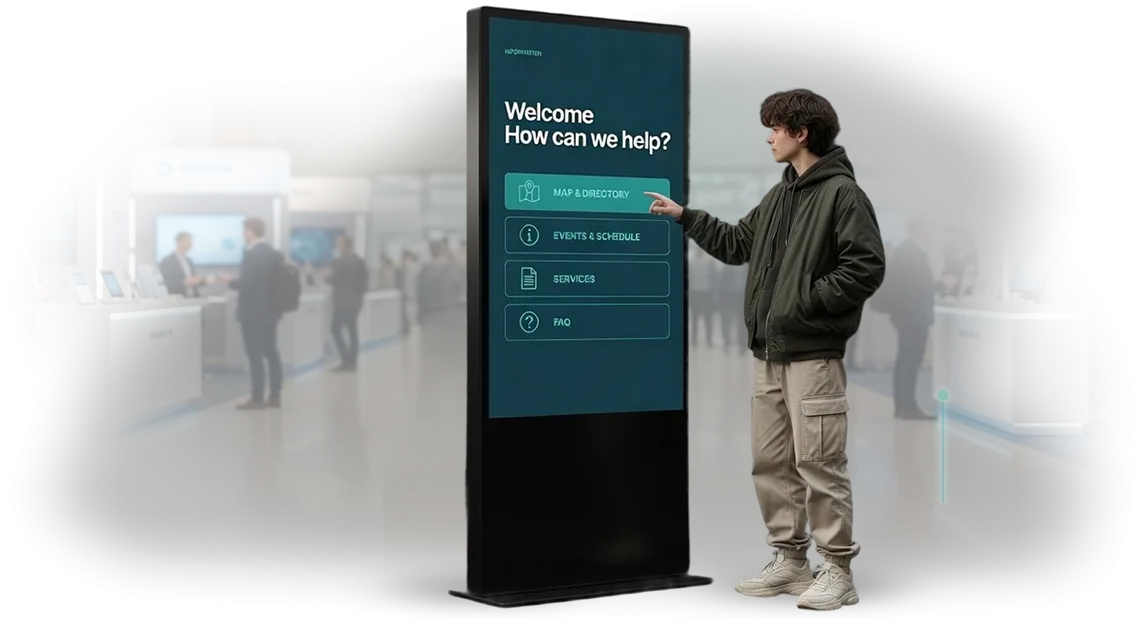
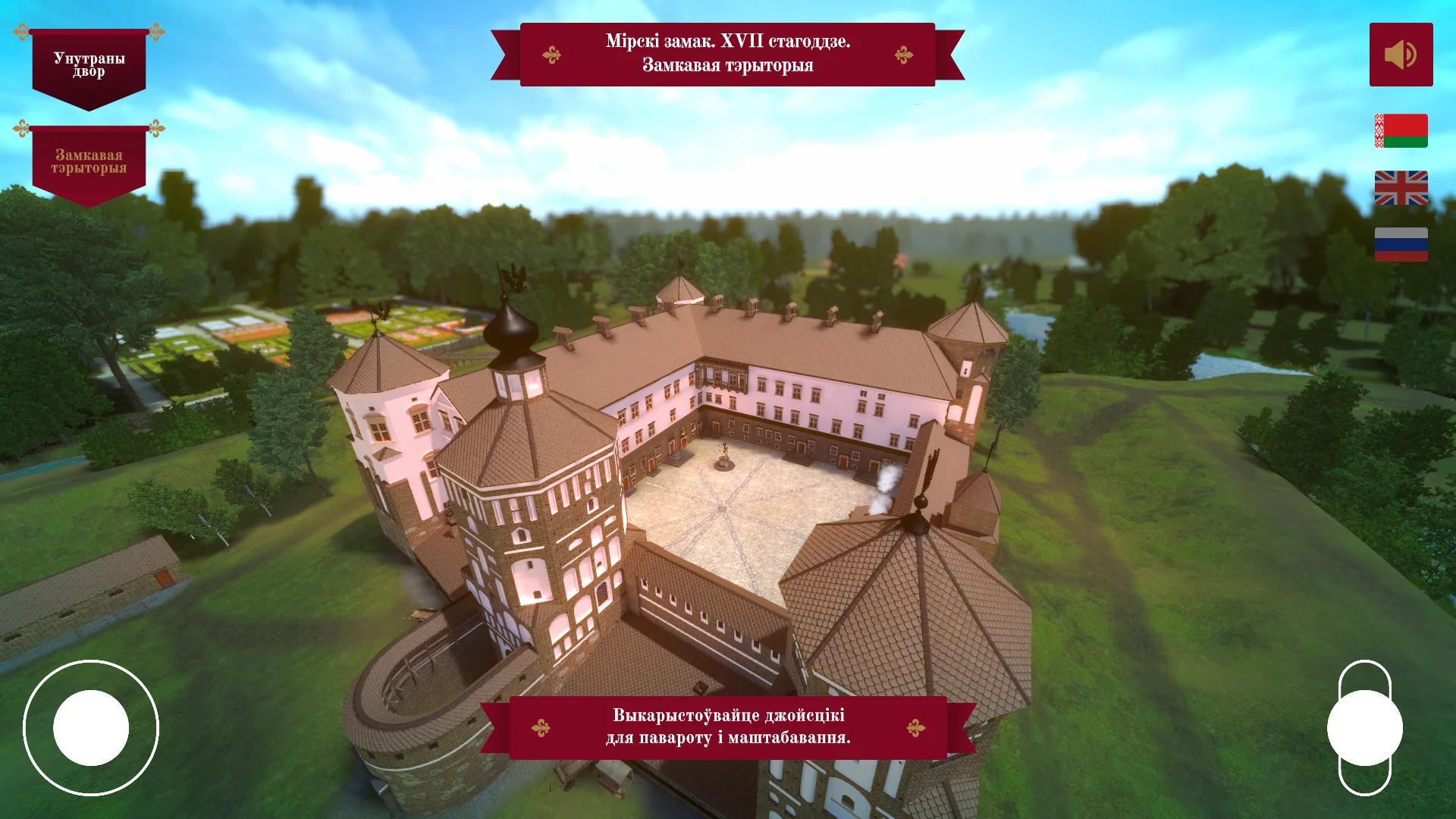
Interactive kiosks solve this problem by turning passive viewing into a lively dialogue with the exhibition. Guests choose for themselves what to explore: the history of an object, enlarged details, reconstructions, or curator comments.
This format holds attention naturally — people become engaged in the process rather than just reading text.
For the museum, this is not only about caring for visitors' impressions but also measurable benefit. Visitors spend more time, return more often, and recommend the museum to friends.
Kiosks take on part of the guide's work, answer typical questions, and help collect depersonalized statistics — which topics generate the most interest. This data can be used to improve the exhibition and make it even more relevant.
We help museums implement interactive kiosks turnkey: from scenario and interface design to installation and support. Our engineers work with professional equipment, and we design the interface so that both visitors and staff find it easy to use.
The kiosk becomes a natural part of the museum exhibition, enhances it, and helps hold guests' attention.
What you get from interactive technologies
Interactive kiosks turn passive viewing of an exhibition into a lively dialogue. Visitors choose what to study: they open additional materials, watch videos, and answer questions. This holds attention and evokes emotions that are remembered.
Visitor engagement directly affects the time spent in the museum. When guests participate in the process, they stay longer than usual — they manage to see more exhibits and form a personal impression. Longer visits mean higher ticket value and more reasons to stop by the café or souvenir shop.
The interactive experience becomes part of the museum's image. Guests tell friends about it and post photos on social media, and the brand receives free recommendations.
This builds awareness of the museum among those who have not visited yet and strengthens its status as a modern cultural venue.
Increased attendance is a natural result. New formats attract younger audiences that are hard to interest with static stands. Parents bring children back because familiar exhibits reveal themselves anew each time. For the museum, this means a steady stream of new guests and growth in repeat visits.
We help implement kiosks that become a point of attraction, not just an information plaque. As a result, the museum gets more live responses, higher guest loyalty, and a confident reason to return.
Kiosks for museums: formats for your task
Which format to choose for your task
Every museum solves its own tasks: some want to hold visitors at an exhibit, others want to guide them through the halls without crowds at the entrance, and still others want to show what does not fit in a showcase.
There is no universal "one" kiosk, so we select a format based on the specific goal of the exhibition and visitor behavior.
Below is a short guide to the four formats we most often implement for museums. In each case, we handle scenario design, interface design, cabinet production, and installation ourselves.
| Format | For whom | What it gives the visitor and museum |
|---|---|---|
| Touchscreen kiosk | For individual visitors and small groups | Quick access to exhibit descriptions, photos, and videos — without queues or paper booklets |
| Interactive table | For families and school groups | Shared exploration of maps and materials: guests join the game and stay longer in the hall |
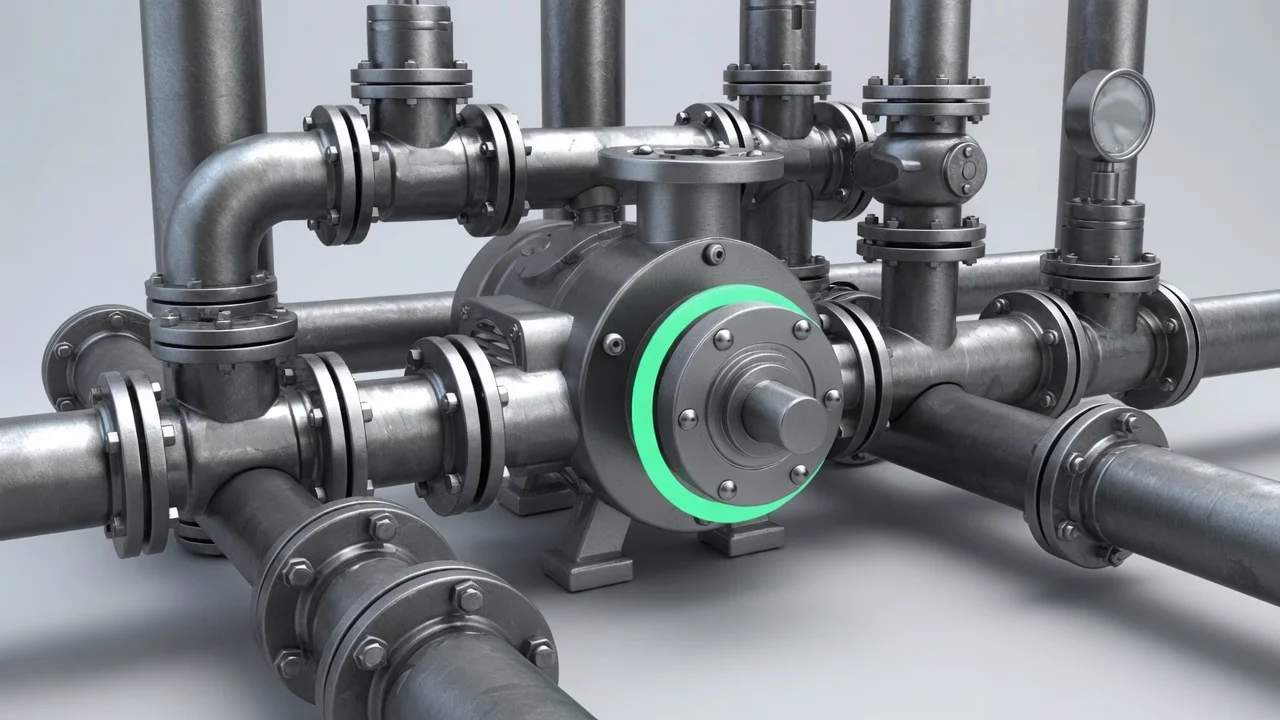
| Interactive showcase | For unique or fragile exhibits | Displaying details not visible to the eye: volumetric layers, the object's history, fragment magnification |
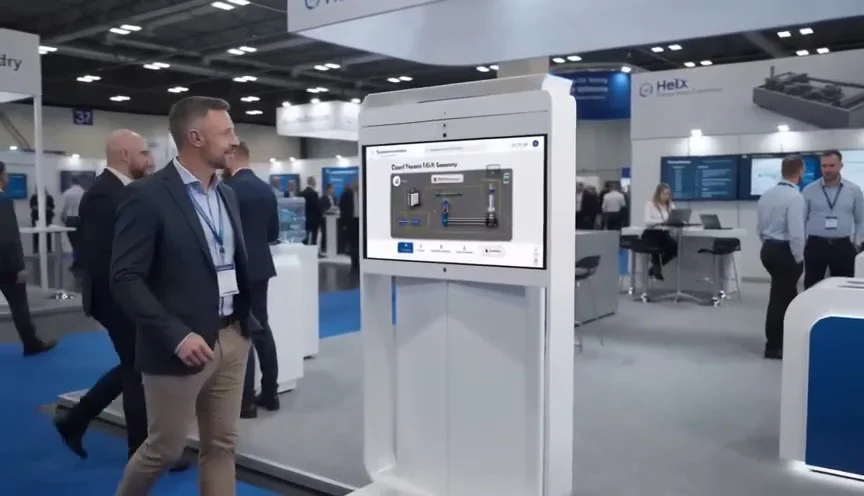
| Wayfinding kiosk | For large exhibitions and complexes | A clear route through the halls, search for a desired object, reduced staff workload |
How we help with the selection
We do not sell a "box with a screen" — first we study the exhibition, visitor flow, and curators' goals.
This allows us to propose a format that genuinely increases time spent in the museum and the number of repeat visits, rather than simply adding technology to the interior.
How we create interactive solutions for your exhibition
The work process is structured so that you always understand what stage the project is at and do not waste time on unnecessary approvals.
We handle all stages — from the first meeting to kiosk maintenance after launch — so all you need to do is immerse us in the exhibition's goals and accept the result.
-
Brief and immersion. We meet in person or on a call, listen to what tasks the kiosks should solve, study the audience and the specifics of the space. The outcome is an approved technical specification that protects you from unexpected changes at the start.
-
Concept and scenarios. We propose 2–3 options for structure and content, and show how a visitor will move through the exhibition. You choose the scenario that best suits your task — even before development begins.
-
Design and content adaptation. We create an interface that is clear to both children and adults, with large elements and convenient navigation. We prepare texts, images, and videos, or adapt your materials — no need to hire designers and editors.
-
Development and preview. We assemble a working prototype and show it to you on a test stand. At this stage, it is easy to make adjustments so that when launched, the kiosk works exactly as you expected.
-
Launch and training. We install the equipment, configure it for the specific location, and conduct a short training session for your staff. They immediately know how to turn on the kiosk, replace materials, and resolve simple issues.
-
Support and updates. We stay in touch after launch, monitor operational stability, and help update content when new exhibits or temporary exhibitions appear.
What is included in the delivery of the interactive complex
The full scope of delivery is not just a device in the hall, but a ready-made solution that starts working from day one. We handle equipment, software, content, installation, and staff training — all you have to do is open the doors to visitors.
- Kiosk equipment — a touchscreen stand with a vandal-resistant enclosure that suits the museum's interior and tasks. You get reliable technology that withstands a constant flow of guests and does not require frequent repairs.
- Software — a convenient content management and administration system. You can update information yourself, add new exhibits, and view statistics: which materials interest visitors the most.
- Content filling — texts, images, videos, and audio guides prepared for your exhibition. Instead of dry descriptions, guests see living stories that hold attention and increase interest in the exhibits.
- Installation and commissioning — delivery, setup, and configuration on site. We connect the kiosk, check all operating scenarios, and hand over a fully ready system — no need to deal with wires and settings yourself.
- Staff training — practical sessions for your employees. Administrators and hall attendants quickly master the system, and if necessary, we provide consultations by phone or remotely.
- Warranty and support — maintenance, software updates, and technical assistance. You are protected from downtime: if a failure occurs, we restore operation as quickly as possible.
As a result, you get a package that covers all stages — from delivery to first launch. You will not need to buy anything extra, finish anything, or coordinate with third-party contractors: the entire project is managed by one team.
Case: how an interactive stand brought the exhibition to life
Many museums face the same pain point: visitors walk through a hall in two minutes without stopping at showcases. We make interactive kiosks for museums because a well-designed scenario turns an ordinary screen into a tool for growing interest in the collection.
Project history
A museum of city history approached us with the task of bringing an exhibition about everyday life at the beginning of the last century to life.
Instead of a standard showcase, we installed an interactive stand styled as a working desk: a map, letters, household items — everything can be "opened," listened to, and watched as video.
The solution changed visitor behavior. In a month, the stand received more than four thousand touches without a single failure, even on days with school tours. Teenagers who used to rush through the hall now gather around the exhibit and pass headphones to one another.
Implementation results
The key indicators are museum-based, not technical. Average time at the exhibit grew from 40 seconds to 6–7 minutes, and 83% of visitors reached the final task.
In the survey "your favorite object," the stand was named twice as often as the most famous part of the exhibition.
For management, this means growth in repeat visits and recommendations: guests return to show the stand to their loved ones. The neighboring hall ordered a similar kiosk, and we gave the regular client a discount. The successful project led to a new order — the best possible implementation result.
How to choose a suitable format?
Choosing a kiosk format begins not with an equipment model but with your tasks: what should the visitor do — quickly find an exhibit, immerse themselves in history, or share an impression.
Each scenario has its own solution, and the main thing is not to overpay for unnecessary features and not to leave guests in front of a boring screen.
The first criterion is area and location. If you have a narrow corridor or a small niche, compact floor-standing kiosks with touchscreens will work — they take up less than a square meter and do not create queues.
In spacious halls, large interactive panels and multimedia tables work better: they attract attention, gather visitors into groups, and hold them at the exhibition 2–3 times longer.
The second criterion is audience. For school groups, choose scenarios with game mechanics and short tasks: children absorb information better through quizzes and augmented reality.
For adult tourists, focus on content depth — video stories, archival photos, interactive excavation maps. If many guests are foreigners, a multilingual interface and convenient exhibition navigation are important.
The third criterion is update goals. Static information showcases become outdated and require printing costs, while digital kiosks can be updated in an evening without contractors.
Interactive equipment pays off not only on launch day: you can change exhibitions, add special projects, and collect statistics — which exhibits are viewed more often and how much time is spent at the screen.
With these criteria in mind, it is easy to cut out the unnecessary.
We help you choose the configuration and content for your budget and space, and during the launch process we adapt the interface to real visitor behavior — from the first touch to deep exploration of the exhibition.
Answers to frequently asked questions about implementation
Implementing kiosks for museums raises practical questions: will the equipment withstand visitor flow, who will maintain it, and is it easy to update information. We answer these concerns directly — without complex technical details.
If your question is not on the list, just write to us — we will suggest a solution for your exhibition and budget.
What happens if the kiosk breaks down?
Kiosks are designed for high loads and run on industrial components. In the event of a failure, the system automatically restarts, and for a serious breakdown we quickly replace the faulty unit — the museum is not left without interactivity during the repair.
Who will maintain the kiosks, and how difficult is it?
No dedicated employee is needed. We will train your administrator in simple operations, or take over maintenance entirely under a contract. Most issues are resolved remotely; if necessary, an engineer visits on site.
How do we update content when exhibitions change?
You change texts, photos, and videos yourself through the control panel — without developers. You can also enable automatic loading of news from the museum's website, so the kiosk always stays current without manual work.
What warranty and support are provided?
We offer a warranty on equipment and software, with the term fixed in the contract. It includes repair or replacement of hardware, system updates, and consultations by email and phone. If desired, we can add priority engineer visits.
Let's discuss your project? Leave a request
Interactive kiosks for museums are a way to hold visitors' attention and tell the exhibition story more deeply. But to get a working result, what matters is not just equipment, but the scenario and content. We will help determine what your museum specifically needs and plan the budget without overpaying.
Leave a request for a kiosk — and after you contact us, you will receive:
- A consultation with a specialist in museum interactive solutions: we will analyze the tasks of your hall — navigation, exhibition enhancement, independent study of materials.
- A cost calculation for your format: we will show what the price includes — equipment, design, interface, content, installation, and launch.
- A selection of solutions for your exhibition: we will offer 2–3 options, from compact stands to multimedia zones that fit your budget.
- An assessment of implementation timelines: from concept to launch, you will know the exact dates before the work begins.
- Examples of museum projects and descriptions of scenarios that have already helped colleagues attract visitors.
- Content recommendations: we will suggest formats that engage schoolchildren, tourists, and adult audiences.
- Post-launch support: content updates and technical assistance without long waits.
Send a request through the form on the page or call us — we will get back to you within one business day. All decisions and the cost will be recorded in the contract, so you can control the result and budget at every stage.