

Guests Leave Without Ordering? An Interactive Pie Table Solves the Problem
Every day, a pie shop loses guests right at the display case. People walk up, look at the pies, but can't decide what to choose, and leave without ordering.
The reason isn't the quality of the baked goods — it's simply too many choices and not enough time: a lunch break, a child in tow, a phone call. That's how a problem we see all the time in the industry takes shape: there's foot traffic, but sales at the pie shop stay flat.
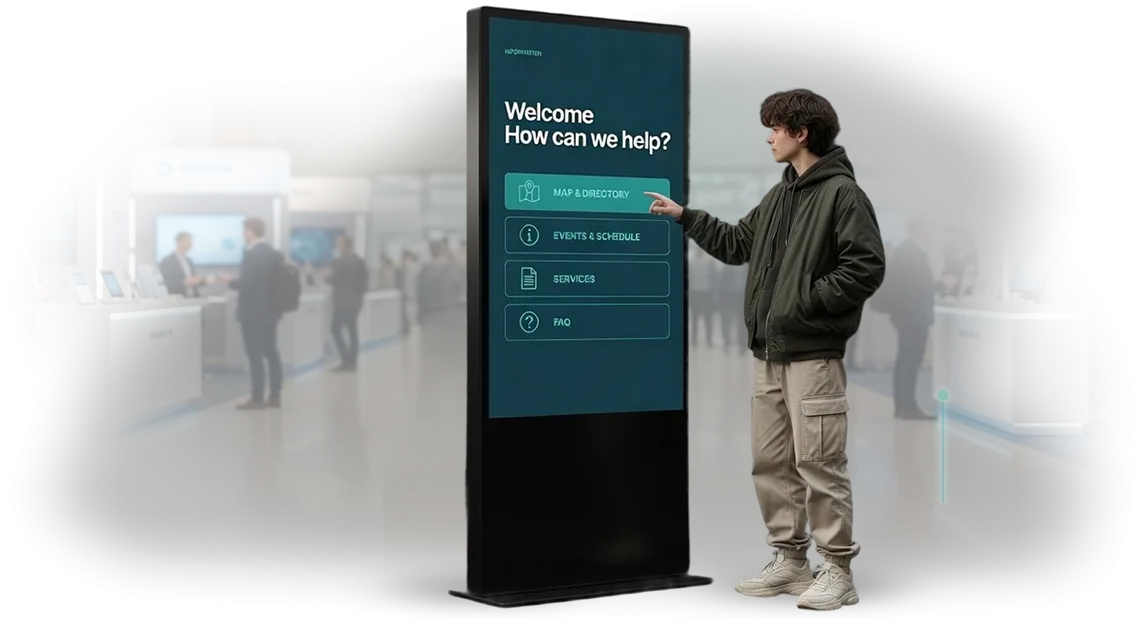
The interactive pie table changes that scenario. Instead of dull contemplation of the display case, the guest gets a vivid story about each pie: ingredients, appetizing cross-section photos, drink pairings.
The solution quickly answers the main question — "what do I want to eat right now." People stop hesitating, make a choice, and order more than they planned.
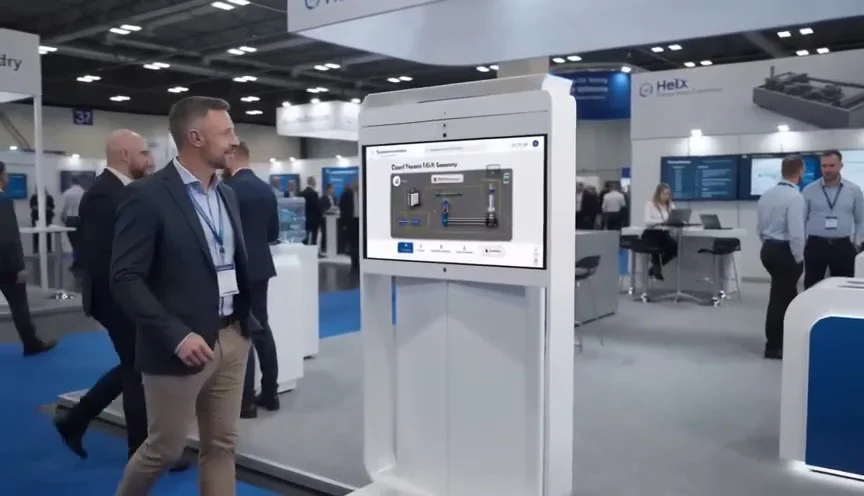
This kind of equipment attracts attention from a distance: guests approach, tap the screen, and see their pie up close. It's not just a pretty picture but a tool that turns uncertainty into an order.
Business owners report that the average check grows and guests are more willing to try new items. Those who came in for a cup of tea often leave with a pie and a dessert.
We created the interactive pie table as part of a comprehensive solution for cafes and bakeries. Our engineers considered the audience's age, service specifics, and interior — the table fits organically into the dining area and doesn't require constant staff presence. Guests operate it themselves, and staff simply take the order once the choice is made.
It pays for itself through increased revenue, not through savings. More guests with orders, a higher average check, satisfied visitors who come back and bring friends.
If your pie shop often sees people staring at the display and then leaving, the interactive table closes exactly that gap. We'll walk you through how it works in your venue.
What a Pie Shop Gains from a Digital Assistant
The interactive table turns a routine visit to a pie shop into a small event.
Guests see pies and desserts in full detail, examine ingredients, swap fillings, and instantly add favorites to their order — that's how spontaneous purchases happen, and the average check rises without pushy persuasion from staff.
While the guest waits for the order, the digital assistant keeps them engaged with recipe stories, a quiz, or building their own plate.
The pause flies by unnoticed, the impression stays vivid — and guests return with friends, recommending the pie shop as a place with a special touch.
The striking table draws eyes, and visitors ask to take photos by the screen. Guests share the shots on social media, and the pie shop gets free advertising and greater recognition among new customers in the neighborhood.
Meanwhile, the digital assistant quietly collects useful analytics: which pies are chosen most often, what times see the biggest rush, and which drink pairings work best. You update the menu and promotions based on facts, not guesses, and prepare for waves of guests in advance.
Staff no longer need to repeat dessert ingredients twenty times and describe every pie. With self-ordering, guests get answers faster, and employees save hours every day — time they can invest in live interaction and careful plating.
Interactive Table Formats: From Counter to Dining Area
Choosing an interactive table "by eye" is risky: what works at the counter gets in the way in the dining area, and a too-bulky structure simply won't fit the floor plan.
We select the format for your scenario — guest count, register location, and the task the table should solve: speeding up decisions, raising the average check, or introducing new items.
Every location has its own rhythm: in a small pie shop, fast selection at the register matters; in a cafe with seating, guest retention and upsells matter; in a high-traffic spot, the attention of passersby matters. That's why we build three base formats, each customized to your menu and design.
Three Formats for Your Pie Shop's Goals
| Format | For Whom | What It Gives the Customer |
|---|---|---|
| Compact counter stand | Pie shop with a takeout queue | Guest quickly chooses from 10+ items and sees add-ons to the order — the queue moves faster, the average check grows |
| Dining-area table | Cafe with seating | Guest browses the menu at the table, studies ingredients, orders a dessert with tea — longer visit, higher check |
| Showcase at the entrance | Location with active visitor flow | Passersby see promotions and new items before they even walk in — more entries, greater recognition |
The counter table takes up less space and acts as an extra salesperson during peak hours. The dining-area format is larger, with a comfortable viewing angle so guests can flip through the menu without getting up. The entrance showcase is autonomous and draws attention through the window glass.
We help you choose a configuration for your space and guest flow, manufacture the structure on professional equipment, and install it without halting your location's operations. Menu and promotion updates are on us — content changes remotely, with no engineer visit needed.
How the Project Goes: From Brief to Launch
We've structured the process so implementing an interactive table doesn't distract from daily operations and stays predictable in terms of timing. Every development stage is open: you see intermediate results, ask questions, and shape the final decision before launch.
-
Brief and immersion. You tell us about your venue's format, guest profile, and goals — we propose an interaction scenario that holds attention and increases the average check. We lock in timelines and budget.
-
Layout and approval. We show the screen structure and navigation logic before development begins. You see how a guest will choose dishes, learn about ingredients, and place an order, and you make edits at this stage.
-
Design and content. We adapt the look to your brand style, select fonts and images, and load the menu, promotions, and new items. You review the texts before launch — no surprises on opening day.
-
Setup and testing. We test scenarios on the real device: response speed, navigation ease, display accuracy. We fix any issues before the table appears in the dining area.
-
Launch and training. We install the equipment, adjust lighting and tilt angle, and train staff: how to greet guests, offer help, and resolve situations quickly. You get a finished, working tool.
-
Post-launch support. We stay in touch: we update content, add new items, and assist when promotions or seasonal menus change. The table runs reliably every day.
What's Included in the Delivery for Your Pie Shop
The delivery includes a turnkey package for your pie shop: the interactive table itself with anti-vandal coating and a sturdy base, a configured menu management program, design in your brand colors, games for children, and staff training.
We don't hand you a box of parts — you get a working solution that raises the average check and brings guests back. Everything is already assembled, tested, and ready from day one.
- Interactive table equipment for the pie shop: a touch panel rated for heavy visitor flow and a base that fits the dining area. The structure withstands accidental bumps, spilled coffee, and children's play.
- Digital menu with photos and descriptions: the guest picks a pie, sees the filling and price while waiting for the order. You update dishes and prices yourself through a simple editor — no programmer or middlemen required.
- Entertainment for young guests: the "What's in the Pie?" quiz, coloring pages, and a "build your filling" game keep children occupied while parents browse the menu and calmly place an order.
- Branded design: screensaver, screen wallpaper, menu buttons, and games are done in your brand colors with your logo and current promotions. Visitors remember your pie shop and come back.
- Installation and training: our engineers deliver, install, and launch the table, and give your staff short, clear instructions. Launch takes one day, not a week of approvals.
- Warranty and support for the entire service life: maintenance, content updates, and consultations on any questions. You're never left alone with the equipment — we're always in touch.
- Set passport and technical documentation: we record the equipment list, warranty obligations, and maintenance schedule. For the owner, this means transparency and control over the investment, with no hidden conditions.
Case Study: How We Increased Sales at a Pie Shop by 40%
A small pie shop chain faced a classic problem: guests took a long time choosing, asked the same questions, and staff couldn't keep up with the queue.
We proposed replacing the paper menu with an interactive table — featuring large photos, filling descriptions, and the story behind each pie. The client agreed to a pilot project at one location.
A month later, we summed up the results and compared them to the previous period. The average check grew by 18%, repeat visits increased by a quarter, and overall pie shop revenue rose by 40%.
Guests began spending more time at the table — but that very time converted into orders: they saw appetizing images and added extra desserts and drinks to their basket.
What the Interactive Table Delivered
For the pie shop chain "Пироги&Ко", the table became more than a menu — it became a sales tool. Thanks to the visual presentation, guests stopped asking "what's inside?" — all the information was right on the screen. This reduced staff workload and sped up service during peak hours.
We took the pilot's lessons into account: simplified the interface, added a "sales hits" section, and built a child-friendly scenario. Two months later, the chain ordered tables for three more locations — the project paid for itself in under six months.
This interactive table case is a clear example of increasing sales without expanding the menu or the ad budget.
How to Choose a Pie Shop Solution That Fits Your Budget?
Choosing a solution for a pie shop starts not with price but with a question: what exactly should change in the establishment — grow the average check, speed up service, surprise guests, or collect contacts for mailings.
There's no universal option, so we first define the task and then pick the format and budget around it.
If the main goal is to keep guests in the venue longer, have them return more often, and bring friends, the interactive table becomes a center of attraction.
It turns the wait for an order into a game or a look into the pie shop's story — and every minute of that interaction builds loyalty and social media mentions.
If the priority is instead to offload staff and speed up flow, a compact touchscreen kiosk with menu and payment is enough.
The budget can vary: from an investment in a small stand with a clean interface to a full-fledged interactive table that becomes the venue's calling card.
We usually talk about a cost range calculated after audit for a table with your brand design and core logic, but the final cost depends on the volume of content and additional integrations — such as showing promotions or collecting reviews.
The key is payback. Even a serious interactive table pays for itself within a few months if it lifts the average check through order suggestions or draws guests into trying new items.
That's why at the start we work out the economics together with you and offer a solution that fits your budget and delivers measurable results — not just a pretty picture.
Let us study your pie shop, see how guests spend their time, and learn what they order most often — and we'll come back with a concrete proposal for your budget.
It will take no more than an hour, and you'll immediately understand which format will give your investment the strongest return.
Answering Common Doubts Before You Order
Before ordering an interactive table, every manager has the same doubts: timelines, complexity, warranty, updates, and price. We answer honestly — based on experience with projects already working in museums, shopping centers, and exhibitions.
How long does development take?
A typical project takes three to six weeks. We agree on the plan at the start and show results stage by stage, so you always see what's happening.
Is it difficult to install and operate?
We handle installation, setup, and staff training — it takes about an hour. Guests start using the table without instructions, and staff easily learn how to operate it.
What about warranty and breakdowns?
We provide a warranty on the equipment and the work, and we handle repairs ourselves. Most software issues are resolved remotely, with no downtime. Maintenance and support continue after launch.
How do we update content?
Updates take just minutes: we change texts, photos, and videos without stopping operations. You don't need to be a technical specialist — everything is done through a simple control panel.
How much does it cost?
We fix the full cost in the contract: development, equipment, and installation. There are no hidden fees — additional charges are possible only if you change the scope yourself. The table pays for itself through growth in the average check and guest flow.
Ready to Discuss Your Project? Leave a Request
Tell us how you'd like to use the interactive table — for the menu, pie presentation, guest entertainment, or venue navigation. We'll recommend what will deliver results in your particular case and handle the entire development: from idea to launch.
Leave a request, and within one business day we'll reach out, clarify the details, and prepare a proposal. You'll get:
- A consultation with our engineers and designers: we'll go through the tasks, audience, and use cases for the interactive table.
- A preliminary cost and timeline estimate: you'll know the budget before the work starts, with no hidden extras.
- A demonstration of solutions on real projects: we'll show how the table works in your industry and discuss what fits you.
- A commercial proposal with a fixed price: we'll lock in the scope, timeline, and cost — nothing will change along the way.
- Content recommendations: we'll help prepare materials that engage guests and boost sales.
- Post-launch support: we train staff, accompany the project, and promptly update content as needed.
The interactive table isn't just a screen — it's a tool that holds attention, builds interest in your product, and increases the average check. We've been delivering such projects turnkey for over 10 years and know how to turn technology into business value.
Leave a request right now — we'll discuss your project, answer your questions, and propose a solution that works for you.