


Losing Visitor Attention: Why an Interactive Table Is Essential
Visitors walk past a booth in a few seconds—the exhibit remains unnoticed, and the funds invested in it bring no result. Static booths and posters are perceived as background: they are looked at but not remembered. While visitor attention becomes the main value, an exhibit without engagement loses its purpose.
Today's visitors are used to interactivity: they want not just to look, but to participate, touch, and explore. When an exhibit doesn't offer that opportunity, guests quickly lose interest and leave for competitors—where someone "talks" to them. This is a direct loss of recognition, time, and budget spent on organizing the event.
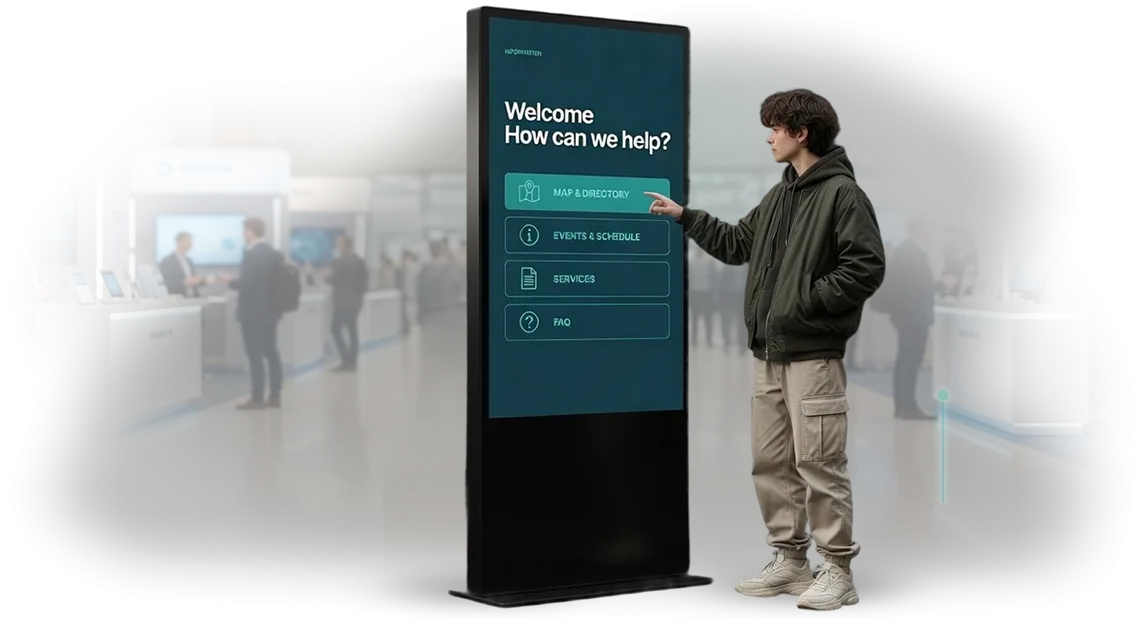
An interactive table solves this problem: it attracts attention, keeps visitors at the exhibit, and turns passive viewing into lively interaction. Guests choose what to explore, get information in a convenient format, and remember the brand through a vivid experience. This format makes the exhibit truly modern and sets it apart from dozens of similar booths.
We create interactive tables that engage visitors and amplify the impact of any exhibition.
Our engineers design scenarios based on your industry's objectives so that guests linger, study the material, and share their impressions—while you get a measurable result from participating in the event.
What You Get: Higher Engagement, Visitor Data, and a Strong Brand
Increased Engagement: Visitors Spend More Time and Remember You
The interactive table captures attention from the first second. Instead of walking past, guests stop, interact with the content, and spend several times longer at the table than at a typical display or poster.
This deep interaction turns visitors into active participants. They explore the product, play, browse the catalog—and what remains in their memory is not just an image, but a personal experience with the brand.
Visitor Analytics: You Know What Interests Your Audience
The interactive table records which sections are viewed most often, how much time is spent at the screen, and which scenarios are used. This data arrives in convenient reports—you see real audience interest, not guesses.
Based on this information, it is easy to improve the product range, rearrange zones, or adjust promotional materials. Every decision is backed by facts, which means it brings more value and saves budget.
Brand Strengthening: A Modern Image and Memorable Impressions
The interactive table creates a wow effect that guests tell their friends about and share on social media. This boosts recognition: people talk about your space, come back, and bring new visitors.
Sleek design and unique content emphasize the company's status. You look modern and high-tech, which matters especially if your audience is young, tech-savvy clients.
Interactive Table Formats: Choose the One for Your Task
An interactive table is not a single scenario but a whole family of solutions for different tasks. The same body and touch surface can work as an exhibit display, game zone, shopping mall navigator, or training simulator—the only difference is the content and scenario logic.
We customize each format for a specific venue and audience: you get a ready-to-use tool, not a "raw" structure. Below are the typical options we most often come to after talking with a client.
Typical Interactive Table Formats
| Format | For Whom | What It Gives the Client |
|---|---|---|
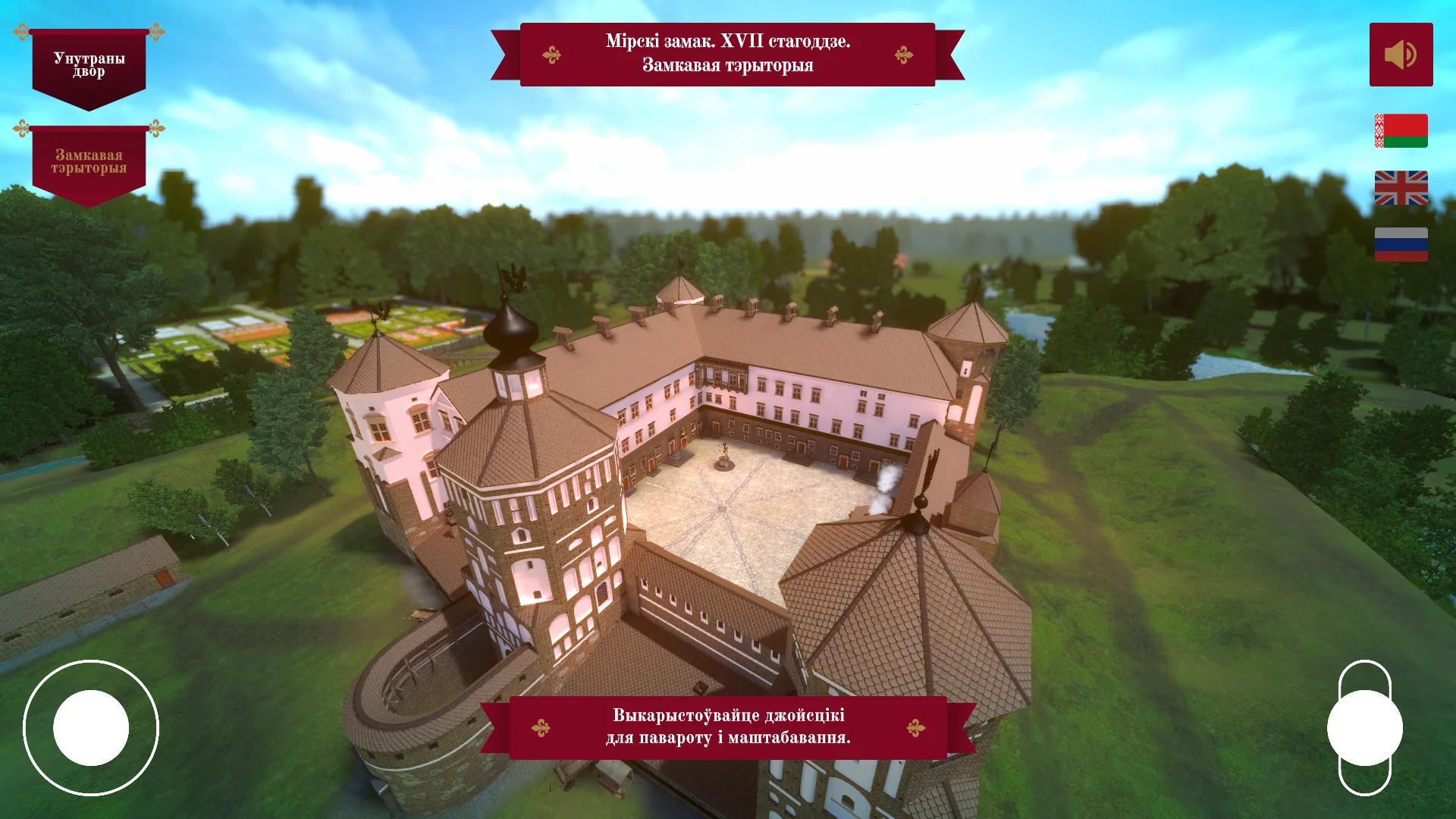
| Interactive table for museums | Museums, galleries, exhibition halls | Holds visitor attention at the exhibit 2–3 times longer, shows what is hidden behind glass—reconstructions, layers, object history |
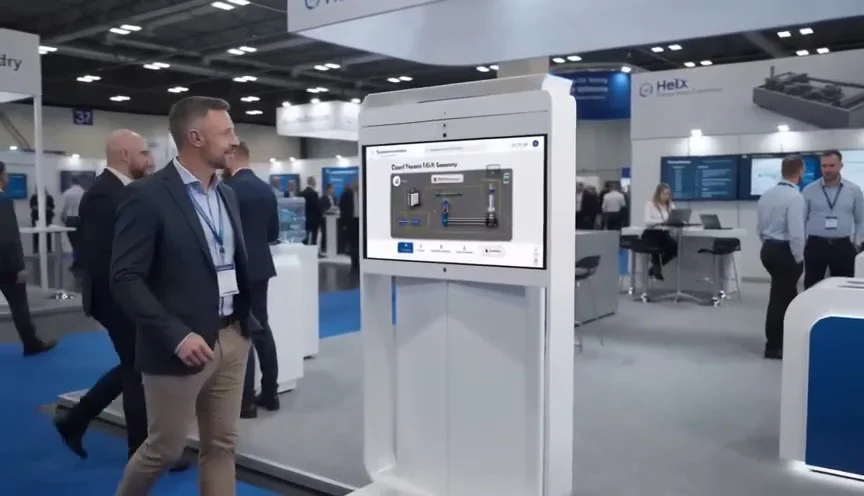
| For exhibitions | Participants and organizers of industry exhibitions | Attracts traffic to the booth, collects visitor contacts, makes the booth a noticeable event of the exhibition |
| For shopping centers | Malls, cafes, entertainment zones | Entertains guests, increases dwell time, helps with navigation and tenant promotion |
| For education | Schools, colleges, universities, children's centers | Turns theory into a team game: students absorb material faster, and teachers see progress |
Each format is refined to your scenario: language, visual style, scenario complexity, integration with your data. We are responsible for a turnkey result—from idea and design to launch and warranty support. Tell us your task—we'll advise which format will bring maximum value.
How We Work: Project Stages from Brief to Launch
We know what a project looks like when the process is opaque: the client waits for results, the contractor "shows" intermediate versions, deadlines slip, and the budget spirals out of control.
We have structured our work so you always see what is happening and understand how much each step costs. Below is a typical path for an interactive table from idea to launch and support.
-
Brief and task immersion. You tell us who your audience is, what goals the table should achieve, and where it will be placed. We ask questions that haven't crossed your mind and define clear success criteria: how many people should use it, what business impact is expected.
-
Concept and scenario. Our analysts and designers propose the content structure, navigation logic, and sample screens. You see how a guest will interact with the table—from the first touch to the outcome: booking, order, quiz, or presentation.
-
Layout approval. We show the interface for approval: visuals, texts, animations. We refine it until it is convenient and clear for you. This is where the main revisions happen—no surprises at later stages.
-
Assembly and development. Our engineers configure the hardware and write the logic for your scenario. You get a working version you can try out even before final installation—we test it with real actions: quick touches, simultaneous users, long-term operation without failures.
-
Testing and launch. We test the table in conditions close to real-world use, install it at the venue, and train your team. We provide clear instructions and a short training session so staff can assist guests right away.
-
Support and growth. After launch, we don't disappear: we update content for new promotions, seasons, or menus, monitor system performance, and refine scenarios on request. You can always count on priority help—just write to us in the chat.
What's Included in the Delivery: A Complete Launch Package
You receive an interactive table that is ready to work immediately after installation. We handle all stages: from hardware selection to staff training. The package includes everything you need—no hidden costs or technical hassle.
Here is what's included in the delivery:
- Hardware and software. The table is assembled, configured, and tested before shipping. You get a device that works out of the box.
- Installation and connection at your venue. Our engineers arrive, install the table, connect it to power, and verify operation on-site. No need to look for third-party installers.
- Instructions and documentation. Simple materials for administrators and staff: how to manage content, turn the device on and off, and resolve minor issues.
- Staff training. We conduct a short training session—and your specialists can upload materials and work with the interface on their own.
- Warranty and technical support. The hardware and workmanship are covered by a warranty. During the warranty period, we provide free consultations and quickly resolve any issues.
- Software updates. We regularly release updates to keep the table running stably and data protected.
In the end, you get not just an interactive surface, but a ready-made tool for attracting visitor attention. After launch, all that's left is to upload your content—and the solution starts delivering value to your business from day one.
Real Project: Engagement, Growth, and Measurable Results
For a major museum, Horizon, we designed and launched an interactive table in the exhibition hall. The task was simple and complex at the same time: to keep visitors at the exhibit and turn their interest into clear numbers for management.
Before our solution, guests walked past the booth in a few seconds, not stopping at the exhibits. After the interactive table was launched, the average time at the booth tripled—from a quick glance to a full exploration of the material.
People began to come back and bring friends, and the museum's administrators got a simple dashboard with data on the most popular sections of the exhibit.
We built scenarios in the visitor's language: intuitive gestures, large graphics, mini-games, and instant feedback. At the same time, our team set up anonymous analytics collection—how many touches, which topics resonate, and when load is highest. This allowed the client to justify expanding the exhibition and adjust the attendants' schedules.
Engagement grew not only in seconds at the screen, but also in reach: within the first months, the interactive table became the museum's most photographed spot. Every visitor brought free social media mentions.
The measurable effect—a 40% increase in repeat visits and a contract renewal for the next season. For us, this is the main confirmation: the right interactive table scenario turns one-time curiosity into lasting interest and measurable value for the business.
How to Choose a Format for Your Project's Task and Budget?
Choosing an interactive table format starts not with technical parameters, but with two questions: what visitors should do and how long the table will stay in one place. If the goal is to attract attention and introduce a product, a compact portable solution is enough.
If the table is needed as a permanent element of an exhibition hall or museum, we choose a built-in design—it is more reliable and looks cohesive.
Next, we consider the budget. For a limited budget, we select a standard configuration without sacrificing quality: the table runs reliably, and exclusive design can be added later.
If you are ready to invest more, you get a larger format, enhanced durability, and a custom design tailored to the interior. In both cases, you pay for the task, not for unused power reserves.
The third criterion is the usage scenario. In a waiting area, the table should hold attention for 2–3 minutes: simple quizzes and catalogs will work. For training or presentations, you need the ability to quickly change materials and control them from a tablet.
We always help you select a configuration for your process: we show how visitors will interact and calculate the load in advance.
If you are unsure, we conduct a short consultation and offer 2–3 options with different costs and capabilities within a couple of days. No overpayment—only the features that deliver measurable results: more time at the table, repeat visits, and interest in the product.
Frequently Asked Questions About Development and Operation
Before ordering an interactive table, many people have questions about what happens after launch. Who is responsible for breakdowns, how quickly will it be installed, and how long does the warranty last? We answer the main questions so you understand how we work.
What is the warranty on the interactive table?
We provide a warranty on all equipment and workmanship. If something fails due to our fault, we will replace and repair it for free. We process requests within one day, and the average repair time is no more than a week.
What should I do if the kiosk breaks down?
We have a support service: you submit a request, an engineer checks the system remotely, and if necessary, visits the site. While repairs are being made, we provide a replacement module so the interactive experience keeps running without downtime.
How often does it need maintenance?
Usually, a scheduled inspection every six months is enough: we clean the dust, check the screen and software. For high-traffic locations with a constant flow of visitors, we recommend quarterly maintenance—it extends the lifespan and prevents breakdowns.
How long does development and delivery take?
From brief to launch takes 3-6 weeks depending on complexity. After that, we help with installation and setup. Post-launch revisions are made under warranty support with no extra charges.
Ready to Discuss Your Project? Get a Cost Estimate Within 2 Hours
Describe your task in a few words—and within 2 hours you'll have a clear estimate in hand: the interactive table format, timeline, and budget for your scenario. No "check with your manager" and no waiting for days. We'll ask the right questions ourselves to offer a solution that actually works for your business.
We'll find the right format for your task: a showroom model, an educational table for a museum, a mall zone, or a corporate booth. We'll tell you what will pay off faster, how many guests the setup can serve, and what content you specifically need. This is free and with no obligation.
What you get after submitting your request:
- Personal consultation: we review your goals and growth points, not just "calculate the box".
- A cost and timeline estimate in the form of a concrete commercial proposal—usually within 2–3 hours.
- A recommendation on format and content: so the interactive table delivers value, not just decoration.
- Content insights: we'll suggest which interaction scenarios will deliver maximum reach and memorability.
- Clear next steps: what we need from you, the stages involved, when launch happens, and what you receive at each step.
- An honest assessment: if a simpler solution is enough in your case, we'll say so directly and you'll save budget.
Submit your request now—and today we can discuss how to turn your idea into an interactive tool that attracts attention and solves business tasks. Write to us, and we'll send you a cost estimate within two hours.