



Why Visitors Leave Contemporary Art Museums
Contemporary art often seems incomprehensible to visitors: there is no familiar plot, few explanations, and meanings have to be guessed on your own. As a result, a guest spends a few minutes in the hall, loses interest, and leaves without ever engaging with the exhibition.
For the museum, this is lost attention — visitors do not linger, do not share their impressions, and do not come back again, which means the budget invested in the exhibition is not working to its full potential.
Without a clear interactive format, the museum misses out on the most important thing — an emotional connection with the audience. It is this connection that leads to repeat visits, positive reviews, and growing recognition among new guests.
The problem is compounded by the fact that today's visitors are accustomed to interacting with content rather than just looking at it. If the museum does not have such a tool, more flexible venues get ahead of it.
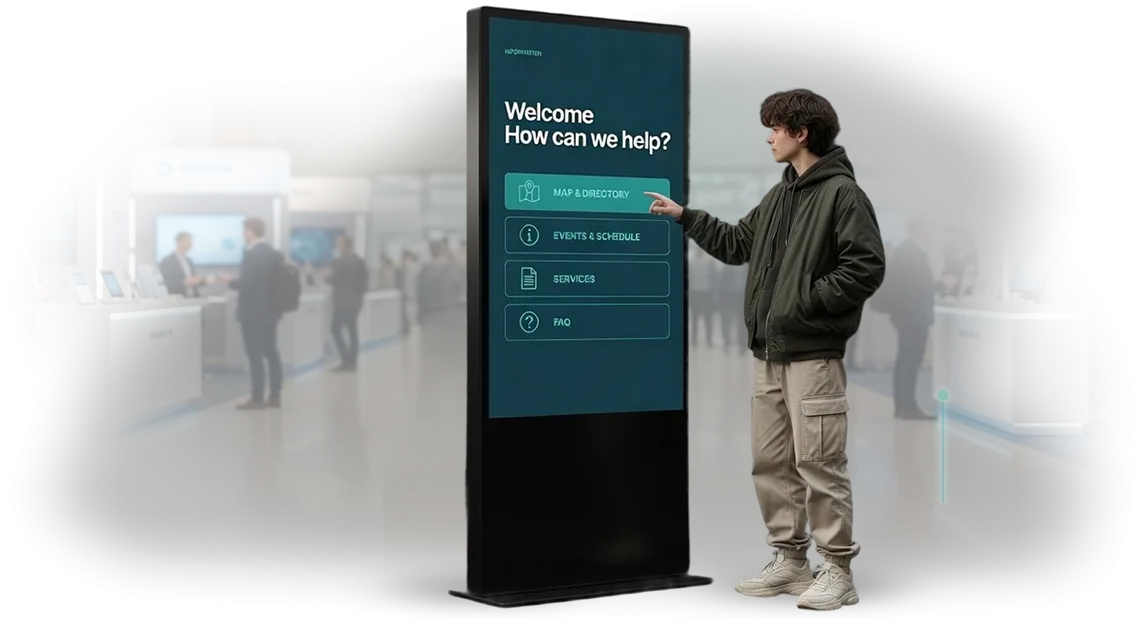
An interactive kiosk for a museum solves this problem: it gives guests a clear entry point into the exhibition, explains the author's intent, and engages them in exploration through a memory book and archival materials.
The visitor stops being a passive observer — they explore the stories behind the exhibits, browse archival records, and leave their own mark. This format holds attention for a long time and creates a personal experience worth returning for.
For a contemporary art museum, this is also a way to preserve and showcase its collection in a new light.
The archival kiosk brings together digital materials, photographs, and documents, turning them into a living narrative that is understandable to both younger audiences and older generations.
Investments in the exhibition begin to pay off: guests spend more time, return more often, and tell others about the museum.
We have been creating interactive solutions for cultural venues for over ten years. We know how to turn a complex exhibition into a clear and engaging route that holds visitors' attention and strengthens the museum's reputation.
Our goal is to address exactly the pain point contemporary art museums face: lost attention and unmet expectations from the invested budget.
What an Interactive Kiosk Gives Visitors and Your Team
An interactive kiosk turns an ordinary museum visit into a real exploration. Visitors choose for themselves which exhibit to learn more about: they watch the story of its creation, rare footage, and hear the artist's voice.
This format holds attention longer than a wall label, and every guest leaves with a personal impression they want to share.
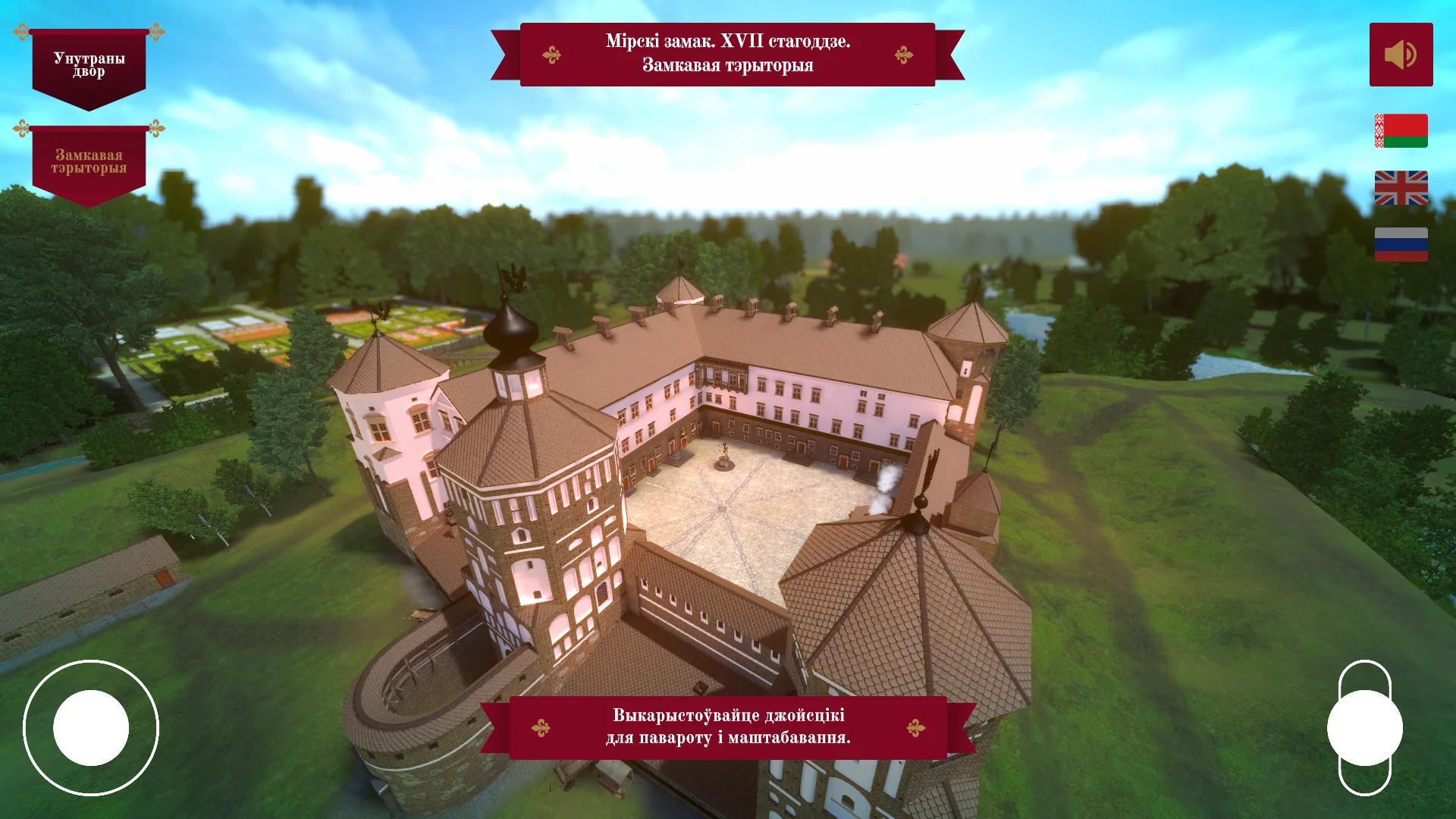
With a kiosk, it is easy to find your way around even in a large space. Guests see a map of the halls, current exhibitions, and upcoming events, and also learn where the cloakroom, café, and exit are.
This eliminates a portion of questions to the administrator — visitors find their own route, and your staff focus on real guests instead of repeating the same thing ten times.
Kiosk navigation is especially helpful during peak hours: on weekends or during the opening of a new exhibition. People do not crowd around the information desk but immediately follow their own routes. This reduces the load on staff and makes visitor flow more predictable.
The kiosk also works for the museum's image. A modern interface and well-thought-out presentation of materials signal that the institution is keeping pace with audience expectations. Younger guests value independence, while adults value convenience and speed. Everyone enjoys being in a space where you are taken care of: guided, assisted, and surprised.
In essence, you get a digital assistant that works around the clock and never gets tired. It enhances the impression of the exhibition, helps guests feel confident, and at the same time frees up your team for genuinely live interaction with the audience.
Interactive Kiosk Formats for Modern Needs
Visitors to a contemporary museum come for experiences, not for text on a wall. Classic labels lose to touchscreen stories: people want to choose for themselves what to look at and get answers instantly.
Interactive kiosks turn the exhibition into a living conversation — guests stay in the hall longer and come back again.
We have created three basic formats that cover most museum needs. Each one is a carefully designed scenario: from interface design to content logic. Below is a table to help you choose based on your exhibition.
Formats for Museum Needs
| Format | Who It Is For | What It Gives the Client |
|---|---|---|
| Touchscreen memory book | Memorial exhibitions, exhibitions about people | Visitors leave notes, photos, and video testimonials — the museum gets a living chronicle |
| Archival kiosk | Researchers, curators, students | Instant access to digitized collections and catalogs — reduces the load on staff |
| Navigation station | All visitors, families with children | Helps plan a route and find an exhibit — increases dwell time and reach |
The archival kiosk is especially important for contemporary art museums: curators can study works from storage without waiting for a guard's assistance. The navigation station helps guests find their bearings in the space.
And the memory book turns the viewer into a co-author: their contribution remains part of the exhibition.
We adapt any format to your museum: we add a recognizable style, integrate visit tracking, and make the interface convenient for all ages. A single touchscreen kiosk can combine roles — for example, open the archive and collect feedback.
Send us a description of your exhibition — we will advise which format will bring the most value to your visitors.
How We Launch a Project in Five Steps
A modern museum is not only halls and exhibits but also digital points of contact with visitors. An interactive kiosk with archives, biographies, and video materials helps every guest build their own route and dive deeper into art.
To ensure such a project delivers value and raises no questions for the museum team, we have broken the work down into five transparent stages.
-
Brief and interviews with curators. We immerse ourselves in the kiosk's objectives, study the exhibition, and analyze the target audience. We document which materials should be available to visitors — from chronology to archival records. As a result, you receive a document with the project's goals and success criteria.
-
Plan and prototype. We create the screen structure, navigation logic, and design mockup. You see in advance how visitors will search for information and which sections will take priority. This allows you to adjust the kiosk's behavior before development begins.
-
Approval and scope of work. We finalize the timeline, stage composition, and cost calculated after audit. Any new ideas are discussed in advance and added to the plan separately. You always know what is included in the project and what falls outside its scope.
-
Implementation and testing. We assemble the interactive system, fill it with content, and verify the usability of user scenarios. The museum receives a working version for internal evaluation, and we make adjustments before the official launch.
-
Launch and support. We install the kiosk in the hall, configure the schedule, and train the staff. We hand over a clear instruction manual and remain available for updates and consultations. The kiosk operates stably and remains a convenient tool for visitors.
The museum always sees what stage the project is at and what comes next. Thanks to this approach, launching a kiosk becomes a predictable event, and visitors get access to a rich archive — without complications or technical failures.
What Is Included in the Interactive Kiosk Delivery
When a museum orders an interactive kiosk, it often turns out that besides the device itself, issues of design, content, installation, and support need to be resolved. To avoid assembling a solution from multiple contractors, we deliver the kiosk as a ready-made turnkey package. Below is the full list of what is included in the delivery.
- Equipment with custom housing design: a kiosk that fits into a contemporary art museum's exhibition — taking into account the style, emblem colors, and spatial features. Everything is assembled and tested before installation.
- Content for the kiosk: interactive memory book, archival materials, wayfinding through the halls. We structure the content so visitors can easily search and browse.
- Kiosk installation: we deliver, set up, connect to the power supply and your systems (if necessary), and verify operation on site.
- Staff training: a short hands-on session for employees — how to start the kiosk, update materials, and assist visitors.
- Kiosk technical support: we respond to requests by phone or remotely, and in complex situations we visit on site. Average response time is specified in the contract.
- Content updates: we help add new records, photos, videos, and texts so the kiosk stays current as exhibitions change.
This package covers all the issues that usually arise after purchasing equipment. You deal with a single contractor and get a guarantee that the kiosk will work both a month and a year from now.
Case Study: Interactive Memory Book for an Archival Kiosk
For a contemporary art museum, an archive is not just a repository but the foundation of the exhibition. In practice, however, visitors rarely get to the materials: thousands of digitized documents remain unclaimed behind showcase glass or on inconspicuous screens.
We set out to turn the archive into a living experience — and that is how the interactive memory book was born alongside the archival kiosk.
For the «Metamorphosis» contemporary art museum, we developed a kiosk where every guest can "leaf through" the fates of artists and the history of exhibitions: photographs, letters, sketches, video interviews.
Instead of a static database, visitors get a narrative — a journey from the general to the personal, from fact to emotion. The memory book became the central point of the hall, around which groups gather.
The result exceeded expectations: the average time at the kiosk grew from 40 seconds to 4 minutes, and in the first month alone — more than 2,300 sessions. 80% of visitors reach the end of the archive instead of dropping off midway, and that is the main indicator of engagement.
The museum began receiving reviews on social media, where guests share stories discovered precisely through the kiosk.
The project was deemed successful not only for guests but also for the museum team. Tour guides incorporated the kiosk into their routes, and curators into the preparation of new exhibitions.
Three months later, the museum ordered an expansion of the archive and added a thematic section for the next project — repeat business that speaks to trust better than any numbers.
For a contemporary art museum, such a kiosk solves a dual problem: it increases the reach of archival materials and creates a memorable experience that brings visitors back. This is exactly the case where technology becomes a bridge between the past and the audience.
How to Choose a Kiosk Format for Your Needs?
Choosing a kiosk for a museum starts not with a picture but with a scenario. It is important to understand: did the visitor come for a quick reference about the exhibition or for an in-depth exploration of the archive?
Both the construction, the interface, and the placement depend on this. The right choice saves your budget — you will not have to redo the kiosk in a year.
To make comparing formats easier, we have compiled the main options into a table. In practice, formats are often combined — that is normal, but it is better to start with one clear scenario.
| Format | Who It Suits | What the Visitor Gets |
|---|---|---|
| Touchscreen terminal | Quick reference, wayfinding through the halls | Fast answers: where the hall is, opening hours, upcoming events |
| Archival kiosk | Researchers, students, curators | Access to digitized documents, photos, and videos without staff assistance |
| Interactive table | Family audiences, school groups | Collaborative exploration of exhibits, the story behind the works |
| Media wall | Openings, large-scale events | Immersion in the project's atmosphere, striking visualizations |
Practical selection criteria — three points we check together with the client. First: foot traffic. If the kiosk stands in a high-flow zone, it needs a reinforced housing and protection against accidental touches. Second: content type.
Video art requires a large screen, while archive texts are comfortable to read on a compact panel. Third: design. The kiosk should fit into the exhibition, not look like a foreign object.
We help you navigate the entire journey from brief to launch. Our portfolio includes interactive memory books and archival kiosks for museums. Tell us about your objectives — we will propose a format that solves them with a minimal budget.
Answers to Frequent Questions About Kiosks and Warranties
Museums ask the same questions about kiosks: will the equipment break down, how often should materials be updated, what happens in the event of a failure.
We put those fears to rest before you even start — we explain our support and why kiosks keep working for years.
What if the kiosk breaks down during operation?
Kiosks are designed for intensive, uninterrupted operation. If a failure does occur, we visit on site or connect remotely. To ensure kiosk repair does not halt the exhibition, we provide replacement equipment.
How often can content be updated?
Content updates can be performed at any time — no programmer is needed. A museum staff member uploads materials through a simple admin panel, and changes appear immediately.
Will the kiosk fit into our exhibition?
We build housings to individual dimensions and the museum's stylistic identity — from strict stands to solutions that echo the architecture of the hall. The kiosk will become part of the exhibition.
What warranty covers the kiosk and what does it include?
The equipment and software come with a kiosk warranty: we fix issues and update the software free of charge. After the warranty period ends, support can be extended — repairs, maintenance, and updates will remain our responsibility.
Still have questions? Ask them before the project starts — we will advise which option suits your museum.Launch an Interactive Kiosk and Get Satisfied Guests
Every museum project looks different, but the benefit for guests is the same — they are engaged, they linger at exhibits, they return, and they recommend you to friends.
Our team has been helping contemporary art museums and galleries launch interactive kiosks for over 10 years — kiosks that work reliably and require no technical hassle from your team.
We take on the entire journey — from idea and scenario to installation, configuration, and ongoing support. You do not need to understand hardware or software: you get a ready-made museum project, and your visitors get a new way to engage with the exhibition.
What you get after reaching out:
- A ready-made interactive kiosk concept tailored to your museum's needs — without unnecessary approvals or technical details.
- Design of user-friendly scenarios: guests choose what to view themselves and never lose interest in the exhibition.
- Installation and setup on professional equipment — stable operation from day one without failures.
- Training for your staff: they will need minimal time to manage the kiosk in everyday work.
- Post-launch support: we stay in touch, update content, and quickly resolve any issues.
- A clear schedule and transparent milestones — you always know what is happening and when the result will be ready.
Ordering a kiosk from us means handing the complex part of the work to professionals and focusing on what matters most: the content of the exhibition and the guests' experience.
Leave a request — and we will send examples of museum projects, give you timelines, and offer a solution tailored to your needs.
Translate the above into English. Preserve structure exactly.