


Why Science Museums Lose Visitors Without Interactivity
The modern science museum visitor is someone accustomed to instant access to information. If an exhibition is limited to static stands and long texts, interest fades after just a few halls. Guests don't linger, don't ask questions, and don't come back again. As a result, the museum loses not only attention but also its future audience.
The reason is simple: science is hard to grasp without hands-on experience. Formulas and abstract concepts cannot be explained with a wall placard. Visitors need an interactive kiosk that turns complex material into an engaging exploration.
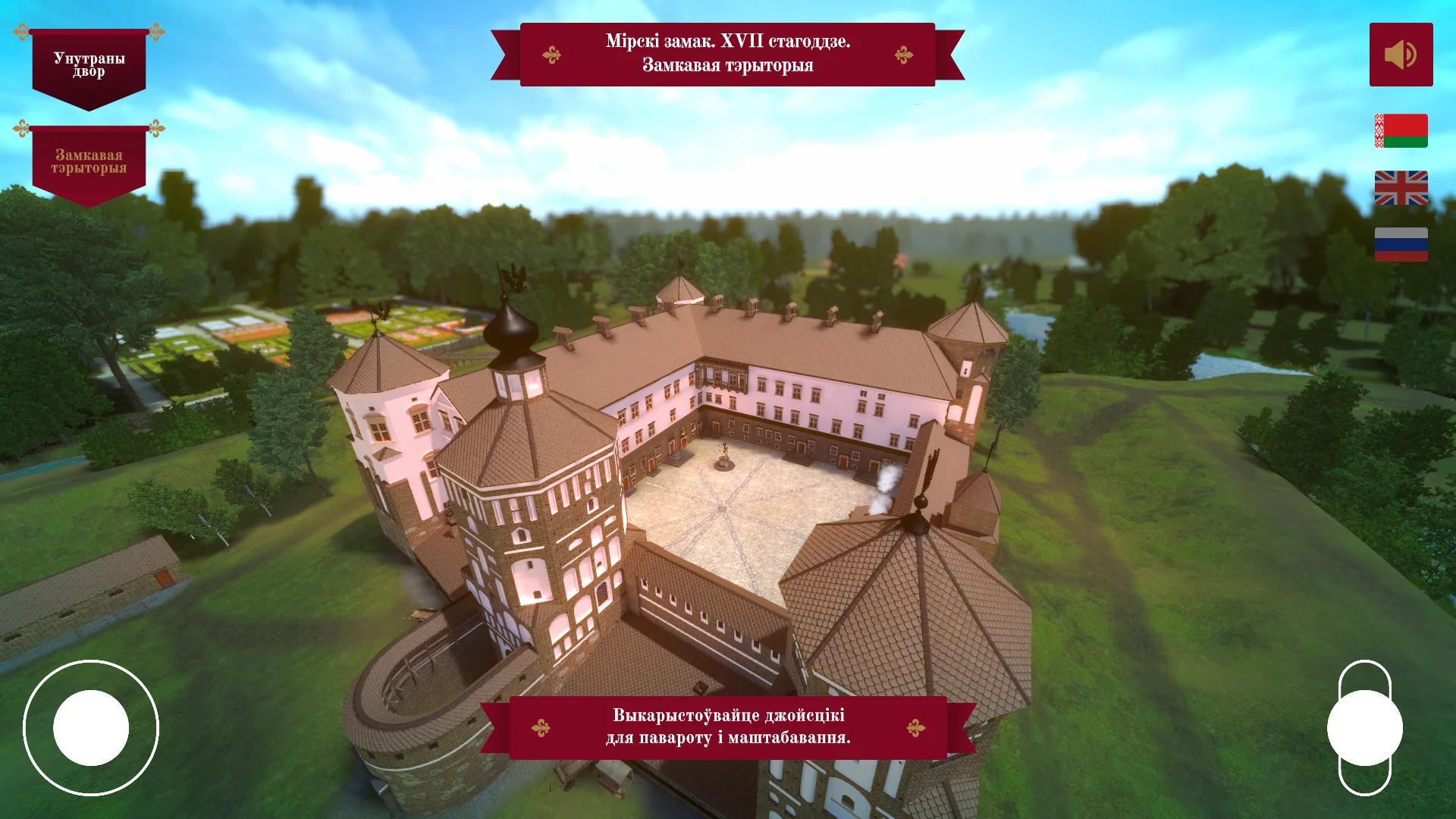
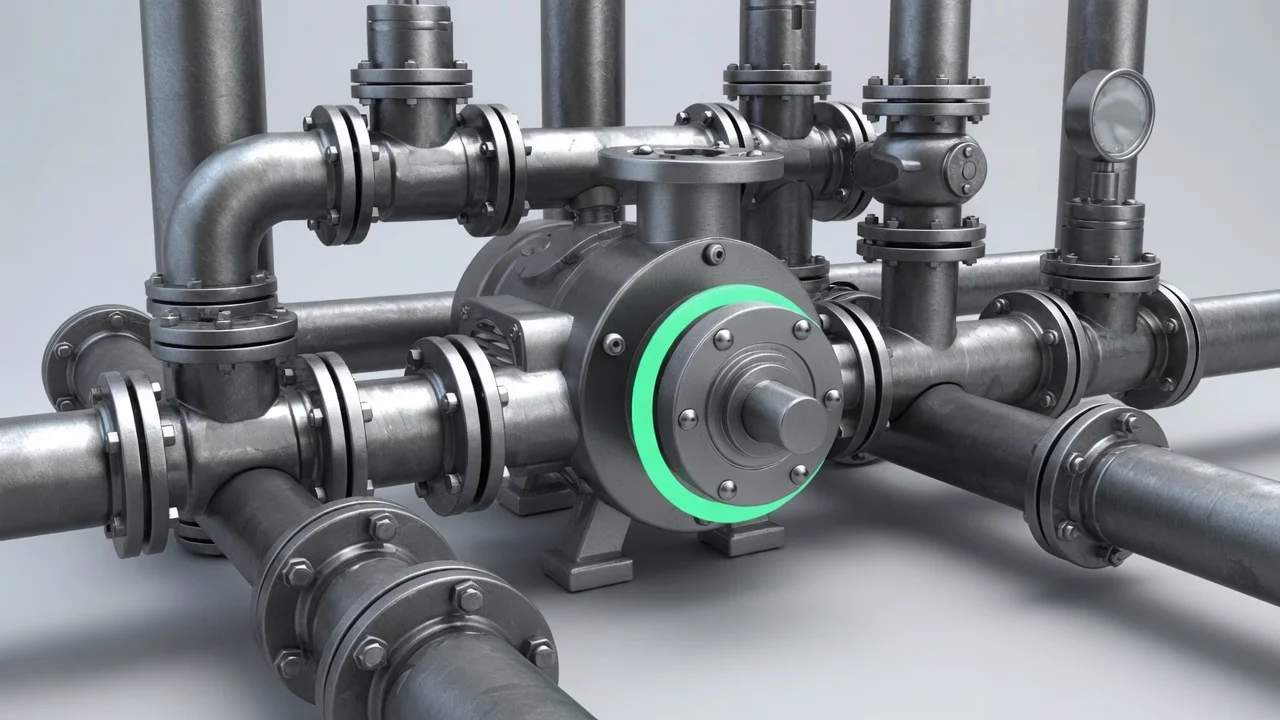
Touchscreens, 3D models, animations, and quizzes let guests drive their own learning process — this holds attention and sparks the desire to keep exploring.
When visitors actively interact with an exhibit, the museum becomes a center of discovery rather than a repository of facts. An interactive system can adapt to different age groups: children play, adults dive into the details.
This approach increases visit duration and the desire to return, while also giving the museum data on which topics resonate with its audience.
The key challenge for museums is to make the exhibition feel alive. Deploying interactive kiosks solves this systematically: updating content does not require rebuilding stands, and guests themselves begin to feel like participants in the research.
This shifts the museum's perception from a "place for school field trips" to a modern space the whole family wants to visit.
An interactive kiosk is not just technology — it is a tool that restores the museum's core mission: to inspire wonder and interest in science.
Science museums that choose this approach gain grateful visitors, growing reach, and a lasting reputation as a place where something new is always happening.
What an Interactive Kiosk Gives a Museum: 5 Key Benefits
A modern science museum faces a tough challenge: visitors are used to the digital world, and static text stands no longer hold their attention.
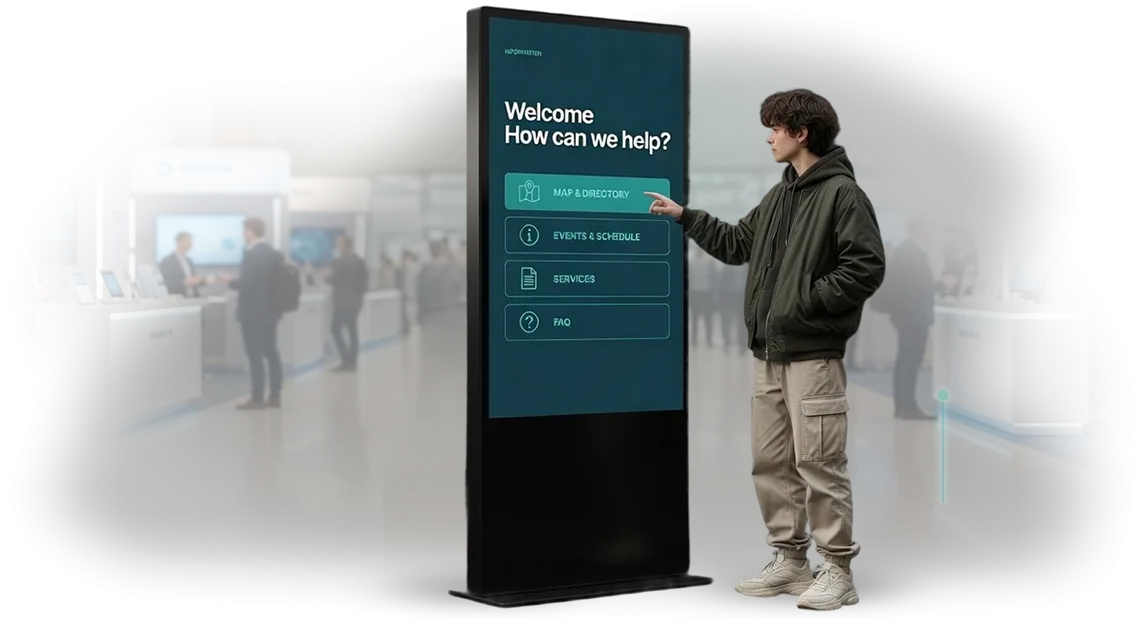
An interactive information kiosk turns the exhibition into a live exploration — each guest chooses what to look at, what to interact with, and in what order to absorb knowledge.
It is exactly this kind of visitor engagement that turns a one-time visit into a recurring one, and a museum into a place people want to return to.
The first benefit is deep engagement. Instead of passively reading placards, visitors interact with the screen: flipping through an interactive memory book, exploring archival documents, zooming into diagrams and maps.
This is especially important for science museums, where complex topics need to be explained visually and accessibly.
The second is information capacity: a kiosk holds thousands of times more data than a physical stand, allowing the main exhibition theme and related stories to be covered without overcrowding the halls.
The third benefit is saving museum resources. An information kiosk independently answers typical questions: where an exhibit is located, how to get to an exhibition, what to see first. Staff are freed from routine and can focus on guided tours and working with target audiences.
The fourth is a modern image and recognition. Museum technology is perceived as a sign of a progressive institution worth sharing on social media.
Visitors share striking photos and impressions, generating a natural stream of mentions and raising the museum's profile without an additional advertising budget.
Finally, the fifth benefit is audience development. The kiosk can discreetly collect contacts from interested guests, invite them to new exhibitions, and gather feedback on exhibition quality.
Gradually, the museum builds a permanent channel for announcing upcoming events, grows a loyal audience, and opens up new partnership opportunities. The interactive kiosk becomes not just a device but a full-fledged tool for the science museum's development.
Interactive Kiosk Formats for Science Museums
A science museum visitor does not come for menus and buttons — they come for a story they can touch. But classic display cases and text stands lose the battle for attention: an exhibit gets a glance for a minute, and the visitor's curiosity goes unfulfilled.
A modern museum kiosk turns passive viewing into live interaction: the guest chooses their own scenario, depth of immersion, and pace of discovery.
Depending on the museum's goals, we select different formats. What matters is not the "hardware" itself, but how the format serves the exhibition: holding attention, easing the load on attendants, and making collections accessible without risking the originals.
| Kiosk Format | For whom / what task | What it gives the museum |
|---|---|---|
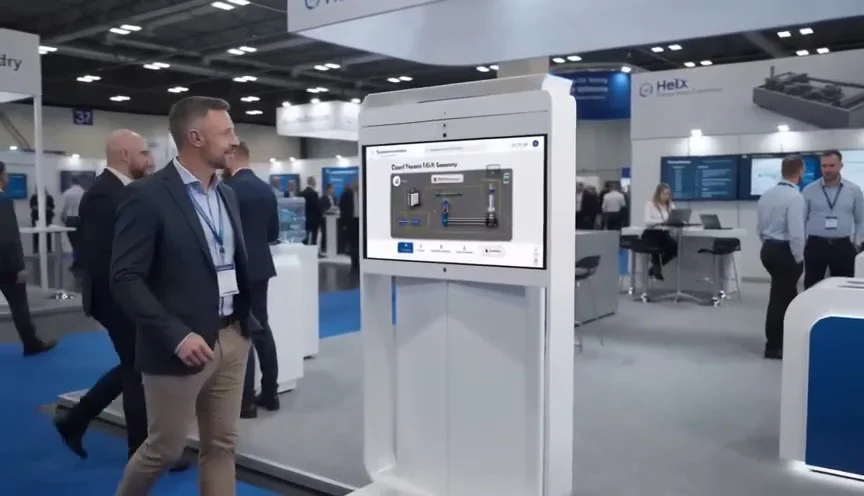
| Touchscreen kiosk panel | At the entrance, near key exhibits — a quick start for self-guided tours | Reduces staff workload, suggests routes, saves visitor time |
| Interactive touch table | Zones for collaborative study of maps, models, timelines | Gathers 3-5 people around one screen, sparks discussion |
| Archive terminal | Deep immersion into collections, digitized documents, photos, personal files | Opens the "closed" part of the collection to visitors in a safe digital form |
| Interactive memory book | Memorial halls, family histories, veterans, scientists | Creates emotional resonance, encourages sharing personal stories |
For a science museum, the combination of "overview panel + archive terminal" is often the right fit. The first serves audiences who want a quick impression; the second serves those ready to study documents and primary sources. We build a unified system so content can be prepared once and published across all formats.
We work with professional equipment built for intensive use: vandal-resistant housings, reliable touchscreens, and server architecture for rapid content updates. The museum gets a stable tool that does not require constant IT intervention.
How a Turnkey Kiosk Deployment Project Works
For science museums, it is essential that the kiosk becomes a natural part of the exhibition and runs without failures during peak visitor days. That is why we have built a process where the client understands what is happening and what results to expect at every stage. The project follows a clear route: from a short brief to launch and support.
-
Brief and task audit. We determine the role the kiosk will play: helping visitors navigate the halls, telling them about exhibits, or serving as an interactive memory book. We take into account the specifics of the science museum and the needs of different visitor groups.
-
Concept and approval. We propose screen structures, interaction scenarios, and design options that fit the museum's space. You approve the concept and make edits before development begins — this saves time and budget.
-
Content and design development. We prepare texts, source archival materials, create interactive scenarios, and establish the visual style. We keep the focus on usability for visitors of all ages and on the museum's brand.
-
Housing fabrication and installation. We select a design that matches the interior and withstands heavy use. We install the kiosk on site, connect the equipment, and configure all systems.
-
Testing and launch. We verify the kiosk in real conditions: navigation, response speed, text readability, and resilience to errors. After final tuning, you receive a working solution with full documentation and staff training.
-
Support and development. We stay in touch: updating content, making changes, and monitoring stability. If the museum adds new exhibits or formats, the kiosk easily adapts to new tasks.
What Is Included in an Interactive Kiosk Delivery
When an interactive kiosk for a science museum is ordered "sight unseen," it often turns out that the hardware needs assembling, the software needs configuring, and the content needs building from scratch.
We package everything into a single solution so you get a working exhibition without hidden stages or extra costs. The standard delivery includes a complete package built for years of stable operation.
- Hardware. A touchscreen kiosk in a protective housing, selected for the museum's conditions: intensity of use, room specifics, and design requirements. No "DIY assembly" from mismatched parts.
- Software. A licensed platform with a remote management system, updates, and configuration for the specific exhibition. You get a clear interface without being locked into a particular developer.
- Content and data. Development or adaptation of interactive materials, loading of digitized archives, and fine-tuning of scenarios. For a memory book this is especially important: each exhibit gets its own presentation scenario.
- Kiosk installation. Delivery, setup, connection, network configuration, and verification of all operating modes. Installation is carried out by our specialists — you do not need to hunt for outside contractors.
- Staff training. We conduct instruction sessions for hall attendants and administrators: how to turn the kiosk on and off, replace content, and resolve common issues. Plus a short printed manual.
- Warranty and support. Official warranty on hardware and software, plus technical support for the entire lifespan of the kiosk. In the event of a failure, we diagnose the system remotely or dispatch a technician promptly.
This package covers every stage — from delivery to daily operation. All you have to do is accept the finished interactive station and add it to the visitor route.
Case Study: How a Kiosk Increased Return Visits at a Museum
A science museum is a place people come back to.
But according to statistics, a repeat visit happens only when the exhibition offers new impressions: "I've already seen the walls and display cases — but what if I dig deeper?" That was exactly the challenge an interactive kiosk solved for a regional science museum — and the numbers after launch speak for themselves.
We installed a touchscreen station next to the permanent exhibition on the history of research. Visitors gained access to archives, photographs, and the personal stories of scientists that had previously gathered dust in storage.
A simple tap on the screen opened the chronology of discoveries and allowed visitors to "flip through" rare documents without involving a museum staff member.
What Changed After Launch
The main result: the share of repeat visitors grew by nearly a third within the first six months. People came back with friends to show them "that thing," and one in two new visitors approached the kiosk on a recommendation.
Average time spent with an exhibit grew from one to two minutes up to five, and queues at the station became a normal sight on weekends.
Museum staff stopped spending time verbally explaining what was already documented in the archives and focused on live interaction with visitors. And guests left with the feeling of a personal discovery, not just a tour.
Here is what the museum director noted in the review: "The kiosk has become a center of attraction: people bring acquaintances to view the materials together.
This is not just a screen — it is a reason to come back." We received a repeat order to expand the content for a second hall.
This Case Study Is Not About a Screen — It Is About Trust
What matters to us is not the fact of installation itself, but that it works toward your results. The client museum received a tool that increases return visits, relieves staff workload, and makes archival information accessible without risking damage to the originals. We scale the same approach to the needs of corporate museums and exhibition spaces.
If you want the same effect — start with a conversation about your exhibition. We will propose a format that pays off through repeat visits and genuine audience interest.
How to Choose a Kiosk Format for Your Museum's Needs?
Choosing a kiosk format for a science museum starts not with the design or screen size, but with the question: what task should it solve for visitors?
If the goal is to present an interactive memory book where guests can leave an entry or find the story of their relative, a floor-standing model with a large touchscreen and a well-thought-out interface is more suitable.
If the kiosk is needed for quick archive searches or wayfinding through the halls, a compact wall-mounted option that does not take up space or clutter the exhibition is sufficient.
The second criterion is the installation location and visitor flow. In a high-traffic area, housing durability and protection against accidental touches are critical, so a floor-standing kiosk with a reinforced structure is the better choice.
For small exhibitions or temporary displays, tabletop models that are easy to move and adapt to new content work well. Accessibility for visitors with limited mobility should also be considered: screen height and tilt angle must allow comfortable use.
The budget determines not only the dimensions but also the degree of customization. A custom housing is not always necessary — a standard vandal-resistant build with the museum's brand colors applied is often enough.
The key is that most of the budget goes into the substantive part: a quality interface, convenient archive navigation, and a visitor feedback collection system. This is what determines whether guests return and recommend the exhibition to colleagues.
It is important to remember that the kiosk format should not be an end in itself. Visitors come to the museum for an experience, not for technology. So when choosing, focus on how easily a person can understand how to interact with the kiosk from the very first screen.
If the interface is overloaded or requires training, even the most expensive housing will not save the project.
The best approach is to start by defining the goals and usage scenarios, and only then choose the hardware design.
Our engineers and designers help museums select a kiosk format that fits their tasks, hall space, and budget, so the investment pays off through increased visitor engagement.
Send us a description of your exhibition — we will propose options that work toward the museum's core mission: preserving and passing on knowledge.
Frequently Asked Questions About Kiosks for Museums
We understand that choosing a kiosk for a museum raises questions: how often will information need updating, how well is the device protected from visitors, and how long will it last. We answer the main questions — briefly, without technical details.
How do I update kiosk content?
Content is updated without stopping the exhibition and without redesigning the housing. You or your staff member make changes through a straightforward interface — remotely or on site, in just a few minutes.
This allows you to refresh posters, exhibit descriptions, museum news, and special projects at any time.
How well is the kiosk protected from hacking and accidental visitor actions?
We specifically design kiosks for active use: a protected operating mode prevents access to system settings or damage to the software. Even if a visitor accidentally presses extra buttons, the device continues to run stably or automatically returns to its original state.
What is the lifespan of a kiosk?
With daily use, a museum kiosk lasts at least 7–10 years. We use professional components that are easy to maintain, so the device will not require frequent repairs. This protects your budget and lets you plan exhibition development years in advance.
Will the kiosk become obsolete in a few years?
We select hardware with a performance margin — enough to last the entire service life. Content updates do not require replacing the equipment, and as new needs arise, you can add features without a full device replacement. The investment remains justified for a long time.
If your question is not listed here — write to us, we will share the details for your specific project and help you choose the right solution for your museum.Order an Interactive Kiosk: Next Steps
To order an interactive kiosk for a science museum, simply submit a request on the website, call us, or send a message. From there, we handle everything: from cost calculation after audit to launch and staff training.
How the Order Process Works
- You submit a request via the form, by phone, or by email — specify a convenient time to be contacted.
- We provide a free consultation: clarifying the goals, exhibition specifics, and content preferences.
- We prepare a detailed cost and timeline estimate and agree on the work plan.
- After approval, we build the kiosk: design, scenario, installation, and configuration.
- We hand the project over to your team: provide training, deliver documentation, and stay available for support.
What You Get When You Order
- A transparent estimate with no hidden fees — you know the cost before work begins.
- Consultation with a specialist who understands the needs of science museums.
- We account for your space's specifics: layout, lighting, visitor traffic.
- We train your staff on basic settings and daily operations.
- After launch, we stay in touch — helping with content updates and technical questions.
You can contact us right now and receive a preliminary estimate as early as this week. Ordering a kiosk does not require filling out long questionnaires — just call or leave a message, and we will take care of the rest.