


Interactive Touch Table for Museums: How to Bring an Exhibition to Life
Static exhibitions often lose the battle for attention: a visitor passes through a hall in 10–15 minutes, quickly tires of text on plaques, and remembers only a small part. As a result, the museum gets a formal viewing instead of emotional contact with heritage.
The task of reviving the space becomes key, and this is exactly where an interactive touch table for a museum turns viewing into exploration.
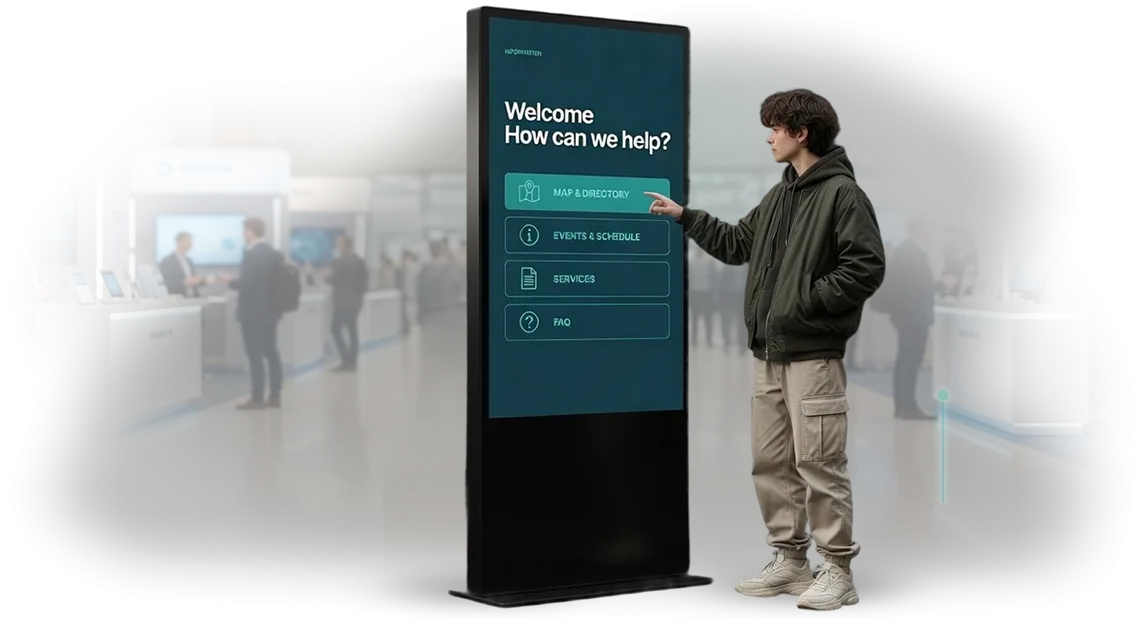
Instead of passive reading, the guest interacts with exhibits: zooms in on details, compares objects, flips through historical photographs, and gets answers to their questions at their own pace.
Such engagement keeps people at the screen several times longer, which means the depth of engagement with the collection and satisfaction with the visit grow. People are more willing to recommend the museum to friends and return themselves.
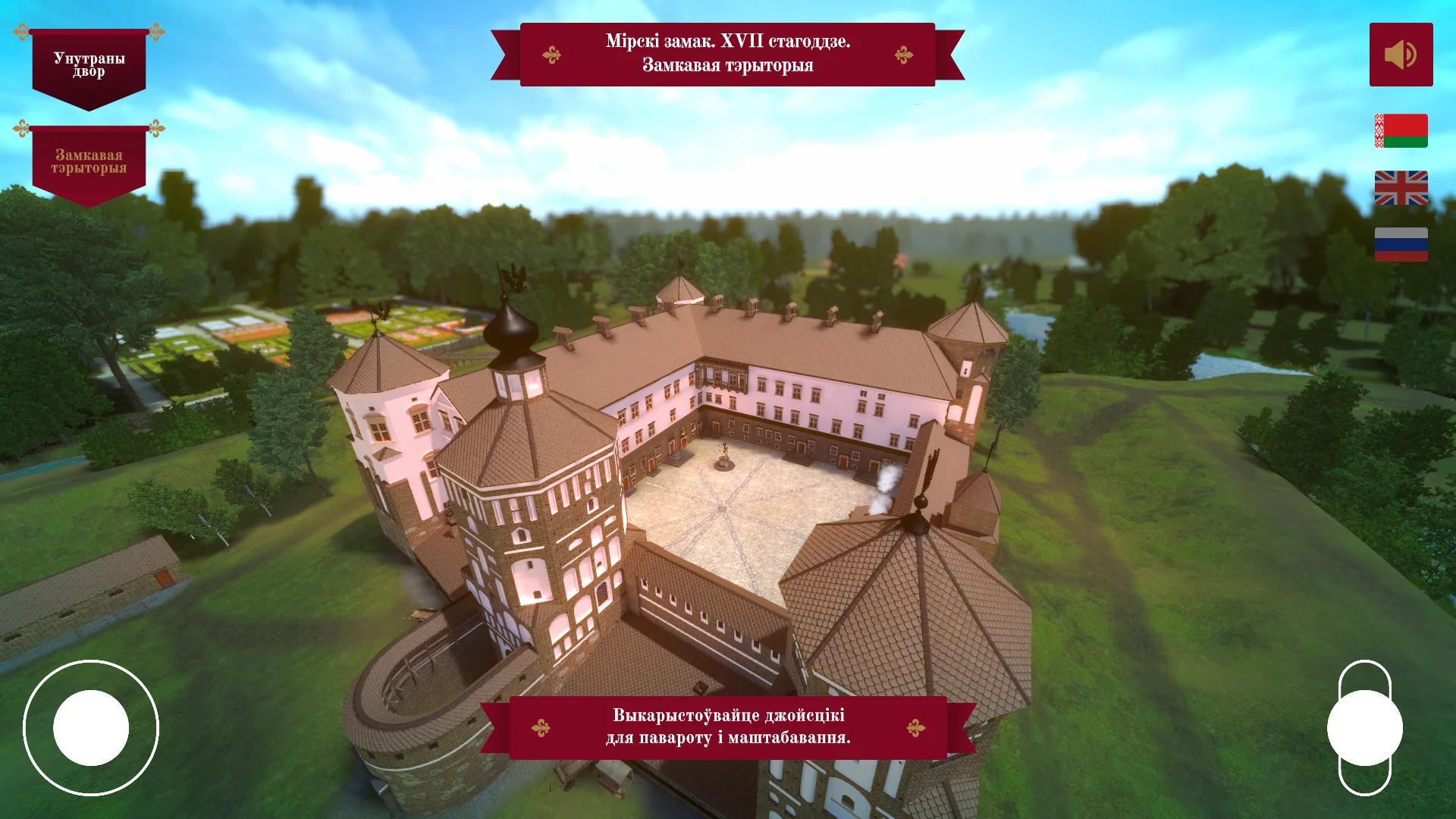
Modern digital technologies in a museum help present even complex topics in a new way: archaeology, ethnography, natural history.
An interactive surface unites both adults and children — everyone finds their own scenario: a game scenario for a child, an analytical one for a researcher. This expands the audience and brings the museum closer to the new generation.
We design such solutions to fit the objectives of a specific exhibition: we help select materials, develop the interface and content, and train staff.
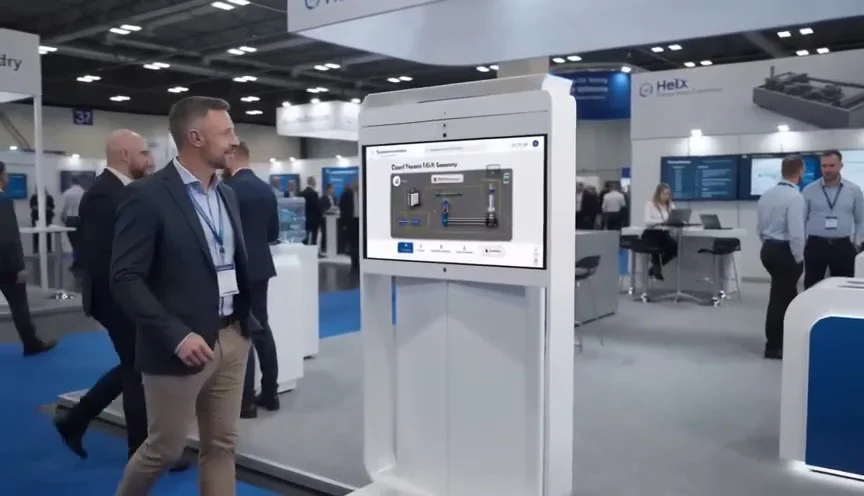
Our engineers work on professional equipment, so the touch table operates reliably under continuous touch — even during peak load hours. As a result, you get a tool that makes the exhibition memorable and strengthens its educational value.
What Will Change for Visitors and Staff: 5 Key Effects
An interactive touch table is a tool that delivers measurable results for a museum. Visitors stay longer at exhibits, staff get rid of routine, and the museum gains higher attendance and recognition. Here are the five key effects.
Visitor engagement. Instead of passively viewing, the guest explores details and reconstructions on their own. This interaction is remembered more strongly than plaque text and creates a personal connection with the collection.
More time at the exhibit. When visitors control the information themselves, viewing takes several times longer. This gives the museum a chance to tell more and increases the value of the ticket.
Staff convenience. Attendants and guides stop repeating themselves: the table answers common questions and shows routes. The freed-up time goes into live communication with guests.
Increased attendance. The unusual format attracts families and school groups. Satisfied visitors leave reviews and recommend the museum on social media — bringing in new guests.
Museum recognition. The table becomes a focal point and a reason for mentions in news and guidebooks. The museum looks modern, and partners’ interest opens new revenue streams.
In sum, the effects reinforce each other: engagement boosts loyalty, loyalty leads to repeat visits, and staff convenience makes the museum more welcoming.
Implementation Formats: What Suits Different Types of Exhibitions
For a modern museum, a touch table is not just a gadget but a tool for presenting exhibits. But the same format does not suit both a permanent exhibition and a temporary display: intensity of use, floor space, and interaction goals differ.
So at the outset, it’s important to choose the type of touch table that fits naturally into a specific zone and ensures visitor comfort.
Below, we compare the main formats we implement for museums. They cover typical scenarios — from main halls to transit corridors and fast-changing events.
| Format | For which exhibitions | What it gives the museum and visitors |
|---|---|---|
| Stationary touch table | Permanent exhibitions, themed halls with large content volumes | Large exploration surface, robust construction, and the ability to style it to match the hall’s interior. Visitors get deep immersion without time constraints. |
| Portable stand | Temporary exhibitions, festivals, lectures, traveling projects | Easy to relocate, no construction installation required. Allows updating the display every month and reinstalling the table within an hour. |
| Wall-mounted panel | Narrow corridors, elevator areas, small rooms | Saves space, attracts attention, and integrates into the visitor flow. Ideal for short stories about one or two exhibits. |
In addition to the three standard solutions, we create combined variants — for example, a table that transforms into a wall panel for a temporary hall.
Our engineers select the format based on exhibition tasks rather than a catalogue, so you get exactly what your space needs — without unnecessary costs and with the expected guest engagement.
How the Project Works: From Brief to Launch and Support
We have structured the process so that you always understand what is happening with the project and when you will get the result.
No 'black box': you participate at every key point, approve decisions, and see how an interactive touch table for a museum evolves from an idea into a working exhibit.
We set deadlines in the contract and meet them — delays are possible only at your initiative, when you ask for new exhibits or a changed scenario.
-
Meeting and task analysis. We discuss the museum’s goals, target audience, and which exhibits need to be 'brought to life.' We clarify where the touch table will be placed, how it will fit into the exhibition, and what content already exists. We produce a clear technical specification understandable to all participants.
-
Concept and work plan development. We propose interaction scenarios, screen layouts, and design mockups. We approve them with you, make edits, and finalize the solution. You receive a clear plan showing the full logic of the future exhibit.
-
Project approval. Together we review the scope of work, cost estimate, and timeline. We sign the contract and define acceptance stages and payment schedule. You always know what you are paying for and what you get at each step.
-
Implementation: design, content, and technical work. We create graphics, edit videos, and program interactive features. In parallel, we prepare the table body and equipment using professional hardware, so the result is stable under intensive museum use.
-
Testing and launch. We install the touch table in the museum and test all scenarios with real load and lighting conditions. We train staff: startup, restart, content updates. We launch together and confirm that visitors actively use the table.
-
Support and development. We stay in touch after launch: update content, add new exhibits, and resolve issues promptly. This ensures the interactive touch table will work for a long time and remain relevant for your guests.
What Is Included in the Delivery: A Kit for Independent Work
You don’t need to keep a staff of programmers or look for a contractor each time. The interactive touch table for a museum is delivered as a complete solution: staff update materials, monitor operation, and launch new scenarios on their own at any time.
Here’s what’s included in the kit:
- Touch table with a touchscreen — assembled, configured, and tested. Impact-resistant coating and thoughtful construction are designed for continuous use in public spaces.
- Content management software — a user-friendly interface for changing texts, images, videos, and scenario order without developer involvement. Updates take minutes.
- Ready-made content for your exhibition — structure and materials tailored to the museum’s theme, including templates for future displays.
- Instructions and documentation — short guides for various tasks: startup, content replacement, daily maintenance, and common issues.
- Staff training — a hands-on session for administrators and hall attendants so they can confidently use the system from day one.
- Warranty support and consultations — engineers are available by phone or email and connect remotely when necessary.
After a short training session, the museum team is fully self-sufficient. You decide when and what to change on the screen — just upload new files and visitors will see the updated exhibition the same day.
Case Study: How One Museum Increased Time Spent at Exhibits
For the Nasledie museum with a classic exhibition, the main challenge was keeping guests’ attention. Visitors walked through the hall in 20 minutes and spent less than a minute at key display cases.
We suggested installing an interactive touch table with a game scenario: 'excavating' an artifact, assembling layers, and short stories that unlock as tasks are completed.
Two months after launch, the table became the center of the hall. Guests stop, get involved, and begin discussing the finds instead of quickly walking past the display cases.
Guides integrated the table into the route for all groups — it answers the question 'what’s interesting here?' without extra words.
Project Results
- Time spent at the exhibit increased from 40 seconds to 5–7 minutes per person.
- Repeat visits grew: 22% of guests returned to the museum within three months and brought new visitors.
- Lines at the table became part of the exhibition — children wait their turn while parents have time to explore neighboring cases.
The key result is not the numbers on sensors but visitors coming back.
The museum became a place people return to, not a 'one-off excursion.' After a season, the museum ordered two additional tables from us for other halls — based on the same interaction logic but for new exhibition themes.
How to Choose a Format If You Have a Non-Standard Exhibition?
A non-standard exhibition doesn’t mean difficulties — it means a universal solution won’t work, and an individual project will reveal the space better.
We don’t offer 'a standard table that will fit somehow' — we start by studying the hall layout, lighting specifics, and visitor routes, then design a format around your goals.
For example, in a hall with columns or niches, we can create not one large installation but several compact touch panels connected by a shared scenario. Or, conversely, allocate a central zone for a large table that becomes a focal point and smooths out awkward room geometry.
This approach makes good use of every square meter rather than simply installing equipment 'for show.'
We also consider everyone’s convenience: visitors don’t have to crowd in passages, staff can control the space more easily, and exhibits remain the center of attention.
An individual project doesn’t require hall renovation — we adapt the design to your layout, which is often cheaper than changing the interior.
So if you have a non-standard exhibition, you don’t need to choose from ready-made catalogs and hope for the best. Send us a floor plan — we’ll see how best to organize the space and offer a solution that strengthens your concept. This way you get exactly the tool your museum needs, not a compromise within standard limits.
Frequently Asked Questions: Reliability, Maintenance, Warranties
Museum exhibits operate in demanding conditions: visitors touch the screen hundreds of times a day.
Understandably, when choosing a touch table, a director thinks not about technology but about what will happen in a year or two: will the table break, who will update content, and what does the warranty cover. These risks can be addressed right away.
We design interactive tables as museum-grade exhibit equipment: industrial components, anti-vandal glass, and overheating protection. Here’s how it works in practice.
Will the touch table break from constant touching? How reliable is it?
At the core, we use industrial components and tempered glass designed for years of service. Every table undergoes stress testing — its performance is verified in continuous-use mode.
If something fails, in most cases the entire table doesn’t need to be replaced. We design the construction so a damaged component can be replaced at the museum without shipping the equipment away.
How do we update content? Does it require calling a developer?
No. You get a simple interface where a museum employee can change an exhibit description, add images, translations, or run a temporary promotion. A detailed manual is included in the kit, and if needed we provide brief on-site training.
If you need a new feature or a major exhibition change, our team will prepare and upload everything remotely — usually within a couple of days. Just provide the materials: text, photos, videos.
What does the warranty and maintenance include?
The table warranty is 24 months from launch, including repairs and part replacement. During repairs, we provide a replacement table so the exhibition doesn’t stop — this has already helped museums many times during the peak tourist season.
Maintenance is carried out under a contract: preventive inspection once a year, planned system updates, and inspection of all components. As a rule, we respond to a request within one business day, visit on site, or resolve the issue remotely. You are never left alone with the equipment.
Leave a Request — We’ll Prepare a Solution for Your Task
After you submit a request, we’ll prepare an estimate of format, timeline, and budget — for your museum, not an 'average project.' You’ll receive a solution where the interactive touch table for the museum fits the hall, tour objectives, and budget.
What’s included in our consultation:
- Cost and timeline calculation based on your requirements — no hidden charges.
- Format selection: touch table, wall panel, or a combination with other equipment.
- Examples of already launched museum projects — see how they work in real life.
- Content ideas: how to turn exhibits into interactive stories that hold attention.
- Assessment of room and maintenance requirements — you’ll know in advance what’s needed for launch.
- Answers to questions about warranty, support, and staff training.
Just briefly describe your task — we’ll handle the rest. We’ll send you an estimate and advise where it’s best to start.