


Interactive table for museums: how to hold visitors' attention
Modern visitors come to a museum for emotions, but after 15–20 minutes they lose interest: their eyes tire of display cases, and their phones win the competition for attention.
If an exhibition does not bring the viewer into a dialogue, the museum loses out to parks, shopping malls, and interactive shows. The director's task is not just to display exhibits, but to create a space that holds visitors' attention and makes them want to return.
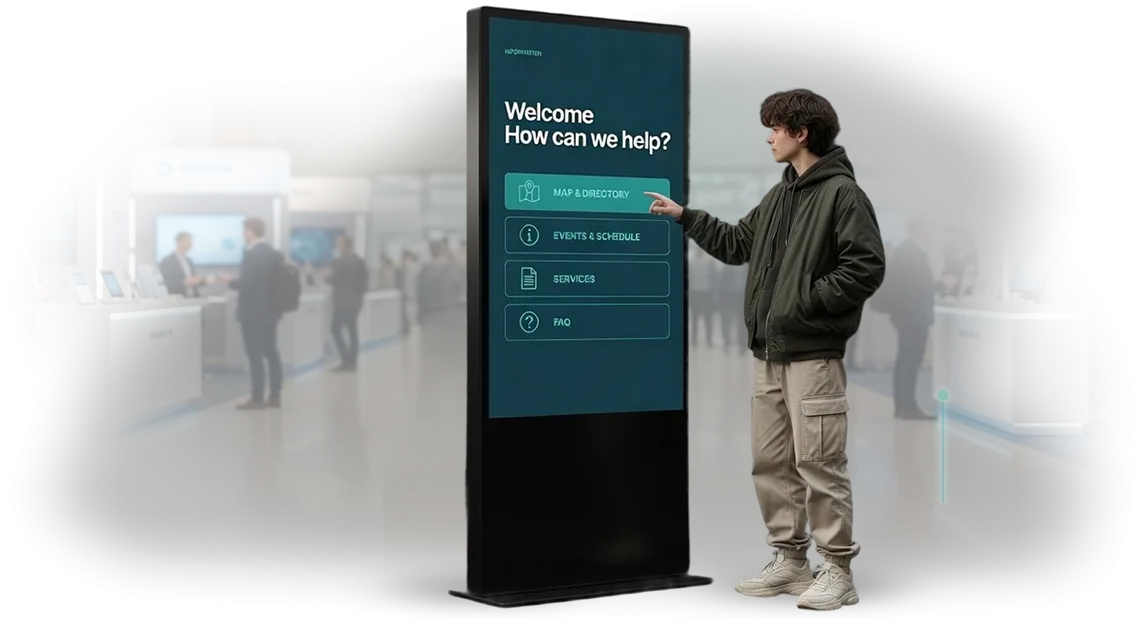
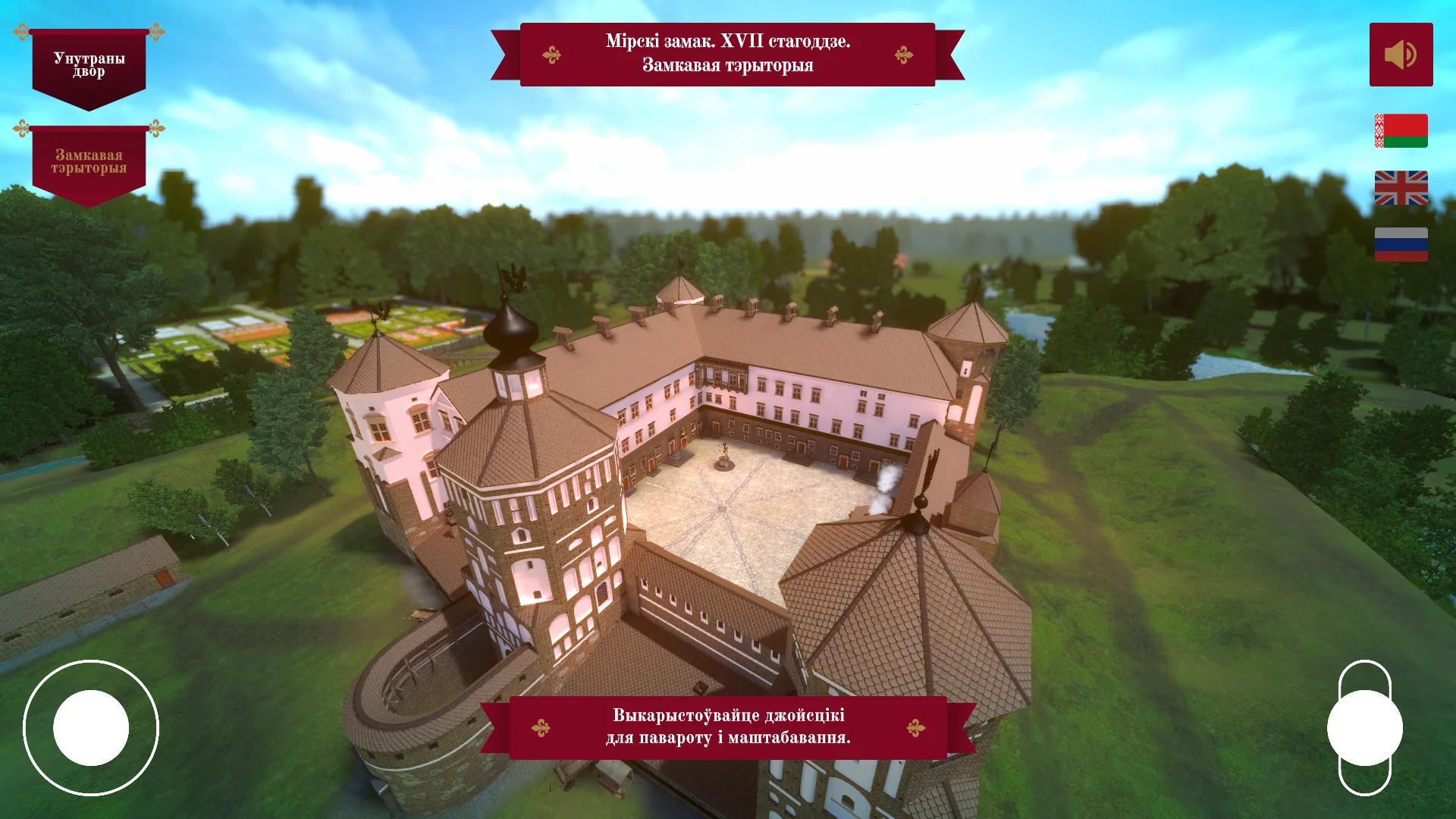
An interactive table for museums changes the usual scenario. Instead of passively looking, a person becomes a participant: choosing a story on the touchscreen, zooming in on details, answering quiz questions, "bringing historical scenes to life" with a single touch.
This is how museum multimedia solutions turn complex material into an engaging game that both a child and an adult can understand.
For a museum, this is not just technology, but a way to increase dwell time and build loyalty. Interactive exhibits create a reason to discuss what was seen, take photos, and recommend the museum to friends.
The longer a guest is engaged, the higher their satisfaction with the visit—and the more likely they are to return or bring new visitors.
We help bring this task to life turnkey: we design the scenario, fill it with content, and install an interactive table for the museum that fits the exhibition's style and runs without failures.
Our engineers use proven tools and professional equipment, so you get a stable result without diving into technical details. If you want the museum to become a place of attraction and leave vivid impressions, an interactive table will be the first step toward that goal.
Why guests linger at exhibits
Visitors come to a museum for experiences, but at ordinary display cases they stop for only a few seconds on average. Static presentation loses to the natural desire to touch, examine from all sides, and feel like a participant in a discovery.
An interactive table for museums addresses exactly this need: it gives the guest the role of a researcher, not a passive observer.
Why do guests stay for a long time at such an exhibit? Because the image begins to move, show the internal structure of the object, and react to a person's actions.
This format holds attention many times longer—according to engagement research, multisensory exhibits hold a visitor 3–5 times longer than text on a sign (MuseumNext review).
Personal experience is the main reason to return. The guest remembers not "exhibit 12" but how they themselves zoomed in on details, assembled a historical object layer by layer, and answered unexpected questions.
This experience is something to share, and so friends and family come to the museum, and the guest returns to explore other sections. This drives both repeat visits and natural word-of-mouth about your space.
For a museum director, this is also a practical benefit. Interactive technology for museums solves the "what to do with the kids" question, gives adults depth of immersion, and gives a tour guide an easy reason to start a story.
Our experience shows: at such a table there is almost no "walked past," because the interface engages from the first touch, without instructions or help buttons.
In the end, you get something that measurably impacts museum metrics: higher visitor engagement, longer time spent in the hall, steady growth in repeat visits, and attention retention across different age groups.
We don't just install equipment—we connect it to your exhibits and measure the effect so that every station works for the museum's mission.
Formats and configurations for museum needs
An interactive table for museums is not a single device but several formats that solve exhibition challenges in different ways. The choice depends on the hall's area, visitor volume, and what content you want to show: from a single exhibit to an entire historical era.
Format comparison
| Format | Who it is for | What it gives the museum |
|---|---|---|
| Stationary interactive table | Permanent exhibitions with high foot traffic | Withstands intensive use and becomes a point of visitor attraction |
| Portable table | Temporary exhibitions and off-site projects | Sets up quickly, easy to change location and content set |
| Built into the exhibition | Thematic halls and display cases with exhibits | Adds digital layers to the physical object without disrupting the design |
| Floor and wall solutions | Large halls, lobbies, waiting areas | Engages groups of visitors and creates a sense of presence |
| Interactive display cases | Exhibits that cannot be touched | Allow study of details invisible to the eye and extend time at the display case |
The configuration is also customizable: from a single table with basic content to a system of several zones with unified control. We will select the construction and materials to suit the hall's climate, and the content to suit the museum's audience and goals.
How work on the project proceeds
We have structured the work so that the client understands what happens at every stage. For a museum, this is doubly important: the interactive table must fit into the exhibition and start working exactly in time for the opening. That is why the process includes several short steps, with your direct involvement in each.
-
Brief and immersion. We meet with your team, study the exhibition, audience, and goals. We determine which scenarios will be useful for visitors and how the table will fit into the interior.
-
Plan and estimate. We fix the timeline, budget, and areas of responsibility. You get a clear development roadmap—with no hidden work or unexpected extra costs.
-
Project approval. We show a screen mockup and the content structure. You approve the look, texts, and navigation logic before development begins—this saves time and money.
-
Implementation and content filling. We assemble the table, upload the museum's materials, and set up interactive scenarios. We send intermediate versions regularly—you see the result in action.
-
Testing and launch of the interactive table. We check how it works with a real audience: how visitors approach, touch, and read. We train staff and hand the finished solution over for operation.
-
Support and updates. We stay in touch: we quickly update content for new exhibitions, refine scenarios, and answer staff questions.
This process makes the development of an interactive table for a museum predictable. You see every step, control the timeline, and get a result that works for your museum.
What the project includes: from design to installation
When you order an interactive table for a museum, you get not "hardware in a box" but a ready turnkey solution. We handle the entire path—from design and content assembly to installation and staff training. As a result, the exhibit works from day one, and your team uses it confidently.
What is included in the delivery set:
- Custom design for the exhibition — the enclosure and interface are styled to match the museum's atmosphere, so the table becomes a natural part of the hall, not a foreign screen.
- Software and equipment setup — we build the configuration for the exhibition's tasks, install the system, and verify operational stability. You don't need to understand technical details—everything is ready to launch.
- Interactive content — we develop scenarios and visual material: 3D exhibits, timelines, games, and quizzes. Content can be updated without involving programmers.
- Installation and on-site commissioning — we deliver, install, connect, and set up the table in your hall. We test how it behaves under real visitor load.
- Staff training — we conduct instruction for attendants and administrators: how to turn it on, reboot, replace content, and help a visitor. No dependence on us in daily operations.
- Warranty and post-launch support — during the warranty period, we respond quickly to requests, solve problems remotely, and, if necessary, visit the site.
This set lets the museum focus on the main thing—visitors, not technology.
Case study: a living exhibition that is remembered
For the Museum of the History of Technology, we designed an interactive table that turned a quiet hall with display cases into an attraction point.
Previously, visitors spent no more than a minute at the exhibits: signs did not hold attention, and children quickly lost interest in static models. The task was not to "install a screen" but to make the exhibition speak to every guest.
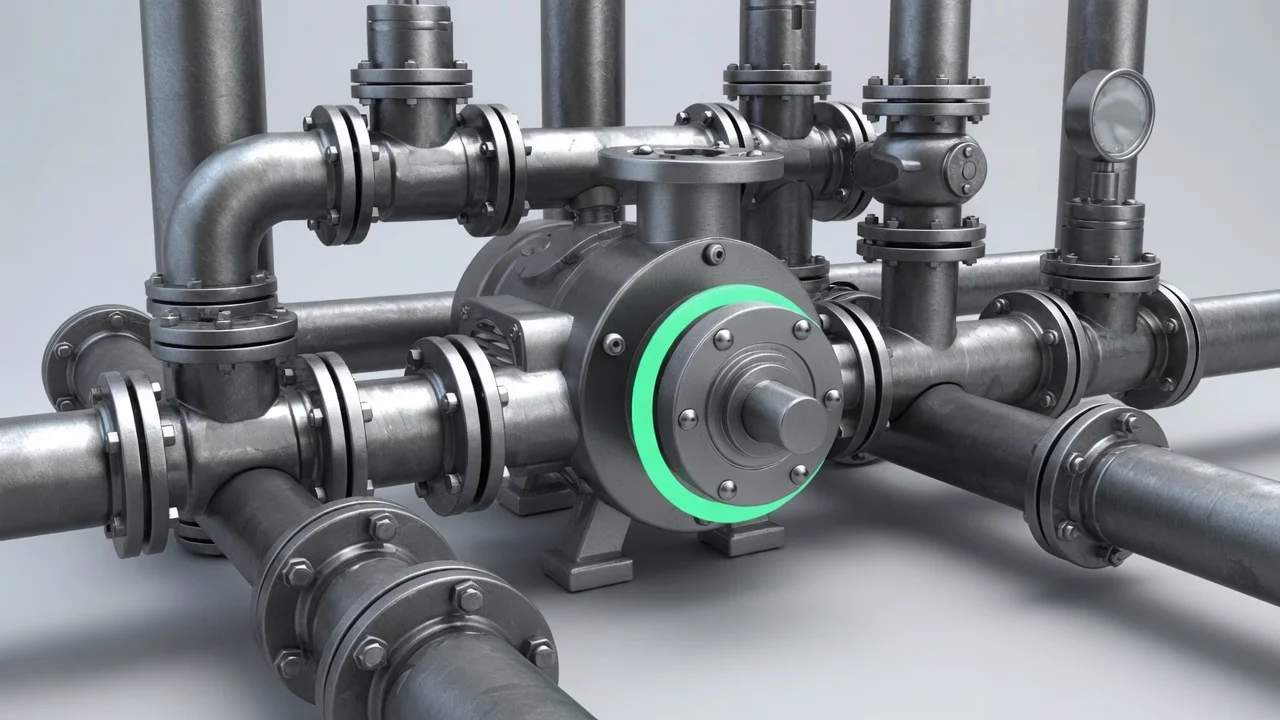
We proposed a live-research format: on the table—three-dimensional models of exhibits that can be rotated, enlarged, and "taken apart" into details, plus short historical notes and a quiz with difficulty levels.
The content is divided into scenarios for individual visitors and family groups—each one chooses their own depth of immersion.
Two months after launch, we measured the result. Average screen time grew from 40 seconds to six minutes—nine times longer than previous stops at the display case.
The share of repeat visits over six months increased by a third: guests came back to complete yet-unlocked levels and view updated materials.
The built-in survey collected over a thousand questionnaires in a quarter—the museum received structured feedback for the first time without paper forms or extra staff.
The main thing the museum staff noted was that visitors stopped walking past and began discussing exhibits among themselves and on social media.
The interactive table works not as a separate attraction but as a connecting link for the entire exhibition: after it, guests linger longer at neighboring display cases and ask tour guides more questions.
It is precisely such projects that prove: technology pays off when it changes audience behavior, not just adds "interactivity" for show.
What to do if you need a non-standard format?
A non-standard format is not an exception but a routine task for our team. An interactive table for a museum can be integrated into a round hall, repeat the shape of an exhibit, or operate in an unusual mode for specific needs.
Individual requirements do not mean "complex and expensive." Often it is enough to change dimensions, stand materials, or interface logic.
These modifications fit into the standard cycle and add anywhere from a couple of days to a few weeks—depending on how far the format moves from a typical solution.
Customization of an interactive table begins with a discussion: we clarify how visitors will interact with it, which scenarios matter, and whether there are constraints on space and style.
Based on that, we propose a variant that preserves convenience for guests and fits the budget. If the idea requires an experimental approach, we make a prototype and show it before production begins.
The key point is that a non-standard format should not interfere with the main goal: surprising the visitor and holding their attention.
Therefore, with any individual requirements, we keep stable internals and a reliable server side, changing only the appearance and interface scenarios. The final solution stays just as easy to operate as a standard model.
Frequently asked questions about development and maintenance
We understand that when ordering an interactive table for a museum, directors worry about three things: whether we will meet deadlines, whether the equipment will fail in the middle of an exhibition, and who will be responsible for repairs. Below we answer the most common questions—briefly and to the point.
How long does it take to develop an interactive table?
A typical project takes 4 to 8 weeks—from brief to installation in the hall. The timeline depends on the number of touchpoints, the volume of content, and whether the table needs to be connected to the museum's database.
We fix the exact schedule in the contract at the start. You immediately see the launch date and control the process, while we take responsibility for ensuring the exhibition opening is not delayed.
What warranty is provided on the equipment, and what about repairs?
We provide a warranty of up to 2 years on equipment and all work. If a device fails, our engineers first perform remote diagnostics, and if necessary, come to the site and replace components.
Replacement takes 1-2 business days so the exhibit does not sit idle. During that time, we can offer replacement equipment—the exhibition continues to operate without interruption.
Is it difficult for museum staff to use and maintain the table?
No. The interface is designed for visitors of any age, and for staff, a short training session is enough. Daily maintenance is wiping the screen and turning it on with a button.
Launch, content updates, and operational monitoring are automated. Your team does not need to understand the technology: the table itself reports when attention is needed.
What should we do when content needs to be updated or a new exhibit added?
Content can be changed without stopping the table. We set up the system so staff can edit descriptions, photos, and videos themselves through an easy-to-use panel—without calling in developers.
If a major functional upgrade is needed, we connect remotely and handle it quickly. Basic changes do not require contracts or additional approvals.
We take on development, warranty, and post-project support. You receive an interactive table for the museum as a ready "turnkey" solution: with simple operation, fast repairs, and no hidden costs.Submit a request, and we will calculate a project for your exhibition
We helped the "City History" museum bring its permanent exhibition to life: the interactive table became a center of attraction for families with children.
Guests spent several times longer at it than at traditional display cases, and attendance in thematic halls grew by a third. It is exactly these kinds of results that we build into the project estimate at the start—before you spend your budget.
Submit a request for development, and within one business day you will receive:
- A cost calculation for the project for your exhibition—a transparent estimate with no hidden payments or "surprises" during the approval stage.
- An assessment of implementation timelines—from the first brief to launch, so you can plan the opening or renovation of the hall.
- A recommendation on the interactive table format: a compact stand, a floor console, or a structure matching your museum's style.
- A consultation on the interactive table from an engineer: we discuss placement, connectivity, usage scenarios, and content requirements.
- A selection of case studies and content examples for your subject area—from historical reconstructions to natural science collections.
- A preliminary plan for integration into the existing exhibition and recommendations for visitor engagement.
After you reach out, we gather a short brief, clarify your goals, and within two days propose 2-3 implementation options with different budgets. You choose the optimal format, we set the timeline, and get to work. No obligations at the calculation stage—only benefit for your project.