


Pension Funds Lose Trust Due to Unhelpful Information Kiosks
Visitors to a pension fund come for a specific result: get a certificate, check a payment, book an appointment, submit an application. But instead of a quick resolution, they often end up in long queues to overloaded specialists.
Outdated information kiosks that don't answer real questions only add to the frustration. In the end, people leave with a negative experience and share it with family and friends.
For a pension fund, this is not just an inconvenience — it's a loss of trust and reputational risk. Most visitors are older people, for whom clarity, support, and respect for their time are especially important.
When awkward services force them to wait for a long time or wander through the building looking for the right office, each such visit becomes stressful. Employees are forced to keep answering the same questions, the workload grows, and service quality drops.
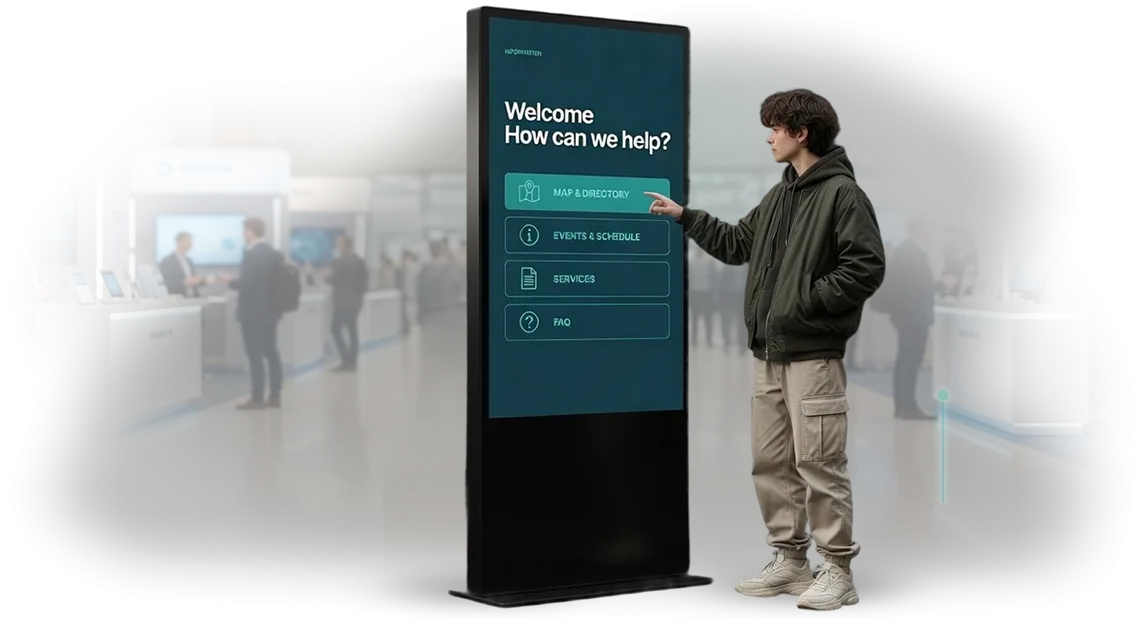
A modern information kiosk can change this situation. It helps visitors find their way independently: locate the right department, check opening hours, view a sample application, or book an appointment with a specialist.
The key is that the interface must be simple, large, and understandable to a person without special training. When the kiosk answers questions before they turn into a queue, visitor flow is distributed evenly, and waiting times are noticeably reduced.
We develop interactive information kiosks for pension funds and high-traffic organizations. We design the logic based on real visitor scenarios, not abstract requirements.
The client receives not just a "screen with a menu," but a working tool that reduces staff workload and increases people's satisfaction. The effect of such a solution is measured not by design, but by reduced queues and growing trust in the fund.
What Changes After Implementing an Interactive Kiosk
Pension fund visitors often come with the same questions: how to get a certificate, book an appointment, or check the status of a payment. Each such request takes up staff time, and queues form during peak hours.
An interactive kiosk handles routine operations and allows people to get the information they need on their own, without waiting at the window.
Service speed increases noticeably: typical actions take a couple of minutes instead of ten to fifteen. Visitors choose their own convenient scenario — view instructions, print a form, book a consultation.
This reduces the burden on staff: employees focus only on matters that truly require human involvement and stop being distracted by repetitive requests.
Convenience for older people is a separate advantage. Large fonts, simple navigation, and step-by-step hints help a person with no experience using technology quickly figure out what to do and not feel helpless.
The overall impression of the visit changes: instead of stress and queues — a clear process and a fast result.
Finally, the kiosk works to improve the organization's image. Visitors see that the fund is introducing modern services and cares about people's comfort.
This increases trust in the institution and reduces tension in the waiting area: people arrive prepared, with the necessary documents and concrete questions, rather than just "quickly checking something."
After implementing a kiosk, service becomes predictable: fewer queues, calm staff, satisfied visitors. The manager sees a measurable effect within the first few weeks — and this result grows stronger with every day of operation.
Information Kiosk Formats: Choose the Right One
For a pension fund, it's important that visitors can quickly get certificates, book appointments, and avoid standing in queues.
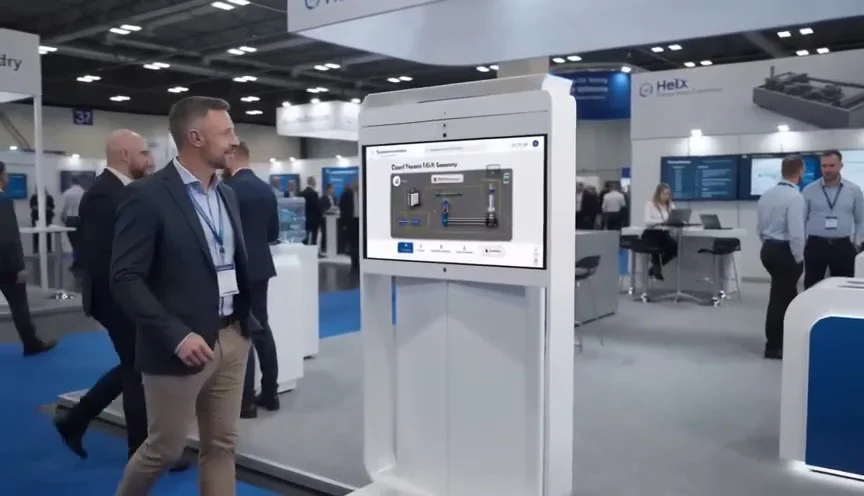
The kiosk format determines how convenient it is to use in your space — from a compact wall-mounted panel in the waiting area to a floor-standing terminal in the lobby and a portable solution for mobile consultations.
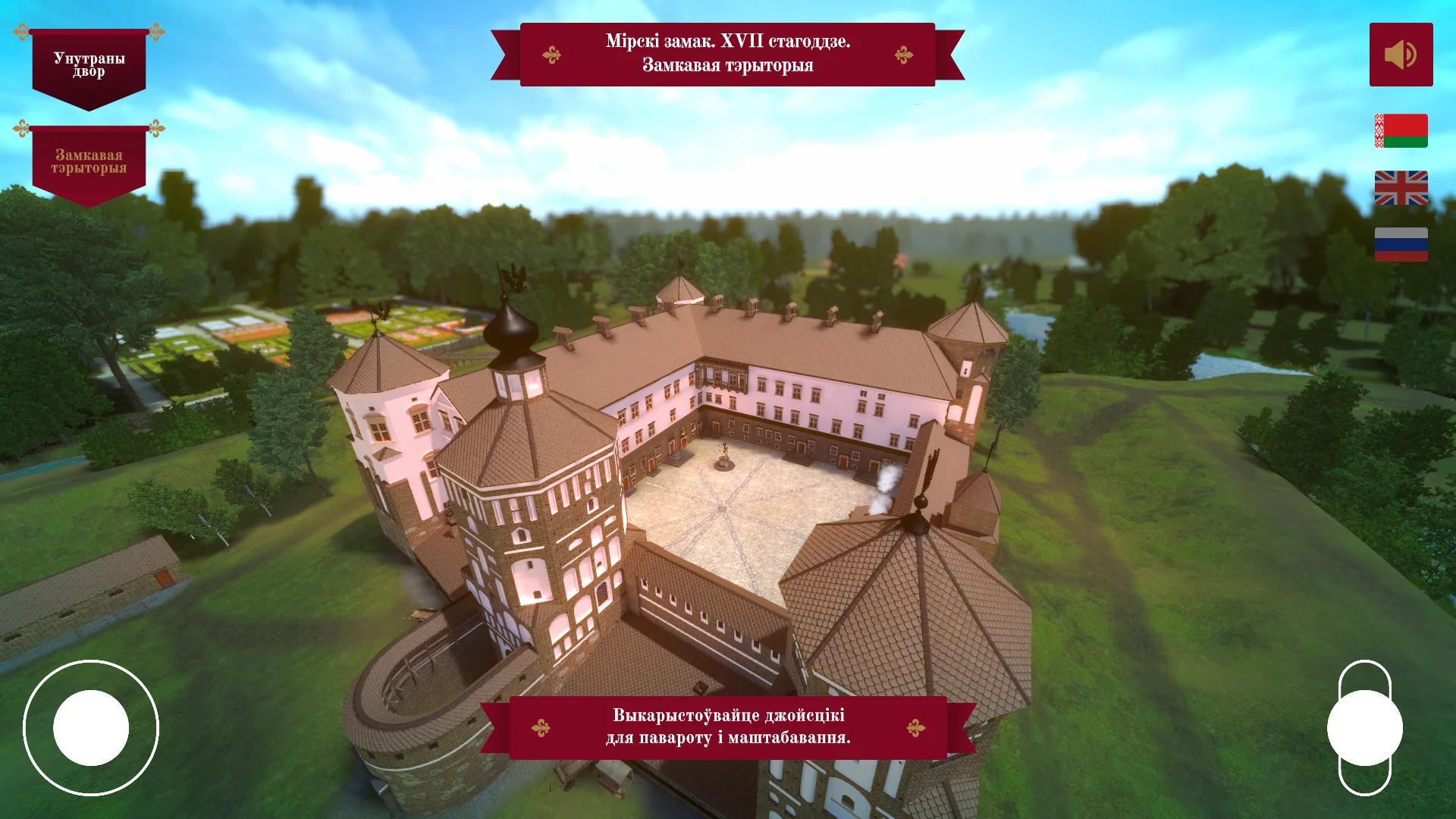
We develop web applications for touchscreen kiosks that adapt to any form factor. So you are not limited to a single device — you choose the one that solves the task of a specific branch, department, or mobile team. Below is a comparison of popular formats.
| Format | Who it's for | What it gives the client |
|---|---|---|
| Floor-standing kiosk | Branches with high visitor flow | Appointment booking and certificate issuance without an administrator's desk, reduced queues during peak hours |
| Wall-mounted kiosk | Small waiting areas, corridors, MFC zones | Space savings, quick access to information about programs and benefits, an unobtrusive assistant near the windows |
| Portable kiosk | Mobile receptions, meetings with residents of remote areas | Full functionality of a stationary kiosk where there is no electricity or internet — on-site consultations |
All formats run on the same web application: information updates and application forms are synchronized automatically.
You can start with one floor-standing kiosk in the main office and later add wall-mounted ones in branches — that won't require new development or extra investments.
Kiosk Development Stages: From Brief to Launch
A clear development process saves you time and money — you know in advance what you'll get and when the kiosk will go live. That's why we divide each project into stages: you see the result at every step and keep the budget under control.
-
Brief and task analysis. We record what information visitors should receive and how the kiosk will fit into the branch's operations. The output is a technical specification with clear deadlines and a list of screens.
-
Screen prototype. We show a layout of the future interface: where the menu is, where the search is, which buttons lead where. You approve the logic before we start programming — edits at this stage are many times cheaper.
-
Design and adaptation to the audience. For a pension fund, it's important that the interface is easy to read: large fonts, high-contrast elements, clear labels. We design an interface that reduces the number of staff consultations.
-
Development and testing. We assemble the operating logic, connect your data, and test every scenario — from entering the menu to issuing a certificate. Everything is tested on real equipment so visitors never encounter freezes.
-
Launch and staff training. We install the kiosk in the branch, configure it according to your procedures, and briefly explain to the staff how to maintain the device. Employees can restart the system themselves or quickly contact us.
-
Warranty support. After launch, we stay in touch: we update information, fix issues, and develop the kiosk for new tasks — for example, adding an appointment booking form.
This approach has already helped several pension fund branches streamline service and speed up information delivery. You get not an abstract "development project," but a working tool with clear deadlines and a transparent cost.
What Is Included in the Interactive Kiosk Package
When a pension fund orders an interactive kiosk, it's important to receive not just a device but a complete solution that quickly goes into operation and doesn't create extra worries for staff.
We assemble the entire package: hardware, software, documentation, and training — you get a turnkey system that can be used from day one.
What is included in the package:
- A kiosk enclosure with a touchscreen, protected against accidental damage and designed for intensive use in public spaces.
- Professional software configured for pension fund tasks, with clear navigation for services and visitor information.
- An interface adapted for people of all ages: large fonts, simple hints, and the ability to call a staff member at any moment.
- Integration with your information systems and databases — the kiosk shows up-to-date data, appointment schedules, and helps with booking.
- A complete document package: user manual, administrator guide, technical passport, and commissioning certificate.
- Staff training: system administration, adding news, changing appointment schedules, and handling typical situations.
- Warranty on hardware and software, plus technical support for the entire service life of the kiosk.
This package removes extra hassle from you: staff start working immediately, visitors get a convenient tool, and all technical matters remain the responsibility of our team. You invest in the result, not in assembling individual parts.
Case Study: How a Kiosk Reduced Queues and Increased Satisfaction
Pension branch offices are still associated with queues. Visitors are older people who find it hard to stand and wait, while operators have to repeat the same information several times. The result — irritation, lost time, and low satisfaction with the visit.
When the pension fund "Nadezhny Start" approached us, we proposed not just "installing a screen," but building a self-service channel. To do this, we developed a web application for a touchscreen kiosk that covers up to 70% of typical visitor requests.
A pension status certificate, booking an appointment with a specialist, current payments — all of this is available on the screen in three taps.
The implementation results came quickly. Service speed in the branch increased: the average queue wait time dropped from fifteen to five minutes. Operators stopped working under overload, and the kiosk took on the main flow of standard requests.
Most importantly — visitor satisfaction. Older people quickly master the screen with large buttons and clear hints, and they aren't afraid to make mistakes — the application guides them to the next step.
The number of complaints about waiting fell by almost 70%, and return visits to the branch became shorter.
The fund valued the result so much that it ordered kiosks for two more of its branches. For us, that's the most objective indicator — the client sees real value and comes back again.
What If the Kiosk Breaks Down or Needs Improvements?
Any technology can fail, and an information kiosk is no exception. That's a client's main fear: the screen won't turn on, the buttons don't respond, and visitors are standing in line. We understand that for a pension fund, kiosk downtime means lost trust and extra strain on staff.
That's why the cost always includes service maintenance: we respond to a request within a few hours, and in the event of a serious failure, we bring replacement equipment. The client doesn't need to find a technician or dig into details — we handle the repair.
While the replacement is underway, the kiosk continues to work on the backup device, and the repaired unit returns to its place without data loss.
Software improvements are a separate matter. Content, services, news, and work schedules — all of this can be changed quickly and without stopping the kiosk.
We make edits remotely, after agreeing on the list of changes in advance; the interface synchronizes with the fund's website or database automatically. This means visitors always see current information, and the fund doesn't need to assign a staff member to updates.
For planned support, there is a set procedure: regular checks, content updates, and preventive maintenance.
If the fund's requirements change or a new service direction appears, we refine the interface exactly on time, not "whenever." We record the technical specification in writing, so both sides understand the scope and outcome of the work.
The bottom line is simple: the kiosk either works, or we quickly get it back into operation — with minimal impact on visitors. You get smooth operation and predictable equipment performance, and we handle all the technical side.
Frequently Asked Questions About Kiosk Development and Operation
Before launching a kiosk, managers usually have practical questions: how long the project will take, who will update the information, and what happens in the event of a failure. Below are answers to the most common ones. If you need details tailored to your task — just write to us, we'll tell you more.
How long does kiosk development and launch take?
A typical project takes 3–4 weeks — from brief to installation in the branch. The exact time depends on the number of screens and the design, but we set the launch date in the contract so you can plan the branch's operations.
How often can the information on the kiosk be updated?
Content is updated without a programmer through a simple control panel. Changes appear within minutes, so working hours, news, and payment information are always current. Any fund employee can handle this task.
What warranty do you provide, and what happens if something fails?
We provide a warranty on hardware and software. If a problem occurs, you contact us: most situations are resolved remotely; in complex cases, we come to your site. Response times and support procedures are specified in the contract.
What is needed to install a kiosk in a branch?
Only a free space and a power outlet — we handle installation and setup ourselves. We give brief staff training and make the interface as simple as possible: large buttons, clear navigation, so visitors of any age can easily figure it out.
Order an Interactive Kiosk for Pension Funds
Pension fund visitors are people of different ages and digital skill levels. They need clear navigation, quick consultation, and no queues. An interactive kiosk solves this: visitors find the information they need on their own, and staff spend less time on repetitive questions.
We develop turnkey touchscreen kiosks for pension funds: from idea and design to equipment delivery and technical support. You get a tool that simplifies service, increases visitor satisfaction, and reduces the burden on staff.
Brief Overview of the Process
- Request and brief — you submit a request on the website or by phone, and we clarify the tasks and audience of the kiosk.
- Prototype and design — we show the screen structure and interface taking into account your corporate standards.
- Approval — we make edits based on feedback and lock in the timeline and budget.
- Development and testing — we build the scenarios, check navigation usability, and adapt everything for touch control.
- Launch and training — we deliver the kiosk, configure it in your office, and conduct staff training.
- Support and growth — we update content, add new sections, and ensure stable operation.
What You Get
- A ready-to-use kiosk that works in your office immediately.
- Reduced staff load — part of the consultations happens automatically.
- Greater accessibility of services: visitors can check current information at any time.
- An analytics tool: which sections are popular, how much time a visitor spends.
- A warranty on hardware and software, plus post-launch support.
Leave a request today — we'll prepare a proposal for your tasks, calculate the timeline, and offer the optimal solution for your fund. We'll start with a short conversation to understand exactly what you need.
Translate the above into English. Preserve structure exactly.