



Why Your School Is Losing Students' and Parents' Attention
Every day at school, important decisions are made — schedules, clubs, exams, events. But how do you communicate this to students and parents when information gets lost in the hallways?
An ordinary bulletin board with printed sheets is read by almost no one: children don't have time to stop, and parents don't come close.
As a result, school navigation doesn't work, important announcements go unnoticed, and the school looks outdated next to the digital services that both children and adults have grown accustomed to.
Parents start contacting the front office with the same questions over and over, students miss events, and the administration spends hours updating paper inserts.
Worst of all — trust is undermined. When information arrives late or has to be chased down through third parties, the school seems closed-off and outdated.
And yet there's no need to look worse than competitors: you just need to communicate what you already have, in a timely manner.
We understand this and offer a solution — interactive kiosks that turn outdated information into a live, convenient tool for the entire school.
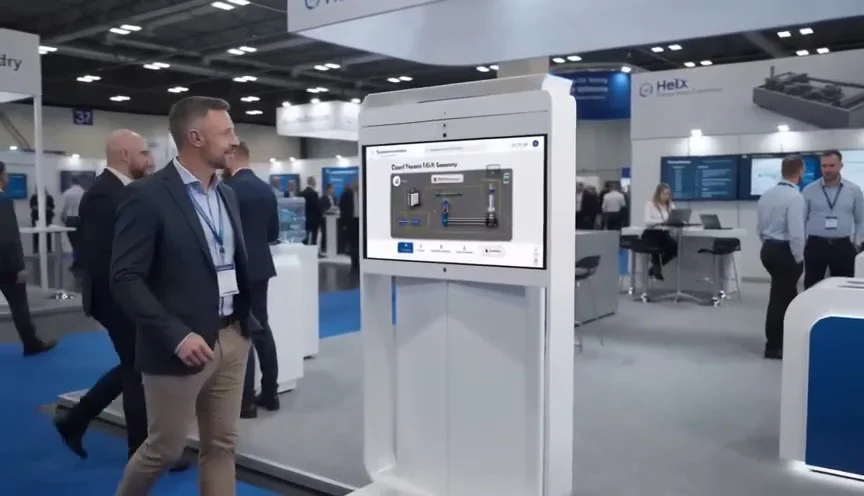
A screen at the entrance, in the lobby, or by the schedule instantly shows up-to-date data, helps find a classroom or a teacher, holds students' attention, and takes the load off the staff.
This way, the school becomes clear and modern in the eyes of parents, and students look up what they need themselves — without reminders.
What an Interactive Kiosk Brings to the School Hall
An ordinary bulletin board in a school hall is paper sheets that quickly become outdated. Announcements get lost among old ones, important events are forgotten, and the board looks untidy within a month. Parents and guests see stale information, and students simply walk past.
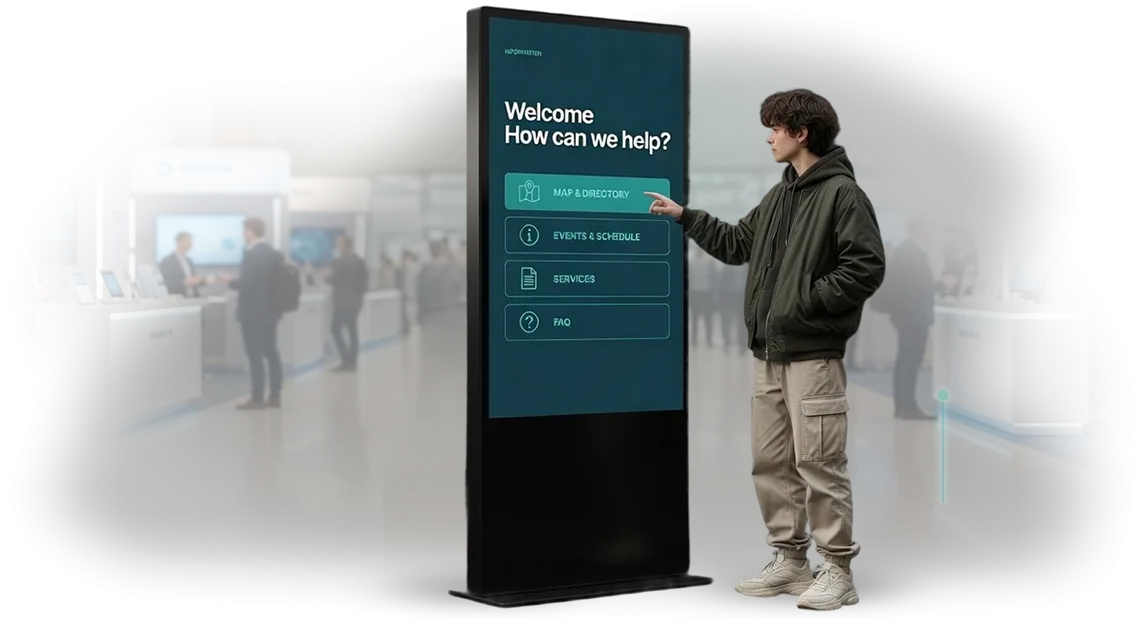
A touchscreen kiosk completely changes the picture. Instead of static content — a live screen that responds to touch: students can open the schedule, view photos from events, vote in a poll, or find the right classroom.
This boosts engagement — students interact with the information themselves, and that means they remember it better.
Updating content takes minutes, not days. Through a simple control panel, an administrator changes announcements, adds news, congratulations, and student achievements — without help from programmers and without printing posters. The information on the kiosk is always fresh, which keeps the hall neat and modern.
A modern kiosk shapes the image of the educational institution. It shows that the school keeps pace with digital technology and cares about the comfort of students and parents.
This increases brand recognition: the screen can display the school emblem, mission, alumni achievements, partners — anything that underscores the school's status.
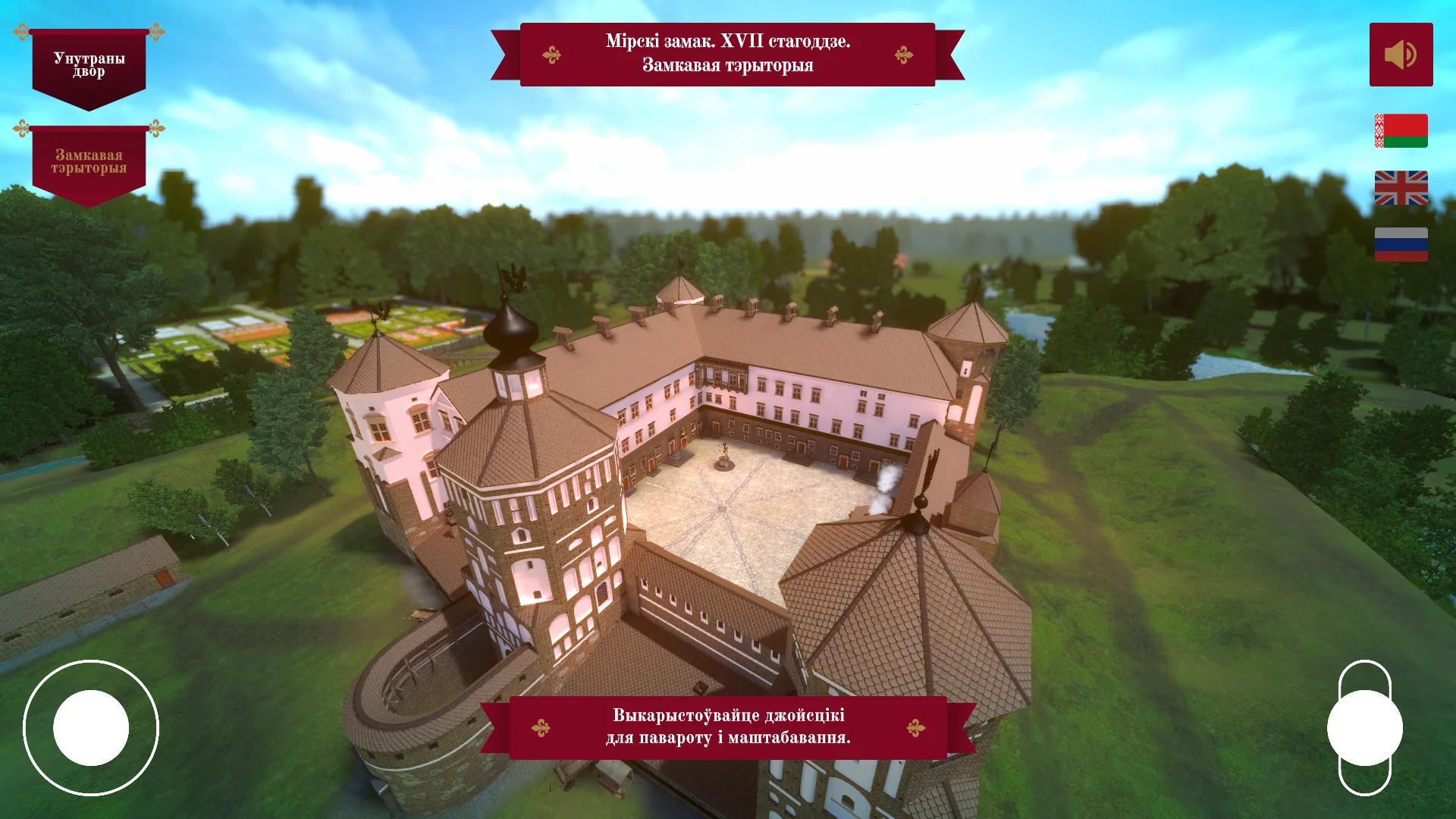
We design such kiosks on the basis of HTML5 — that means the system works on any hardware, scales easily, and can be updated without hassle. You get not just a screen, but a tool that makes school life brighter and the hall a place people want to linger in.
Formats of Interactive Kiosks for Schools
School space serves learning when every spot does its own job. The lobby needs to welcome and guide guests, hallways need to show schedules, and a classroom door needs to offer quick reference. That's why the interactive kiosk format is chosen based on a specific scenario and room.
Let's compare the three main options — a floor-standing kiosk, a wall-mounted kiosk, and a touchscreen panel. Each has its strengths, which helps distribute information so that it works for the school instead of sitting idle.
| Format | For whom | What it gives the school |
|---|---|---|
| Floor-standing kiosk | Lobbies, waiting areas, events | Attracts attention, handles visitor flow, great for navigation, posters, and interactive maps. |
| Wall-mounted kiosk | Hallways, recreation areas, near classrooms | Saves space, visible from afar, fits bell schedules, announcements, and navigation. |
| Touchscreen panel | Administration, library, small rooms | Compact, mobile, convenient for reference materials, tests, and surveys. |
The main thing is to match the kiosk format to the tasks and the size of the space. A small school can make do with a single touchscreen panel in the lobby; a large complex benefits more from wall-mounted navigators in every block and a floor-standing kiosk in the center.
We help you pick the format: we analyze student and guest flows, define priority content, and suggest a solution that delivers maximum value. If needed, we combine different formats into one system — so the school gets unified navigation and quick information updates.
How We Build a Kiosk for Your School
We understand that schools value predictability: the kiosk must be ready by the start of the school year, be convenient for students and guests, and the process must go off without a hitch.
At our team, after years of working with educational institutions, we've built a clear step-by-step process where every stage is transparent and agreed with you. You always know what's happening and what comes next.
- Brief and analysis. We meet and discuss what the kiosk should do: what it should show guests, parents, and students. We clarify the location — vestibule, lobby, library. We lock in content and update requirements.
- Design mockup. We create a visual prototype of the interface: screen structure, navigation, and styling that matches the school's brand identity. We show you how the kiosk will look before programming even starts.
- Approval. We discuss the mockup and make edits to the structure and design. We approve the final version — after that, development begins, and you know exactly what you'll receive.
- Development and content. We program the logic, set up touch control, and connect an easy-to-use administration system. We upload your materials: schedules, news, school information, classroom map.
- Testing. We check the kiosk on real hardware: how fast it responds to touch, whether the interface is clear, whether it holds up under constant use. We fix every issue before installation.
- Launch. We mount the kiosk in the designated spot, configure it for your environment, and train staff to work with the system. We hand over clear instructions and passwords.
- Support and growth. We stay in touch: we update content on request, help with changes, and monitor stable operation. The kiosk doesn't become outdated over time.
This process gives you control at every stage and guarantees that the school gets a working, convenient kiosk by the required date. And if new tasks come up — you already know how we work and who to contact.
What's Included in the Interactive Kiosk Package
You get not just a device, but a complete turnkey solution: the interface is already configured, content is loaded, and staff are trained. All you need to launch the kiosk on day one is a power outlet and network access.
Here's what's included in the standard delivery set for schools:
- Interface and navigation — a clear menu adapted for touch control, with large buttons and quick access to the schedule, classroom navigation, and important announcements. Students will figure it out without being shown, and school guests won't distract staff at the front desk.
- Content management system — you change the information on the screen yourself, without a programmer: added an announcement, updated the schedule, uploaded a new file. It takes a couple of minutes, and changes appear on the kiosk instantly.
- Staff training — we run a short orientation for administrators and secretaries. We show how to update schedules, manage announcements, and handle common tasks. Your staff work with the system confidently from day one.
- Full documentation — clear instructions on powering on, daily use, and basic maintenance. No need to reinvent anything — everything is already written out.
- Warranty and support — if an issue arises, you contact us rather than hunting for someone to blame. A support team is available by phone or remotely. The warranty covers both the hardware and the software.
This package frees the school administration from three main pain points: hunting down a contractor for every small task, lengthy commissioning, and dependence on a "single specialist." You get a working system and straightforward instructions on how to use it.
Case Study: Navigation Kiosk in an Educational Institution
For City Gymnasium No. 12, we developed an interactive navigation kiosk — it solved three problems at once: lost guests, constant questions to the administration, and an empty lobby.
Ordinary directional signs don't work when the school has more than a thousand students and several buildings. Parents at meetings and event guests got lost, created a queue at the entrance, and distracted the secretary.
Instead of adding another staff member, we proposed a touchscreen kiosk that answers "where is the classroom?", "how do I get to the assembly hall?", and "what's on the schedule today?" all by itself.
How It Went
First, we did a quick audit of the premises and gathered everything needed for routes: floor plans, classrooms, schedules.
Then we mapped out routes on an interactive map and built an interface with three large buttons — so even someone seeing a touchscreen for the first time could use the kiosk.
We launched the kiosk at the start of the school year to immediately handle the peak flow of parents. Two weeks later, we opened the analytics and saw that the kiosk had become the building's main navigation tool.
Results and Metrics
- The number of "where is…" questions to the administration dropped by 70%.
- During peak hours before events, the kiosk delivered more than 150 sessions in two hours.
- Self-service map lookups tripled in the first month.
- 90% of guests in a short survey called the kiosk "convenient and easy to understand."
The gymnasium ordered a second screen for another building — the best proof that the kiosk pays off. And for the school, it became not just a "touchscreen," but a working tool that frees up staff and helps guests find their way with confidence.
How to Choose the Right Format for Your Needs?
Choosing an interactive kiosk format for a school starts with one question: what task does it solve — navigating the building, class schedules, event posters, or educational quizzes? There's no universal solution — there's only the one that fits you.
So we look first at the space, student flows, and content type, while the budget becomes a constraint rather than the starting point.
In a lobby where student traffic flows through, compactness and quick response matter. In a recreation area or library, the kiosk can be larger and more multifunctional — children work with it for several minutes at a time.
If the main users are younger grades, we account for height and use simple, large buttons. If teachers and parents — they need clear search and a structured menu.
| Format | When to choose | What it gives the school |
|---|---|---|
| Floor-standing kiosk with vertical screen | Lobby, waiting area | Navigation, schedule, poster — visible from afar, works in traffic flow |
| Horizontal touchscreen panel | Library, school museum | Interactive tasks, viewing photos and videos, child working at a table |
| Wall-mounted panel | Narrow hallways, classrooms | Saves space, quick access to information without queues |
| Mobile stand | Breaks, events, class hours | The kiosk moves to any needed spot: gym, assembly hall, cafeteria |
To make the right choice, we visit the site or request the floor plan. We analyze where students gather, the mounting height and lighting, and whether anything blocks access. After that, we present 2–3 formats with the cost calculated after audit and installation timelines.
Schools get a special offer for multi-unit rollouts — if kiosks are needed across several buildings, it significantly reduces the budget for each subsequent unit.
Frequently Asked Questions About Kiosk Development
Schools put off kiosk adoption because of four fears: missed deadlines, a ballooning budget, outdated content, and broken hardware. We answer the most common ones — honestly and without technical detail.
How long does it take to develop a kiosk for a school?
The average timeline is 2–4 weeks after the mockup. A simple kiosk with a schedule and news takes 10–14 days. For complex tasks, you'll get a precise plan and progress reports.
How is the cost calculated?
We lock in the cost in an estimate before we start. A basic school kiosk is affordable — we configure a ready-made platform. New tasks are agreed upon separately.
Will we be able to update information without developers?
A simple control panel is included. Your staff member changes schedules and announcements on their own through a browser — training takes no more than an hour.
What happens if the kiosk breaks down?
The kiosk is built on professional equipment. If something fails, we restore operation remotely or promptly replace the module. Warranty is included in the contract.
Still have questions? Drop us a line — we'll respond within a business day and show you examples of school kiosks.Order Your Interactive Kiosk Development
An interactive kiosk at school solves several tasks at once: navigation for guests and parents, schedules for students, and information about events and teachers. All of it runs without administrator involvement, and data is updated easily and quickly.
Leave a request — and we'll prepare a consultation, cost estimate, and interface demo tailored to your task. Within one business day, you'll have the full picture: what the solution will look like, how long development will take, and what features can be implemented.
What working with us includes:
- Free consultation: we discuss the school's goals, kiosk placement points, and usage scenarios.
- An accurate estimate without hidden fees or overcharges.
- An interface demo based on your schedule and school structure — you see the result before development begins.
- Design adapted to your brand identity and audience age.
- Training for administrators and teachers, plus content update instructions.
- Technical support after launch — the kiosk runs stably throughout the school year.
We've specialized in interactive kiosks for over 10 years and know how to make them intuitive for students and useful for staff. Leave a request on this page — in response, we'll send you the estimate and propose a time for a demonstration.