



Interior Paint: The Main Problem of Choosing a Color Without a Try-On
Every interior paint seller faces the same pain: the buyer chooses a color from a catalog but cannot imagine how it will look on the walls of their room. Under different lighting, wall texture, and painted area, the same shade is perceived completely differently.
This makes the client doubt their choice, and they postpone the purchase — first they look for test swatches, consult, and then still fear making a mistake.
Accurate color is a key factor when buying paint, but it is the hardest thing to show.
A sample can looks different from a living room wall, and a small swatch on a card does not give the feeling of "how it will look in my home." As a result, the buyer either plays it safe and chooses boring white, or orders several testers and spends days testing.
This drags out the sale, increases logistics costs, and often ends in returns — especially if the color "on the wall" was not what the client expected.
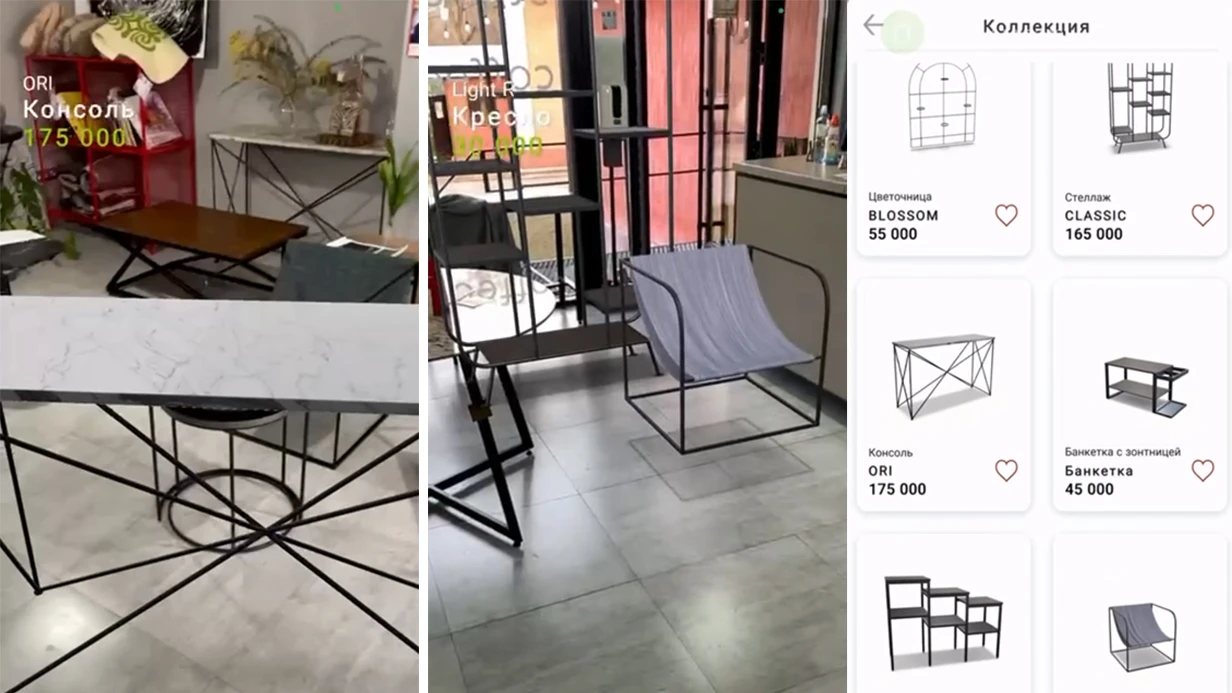
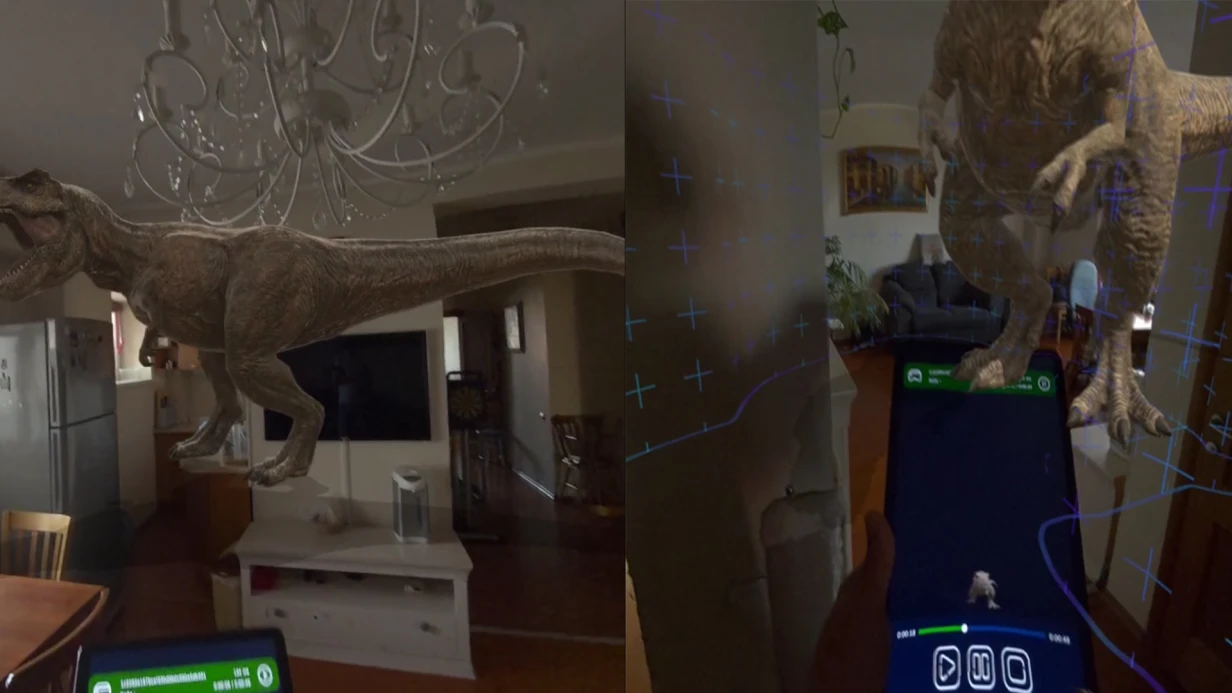
We solve this problem with AR visualization of interior paint: your buyer points their smartphone camera at their wall and sees how the chosen color looks in their actual interior. No test swatches, no guessing, no fear of making a mistake.
This removes the main objection — "what if it does not turn out the way I imagined" — and helps the client confidently make a purchase decision.
What AR Visualization Will Do for Your Brand: 5 Sales Benefits
Choosing an interior paint color is the hardest step for a buyer: the shade on the screen almost always differs from reality, and the consequences of a mistake are a ruined renovation and lost money. That is why clients often postpone a purchase or return what they have already bought.
AR visualization removes this fear: the client sees the color right on the walls of their room — through the smartphone camera. This is not just a "gimmick" but a tool that directly affects your sales. Here are five proven benefits for the brand.
Higher conversion to order. When a buyer "tries on" paint in their own home, they make a decision faster and more confidently.
The move from browsing a catalog to choosing a specific shade accelerates many times over — as a result, cart additions and order submissions grow without additional advertising spend.
Fewer returns. Every AR try-on is insurance against a mistake. The client sees the color in their own lighting, on their own wall texture. The result: fewer disappointments after painting, fewer return requests, and less overspending on logistics.
Higher average order value. Visualization encourages bolder decisions: the client sees how beautifully two or three shades combine and adds paint for an accent wall or separate colors for different rooms to their order. The purchase amount grows naturally — without discounts or promotions.
Customer loyalty. A service that helps choose a color is memorable. The buyer comes back next time, recommends the brand to friends, and shares "before and after" photos on social media. This way, AR visualization works for brand recognition and builds a community around your brand.
Competitive advantage. While most manufacturers show static swatches, you give the buyer a live picture of their future renovation. This positions the brand as modern and caring, which is especially important in the battle for the attention of a young audience.
The reliability of such a solution is confirmed by practice: among our partners is the interior paint manufacturer Tikkurila. We help build an AR scenario for your assortment — from simple color selection to painting a 3D room model.
We will advise on how to integrate visualization into your website and offline points so you get the most out of every try-on.
AR Visualization Formats for Interior Paint: Options for Your Business Tasks
Buying interior paint is always a leap of faith. A color on a small sample and in a real room is perceived differently, so buyers hesitate, postpone the purchase, or return the cans.
AR visualization solves this problem: the buyer points the camera at their wall and immediately sees how the chosen color will fit into the interior. This removes the fear of making a mistake and shortens the path from "just looking" to "I will take it."
We offer four working formats — each covers its own sales task. Choose the one for your sales channel or combine them: they all run on professional tools and are easy to integrate into current processes.
| Format | Who It Is For | What It Gives the Business |
|---|---|---|
| Mobile app | For stores and brands with a wide palette | The client photographs their room and "paints" it in any color from the catalog. Result: more confident purchases, fewer returns |
| Web catalog | For online stores and brand websites | Colors are shown on realistic room images right in the browser. The visitor explores the assortment longer and adds paint to the cart more often |
| Interactive in-store display | For retail outlets and building supply chains | The buyer scans a sample they like and sees it on screen in a finished interior. This keeps them in the store, encourages a purchase, and increases the average order value |
| Social media try-on | For marketers and brand promotion | Through a filter, subscribers apply colors to their photos and share the result. This is free reach, growing recognition, and a reason to come back and buy from you |
This visualization pays for itself through higher conversion and can be tailored to your audience. We will help you choose the optimal format, build a prototype, and launch the solution in a couple of weeks — with a guarantee of stable operation and post-launch support.
AR Project Workflow: From Brief to Launch
Work on an AR project follows a clear process — from brief to launch. You always know what stage the project is at and can influence the outcome. This eliminates surprises around timelines and budget.
- Brief and task definition. We discuss goals, audience, and product list. You get a transparent estimate and a clear timeline.
- Product line analysis. We identify the best-selling items worth showing in augmented reality. We do not overload the app with unnecessary options.
- 3D model preparation. We create accurate paint samples and interior scenes — from living room to kitchen. The user sees the color on the wall as it would look in reality.
- AR scenario development. We program color selection, wall overlay, lighting changes, and photo saving. The interface is intuitive for buyers without instructions.
- Approval and testing. You receive a demo version and make edits. We test performance on different devices and under different lighting.
- Launch and support. We publish the app in app stores or on your website, and train your managers. We update content and monitor stability.
What Is Included: What You Get to Launch Visualization
You get not a "bare program" but a ready-to-use tool for your sales team. Everything needed to launch interior paint visualization is already included — all that is left is to train your staff and show clients.
- Custom AR platform — an app for tablet or smartphone that shows how a selected paint color will look on the walls of a real room.
- Color library — the full catalog of your brand's shades, loaded into the system. Colors match the real palette, so the client sees exactly the tone they will buy.
- Catalog integration — from the visualization, the user can go straight to the product page and place an order. This shortens the client's path from "interesting" to purchase.
- Launch guide — simple materials for staff: how to launch the app, select a color, and save the result. No complex manuals or technical knowledge needed.
- Staff training — we run a hands-on training session for salespeople and consultants. Afterward, your team works confidently with the tool and answers client questions.
- Technical support — after launch, we stay in touch: we update the color library, help with setup, and answer questions. The visualization does not stay "as is" but evolves together with your catalog.
In short: the package covers every stage — from installation to daily use by staff. You get a working service that boosts conversion, not a set of files you have to assemble yourself.
Case Study: How a Brand Doubled Conversion with an AR Catalog
An interior paint buyer always doubts the key question: how the color will look on the wall, not in the can or on a small sample. Even a perfectly chosen shade feels risky — and the client postpones the purchase, goes to a competitor, or returns the can after painting. For the manufacturer, this means direct sales losses and distrust of the brand.
We solved this problem with an AR catalog. The client was a major interior paint manufacturer.
Instead of losing customers at the color selection stage, the brand integrated augmented reality into its mobile app: the buyer points the camera at their wall and sees how the chosen shade looks in their room, under their lighting, and on their wall texture.
The results exceeded expectations. The share of orders placed without physical test swatches grew by 47% — clients stopped being afraid of making a mistake.
The average order value also increased: when a person sees the color "on their own wall," they more confidently buy paint for the whole room rather than a test can.
Notably, customers returned for repeat purchases — trust in the brand grew, and paint return rates dropped by nearly half.
The interior paint manufacturer got not just a technology but a tool that sells: in the AR catalog, the buyer hesitates less, chooses faster, and happily shares the result with their family.
This experience confirms: augmented reality in a catalog is not a toy but a working mechanism for increasing conversion.
We have applied this approach to other projects, adapting it to each business's goals — some need more online orders, some need fewer returns, and some need to engage in-store shoppers. In all cases, AR pays for itself through measurable business metrics.
If you produce or sell paint and want to remove the main client objection — "what if the color is wrong" — we are ready to show how it would work with your assortment.
How to Choose a Visualization Format for Your Niche?
There is no one-size-fits-all AR format for interior paint — the choice depends on where the buyer meets your product and what task the visualization needs to solve. The format should either speed up the purchase decision or hold attention and capture leads. Focus on your niche, and we will find a solution for it.
For a retail chain, an interactive display on the sales floor is effective: a visitor "repaints" a wall in any shade from the catalog within a minute and immediately sees how the interior paint will look in a real interior.
This removes doubt and speeds up the choice, while the salesperson shows the color visually instead of giving long explanations — and closes the deal faster.
An online store needs visualization inside the product card: the buyer points their smartphone camera at their room's wall and views the selected shade in their own space.
This format removes the main fear — "what if the color is not the same" — and directly affects conversion and return rates: the person orders exactly the color they have already seen at home.
For a showroom or exhibition, large formats with a sense of presence work best.
On a widescreen display, you can switch shades with a single touch and show how paint combines with furniture and textures — in a showroom this helps designers, and at an exhibition it stops the flow of visitors and becomes a reason to talk to the brand.
It is easy to add lead capture to this kind of visualization: the guest leaves their phone number, you send them ready color combinations — and you get a base of potential clients without extra advertising.
What About Timelines and Implementation? Frequently Asked Questions
The most common question about AR visualization for interior paint is how long implementation takes. On average, from brief to working page, it takes 10-15 business days: you need to send color palettes, layouts, and site access.
The cost is fixed before launch and depends not on "hours" but on the size of the catalog and the format of the result — so you know the budget in advance and do not overpay.
There is no difficulty for your clients: a person opens the link, points the camera at the wall, and sees the selected color right in their interior. The app runs in the browser without installation, and the module is embedded into the existing site as a separate block.
This is not a redesign of the resource but a connection of a ready-made solution — we do not touch the structure or layout.
Compatibility is already handled: the tool works on all modern smartphones and tablets, including mid-range and entry-level devices. The server architecture handles peak loads on launch day, and customizing it to match your website's design takes no more than a couple of days.
What if something doesn't work — will you just disappear?
We stand behind the result. After launch, you get a warranty period: we monitor the module's performance, promptly fix any issues, and make corrections free of charge if a problem appears on specific devices.
All work is done under a contract with a clear list of what you receive. The risk of "we paid and got a non-working tool" is eliminated — we remain available even after the project ends, on request.
Leave a Request for AR Visualization for Your Product
An interior paint buyer often cannot imagine how a color will look on their walls under different lighting. Because of this, they postpone the purchase or return cans after painting.
AR visualization solves the problem: the client sees your product in their interior before buying and chooses more confidently.
We build these solutions turnkey for paint manufacturers and sellers. Leave a request — at the consultation we will pick the format, calculate the cost, and show examples of how AR increases sales.
- Free consultation — we will review your product and find where AR visualization will deliver the most.
- Format selection — an app or web version to fit your budget and goals.
- Cost and timeline estimate — a clear estimate after the brief, with no hidden fees.
- Work examples — interior paint case studies and their impact on buyer decisions.
- Turnkey launch — from palette to publication: you do not need to dive into technical details.
- Post-launch support — adding new colors without new development.
Send a request — we will reply within one business day and send examples and an estimate. The consultation is non-binding: you will get value and understand how AR increases sales of your product.